 MAP
Pordenone - Tour itinerary

Plain
GENERAL INFORMATION
LAST INSPECTION DATE
25/11/2022
PLANNED ITINERARY
Pordenone - Tour itinerary
LENGTH
1500 meters
DEPARTURE
via Mazzini, 2
The tour can take place at any time of the year.
The tour starts from the FVG Tourist Information Point located at Palazzo Badini, in Via Mazzini at street number 2 (Photograph 1). The Infopoint is located in a restricted traffic zone, where the transit of vehicles bearing a permit for people with disability is nevertheless allowed, including parking, despite the absence of reserved and designated parking spaces.
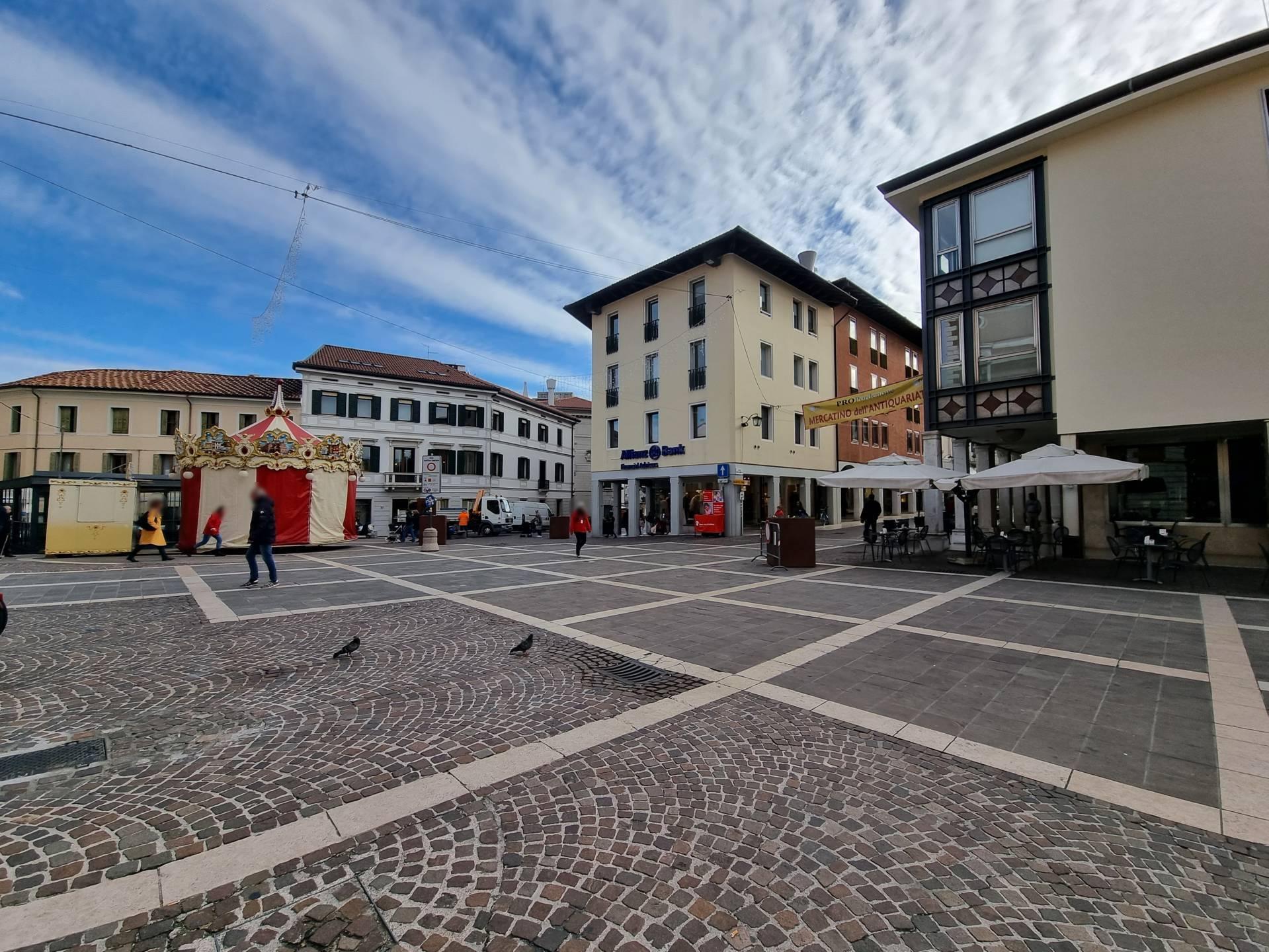
Photo 1 -View of the square in front of Via Mazzini
The itinerary of the tour begins along Corso Vittorio Emanuele, with smooth stone paving on two sides and porphyry cubes in the central strip (Photograph 2). A pedestrian itinerary under the porticoes of Corso Vittorio Emanuele, with smooth, uniform stone paving and some slightly sloping sections due to the natural state of the terrain, alternating with stretches of smooth, and even concrete (Photograph 3). The roadway is mainly at the same level as the pavement.
There are some obstacles on the pedestrian itinerary, not signposted, caused by the presence of tables and chairs on the premises facing the Corso.
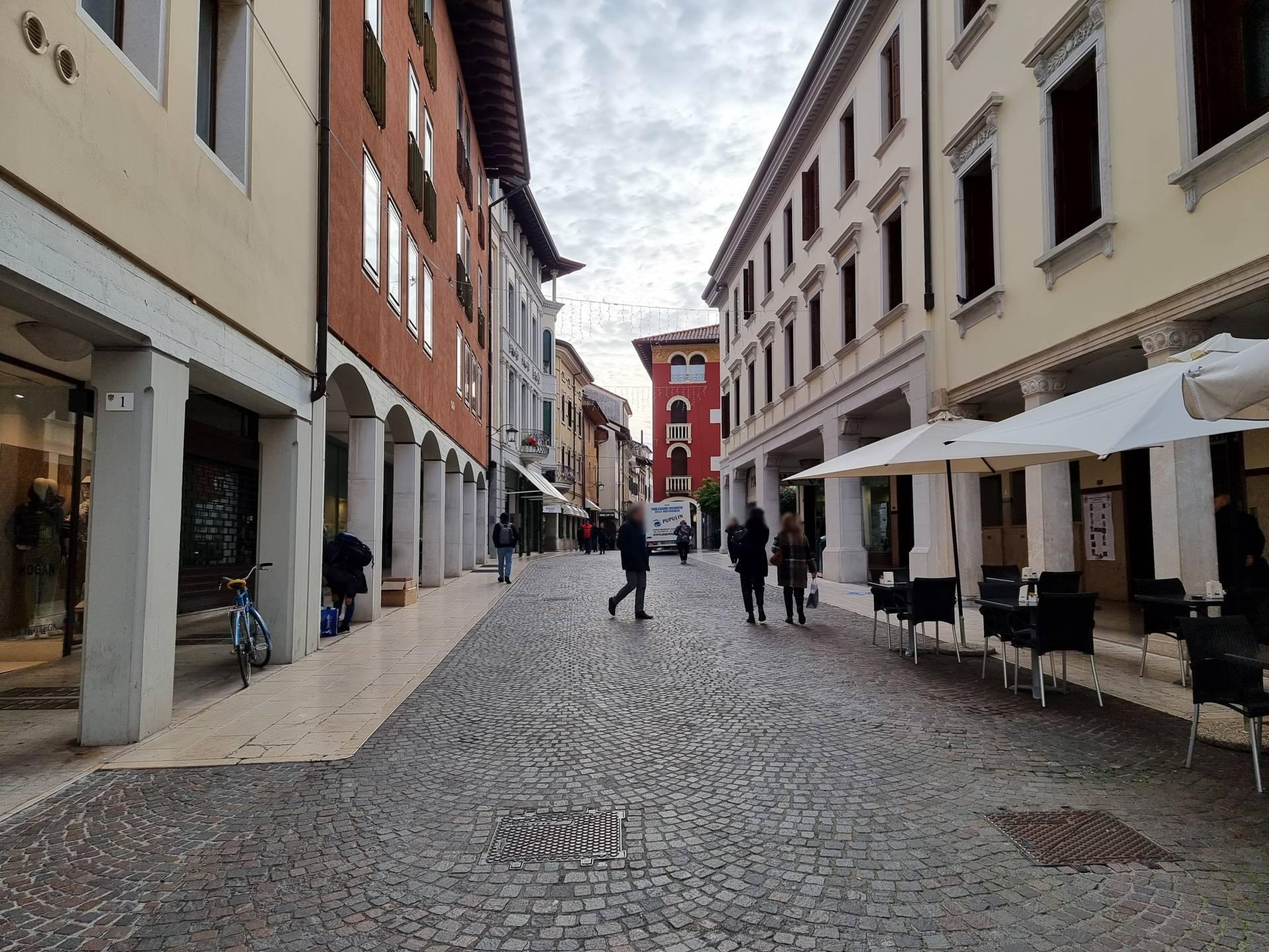
Photo 2 - Initial section of Corso Vittorio Emanuele

Photo 3 - itinerary under arcades on stone
The itinerary continues, in front of the City Hall (Photograph 4), in the direction of Piazza San Marco, along a section of porphyry cubes characterised by a high gradient that cannot be travelled independently by wheelchair users (in the section bordering the City Hall it was measured at over 5%) (Photograph 5). At the height of the Duomo (Photograph 6) there is the possibility of crossing the street on pedestrian zebra crossings, made of porphyry cubes, and returning to the pedestrian path under the porticoes (Photograph 7). The itinerary under the arcades is wide, paved in smooth stone and connected without thresholds with the roadway, both in the initial and final sections. Some slight and uneven sections in the paving do not, in any case, prevent passage; however, the itinerary is on a downhill slope.

Photo 4 - town hall
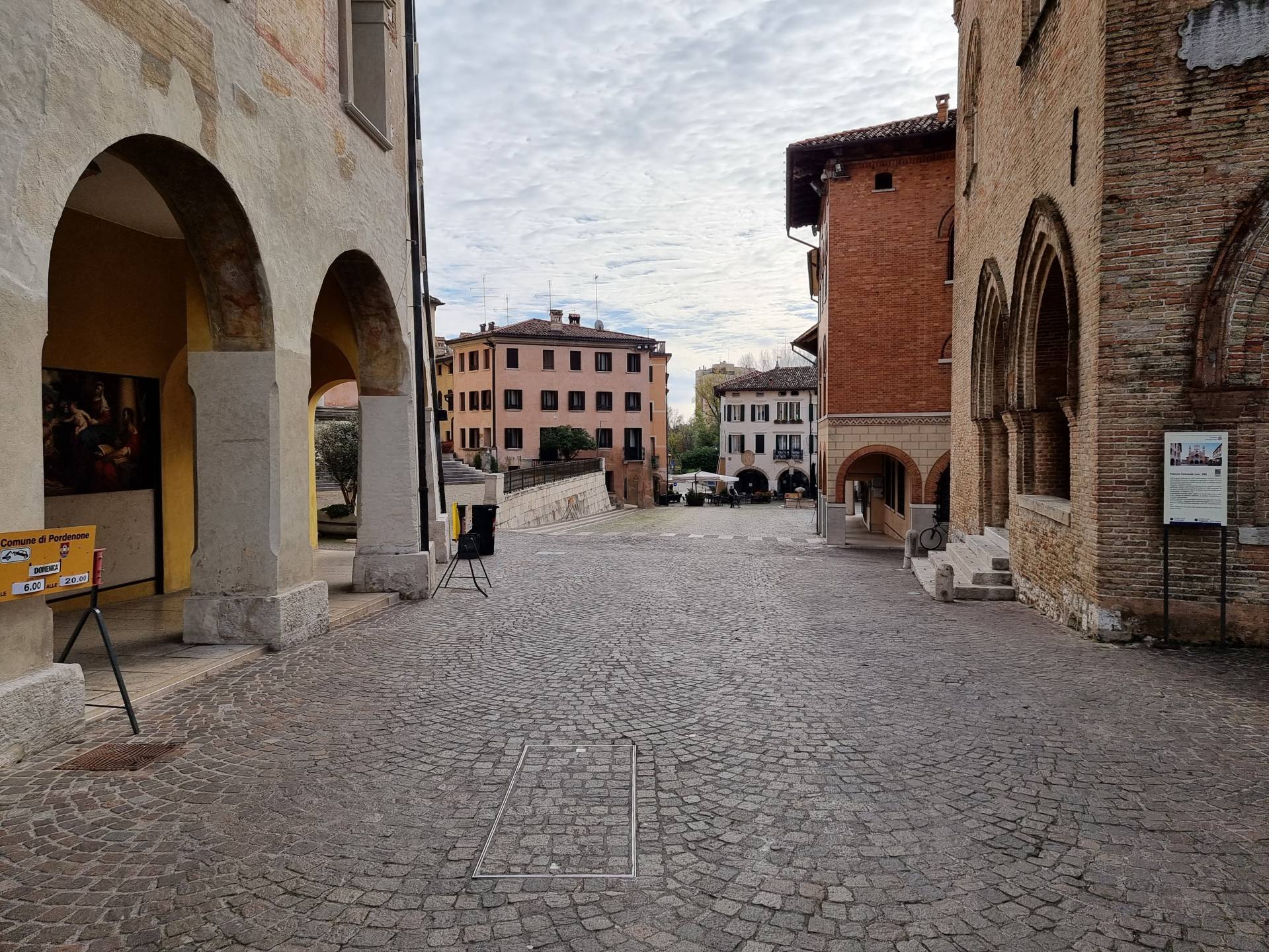
Photo 5 - Pporphyry itinerary to the Duomo
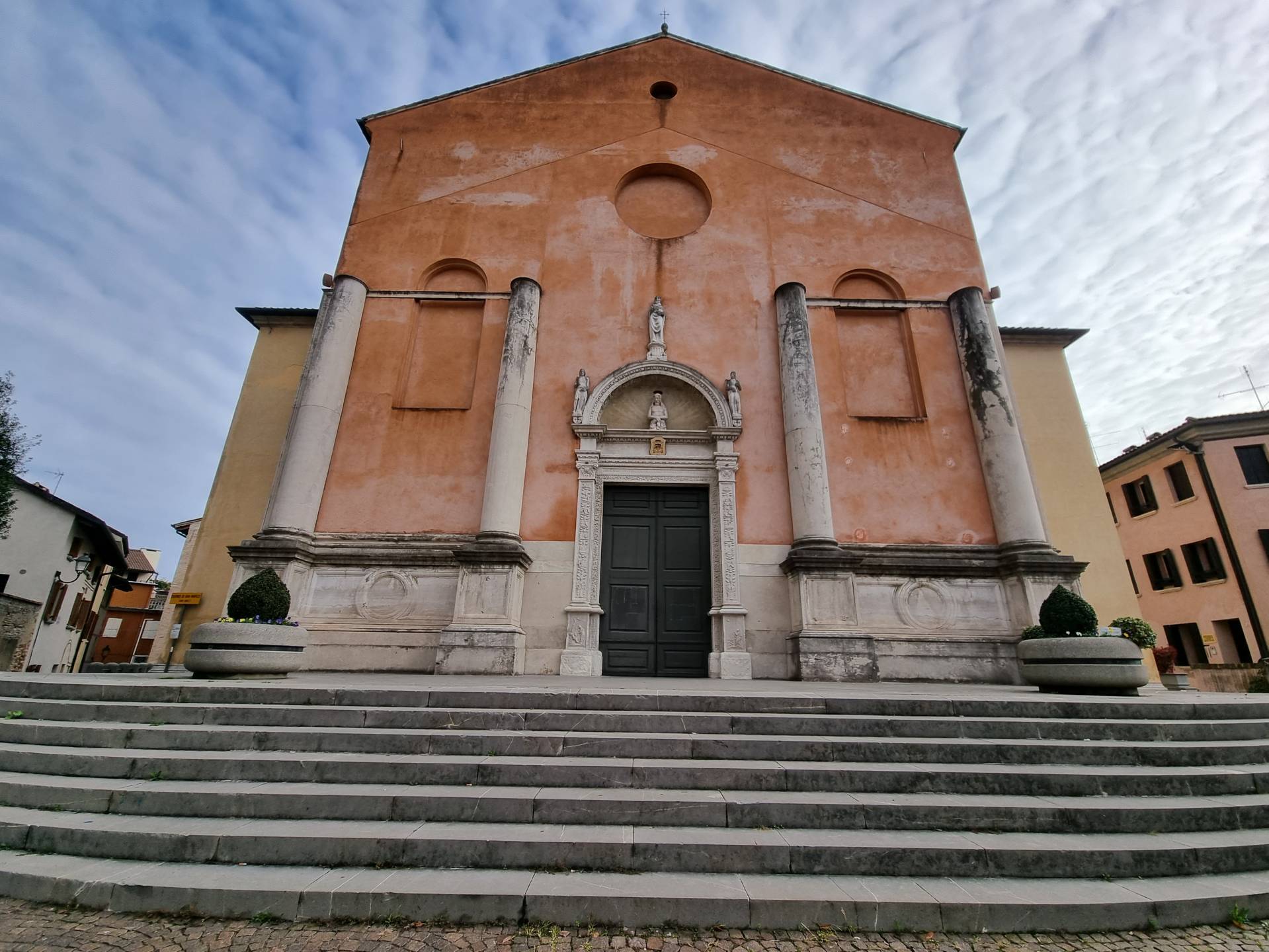
Photo 6 - view of the duomo

Photo 7 - itinerary under the arcades
The route continues along Via San Marco, which is asphalted and has no pavement reserved for pedestrians, but with very limited traffic (Photograph 8). On either side are short stretches under porticoes but not connected to the road surface (Photograph 9). The paving of Via San Marco shows some irregularities due to natural ground subsidence.
The itinerary continues in a southerly direction, still on a paved roadway due to the absence of pavements, until it reaches the pedestrian area of Via della Santissima, in porphyry cubes, on the level (Photograph 10).
Subsequently, the traffic light crossing of Via Riviera del Pordenone is located opposite the bridge over the Noncello River, which is level with the pedestrian path, equipped with tactile foot danger markers and an acoustic signal for the blind, but the time allowed for crossing is very limited. The crossing is marked chromatically by a wide red stripe. Tactile foot markers are also present (Photograph 11).
Continue south until crossing the wide bridge over the Noncello River, which is pedestrianised, with uniform stone paving, flat and perfectly connected to the next pedestrian section of Via della SS. Trinità, which is flanked by large green areas. The central part is wooden planking, while the itinerary continues on concrete blocks (Photographs 12-13).

Photo 8 - itinerary on San Marco

Photo 9 - itinerary under the arcades
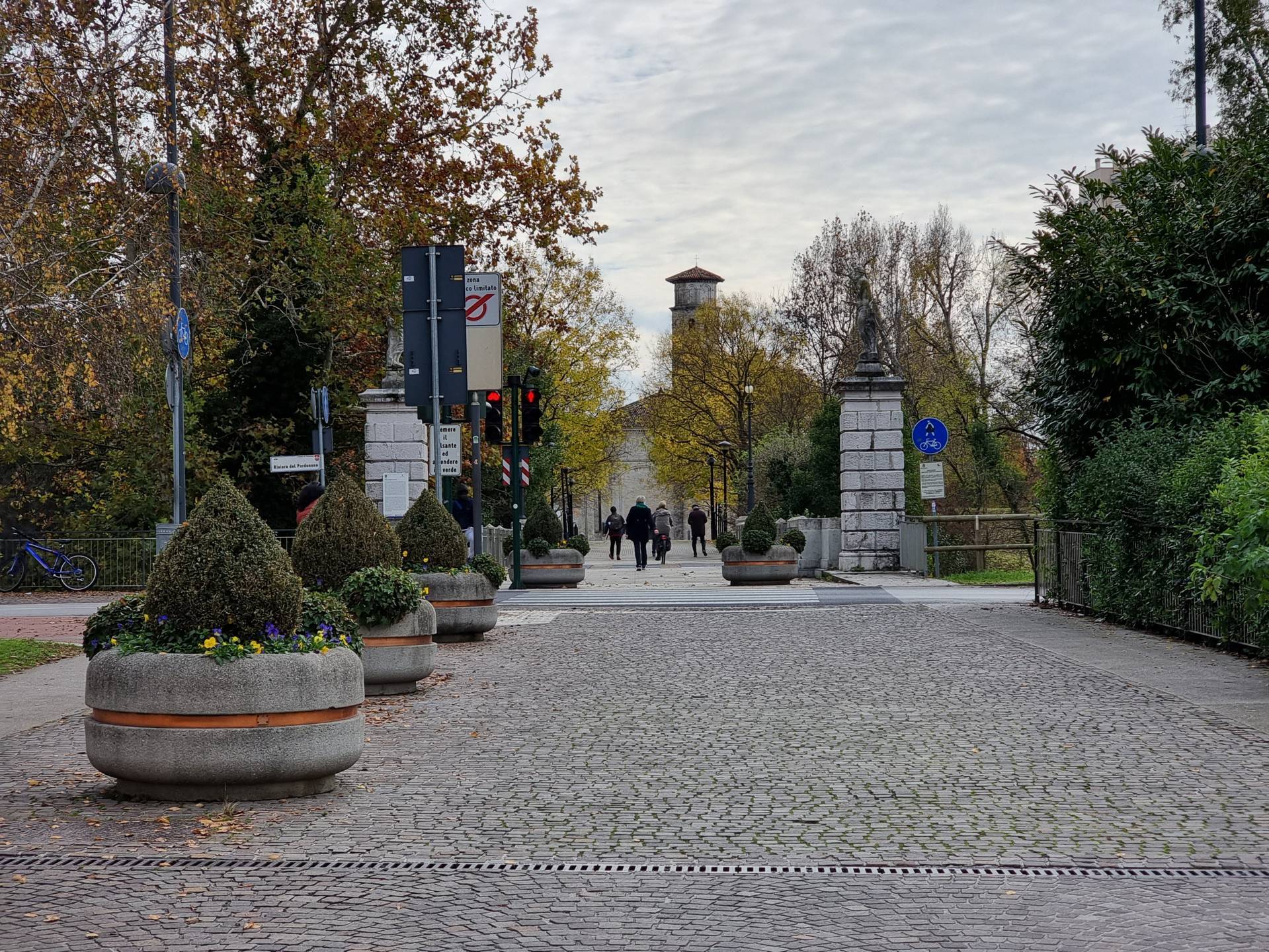
Photo 10 - Pedestrian area of via della Santissima
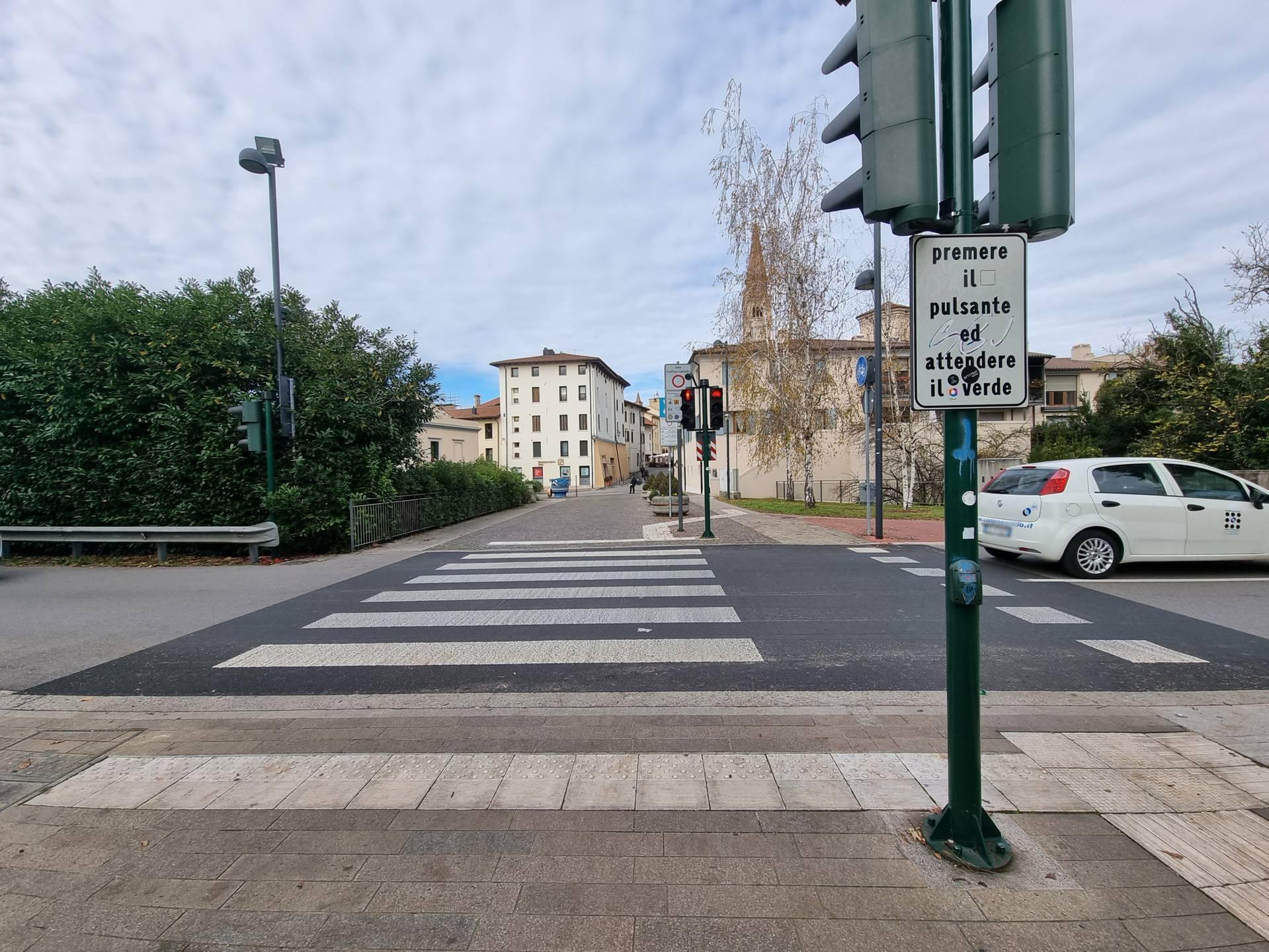
Photo 11 - pedestrian crossing on Via Riviera del Pordenone
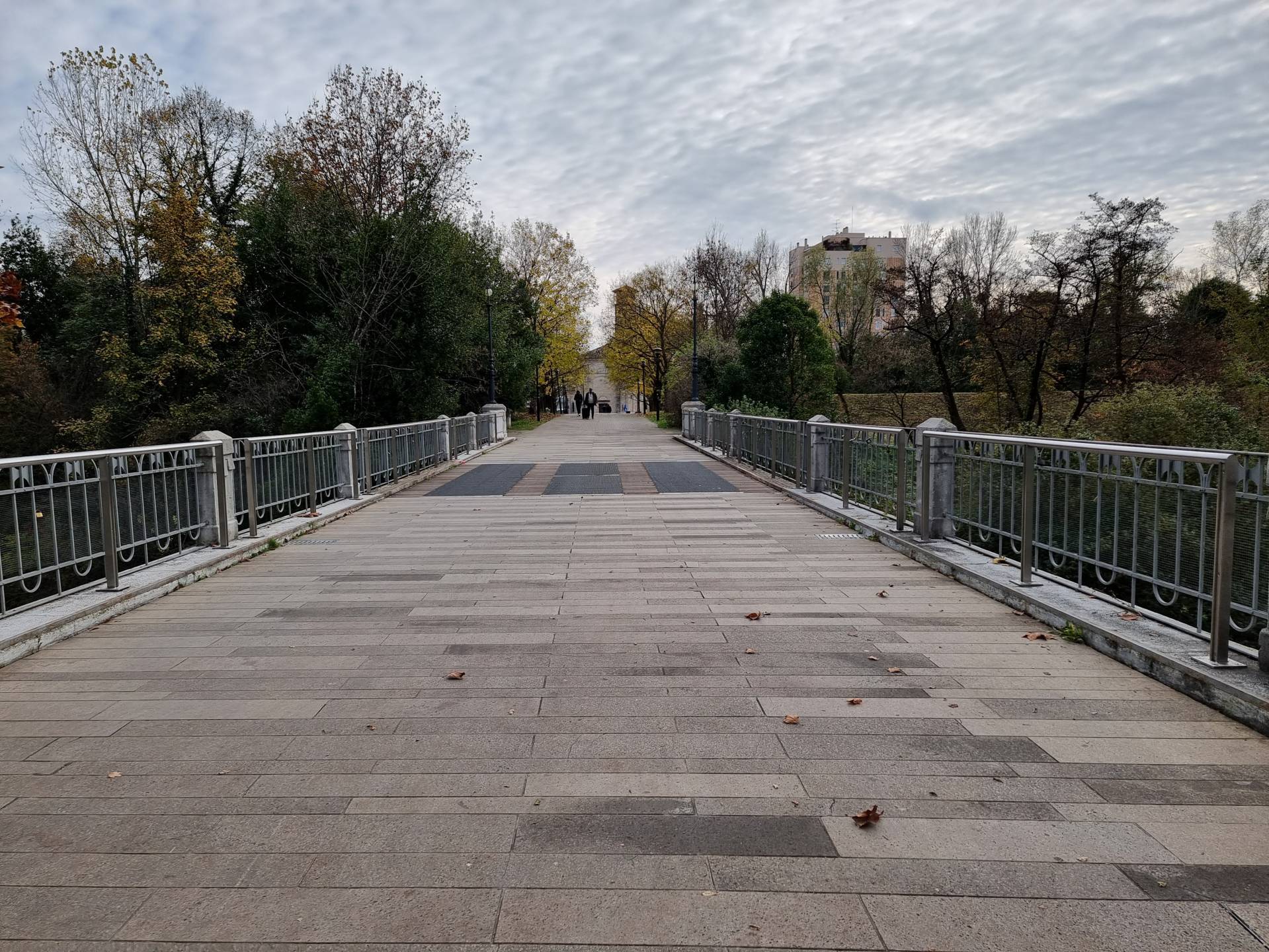
Photo 12 - bridge itinerary

Photo 13 - itinerary on concrete blocks
The Church of the Holy Trinity is located at the end of the wide pedestrian path, with three steps at the entrance that are respectively 10, 13 and 13 centimetres high (Photograph 14). The pedestrian crossing to reach the Church entrance takes place on Provincial Road SP35, on a level and flat pedestrian zebra crossings, on chromatically contrasting porphyry cubes. The pavement is slightly uneven, with faded stripes (Photograph 15).
From here, the main itinerary is retraced all the way to the front of the Duomo, where wheelchair users are required to travel uphill along Via San Marco and the section in front of the Duomo, because of the excessive slope mentioned previously.

Photo 14 - Holy Trinity Church
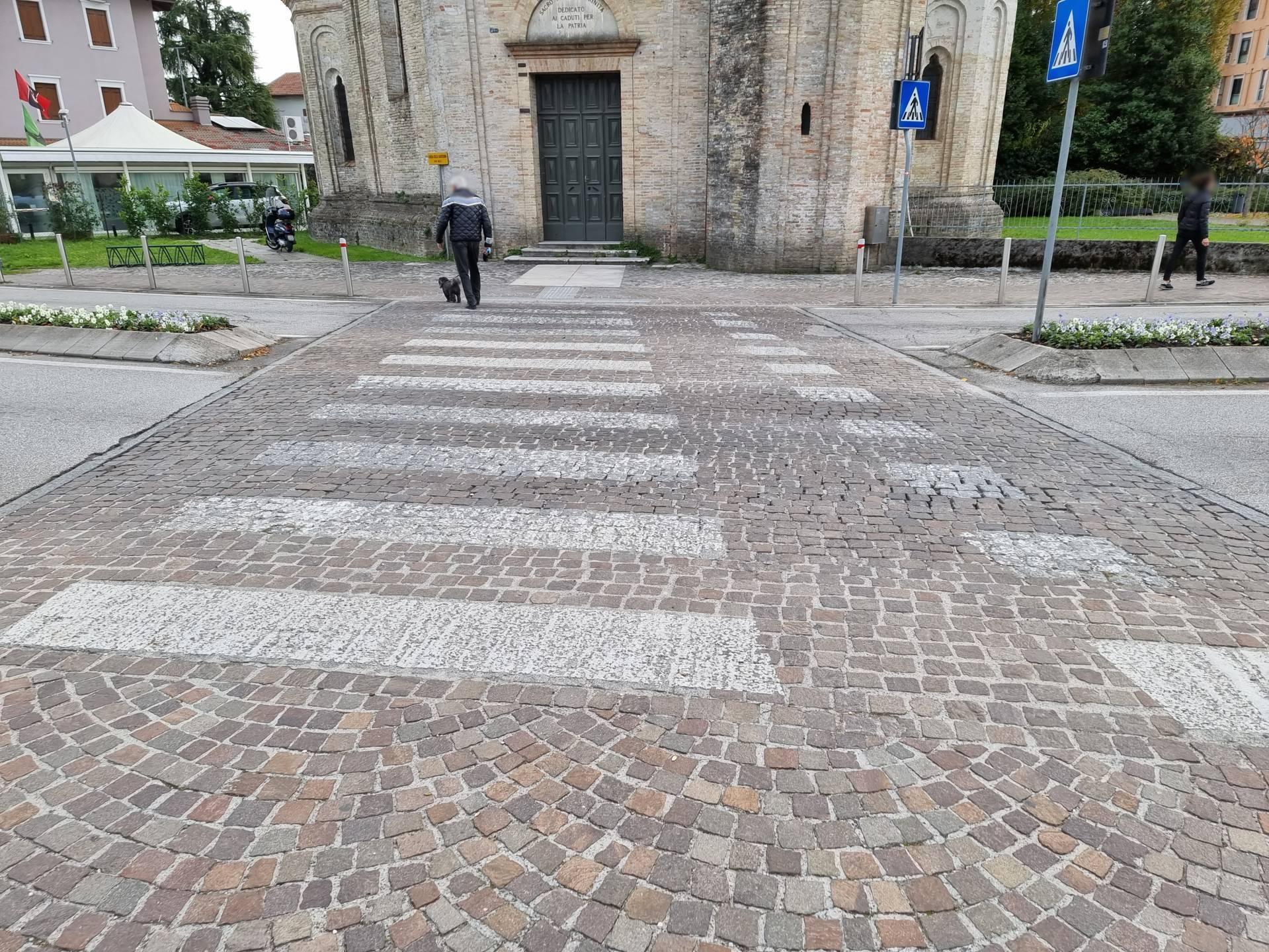
Photo 15 - Pedestrian crossing leading to Holy Trinity Church.
The route continues back onto Corso Vittorio Emanuele, under the porticoes, whose access on the side of Ricchieri Palace is well connected to the roadway (Photo 16). At this point, we turn right along Via del Castello, a narrow street closed to vehicular traffic, paved with cobblestones and with two side strips of stone with a smooth finish. However, the smooth strips are positioned at a distance which is too wide to allow the passage of a wheelchair; the first part of the street is on an uphill slope, then continues almost level (Photograph 17).
From the end of Via del Castello, it is possible to reach Via della Motta and then Piazza della Motta, areas paved in porphyry cubes with limited joints, with an even and level surface (Photograph 18). Atong the street, there are side strips, paved with split cobblestones, at the same level as the roadway, which are, however, used as parking spaces or present obstacles that force the pedestrian to continue along the roadway (Photograph 19). Outdoor furnishings of the existing catering establishments are located along the street. Piazza della Motta has flat, stone pedestrian itineraries, running level with the recently paved porphyry driveway. There are planters, benches, trees and elements of street furniture installed (Photographs 20-21).
We then proceed to Piazza Ospedale Vecchio (Photograph 22), paved in porphyry and stone with a smooth and uniform surface, and Piazza del Cristo characterised by a narrow one-way street paved in porphyry cubes with a downhill slope of 9% (Photograph 23). In both cases, there are no pavements, but the itinerary can be carried out along the roadway, with limited vehicular traffic.
The Church dedicated to Saint Mary of the Angels, in Piazza del Cristo, has a metal ramp in front of the entrance to overcome the entrance step (Photograph 24). A Mosaic, which is installed at the side of the church and preceded by two steps with no inclined ramp. The pavement in front of the church is smooth and homogeneous stone.
Lastly, Via del Cristo is reached, a narrow street closed to vehicular traffic, flat, paved partly in porphyry cubes and partly in piasentina stone (subdivided longitudinally), with smooth and even ground (Photograph 25).

Photo 16 - Itinerary under the arcades near Palazzo Ricchie
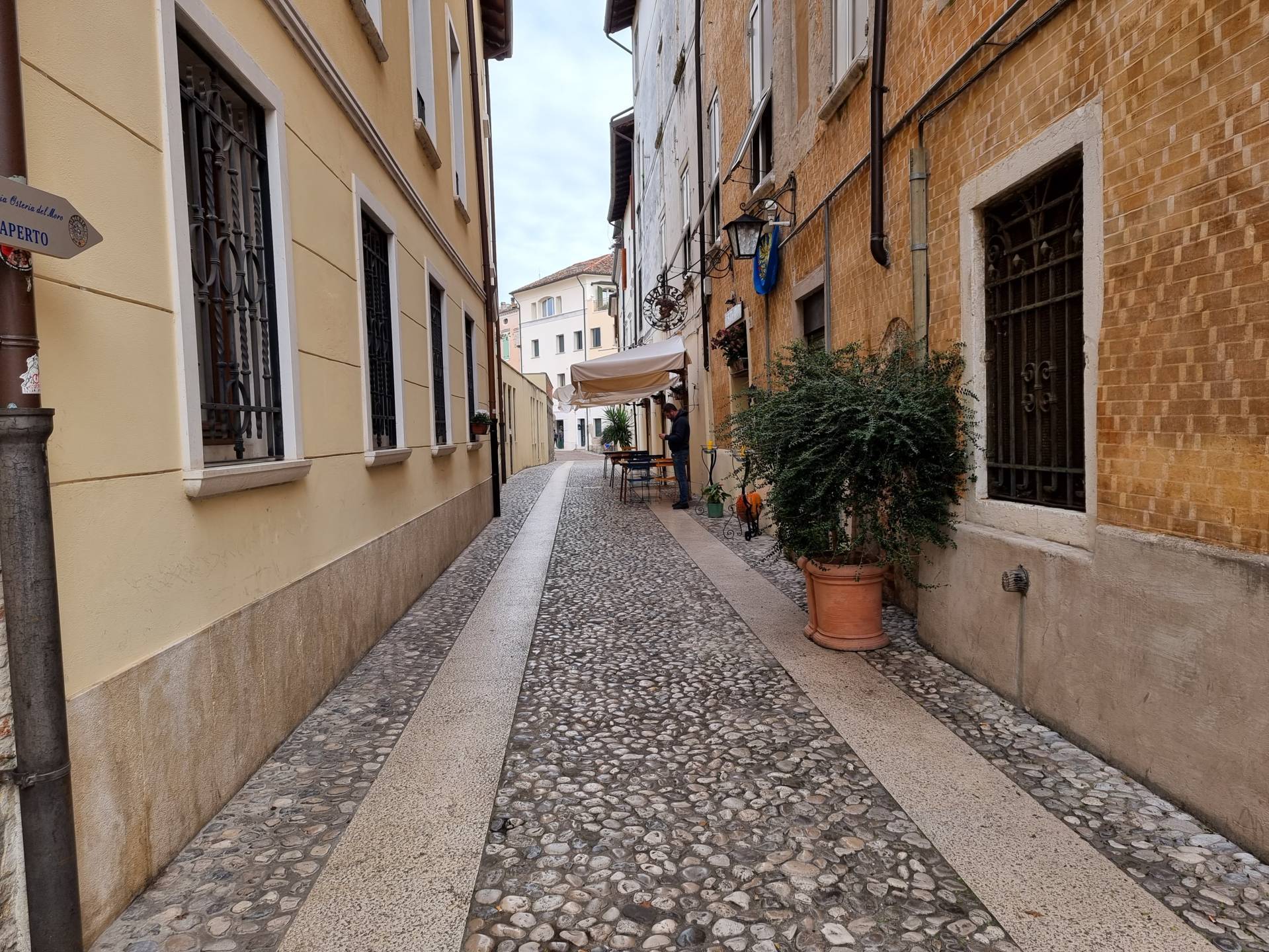
Photo 17 - Itinerary on Via del Castello
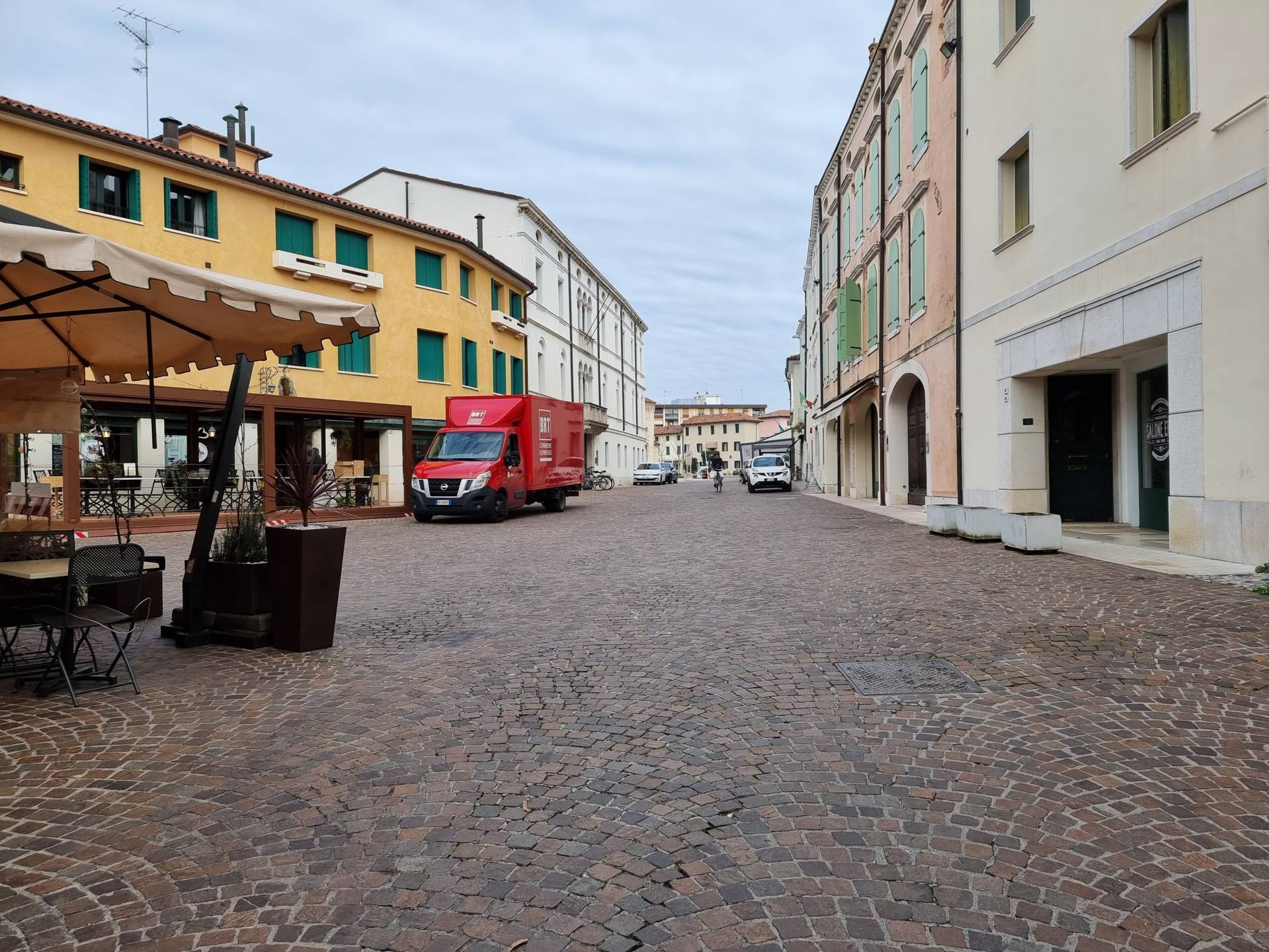
Photo 18 - Via della Motta

Photo 19 - pavements along via della Motta
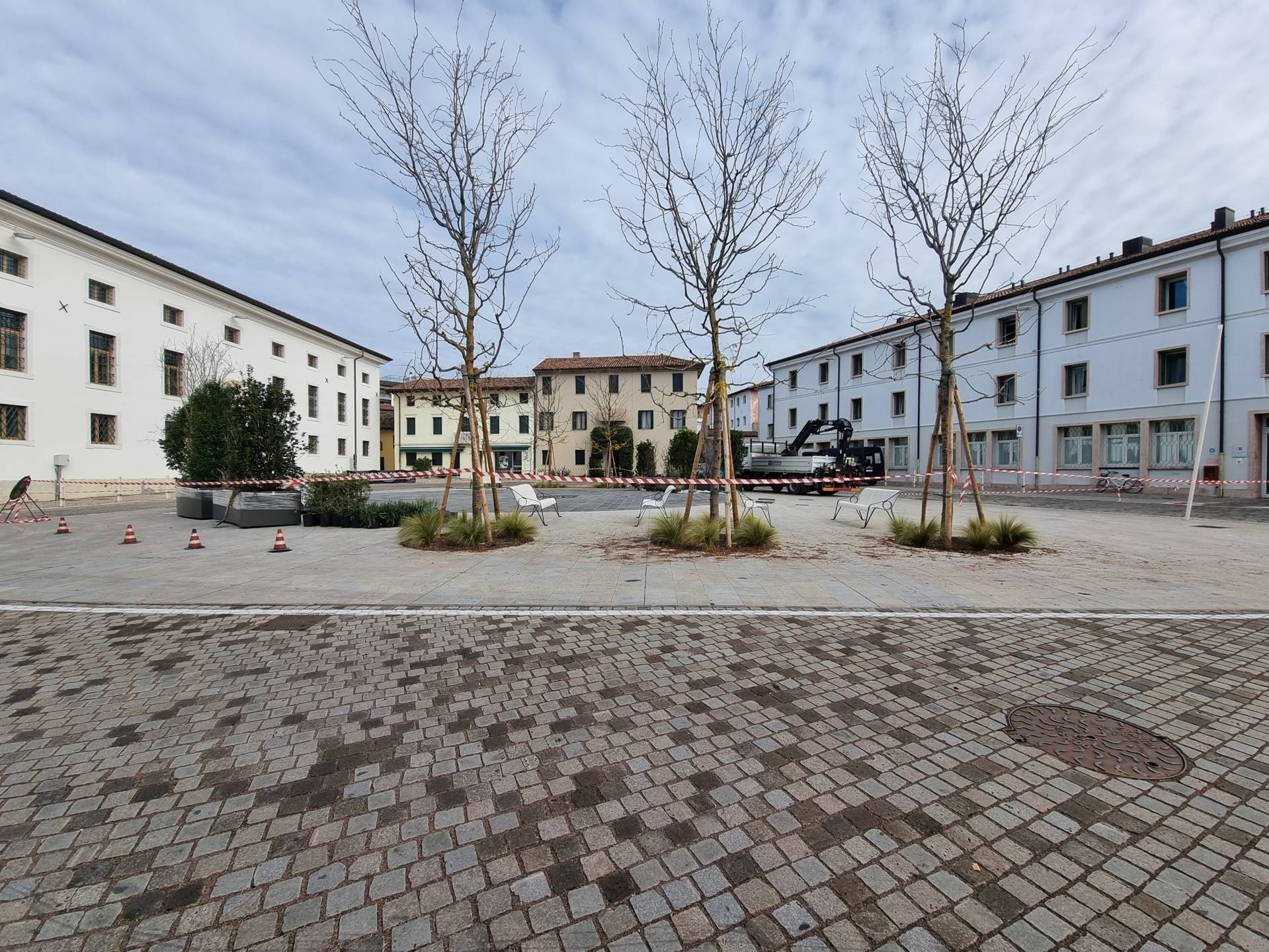
Photo 20 - Piazza della Motta
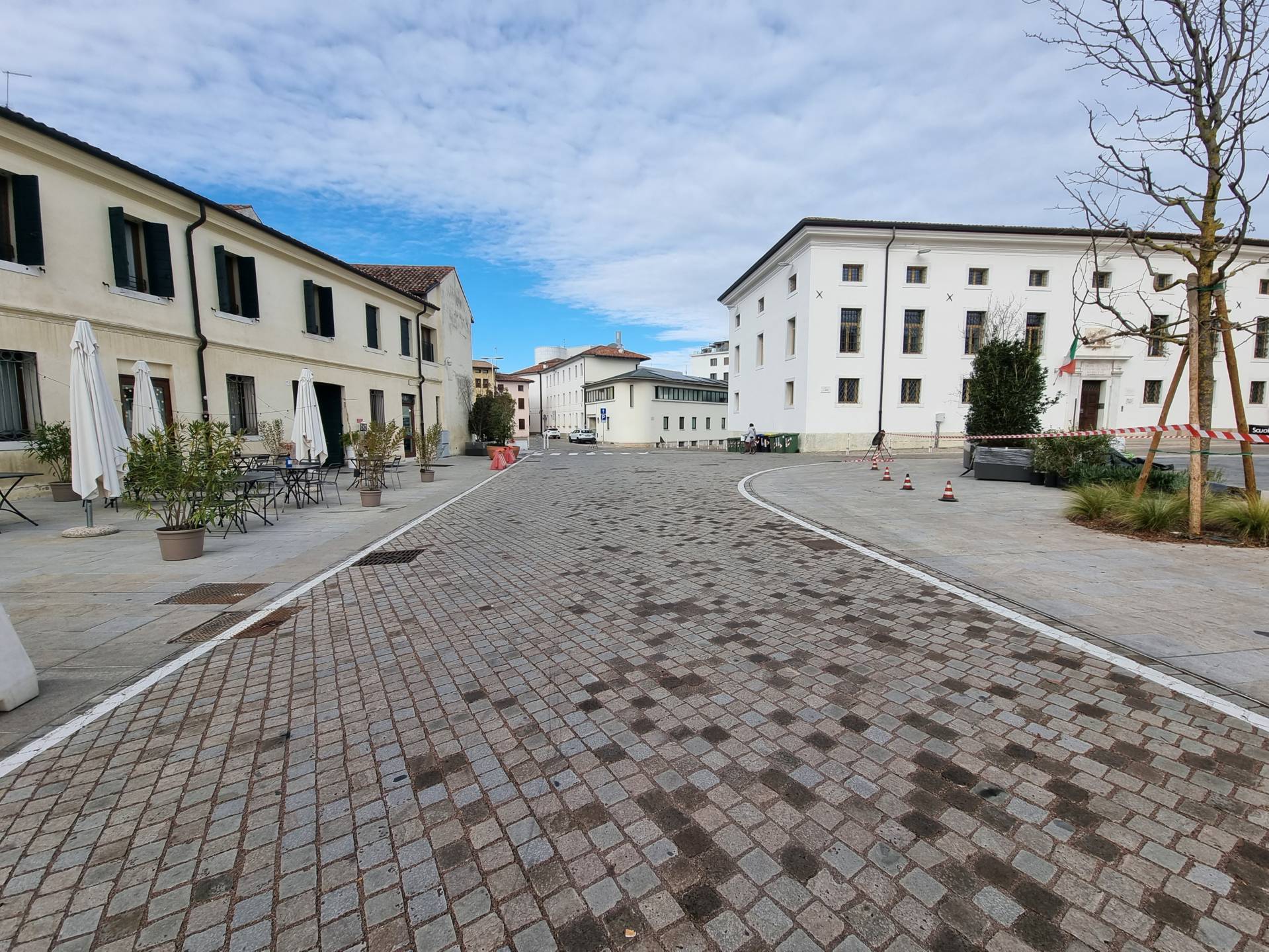
Photo 21 - Piazza della Motta
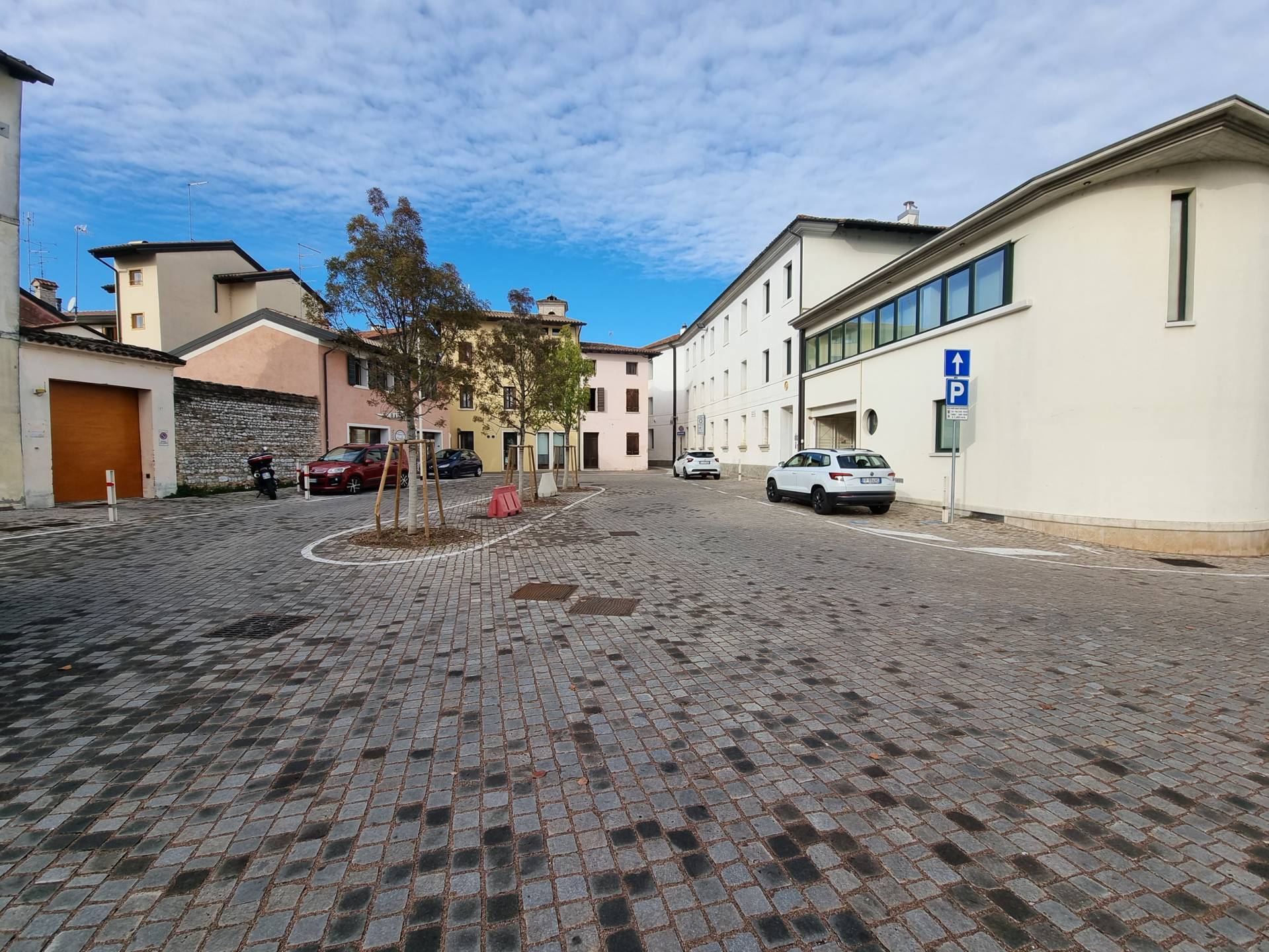
Photo 22 - Piazza Ospedale vecchio
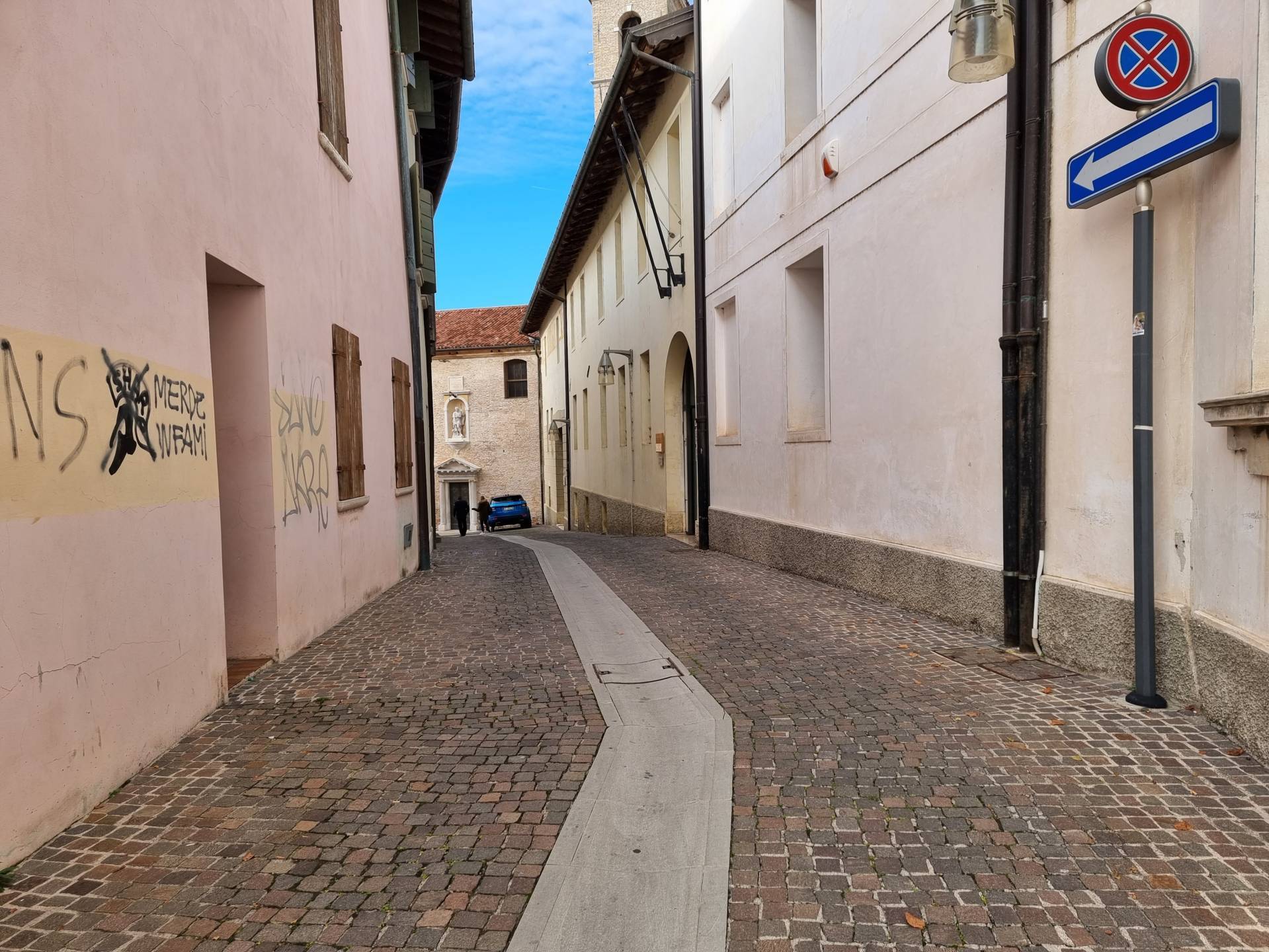
Photo 23 - Piazza del Cristo
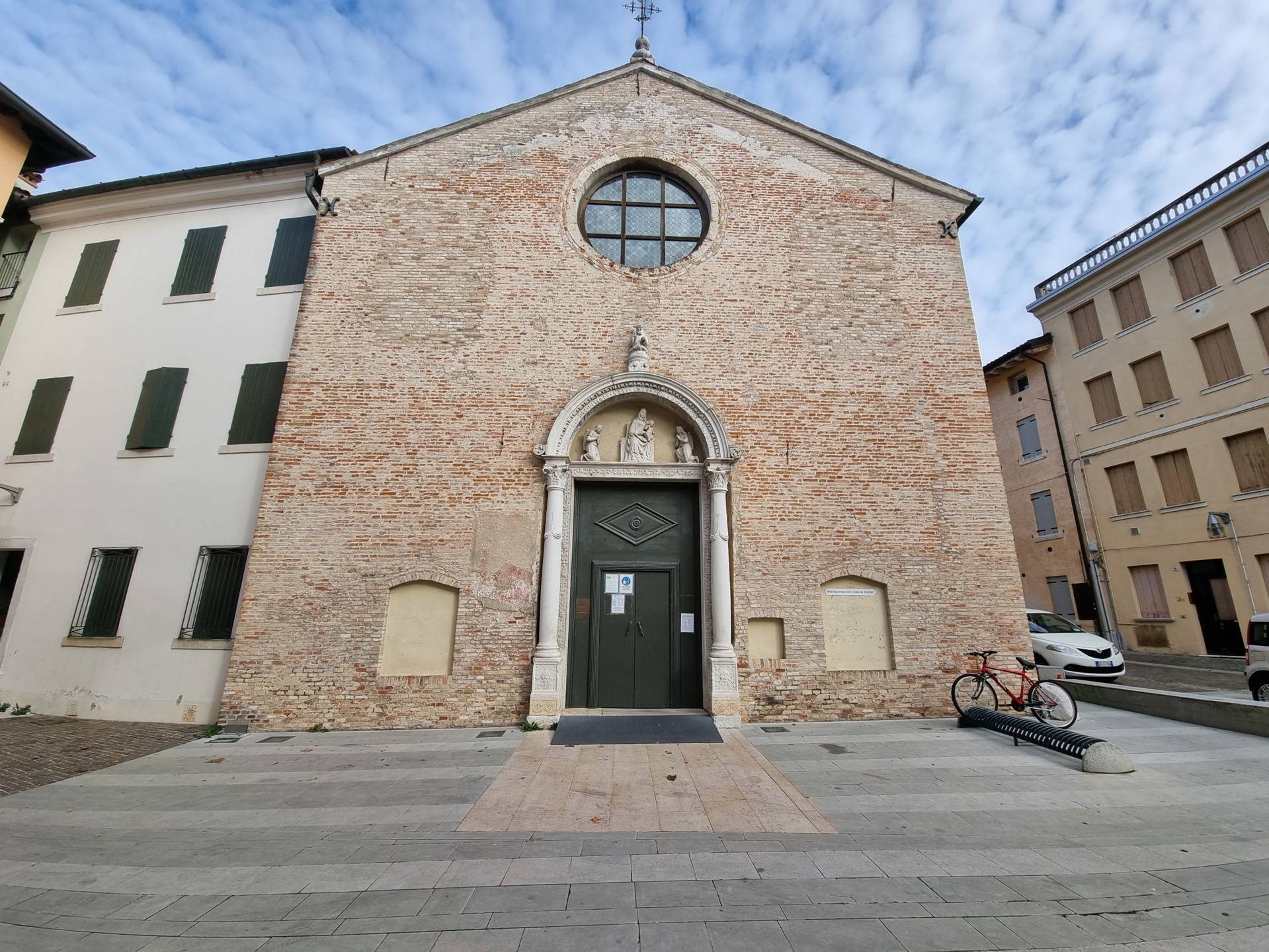
Photo 24 - church of Santa Maria degli Angeli
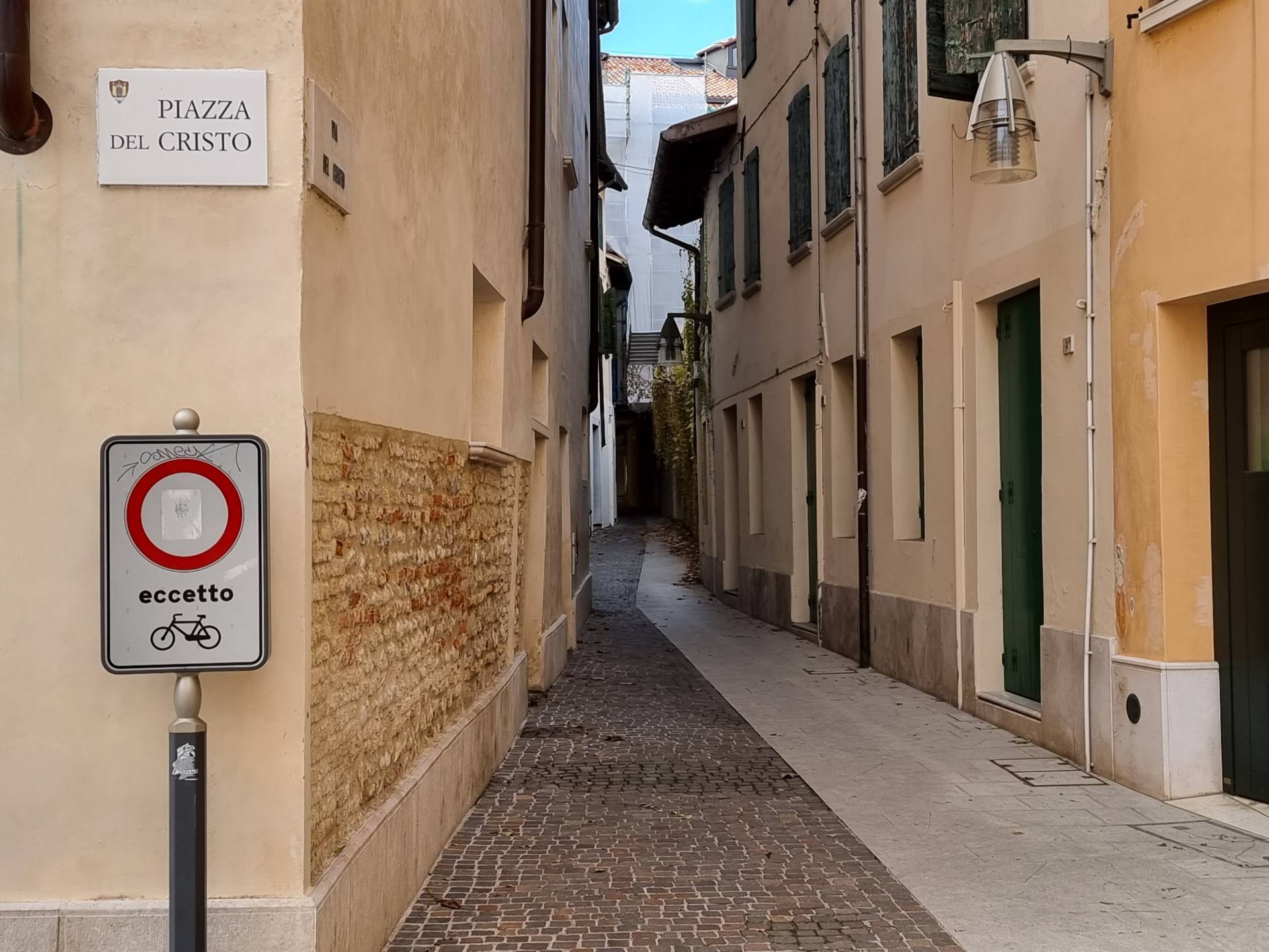
Photo 25 - Via del Cristo
At the end of Via del Cristo, we again reach Corso Vittorio Emanuele and continue in a northerly direction, turning right along the porticoes of Via Battisti towards the Green Theatre (Photographs 26-27). There are two parking spaces reserved for people with disability at the Theatre. The paving is made of rectangular slabs of stone mixed with porphyry cubes, with a smooth, even surface. The street is closed to vehicular traffic and is on a slight slope (Photograph 28).
At the end of Via Battisti, the pavement is asphalt, with some unevenness and a slight downward slope, and the crossing in front of the Teatro Green and in the direction of Piazzale XX Settembre is located, with a connecting threshold towards the porticoes of Viale XX Settembre equal to approximately 2 centimetres and a stormwater drainage channel in correspondence with the Theatre. The pedestrian crossing is on paved zebra crossings (Photograph 29).
La pavimentazione sotto i portici in Piazzale XX Settembre è ampia, in pietra, senza dislivelli e con finitura liscia (Photo 30-31). In alcuni tratti è riscontrabile una leggera pendenza in salita. Si prosegue così fino a raggiungere nuovamente Piazza Cavour e via Mazzini, inizio del percorso (Photo 32).

Photo 26 - itinerary to the theatre
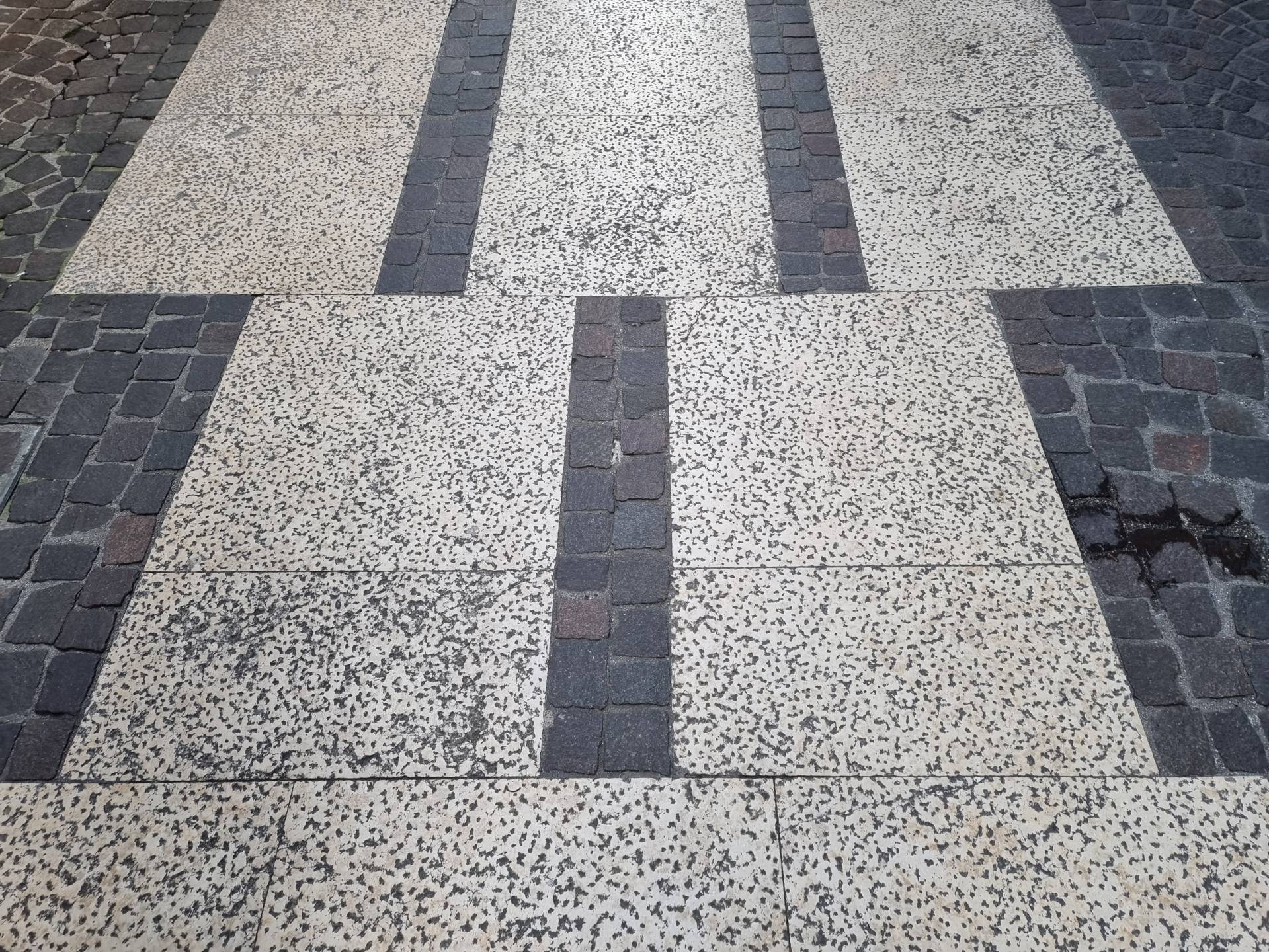
Photo 27 - path on stone and porphyry
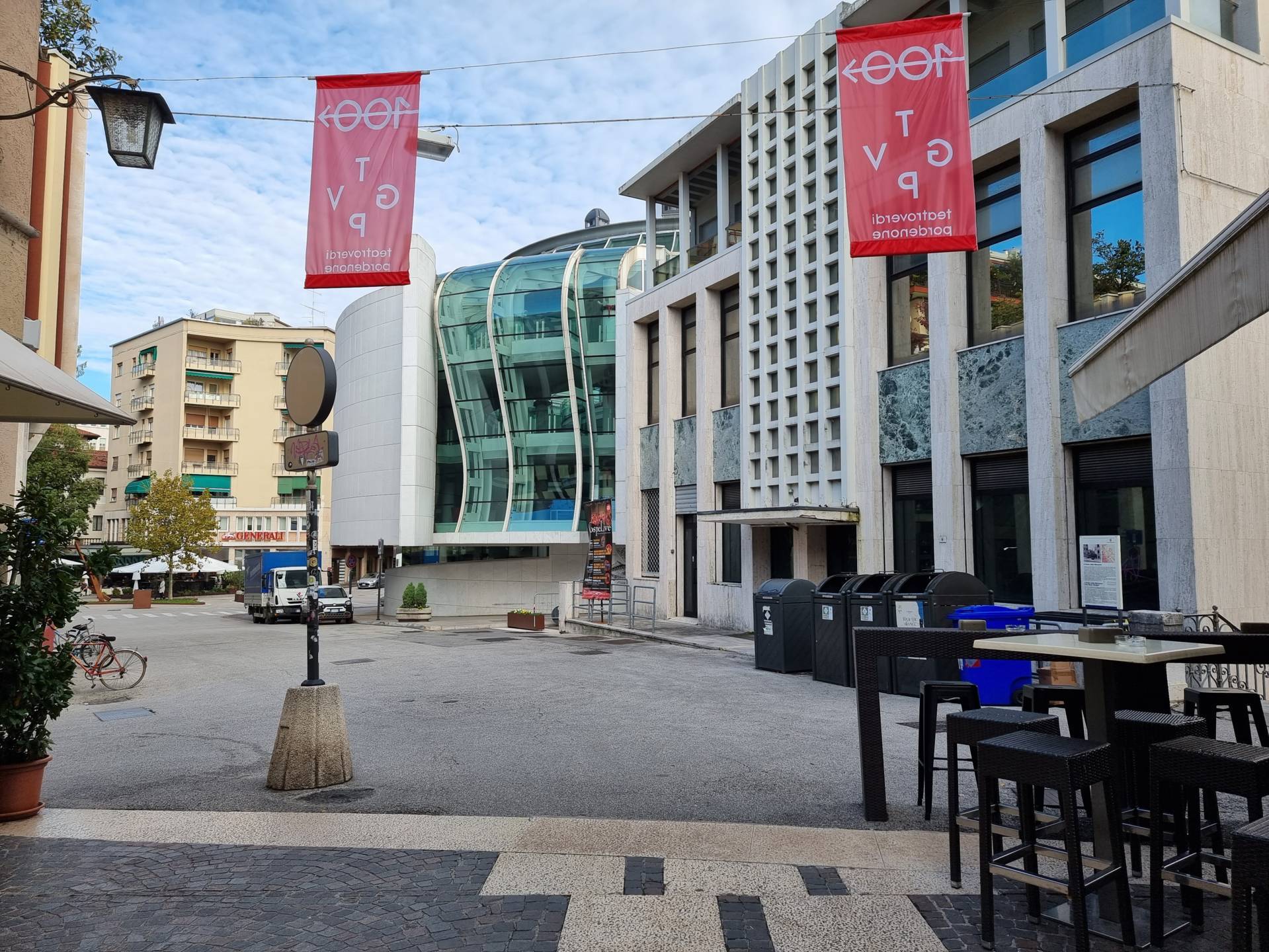
Photo 28 - view of the verdi theatre
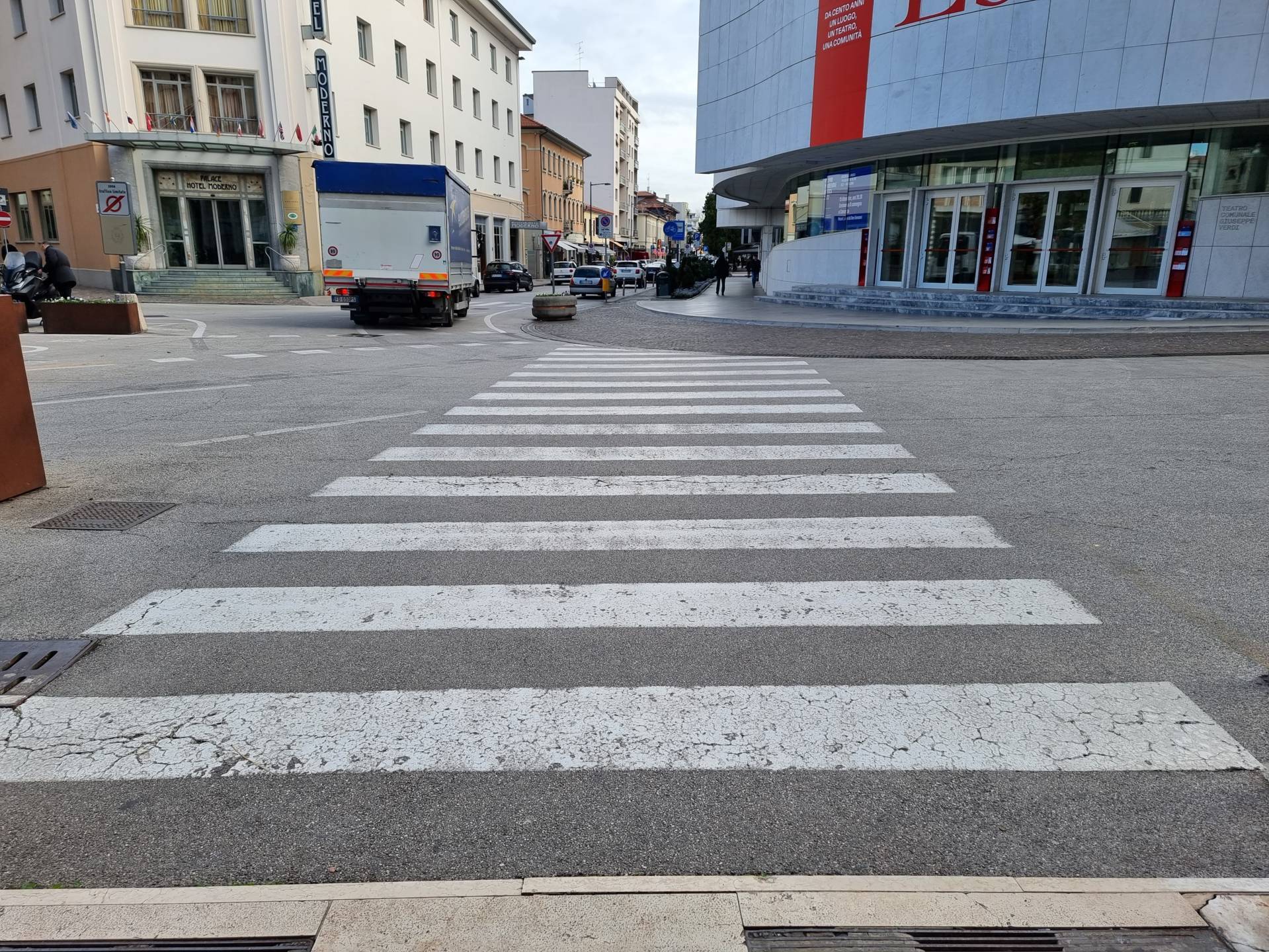
Photo 29 - crossing near the theatre
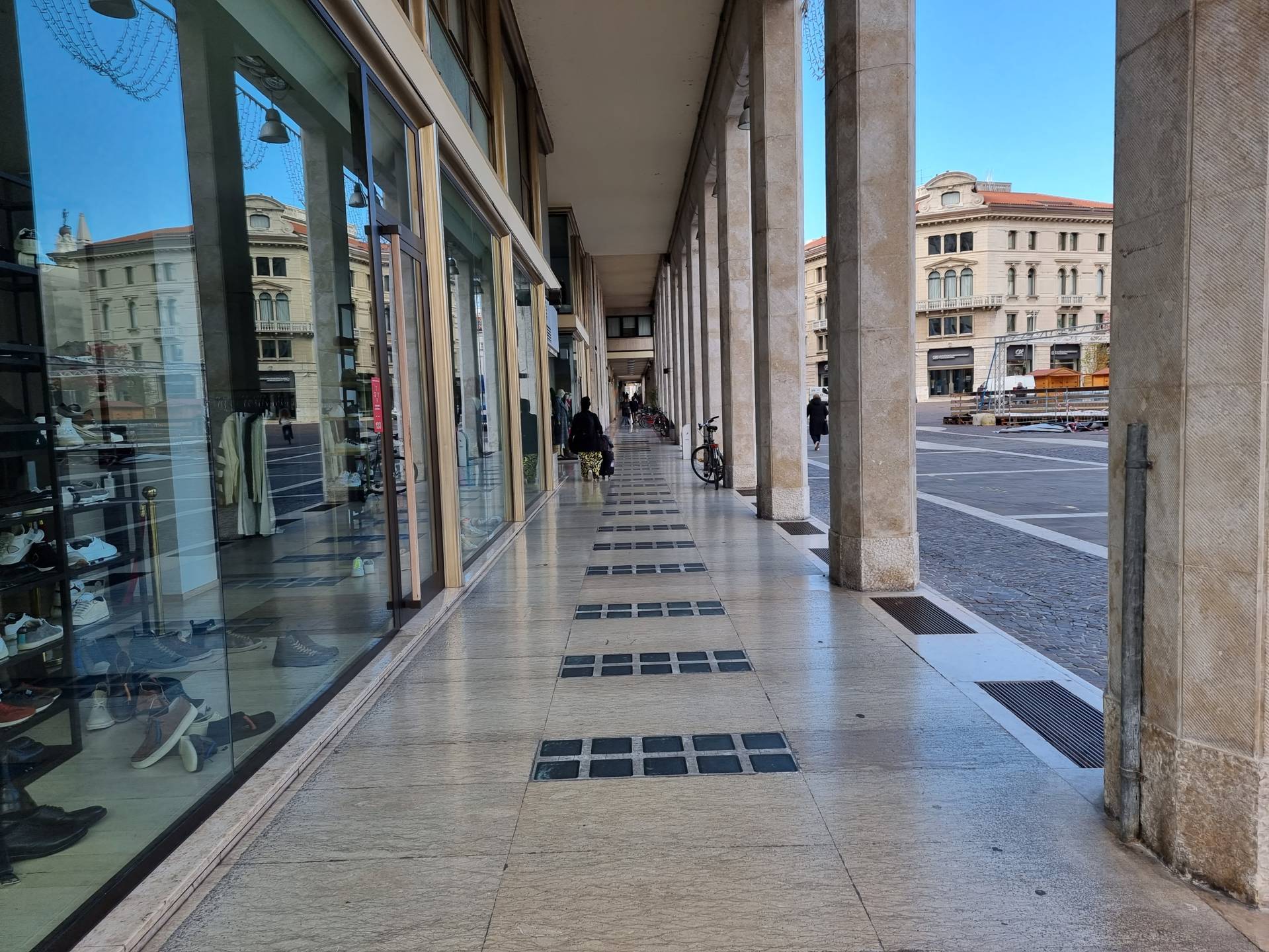
Photo 30 - itinerary under the arcades of Piazza XX Settembre

Photo 31 - Piazza XX Settembre
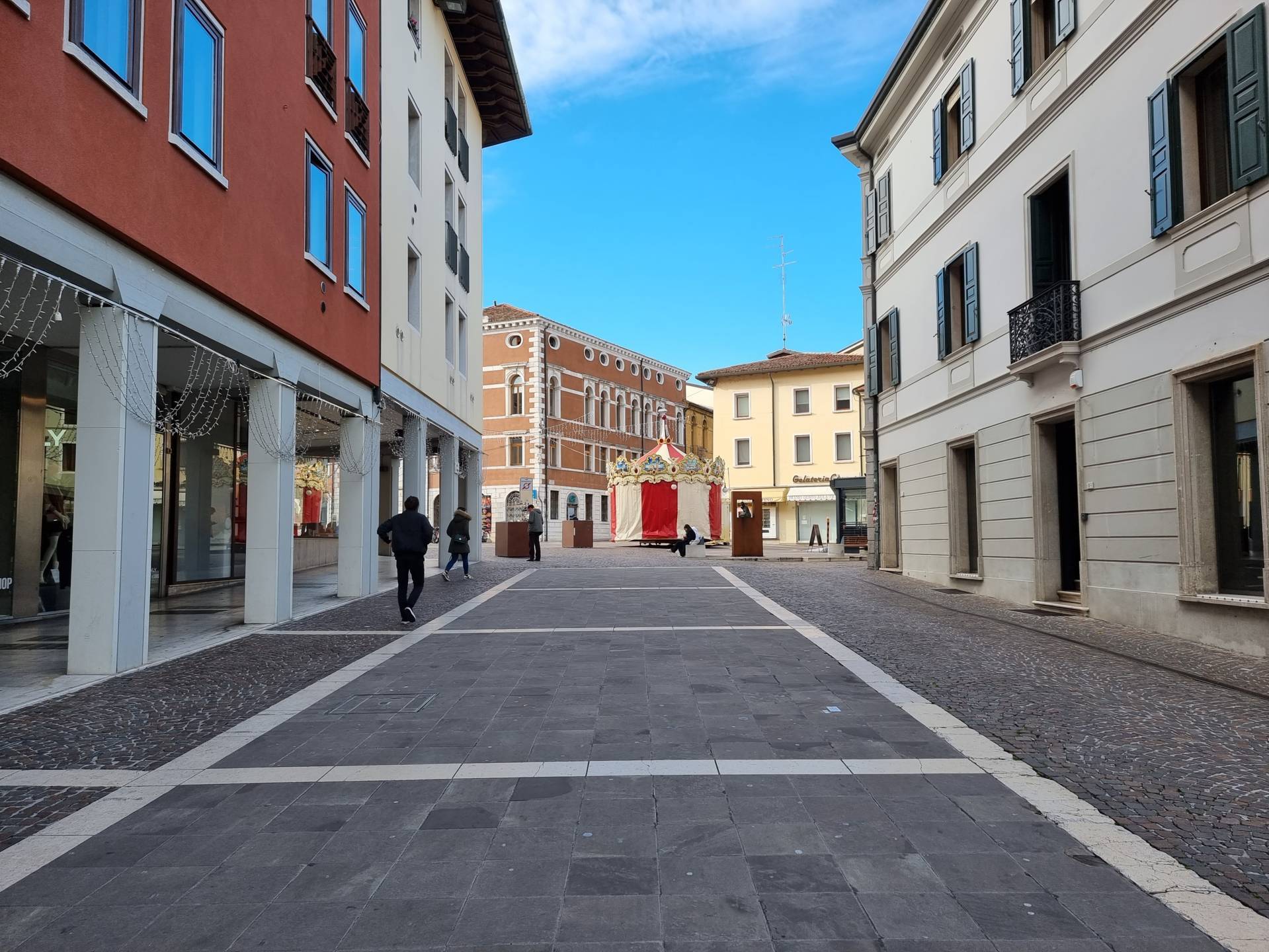
Photo 32 - route to Piazza Cavour
2.1
/3
2.5
/3
2.4
/3
2.1
/3
1.8
/3
1.8
/3
2.0
/3
3
/3
2.1
/3
2.9
/3
2.6
/3
1.7
/3
2.8
/3
2.7
/3
1.7
/3
2.0
/3
1.6
/3
1.8
/3
2.0
/3
2.4
/3
2.2
/3
2.8
/3
1.6
/3
2.5
/3
2.8
/3
1.8
/3