 MAP
Monfalcone - Visit route

Sea
GENERAL INFORMATION
LAST INSPECTION DATE
09/11/2023
PLANNED ITINERARY
Monfalcone - Visit route
LENGTH
3715 meters
DEPARTURE
Square of Resistance
The path continues turning right onto Via Plinio with a sidewalk in the same conditions described previously, with a width of 1.45 meters and a slope of 3% (Photo 4). The sidewalk ends and one must cross the road without pedestrian crossings; there are Loges modules present (Photo 5). On Via Plinio, at the intersection with Via XXV Aprile, there is a parking space reserved for people with disabilities (Photo 6). The path continues with the pedestrian crossing on Via XXV Aprile, on an asphalt surface, fairly regular with white stripes and connected to the roadway - and the presence of Loges modules (Photos 7-8). It is recommended to continue the path using the pedestrian crossing on Via Plinio and continuing on the left sidewalk. The crossing occurs on a flat asphalt surface with slightly faded stripes and is connected to the sidewalk. The left sidewalk is flat, with a concrete surface and a width of 1.40 meters, with narrowing due to the presence of lighting poles (Photos 9-10).
The path continues turning left into the pedestrian area of Piazza Cavour and then proceeds on the detour towards Piazza della Repubblica. Piazza Cavour is a pedestrian area with porphyry blocks and lateral bands in white stone, with a regular and homogeneous surface (Photo 11). The center of the square changes pavement and becomes white stone, and at the intersection with Via Cesare Battisti, the pavement is slightly uneven due to wear over time but still passable (Photo 12). The path continues on Via Cesare Battisti, which has the same pavement conditions described previously with porphyry and lateral bands in stone.
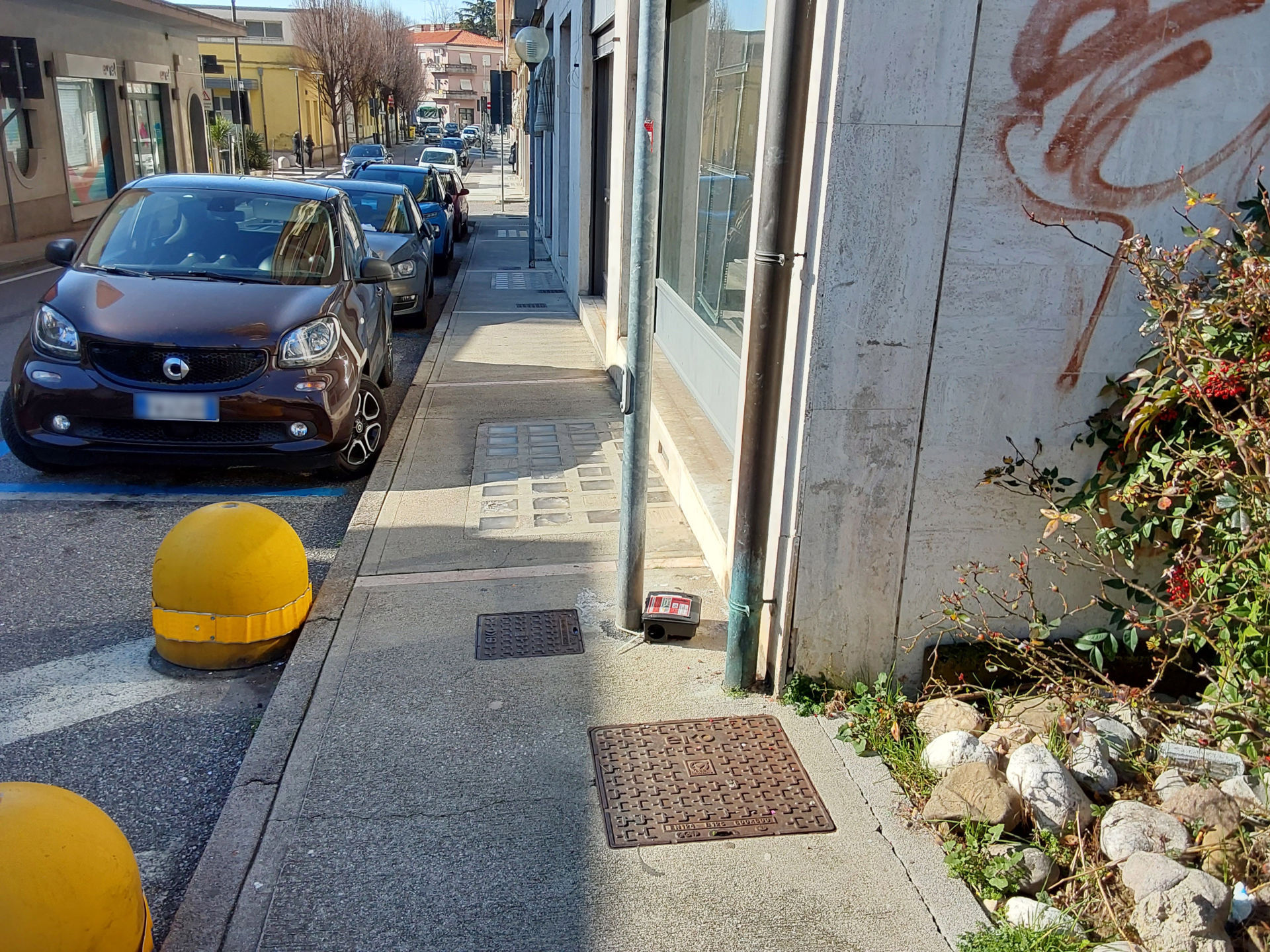
Photo 4 - Path on Via Plinio
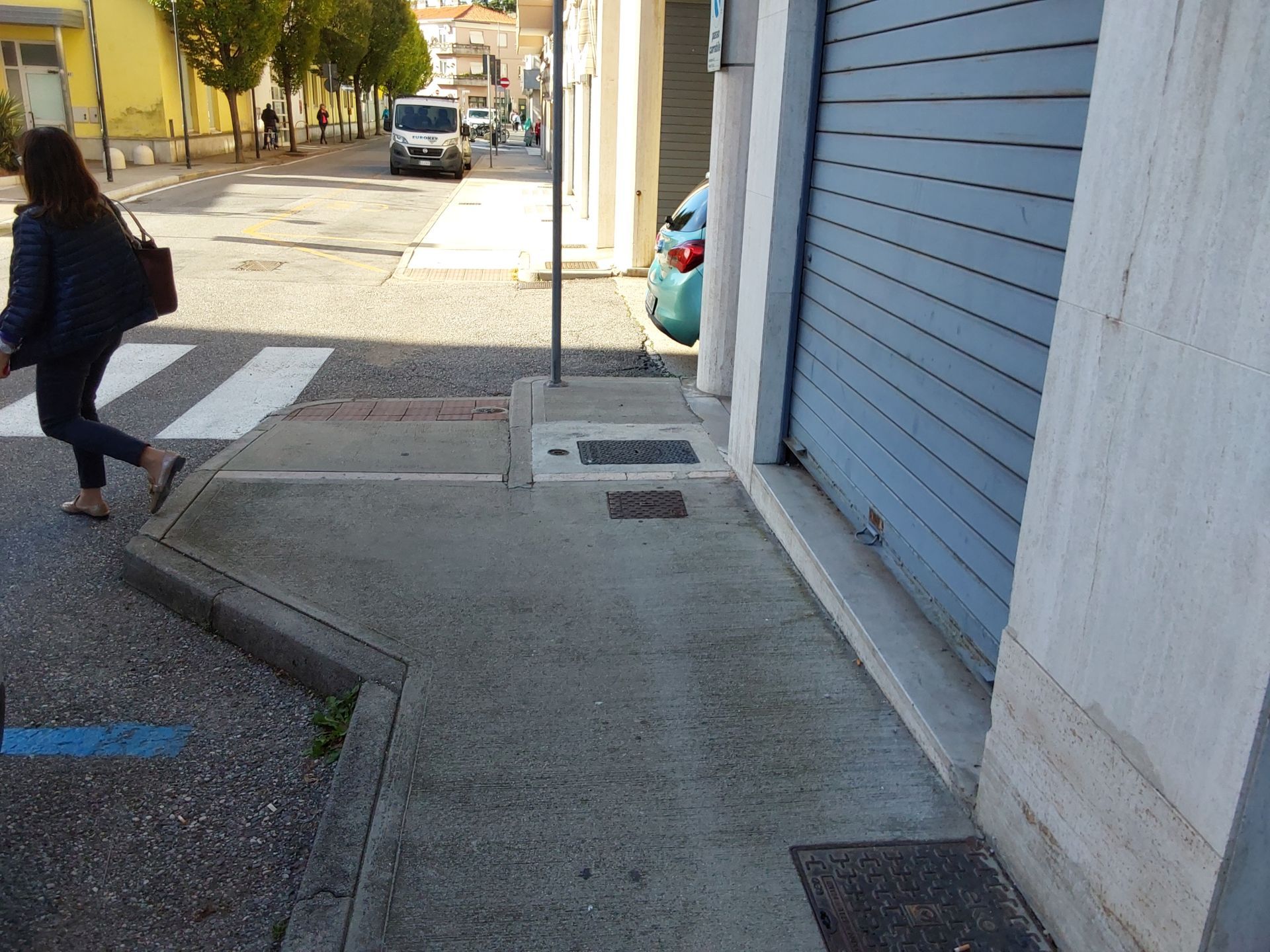
Photo 5 - Sidewalk interruption with Loges
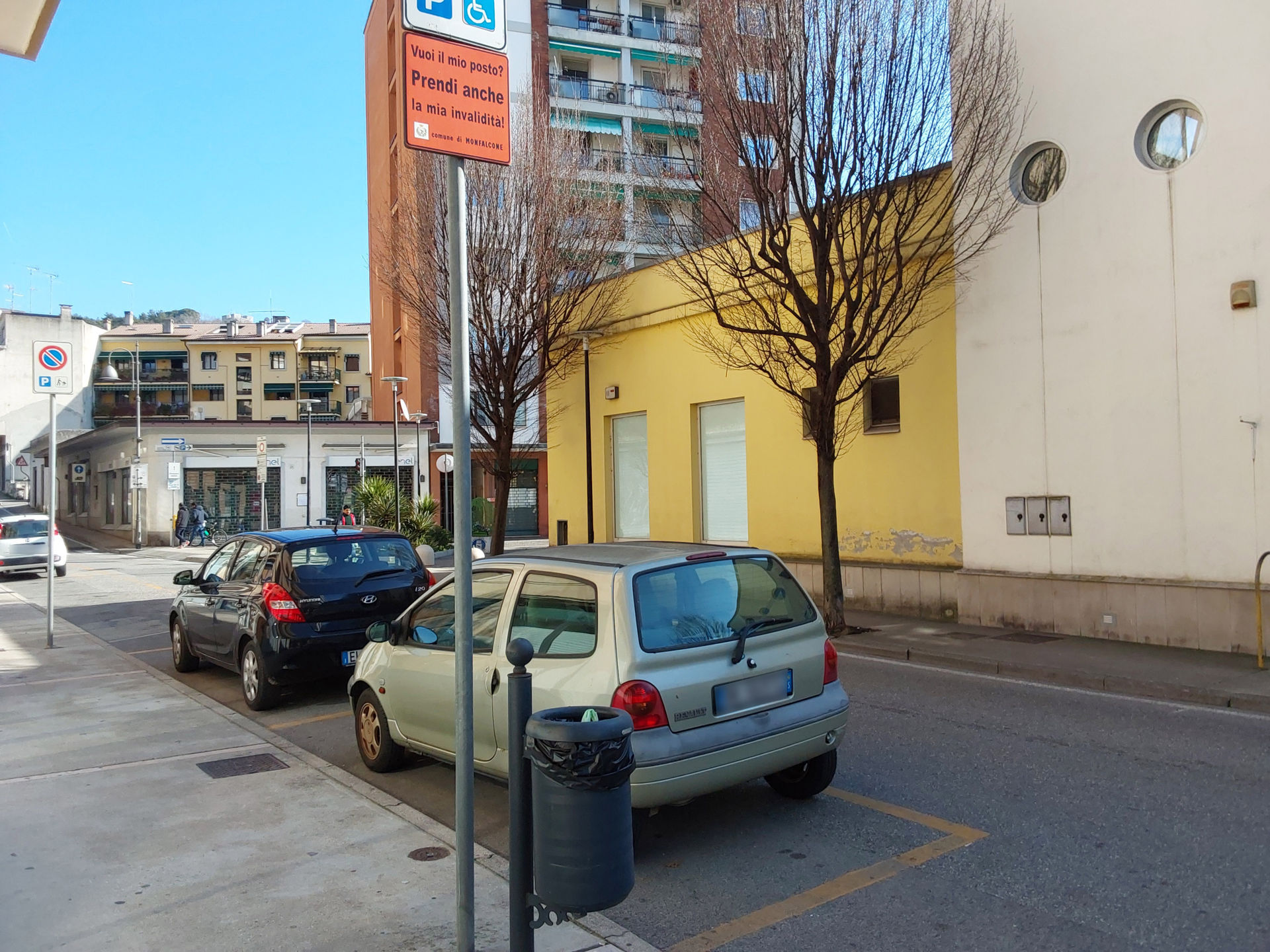
Photo 6 - Reserved parking for people with disabilities
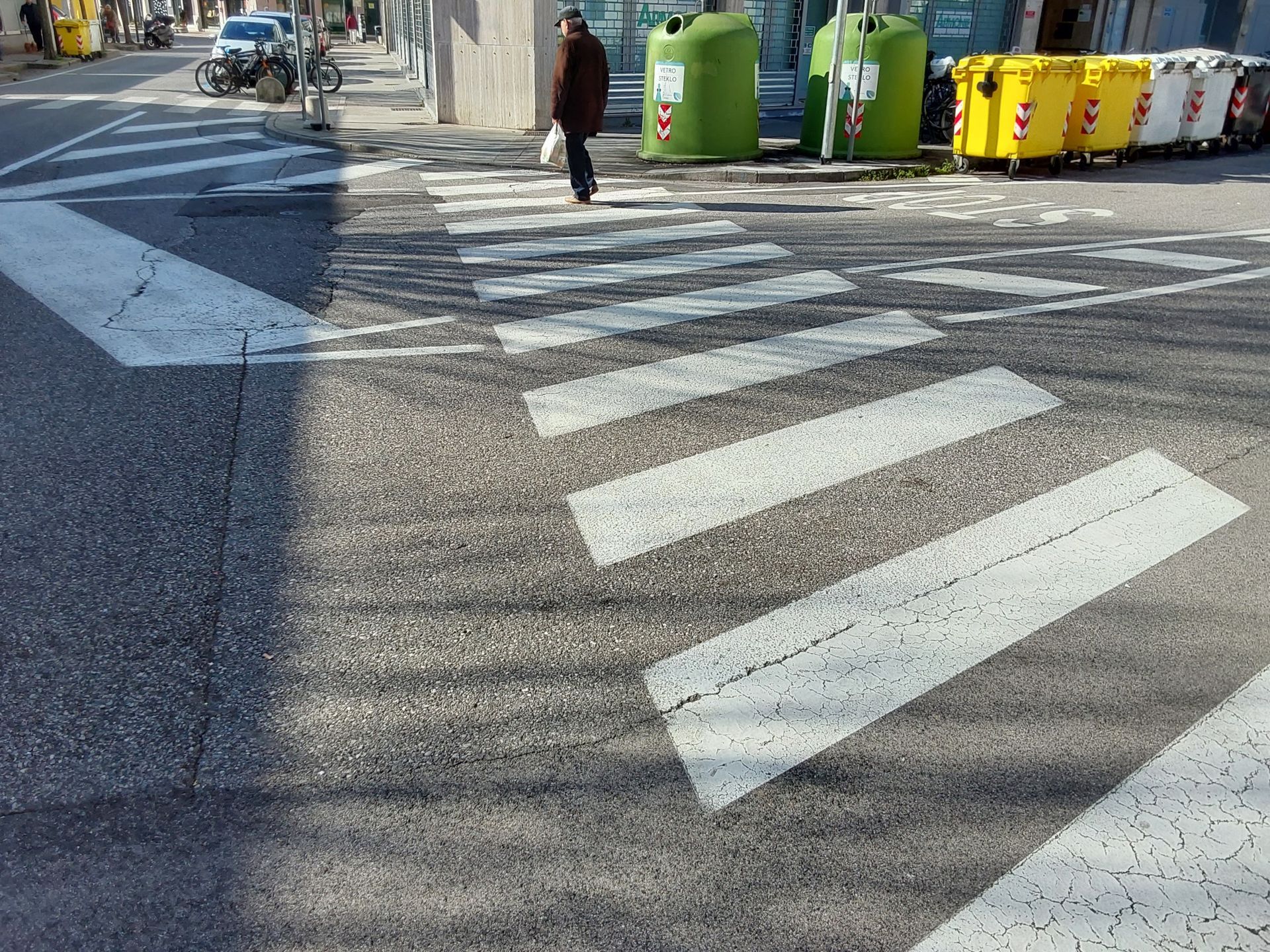
Photo 7 - Crossing on Via XXV Aprile
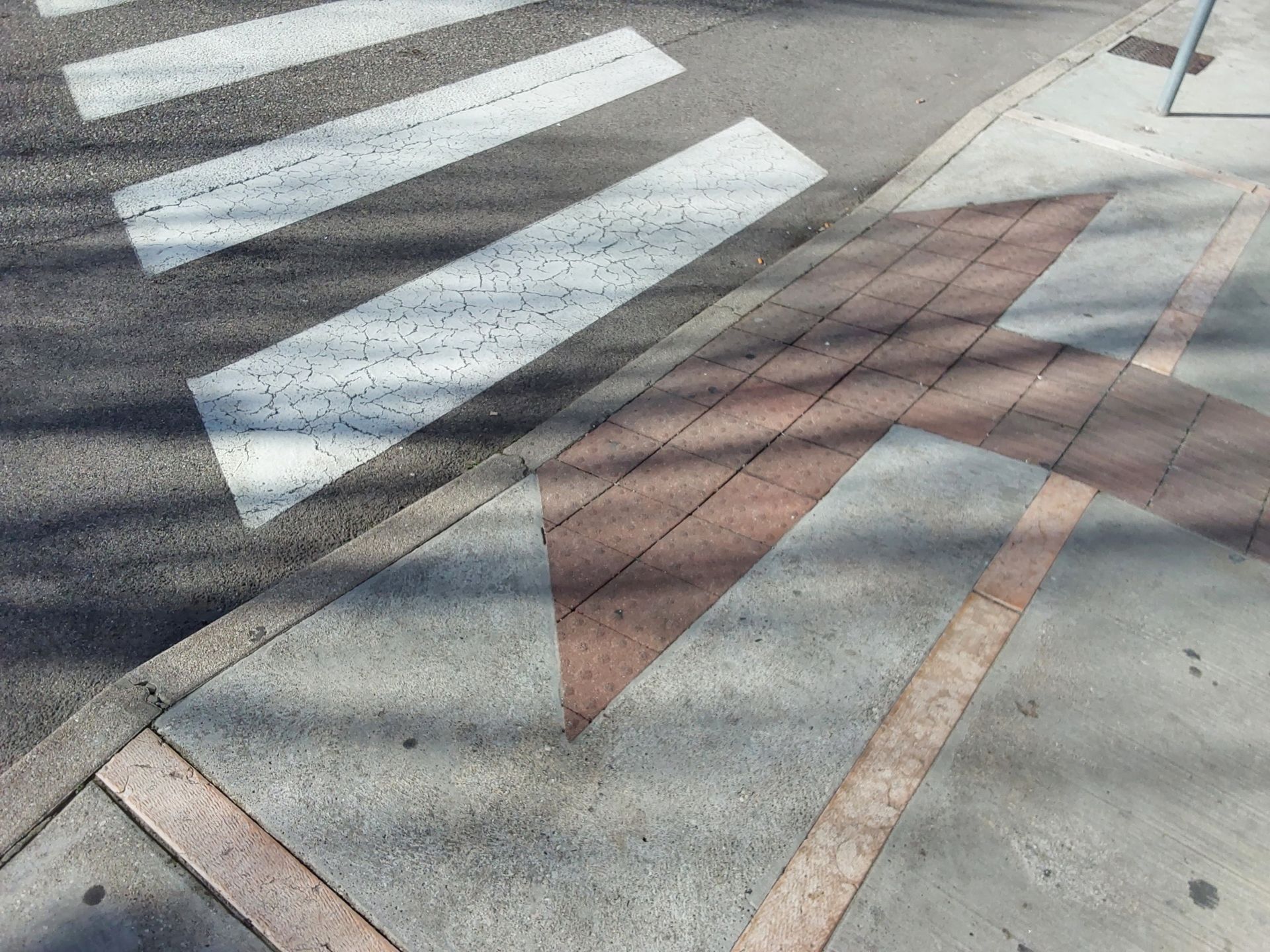
Photo 8 - Ramp detail
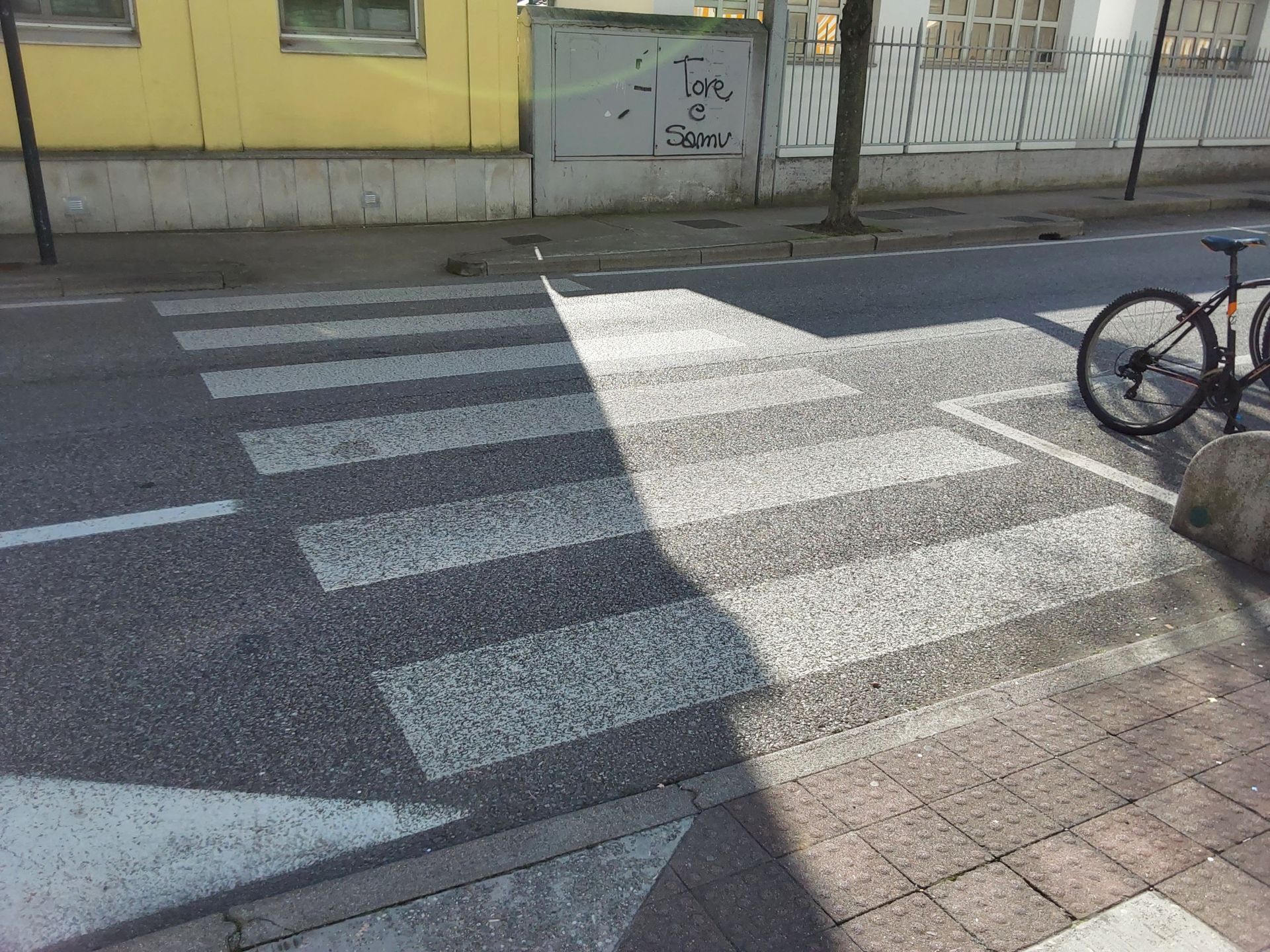
Photo 9 - Crossing on Via Plinio
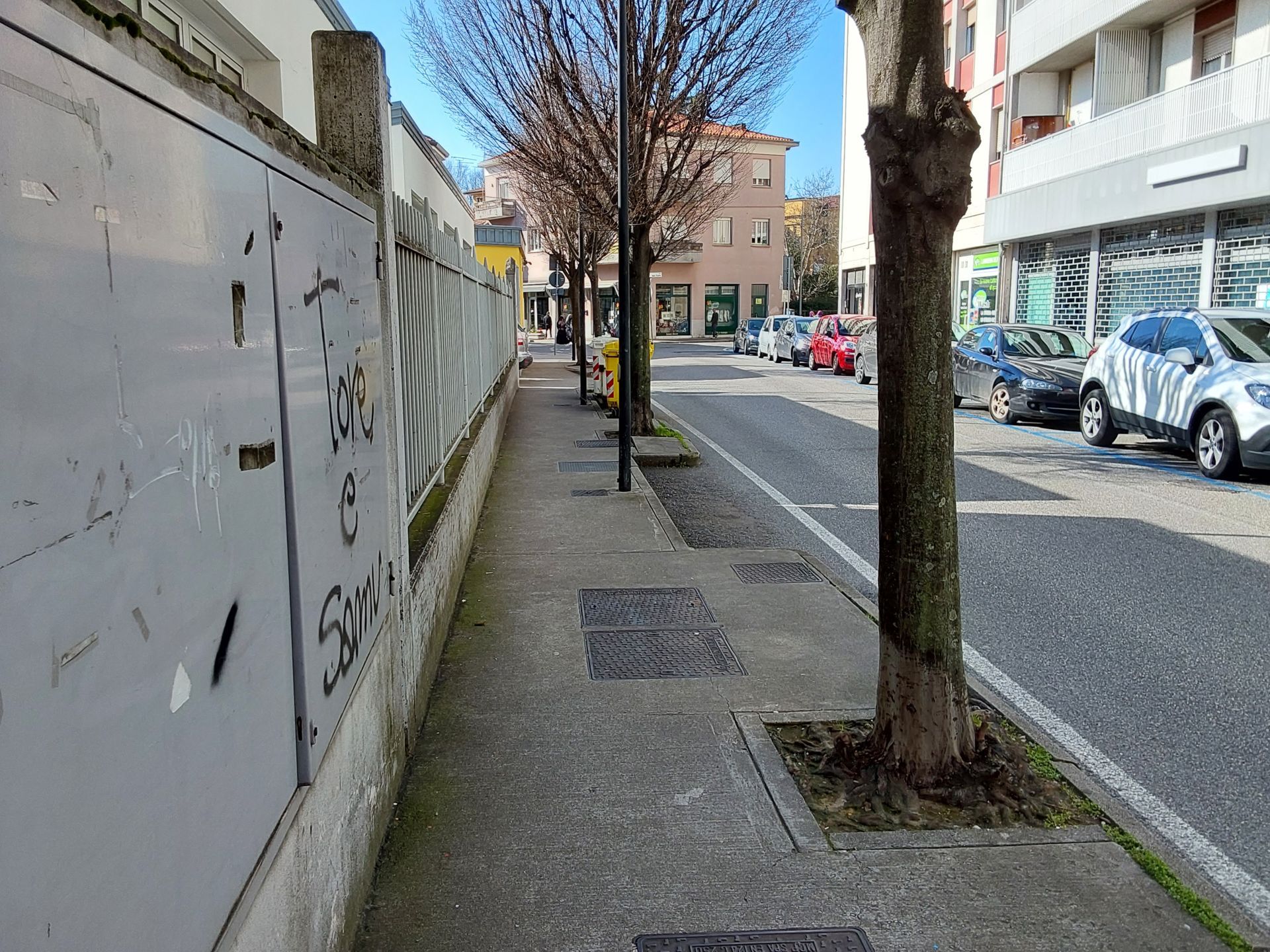
Photo 10 - Left sidewalk on Via Plinio
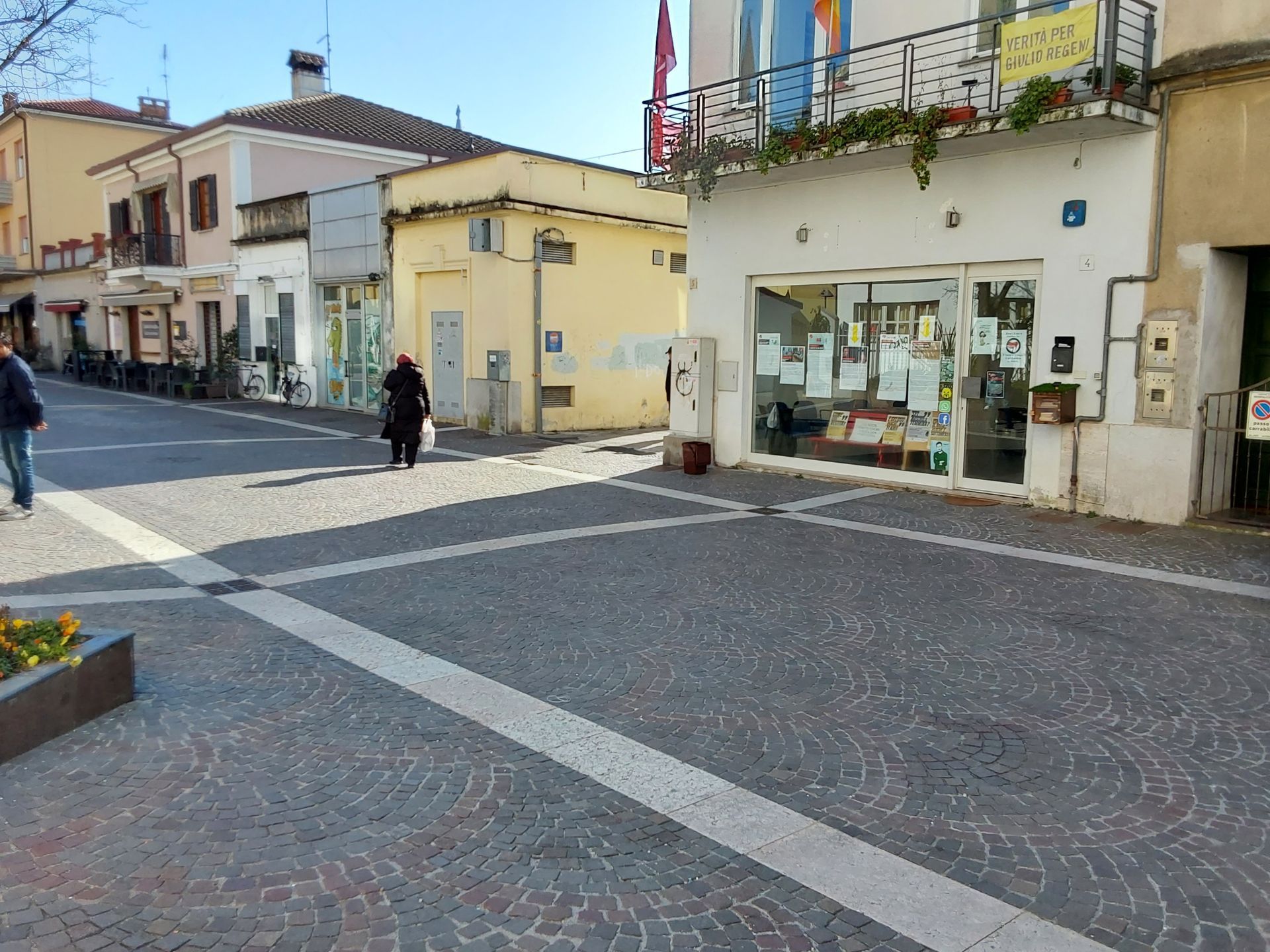
Photo 11 - Piazza Cavour
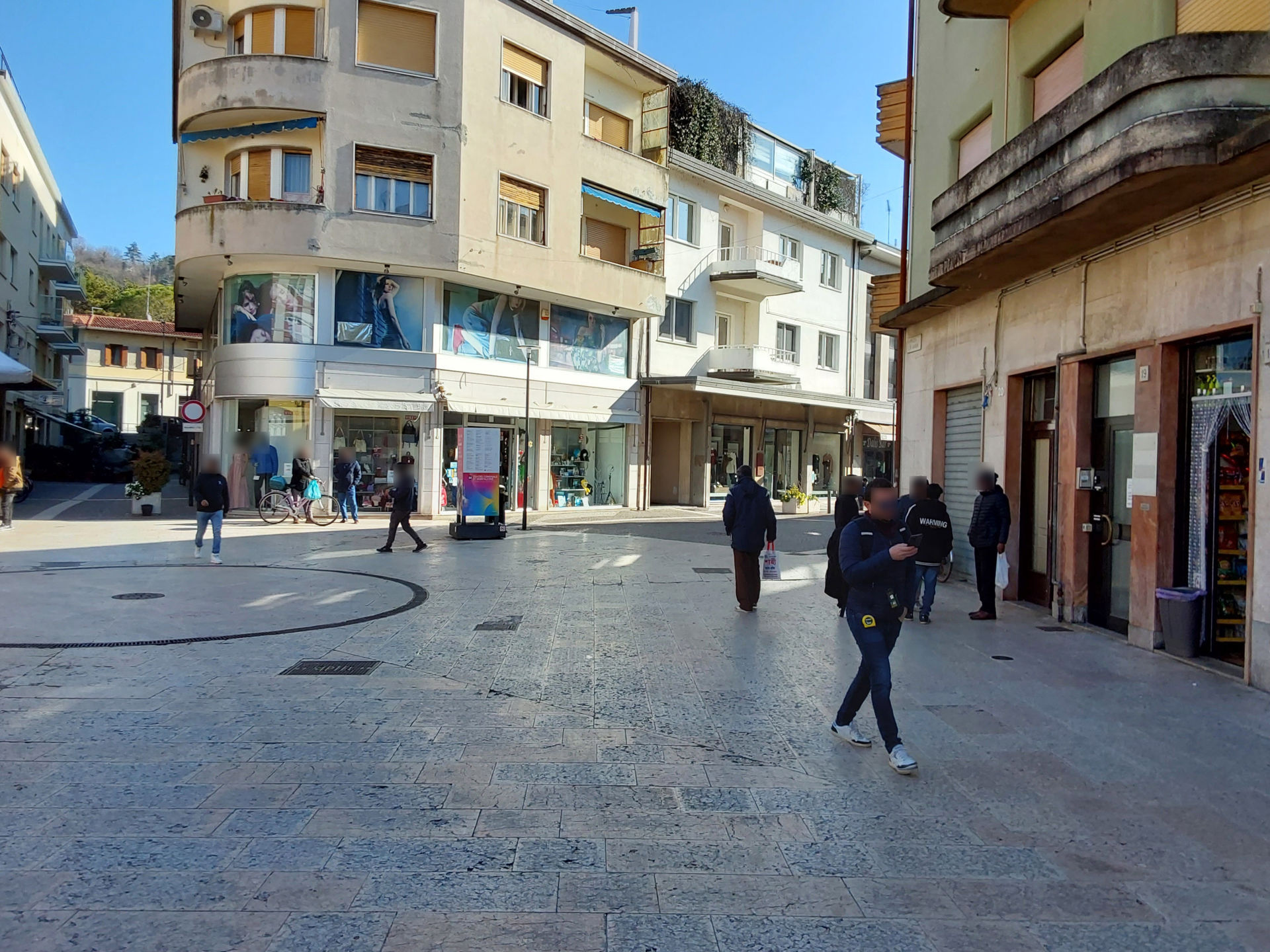
Photo 12 - Change of pavement in Piazza Cavour
The alternative route to reach Piazza della Repubblica involves continuing on via Oberdan and passing through via Duca D'Aosta to reach the Piazza. The left sidewalk has a regular and homogeneous paving in porphyry with lateral stone strips and a width of 2.40 meters in slight counter-slope (Photo 13). You continue turning onto Via Duca D'Aosta where the paving is the same but the width is very wide reaching 4.85 meters (Photo 14). Some flower pots and bollards narrow the passage which remains wide (Photo 15). On via Duca D'Aosta there is a parking space reserved for people with disabilities (Photo 16). You arrive at Piazza della Repubblica which has regular paving recently completed, in light stone with contrasting lateral strips in porphyry (Photo 17).
The route can continue on Via Sant'ambrogio on the left side of the municipality towards the Cathedral. The paving of the street has three white strips and a base in slightly uneven porphyry (Photo 18). In the middle of the street, there is a large square and on the right, we find the Cathedral of Sant'Ambrogio, with a side entrance and access ramp (Photo 19). On the other side of the Church, there is a parking space for people with disabilities. At the back of the Church, you can continue the visit route in the underpass that leads to Corso del Popolo with a connected path in stone and porphyry (Photo 20-21).
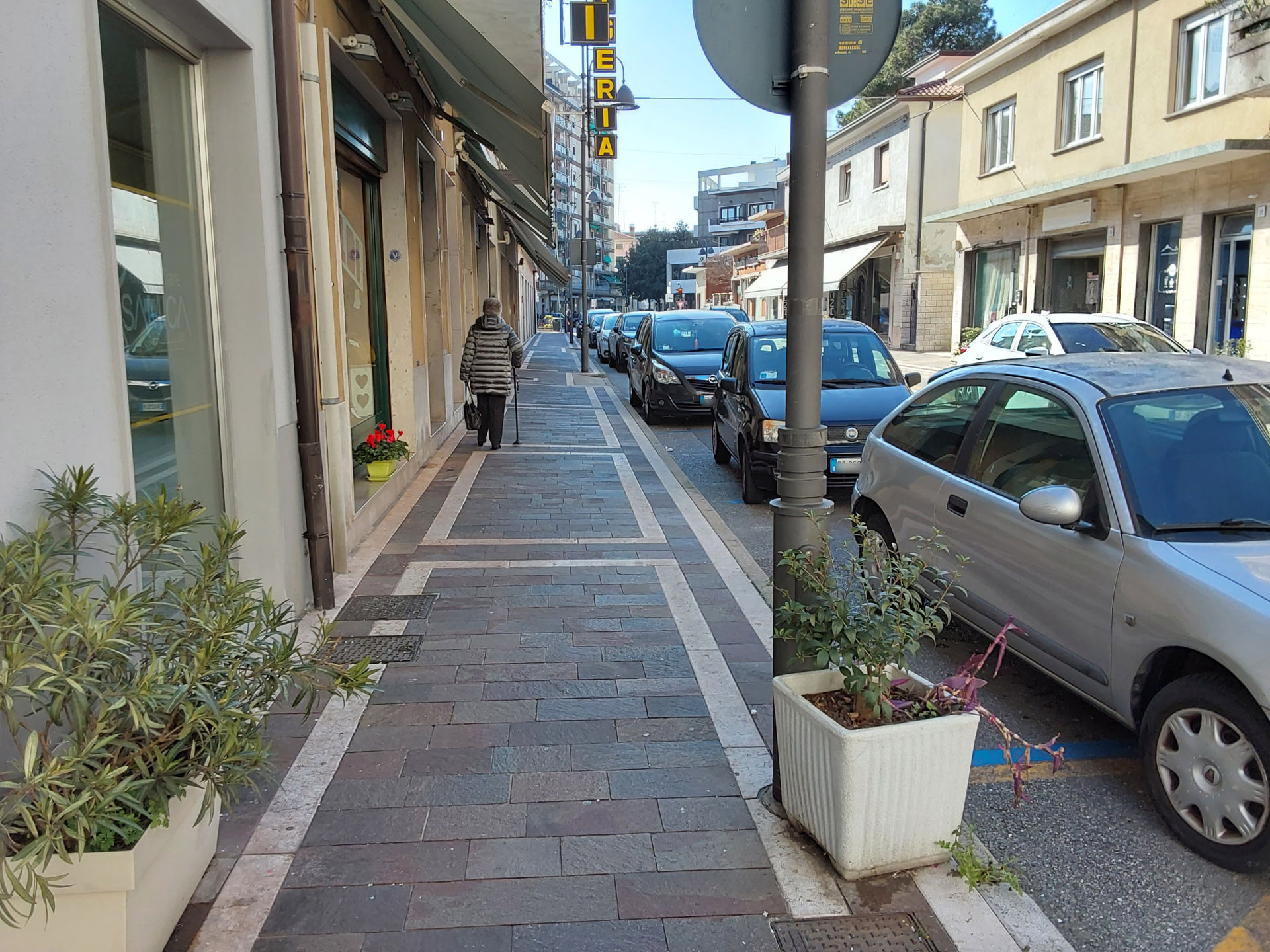
Photo 13 - Left sidewalk on via Oberdan
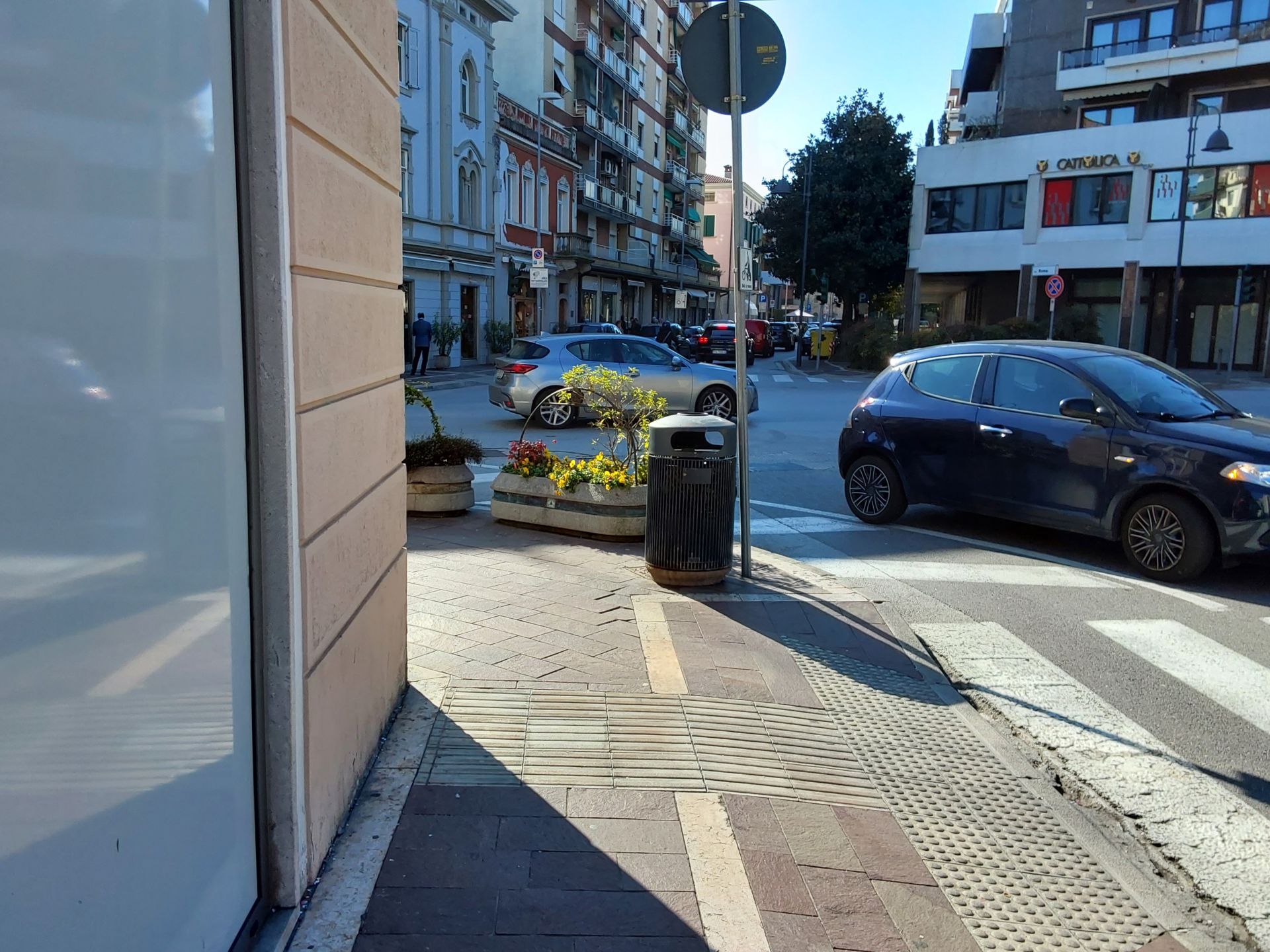
Photo 14 - Turn left onto via Duca d'Aosta
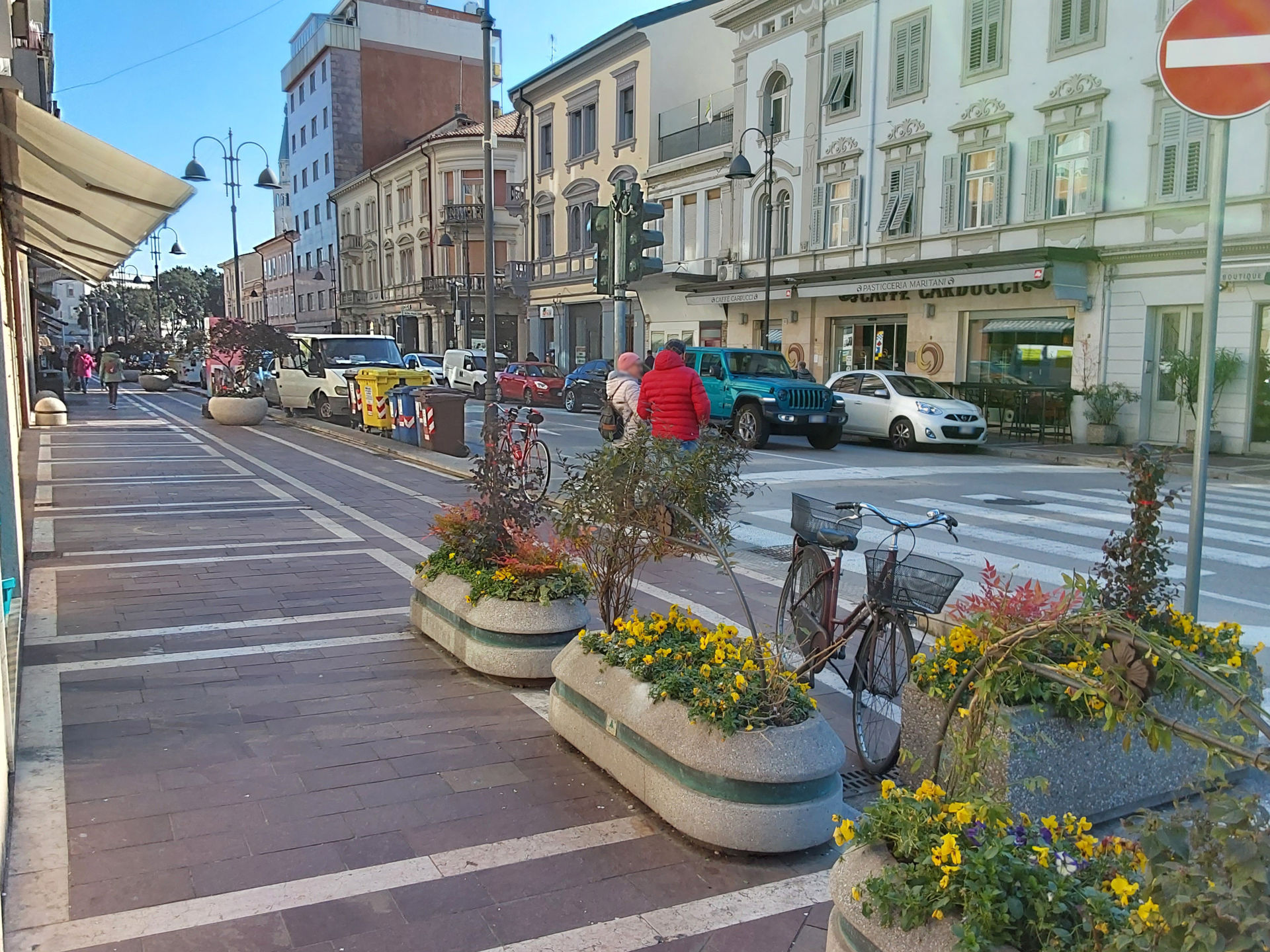
Photo 15 - Flower beds on via Duca D'Aosta
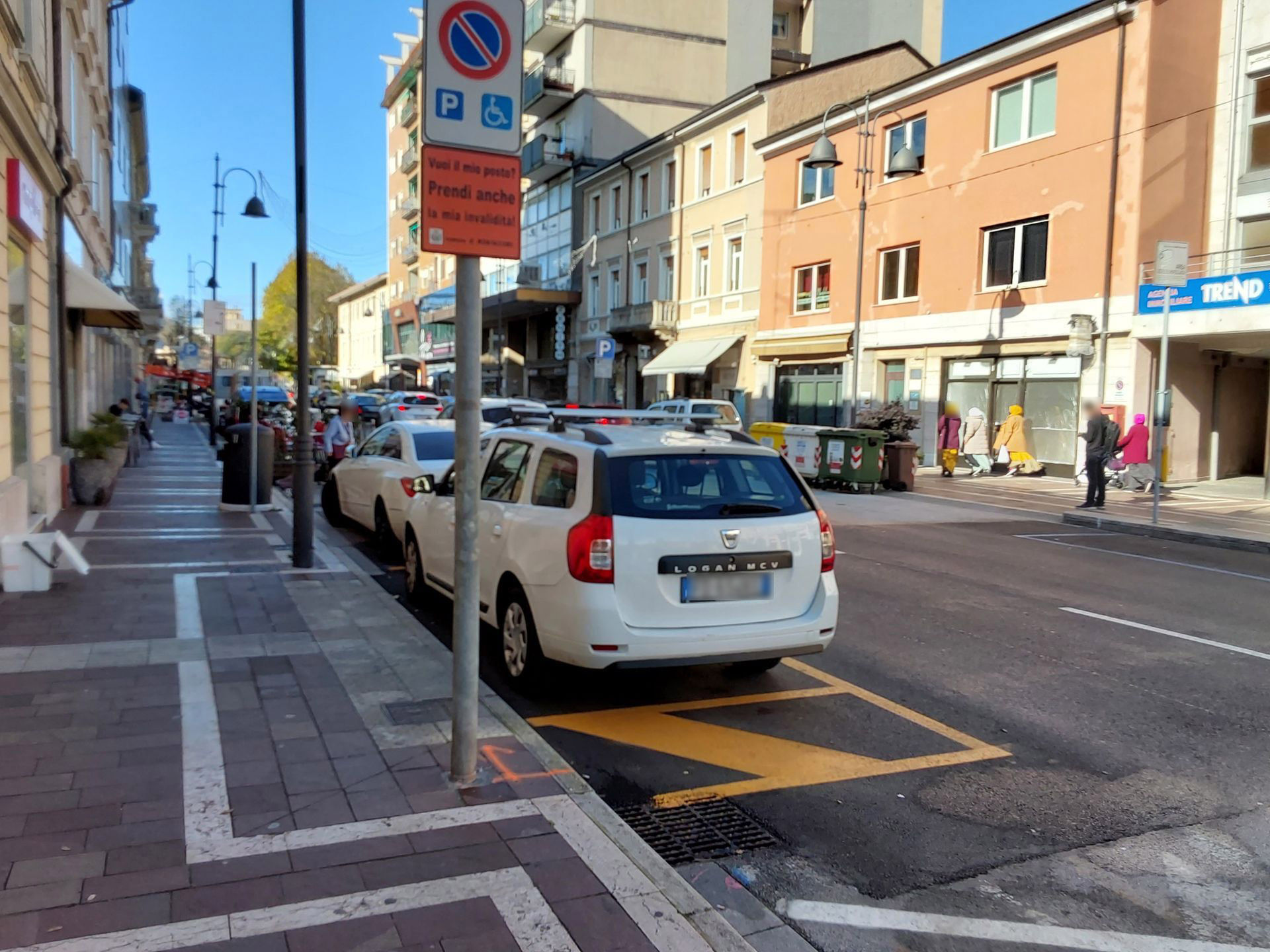
Photo 16 - Parking space reserved for people with disabilities
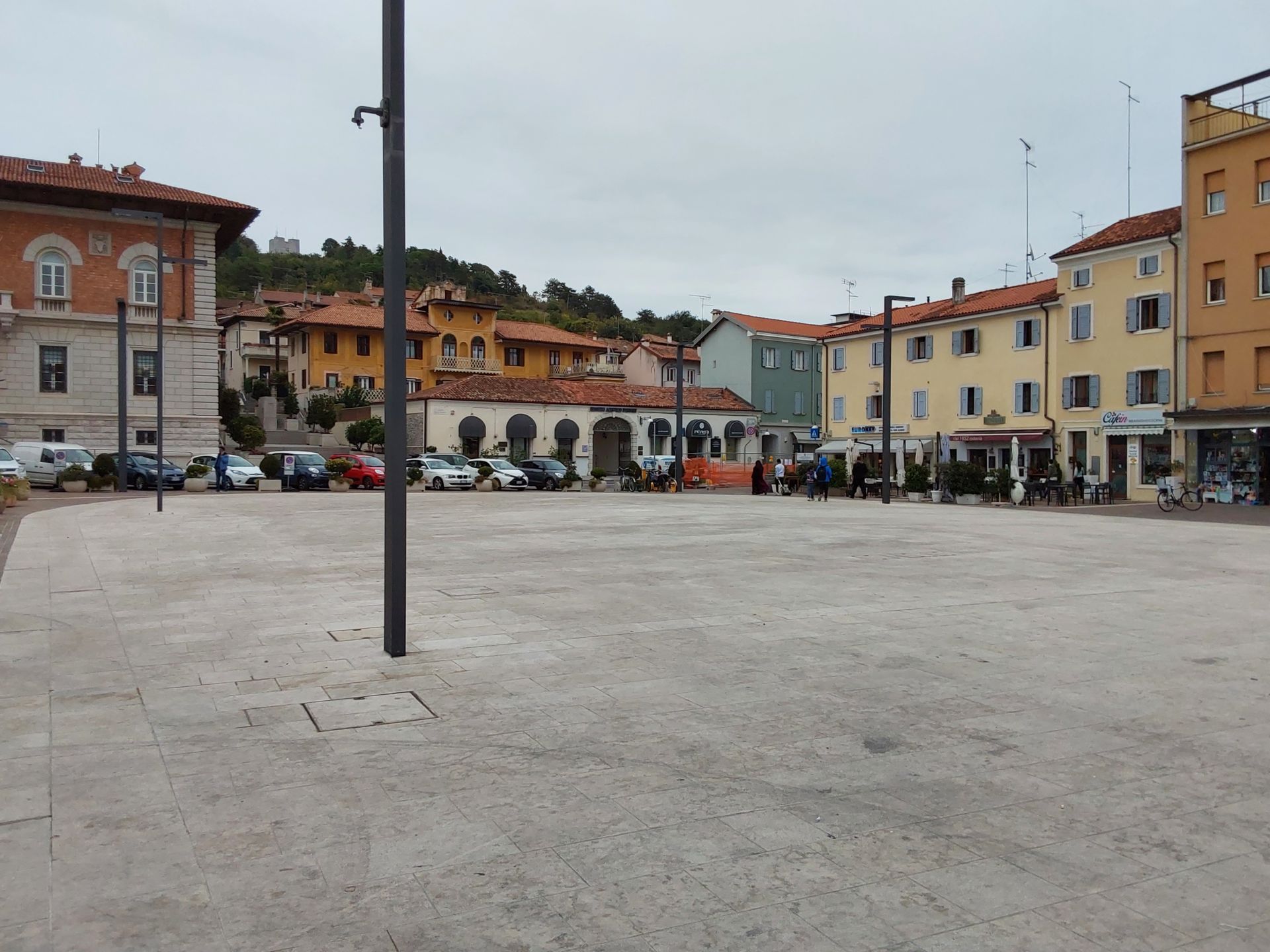
Photo 17 - Piazza della Repubblica

Photo 18 - Paving on via Sant'Ambrogio
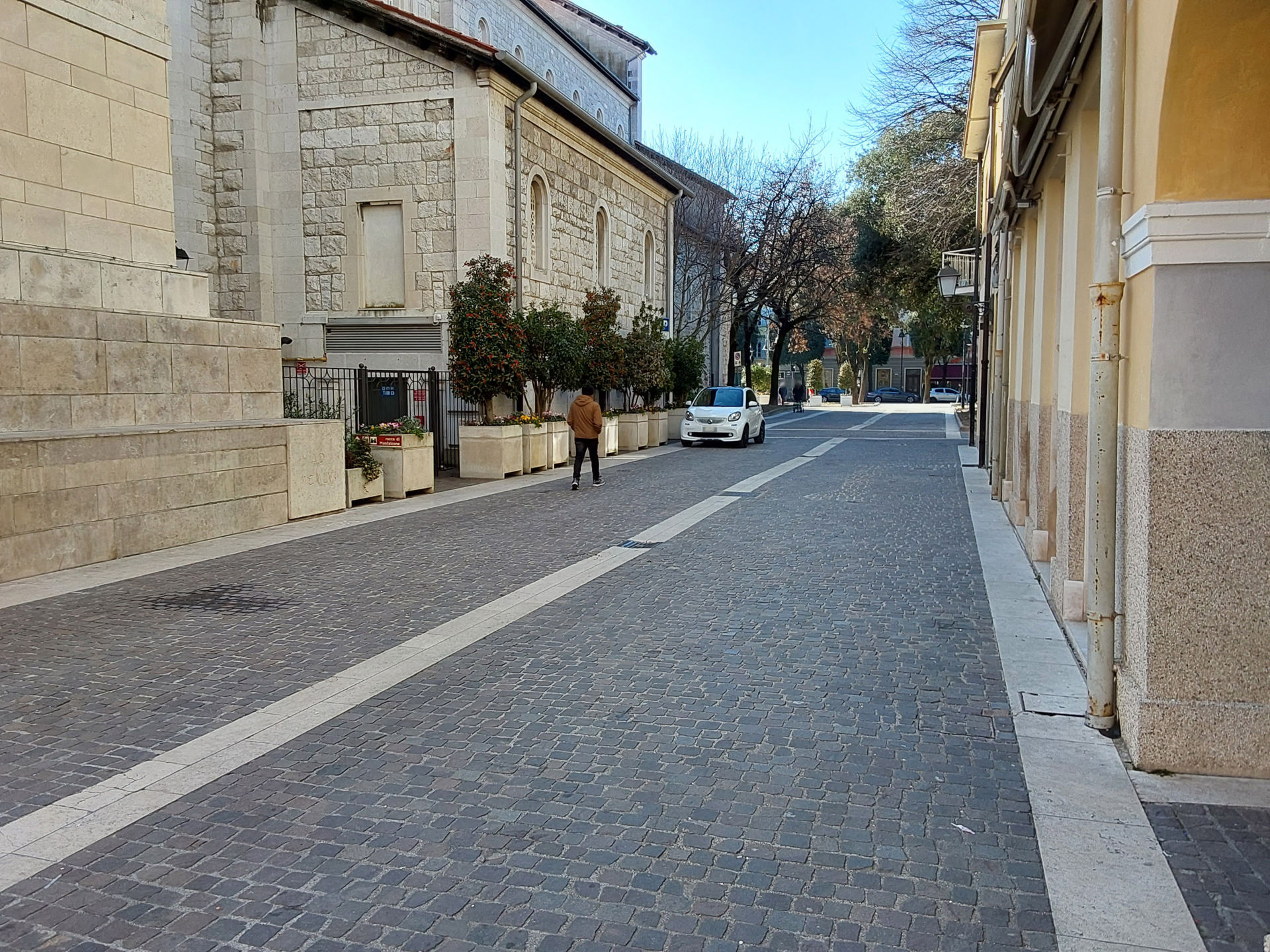
Photo 19 - Turn right towards the access ramp to the Cathedral
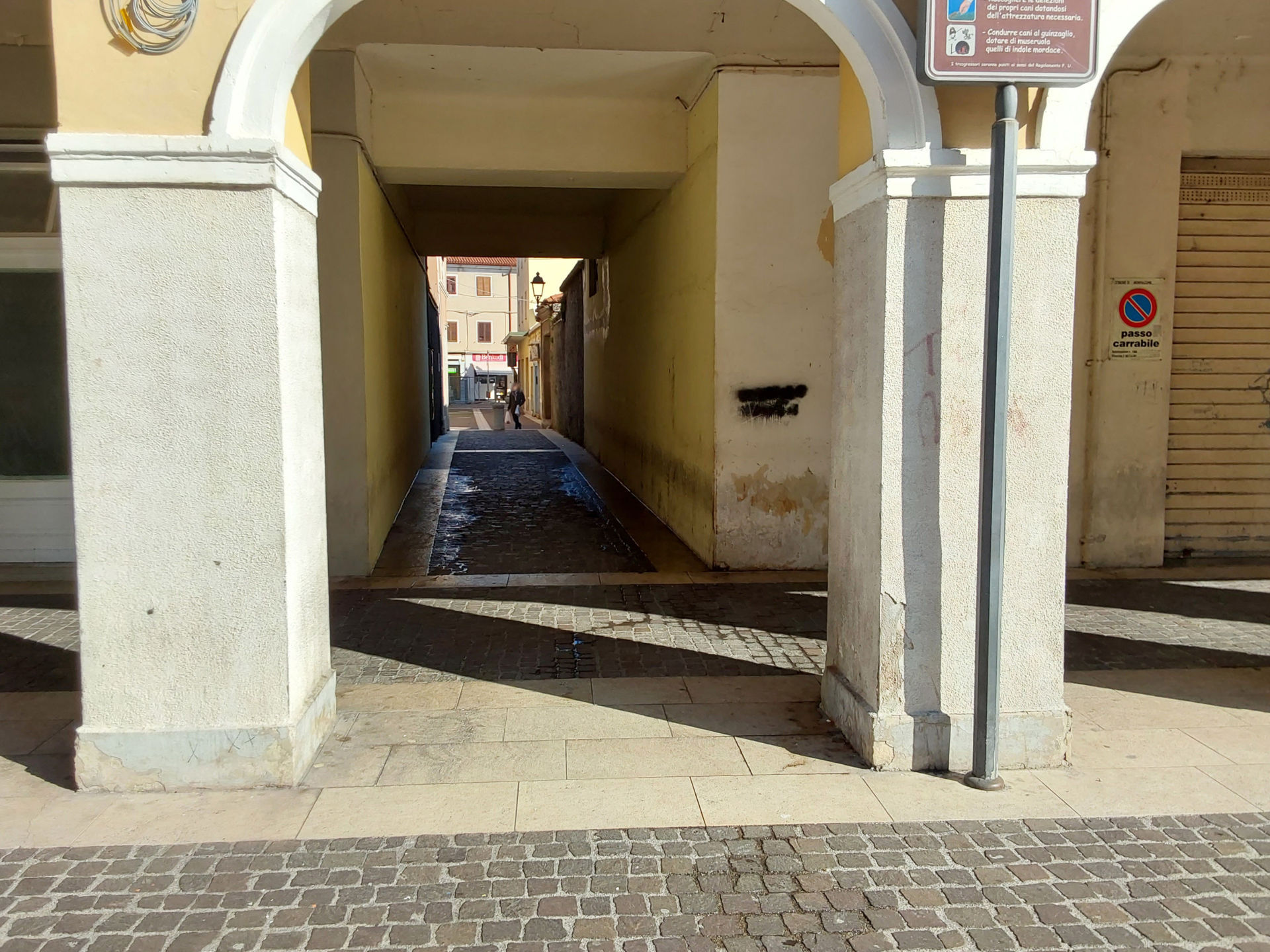
Photo 20 - Underpass towards Corso del Popolo
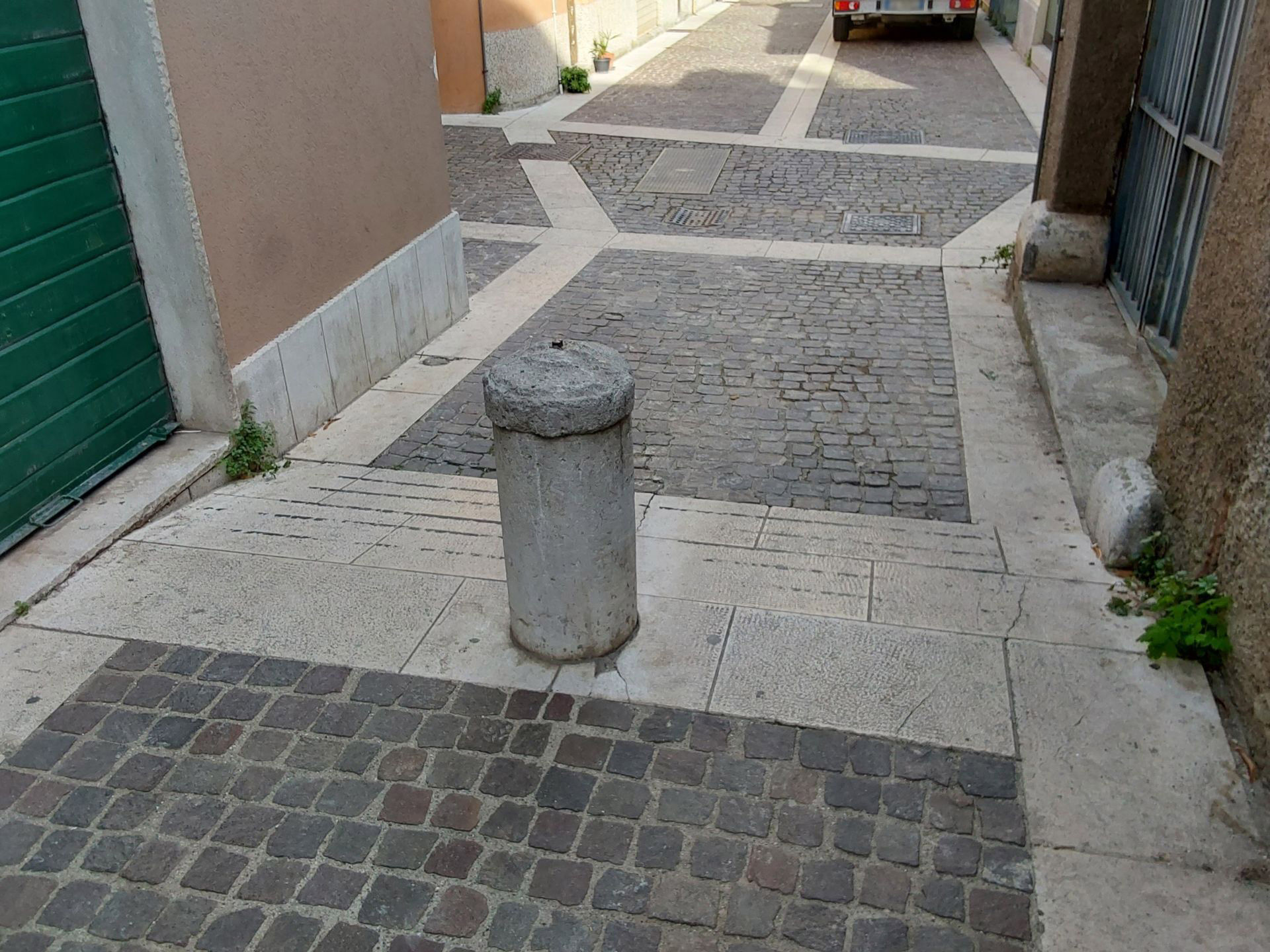
Photo 21 - Ramp towards Corso del Popolo
Piazza della Repubblica is made of stone in the central area and porphyry blocks in the side areas. The pavement is regular and homogeneous (Photo 22). From the Square, the path continues towards Corso del Popolo with a change in pavement: a drainage channel is crossed to reach the street with an interruption in the pavement with a regular and homogeneous concrete surface and the presence of manholes. Loges modules are present. Next to the Square, there is a parking space reserved for people with disabilities (Photo 23). From the north side of the square, one can take the staircase to the Rocca di Monfalcone. The transfer to the Rocca can be done by a companion vehicle that must be booked by phone through the URP at 3346000121 (Photo 24).
The path continues on via del Popolo on the right sidewalk made of regular porphyry slabs, at the same level as the roadway, with a slight counter-slope and Loges modules (Photo 25-26-27). The theater is located on the left sidewalk of Corso del Popolo; access to the ticket office of the structure is via a partially uneven ramp (Photo 28). Entrance to the theater is through a secondary lateral entrance. Future renovation works are planned to make it more accessible. Immediately after the Theater, on the left sidewalk, there is a parking space for people with disabilities (Photo 29). To reach the theater, it is advisable to use the pedestrian crossing at the beginning of the street. The path continues on the left sidewalk, which has the same characteristics as the right sidewalk. Along the way, there are some narrowings due to the presence of light poles and planters that may obstruct the path. The surface is regular and homogeneous in porphyry slabs. At the end of the street, on the left sidewalk, there is a parking space reserved for people with disabilities (Photo 30).
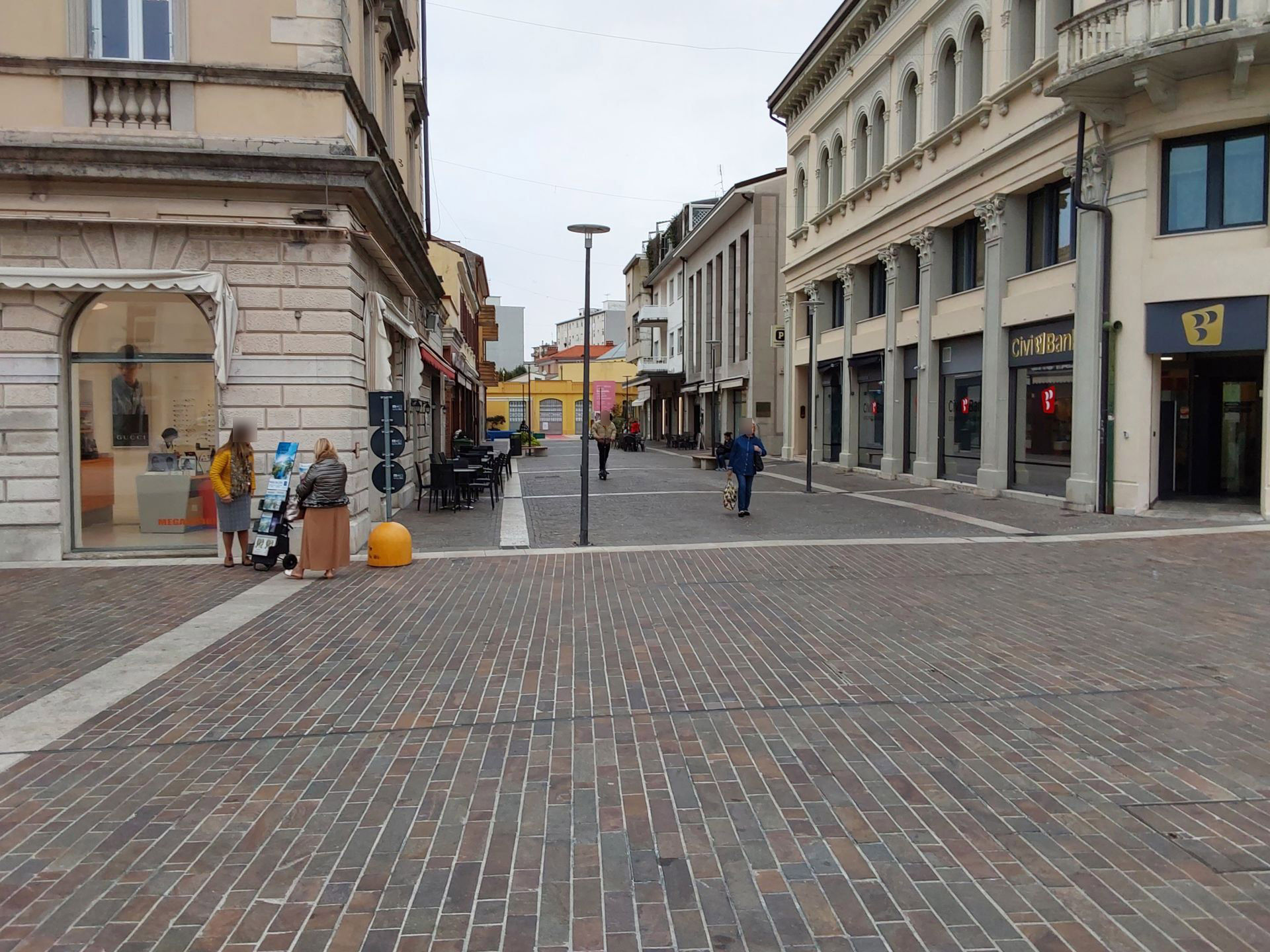
Photo 22 - Sidewalk paving in Piazza della Repubblica
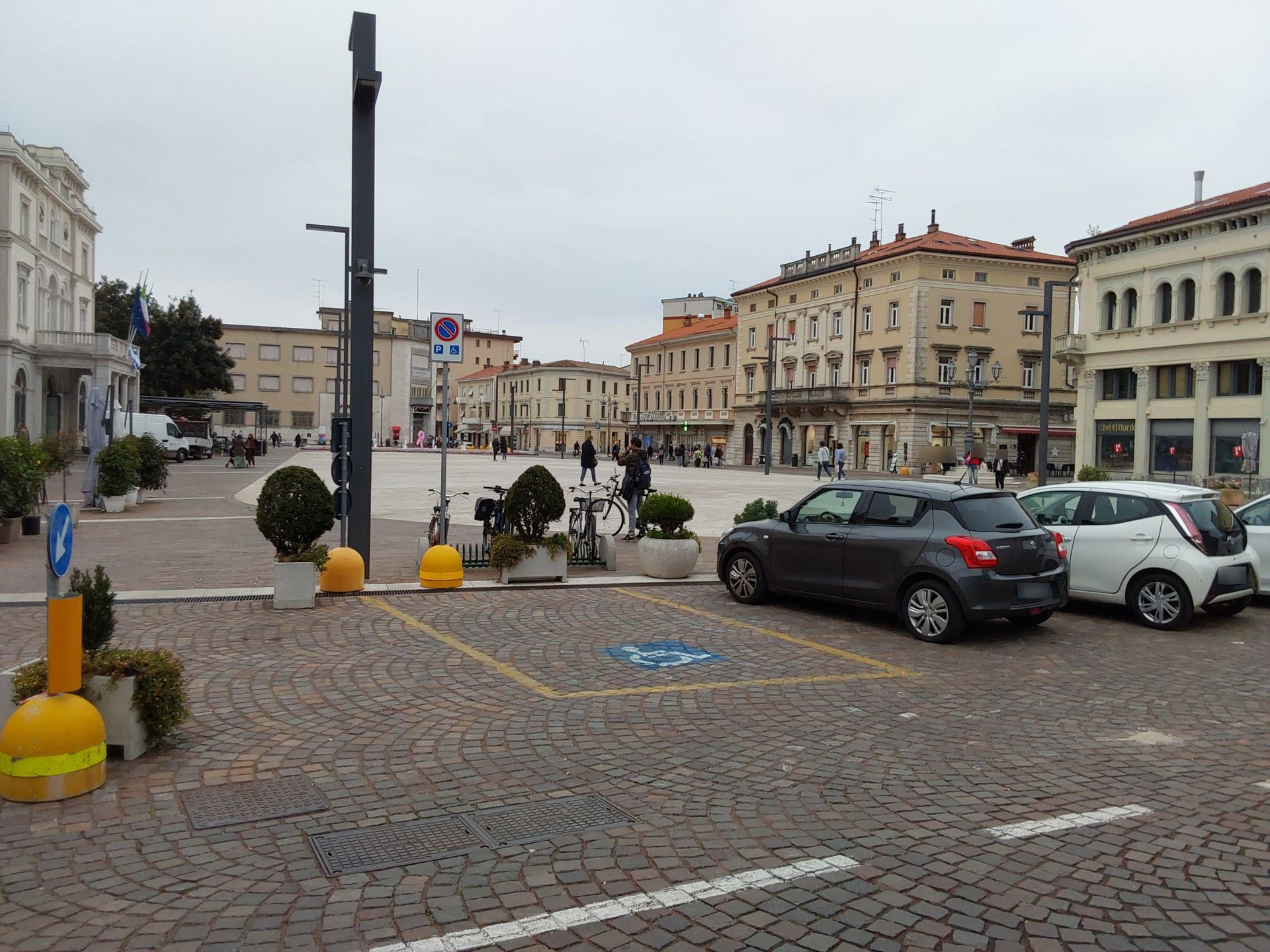
Photo 23 - Reserved parking space for people with disabilities
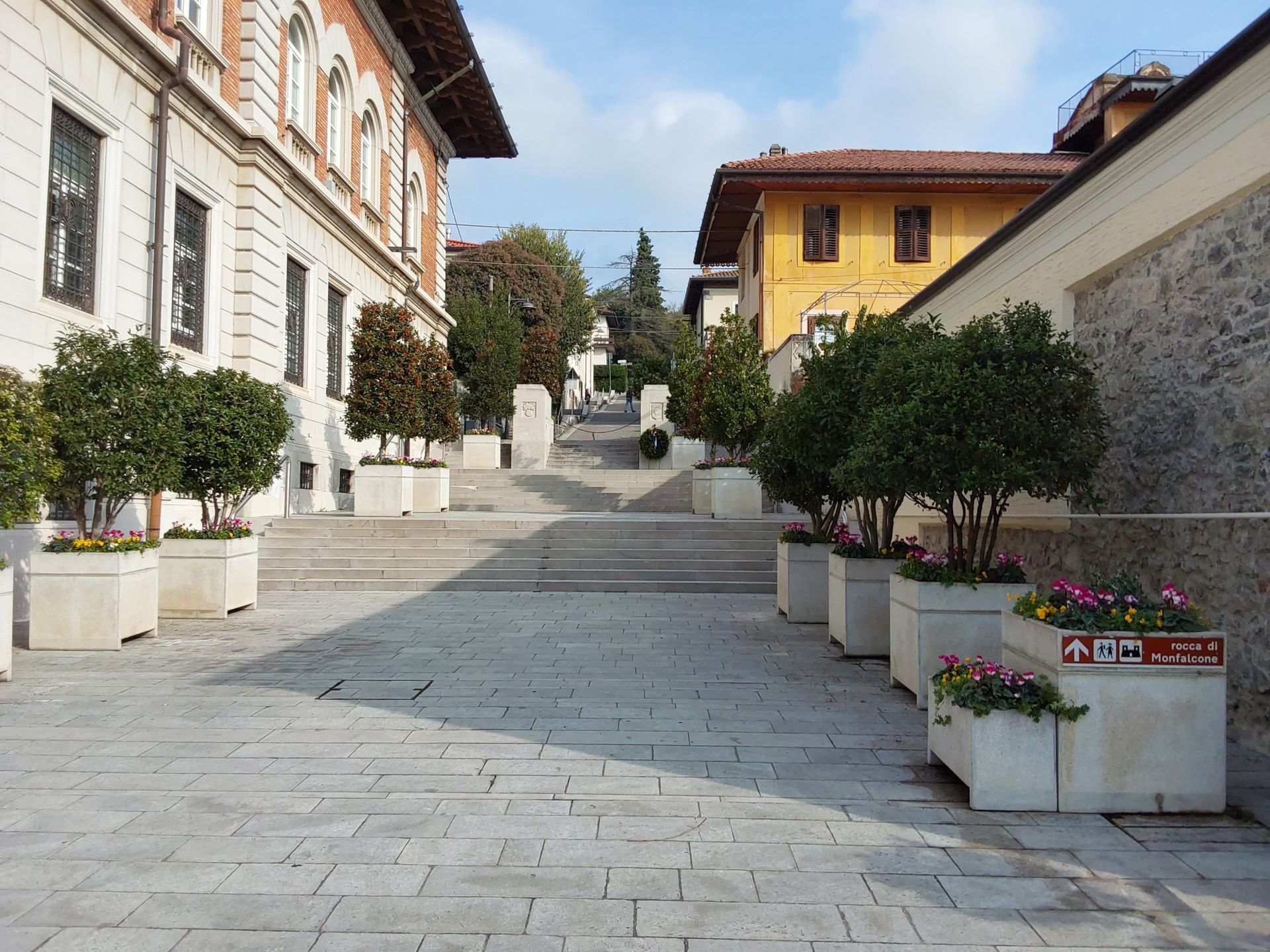
Photo 24 - Climb towards the Rocca di Monfalcone
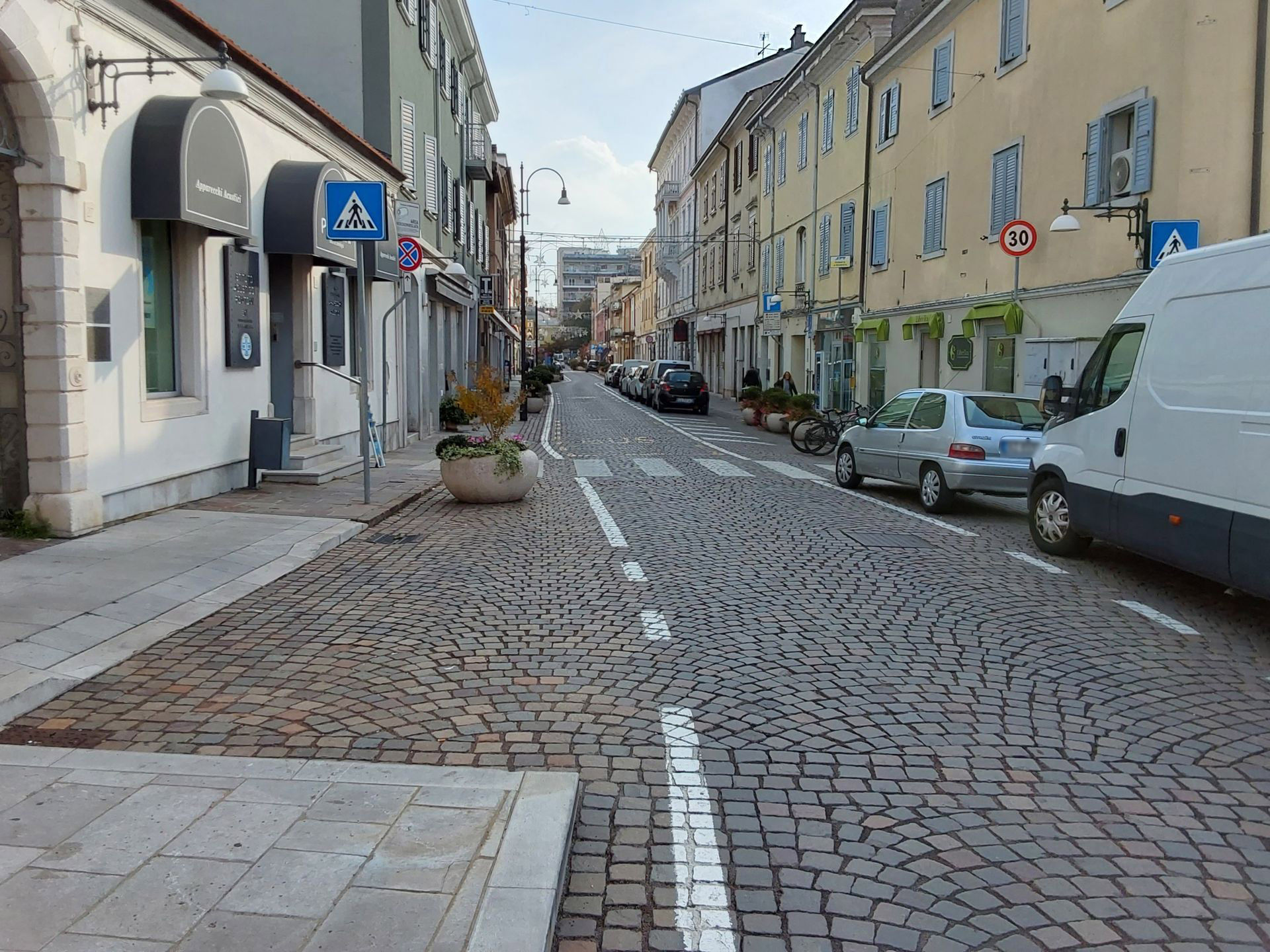
Photo 25 - Path on Corso del Popolo
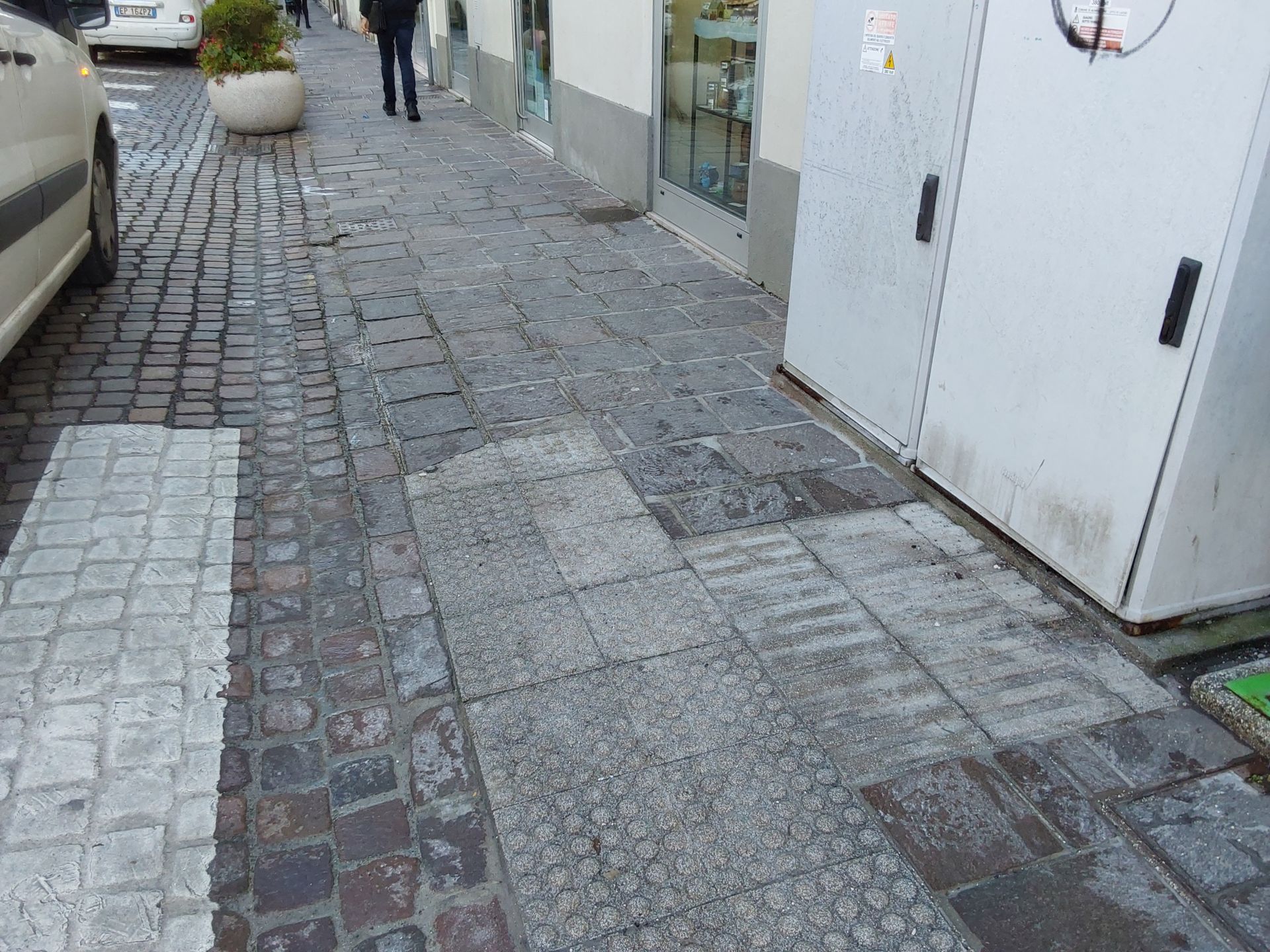
Photo 26 - Loges modules along the path
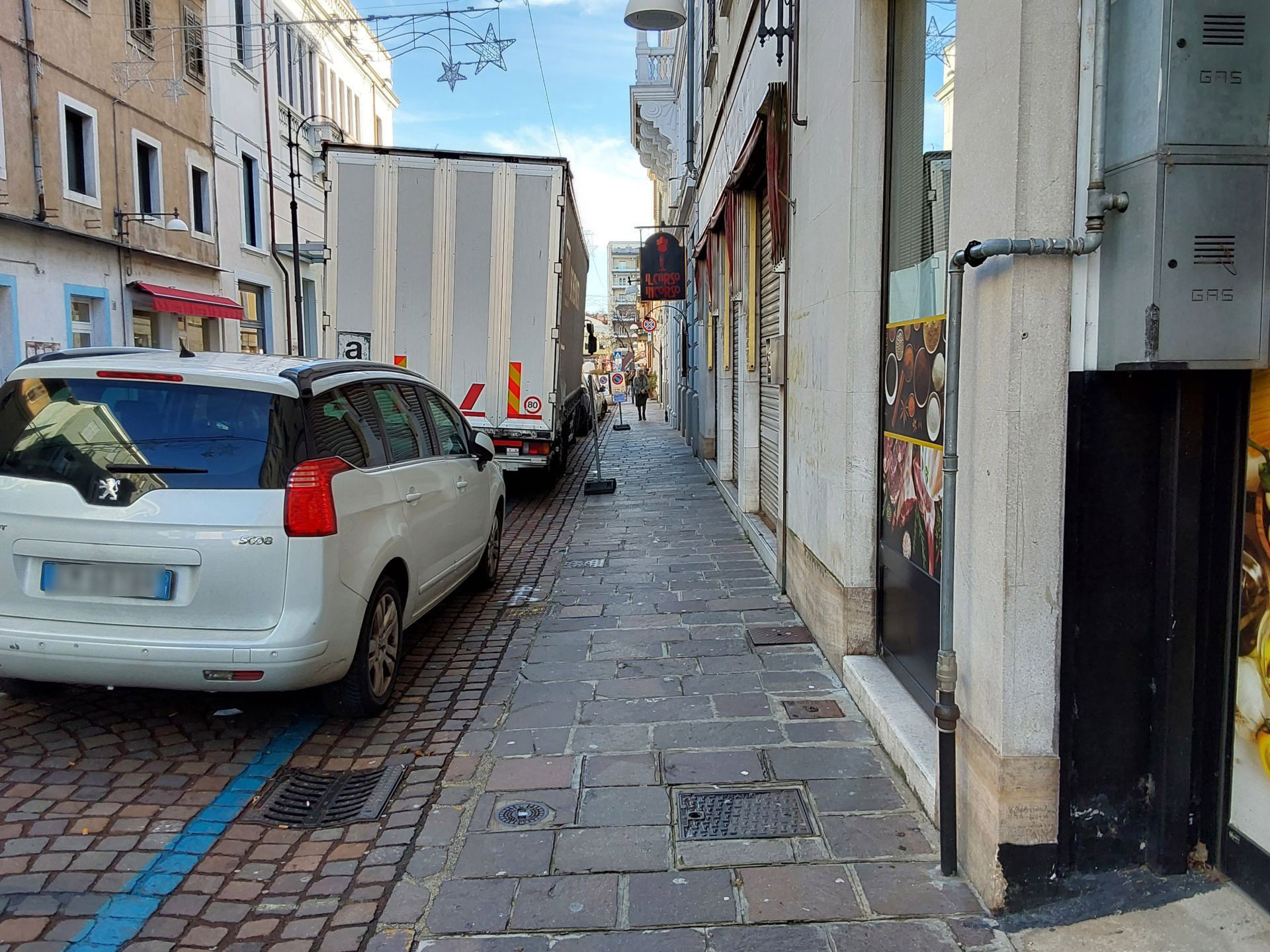
Photo 27 - Right sidewalk on Corso del Popolo
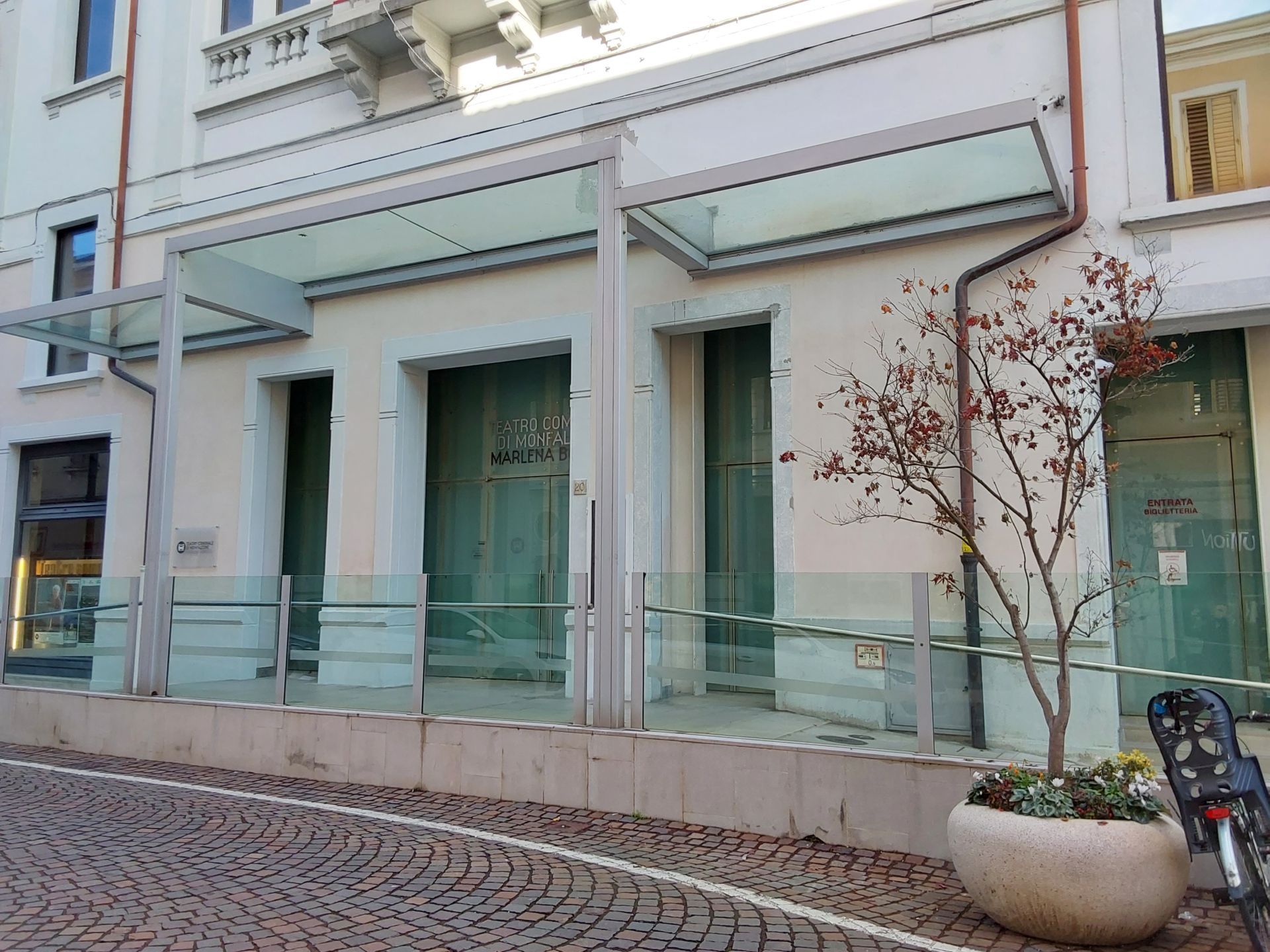
Photo 28 - Theater
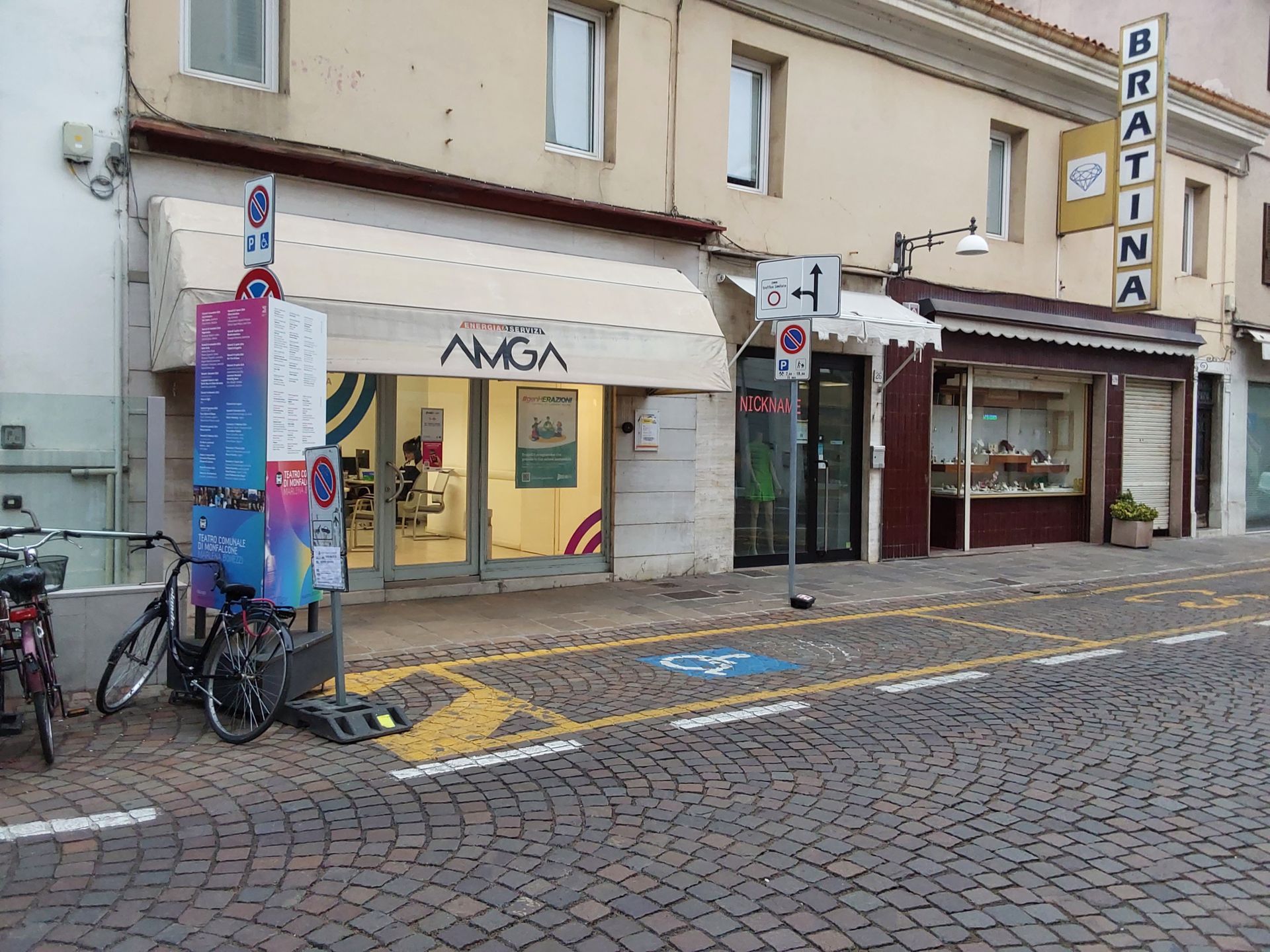
Photo 29 - Reserved parking space for people with disabilities
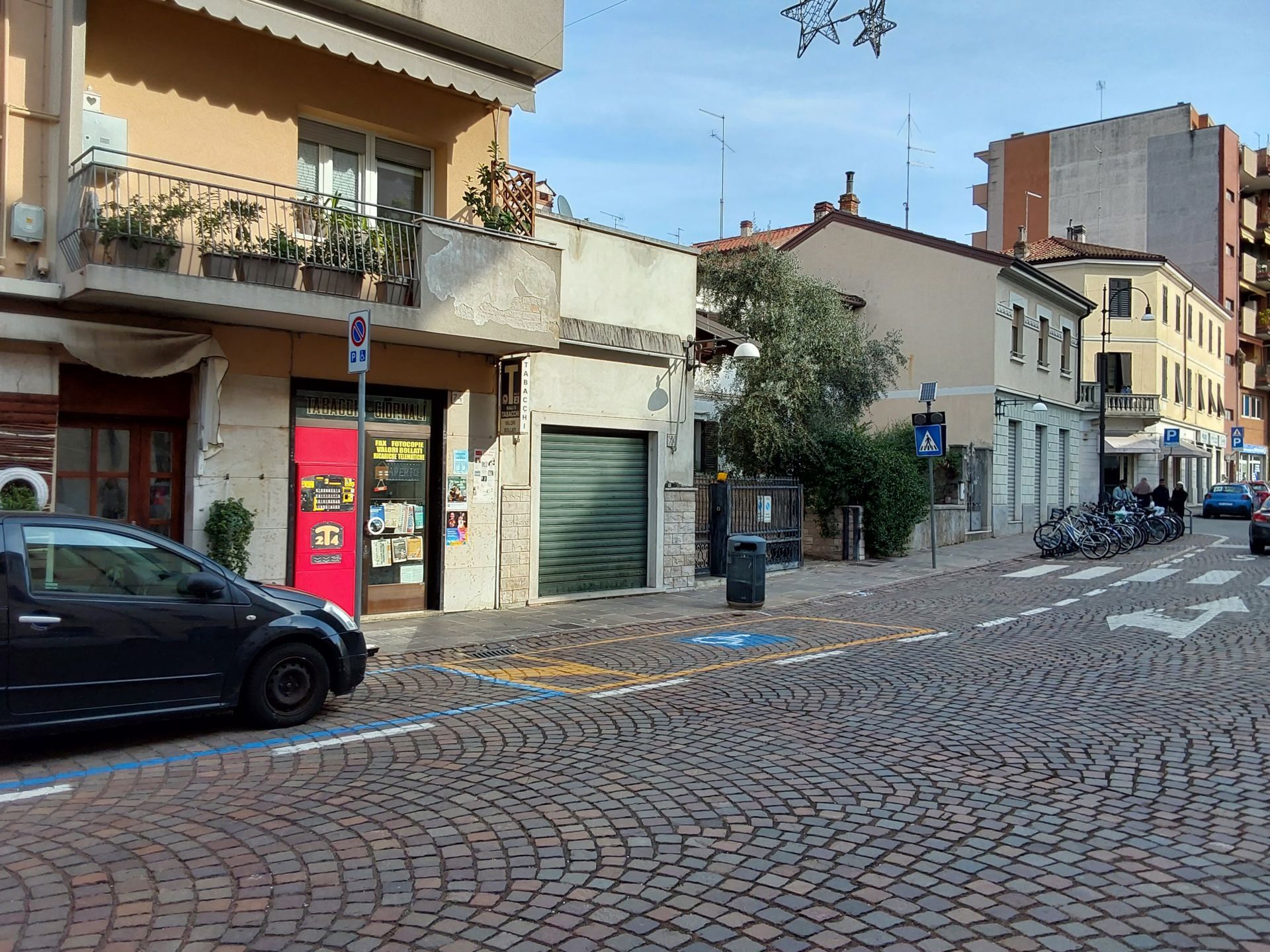
Photo 30 - Reserved parking space for people with disabilities
The path continues turning right onto Viale San Marco (Photo 31). The pedestrian path, on regular and homogeneous asphalt, è is flanked by the bike lane and has some narrowings, due to the presence of tables from commercial activities, but it is still wide and regular (Photo 32).
After passing civic number 7, turn right towards the ancient walls inside a underpass; the pavement of the underpass è is regular and tiled and è connected with the area of the ancient walls which has irregular porphyry pavement, slightly uneven and with the presence of manholes (Photo 33-34-35).
The path continues on Viale San Marco (Photo 36) and encounters pedestrian crossings on asphalt with white stripes at Via Sant'Ambrogio and Via Rosselli, both connected with the roadway. The crossing on Via Rosselli also features Loges modules (Photo 37). The path continues with the same characteristics described previously. Along Viale San Marco, there are parking spaces reserved for people with disabilities (Photo 38-39).
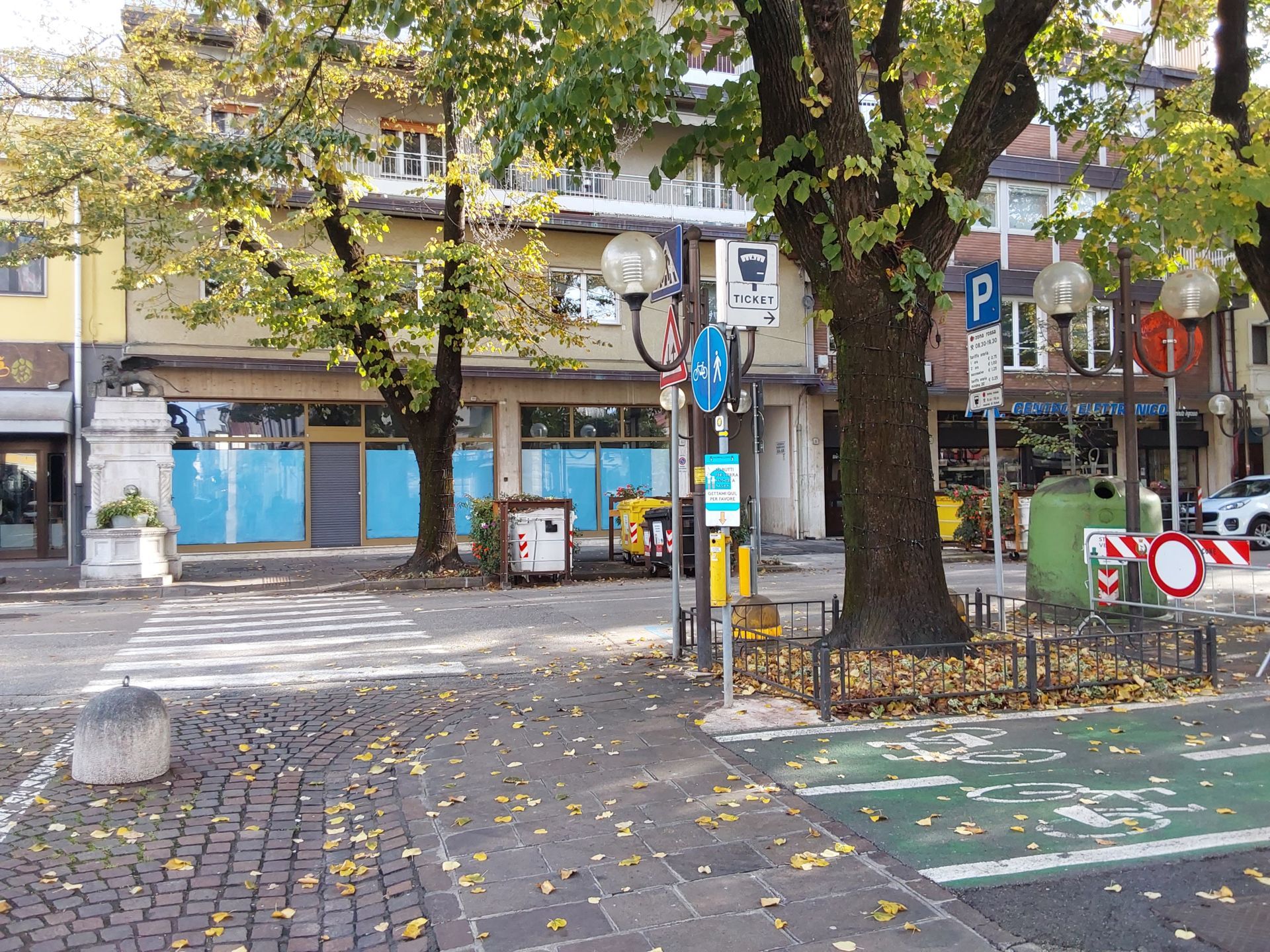
Photo 31 - Path to the right on Viale San Marco
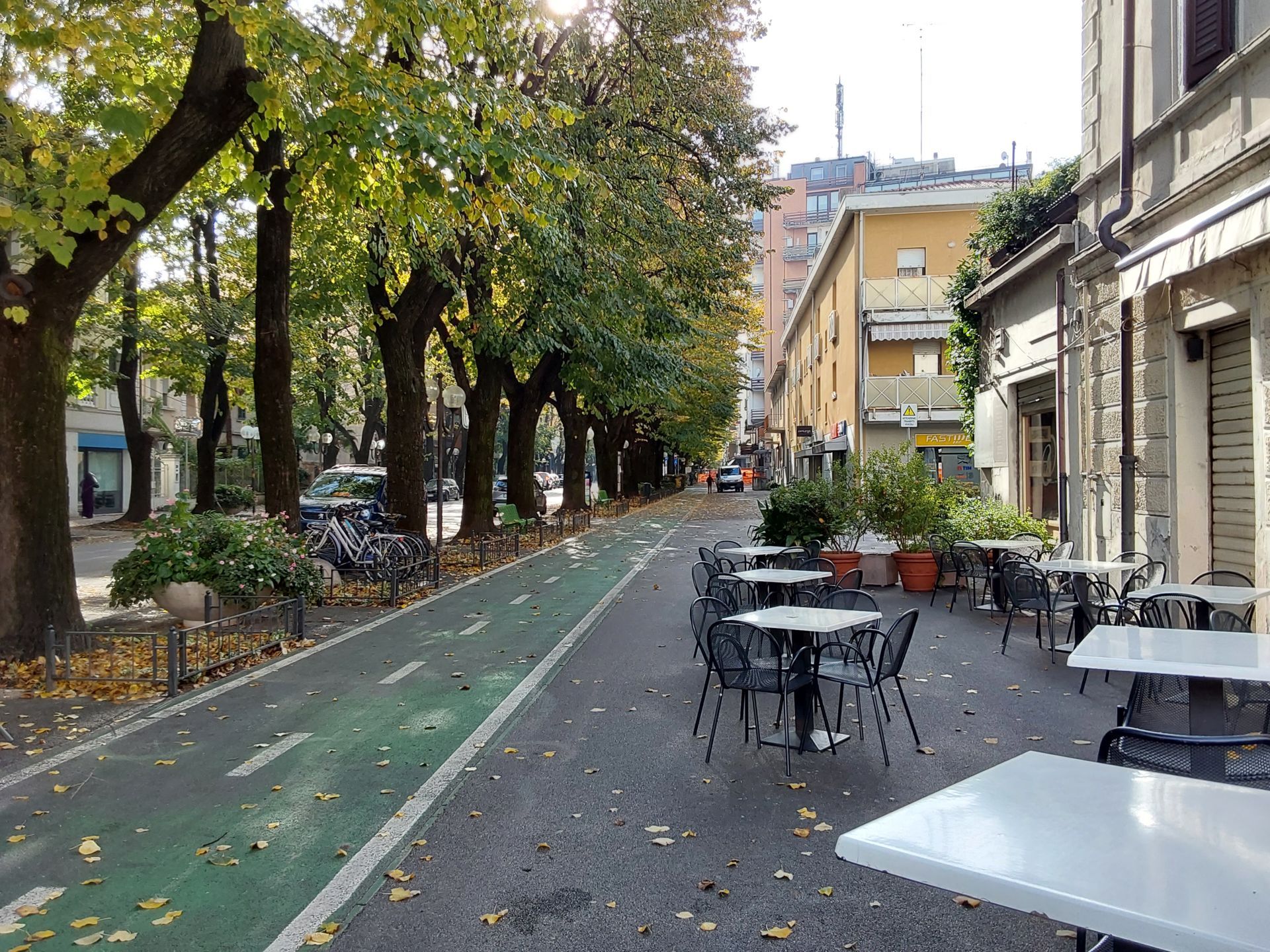
Photo 32 - Narrowing due to tables
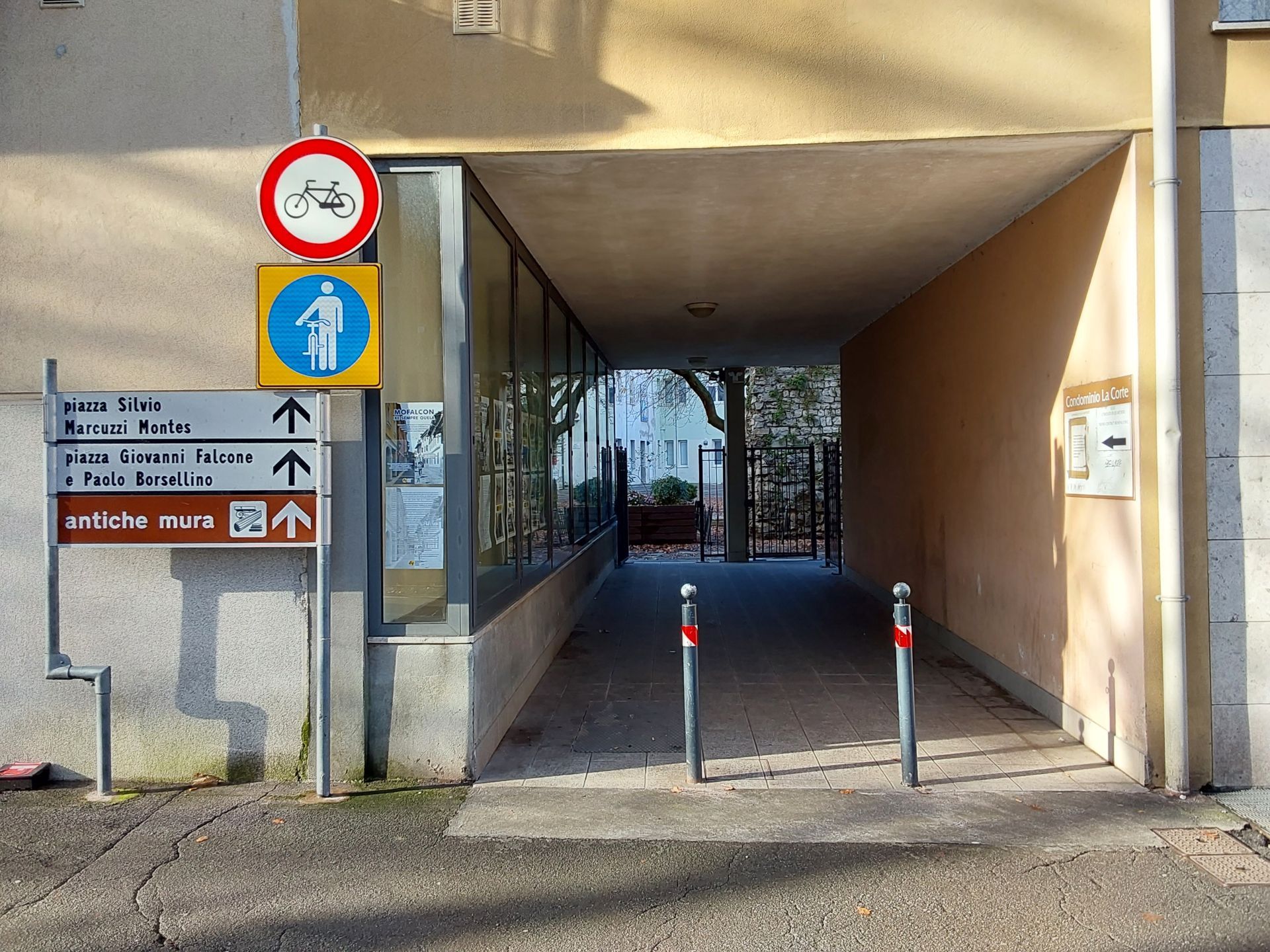
Photo 33 - Underpass for the ancient walls
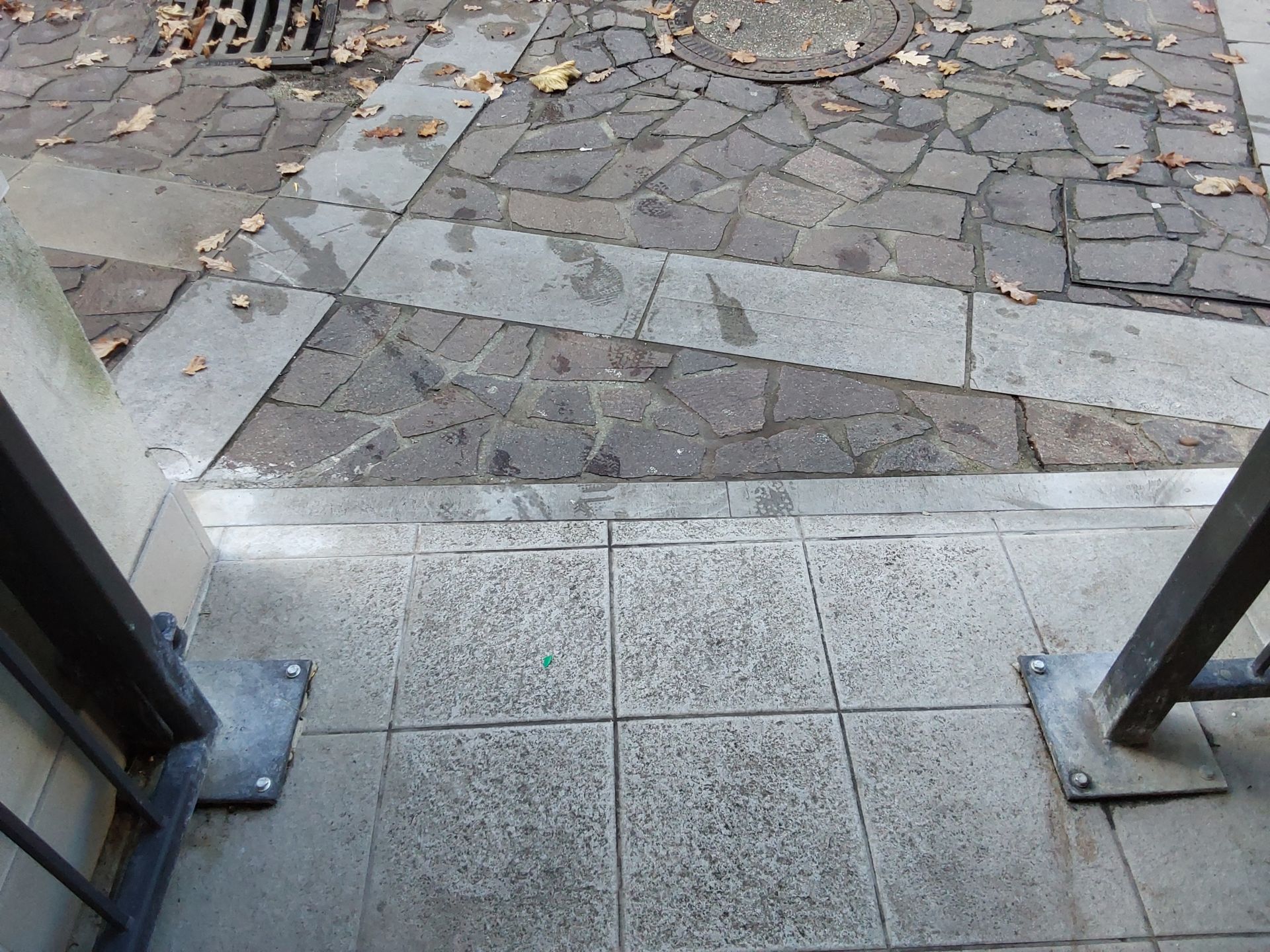
Photo 34 - Connection between the pavements
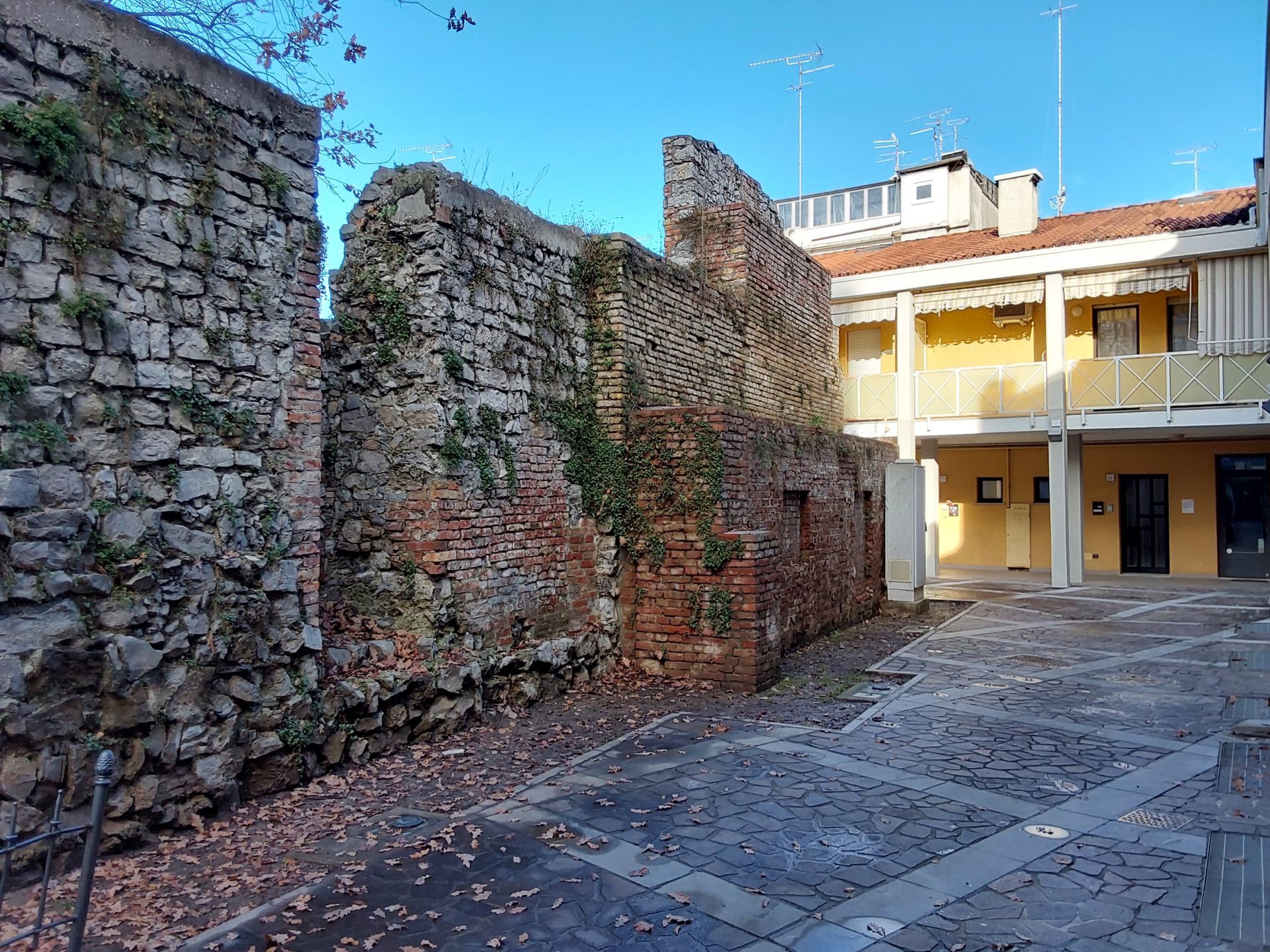
Photo 35 - Ancient walls
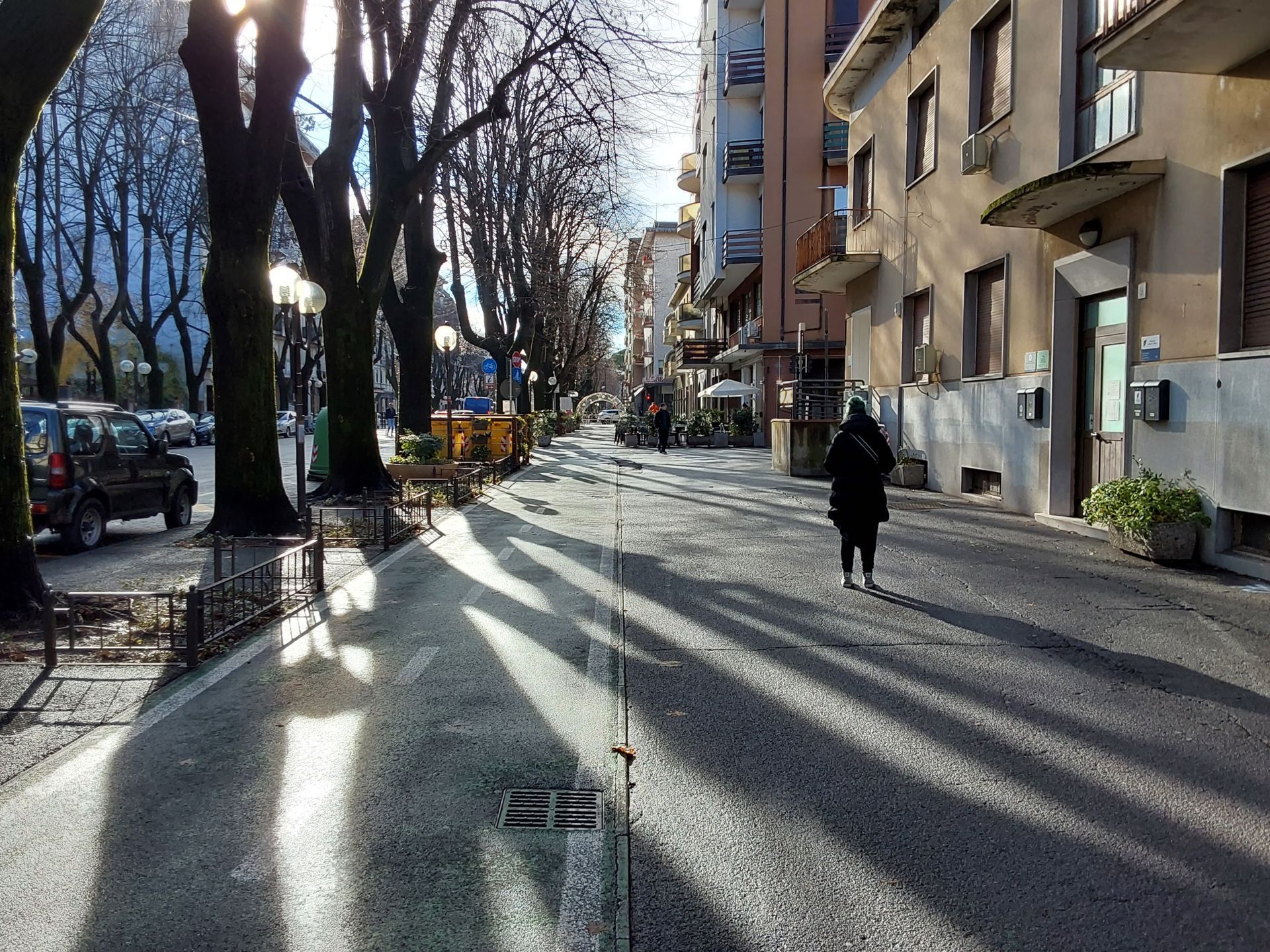
Photo 36 - Path on Via San Marco
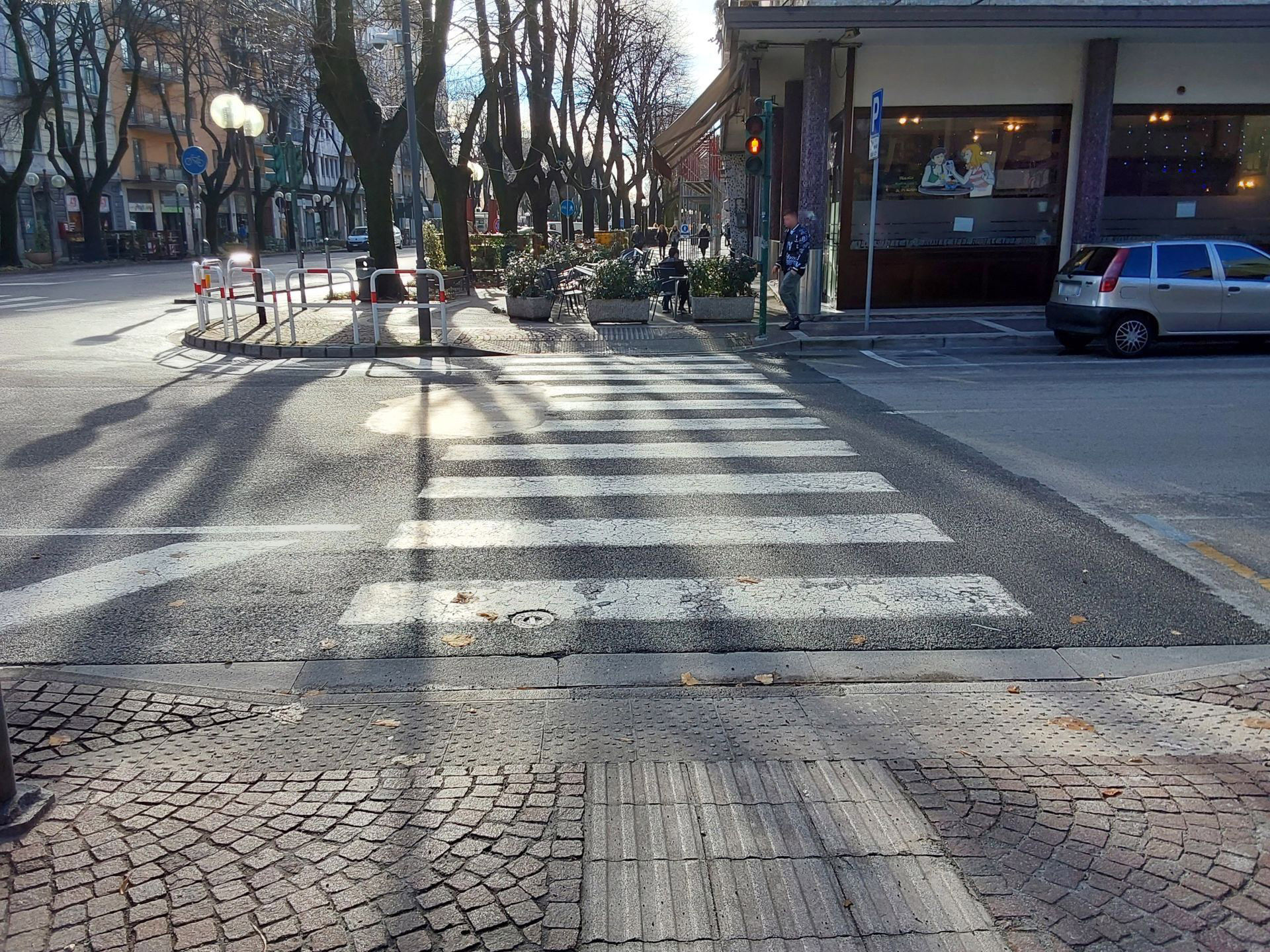
Photo 37 - Crossing on Via Rosselli
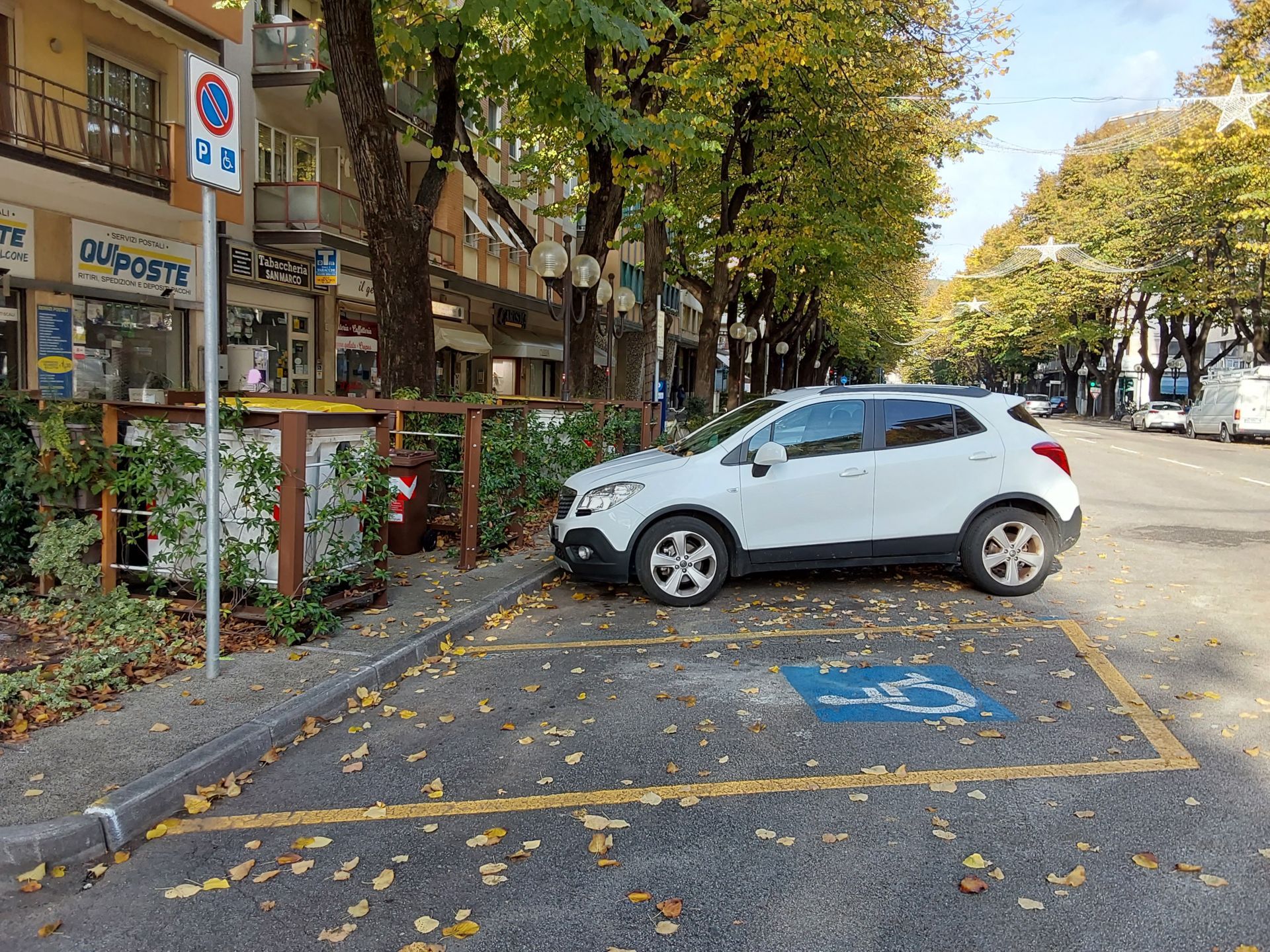
Photo 38 - Stall for people with disabilities
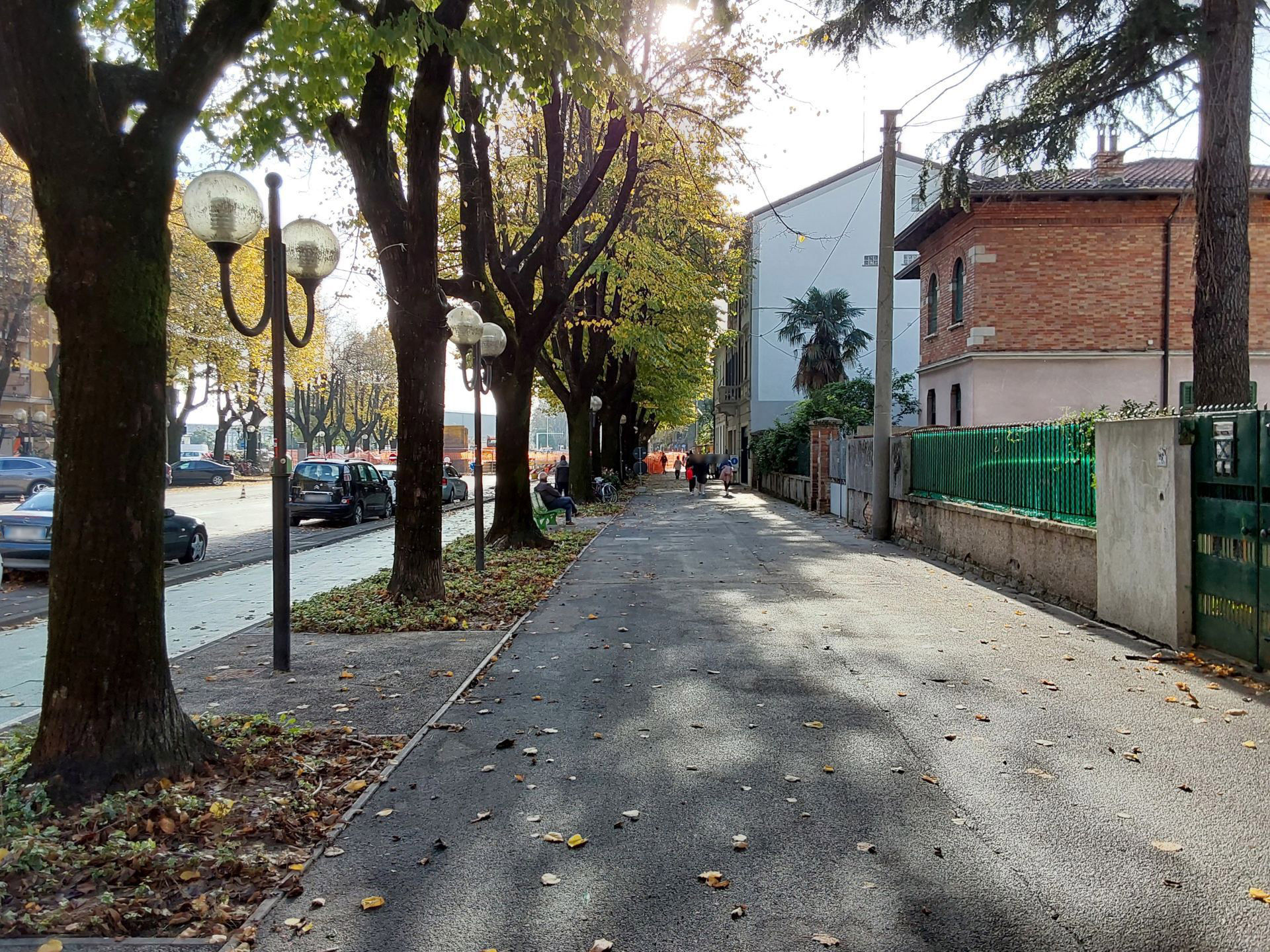
Photo 39 - Final path of Viale San Marco
Due to ongoing renovation works on the waterfront, the path on Viale San Marco continues with some narrowings and turns onto Via Verdi, on a sidewalk with uneven asphalt surface, to reach the nearest pedestrian crossing to continue the route. The temporary crossing is connected to the roadway with a very short ramp with a 25% slope (Photo 40). The sidewalk is connected on the other side of the street with an uneven ramp made of gravel and concrete with a 22% slope.
The path continues on a very uneven compacted gravel surface, making it difficult to navigate in a wheelchair with a slight slope. Subsequently, the bike path and pedestrian path are encountered, and a left turn is made (Photo 41-42). The pedestrian path can be reached with a 4 cm height difference that is not connected. Alternatively, one can proceed unsafely on the bike path. The pedestrian path is on a concrete surface 150 cm wide. The path continues on the right and on a sidewalk made of asphalt with a wide but uneven surface, connected to the concrete pedestrian path by a ramp with a 5% slope. There are benches present on the right side of the path (Photo 43).
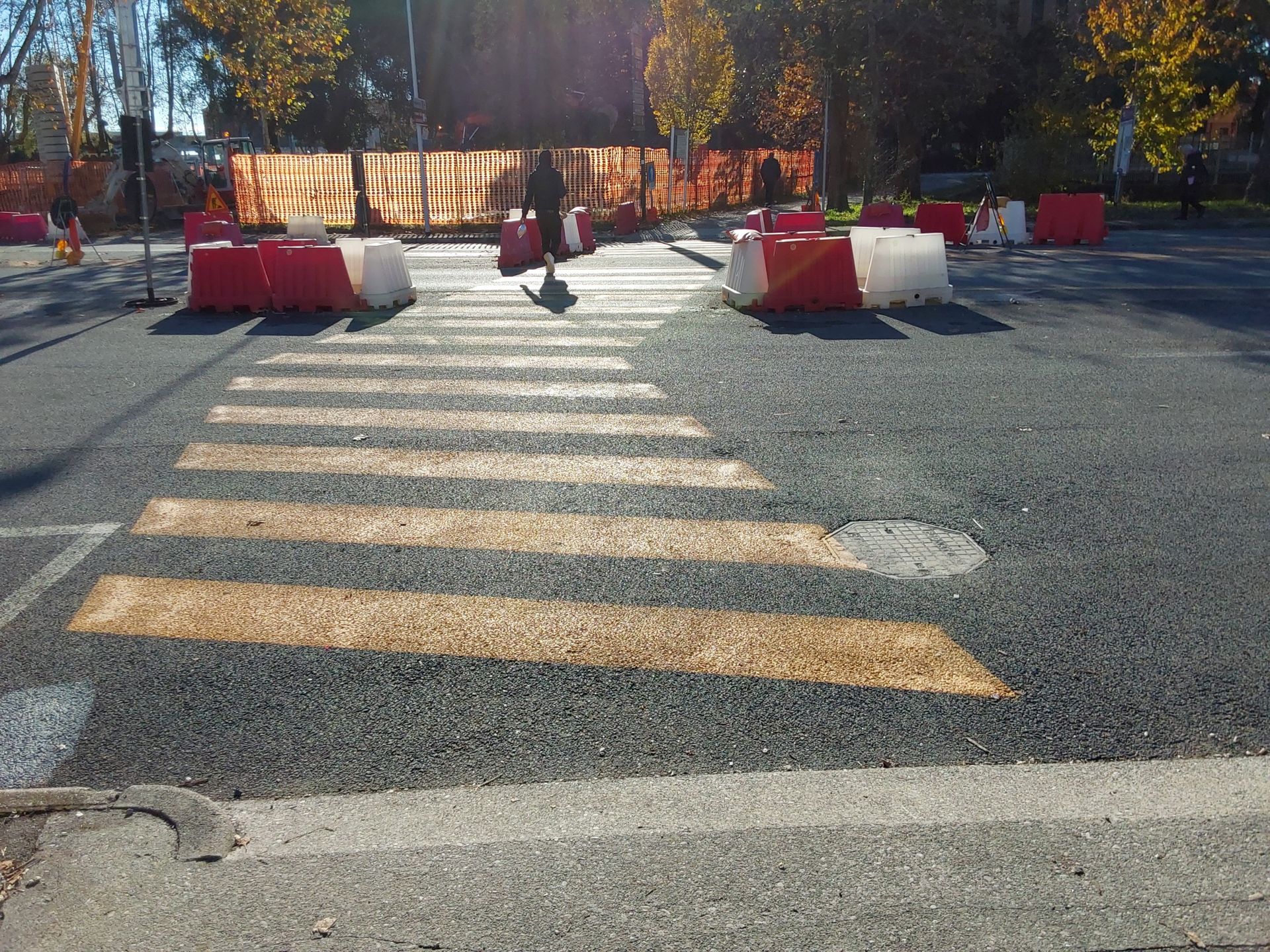
40 - Pedestrian crossing
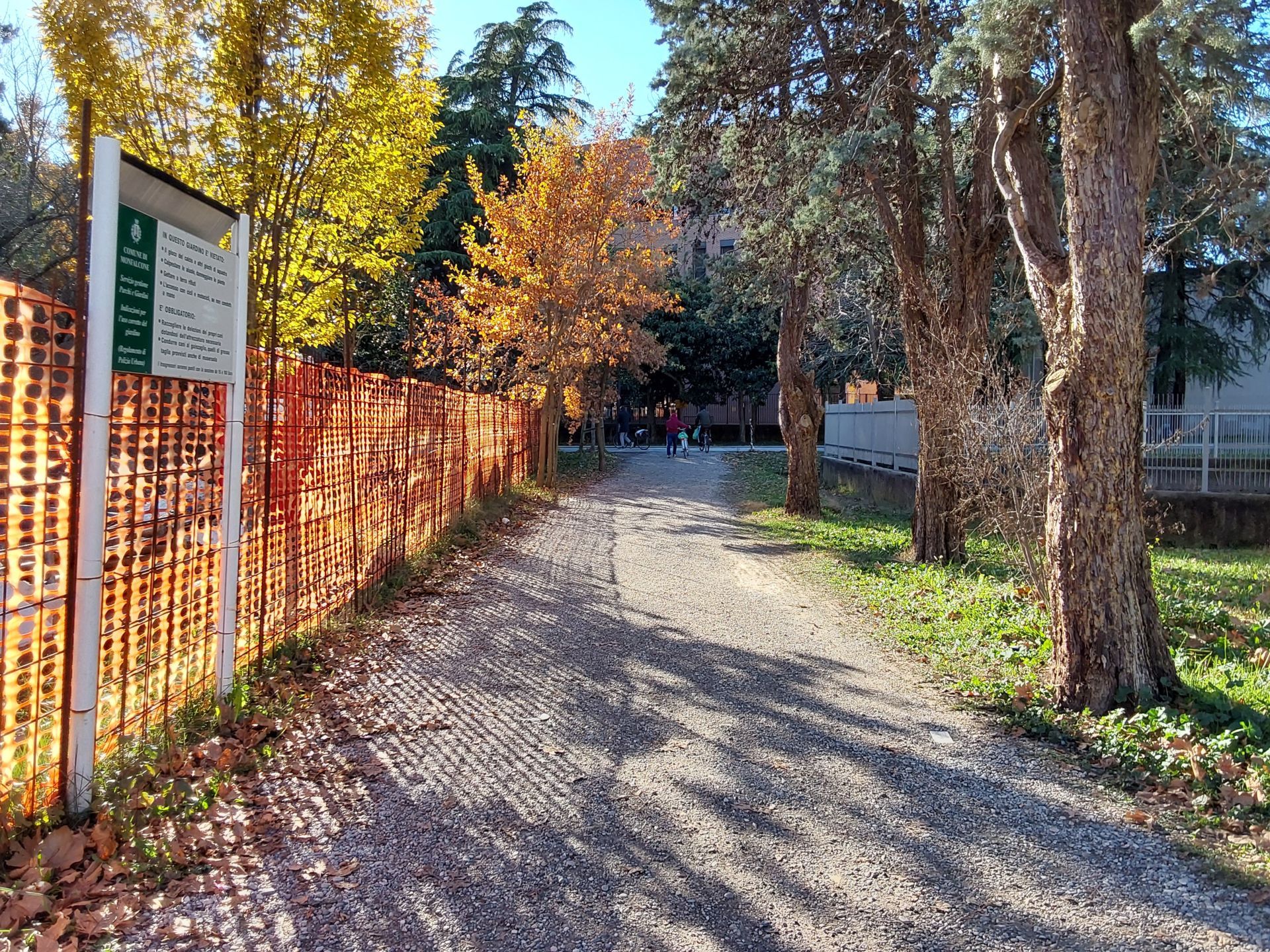
41 - Gravel path
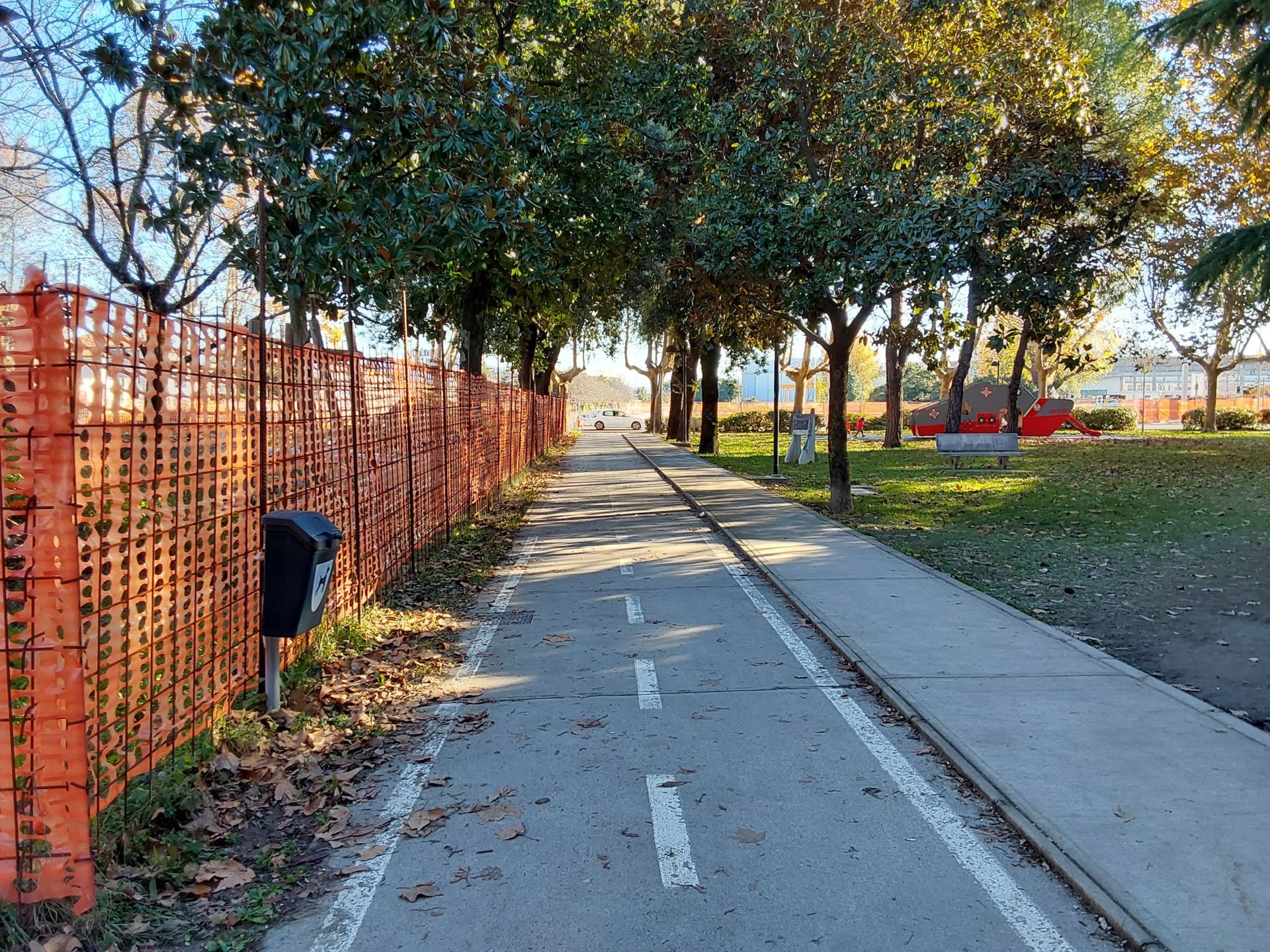
42 - Pedestrian and cycling path
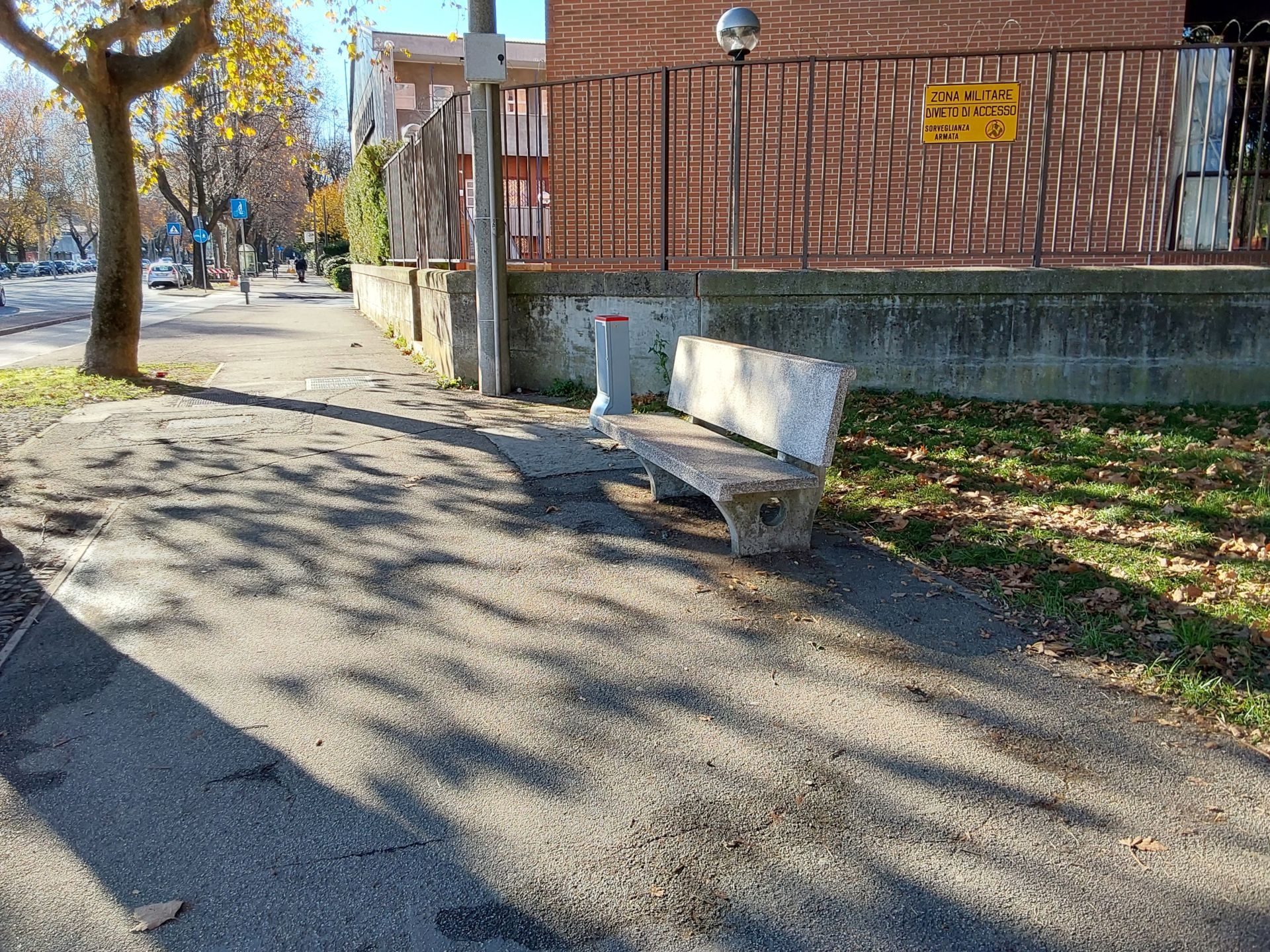
43 - Benches on Cosulich street
Continue on via Cosulich with a pedestrian crossing on via Rossini connected to the sidewalk with ramps with a slope of 10% (Photo 44-45); the same conditions are present at the intersection with via Bonavia. Here the path continues turning right onto the latter to visit the area of the Villas (Photo 46-47). Both pedestrian and cycling paths are present, marked in green. The pedestrian sidewalk is made of concrete, with a regular and homogeneous surface, connected to the pedestrian crossing of via Perugia. Continue crossing via Bonavia towards via Trento. The pedestrian crossing occurs on asphalt with white stripes, regular and homogeneous surface, recently constructed (Photo 48).
The path continues on Via Trento, on a sidewalk with a regular and homogeneous surface with explanatory panels about the area with black characters on a white background, and then turns right onto via Bologna (Photo 49-50). The path continues unsafely on the roadway, alongside the Europalace Hotel (Photo 51). At the beginning of via Bologna, there is a parking space for people with disabilities. The Europalace Hotel is located in the former Albergo Impiegati, a historic building in Jugendstil style, built in the 1920s as accommodation for single employees of the shipyards founded by the Cosulich Family. The path continues turning left onto via Callisto Cosulich, with an asphalt sidewalk, homogeneous and regular surface. There are some pedestrian crossings: the one on via Padova is connected while the one on via Milano is not connected and has a height difference of 10cm.
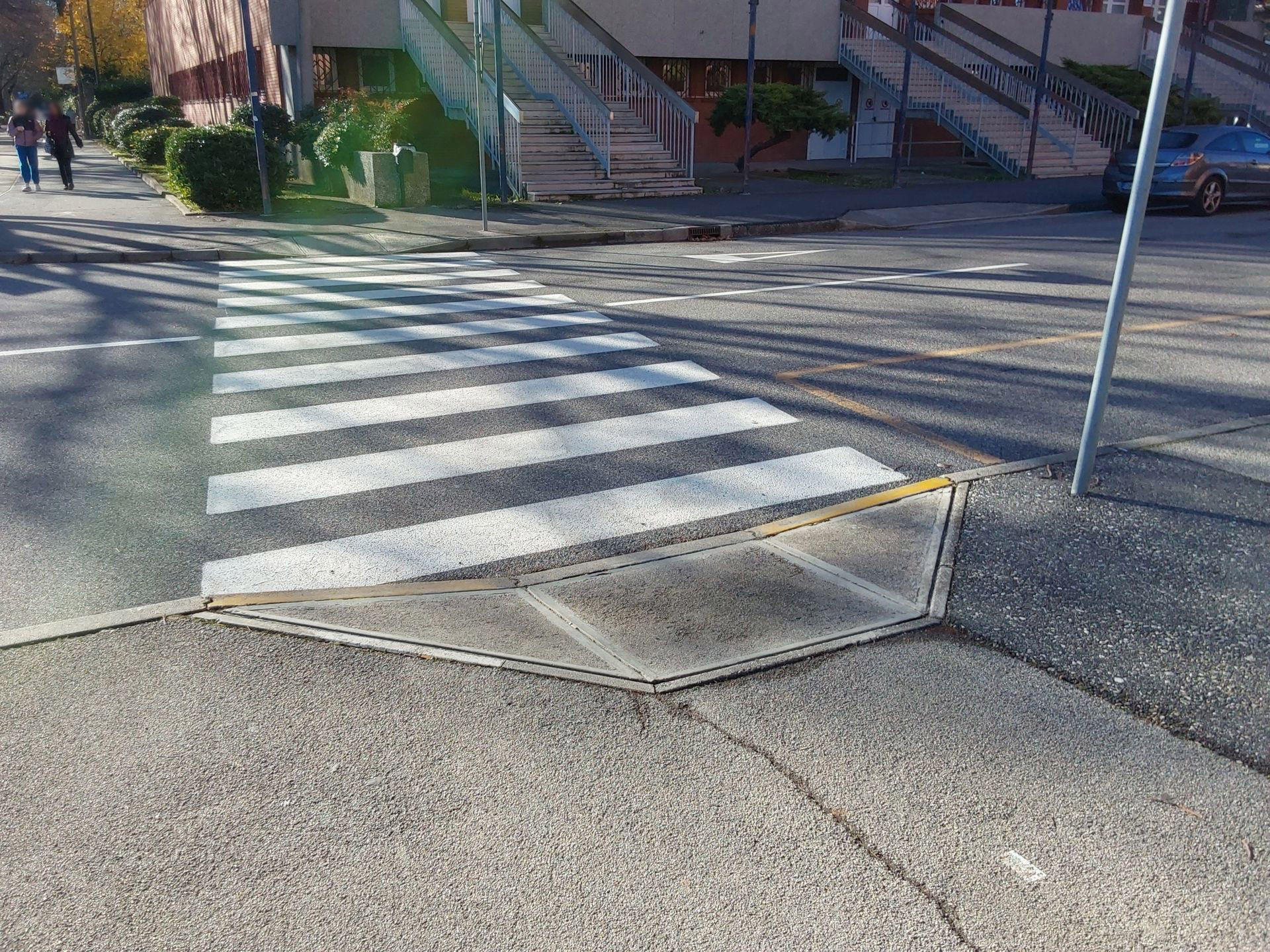
44 - Crossing on Rossini Street
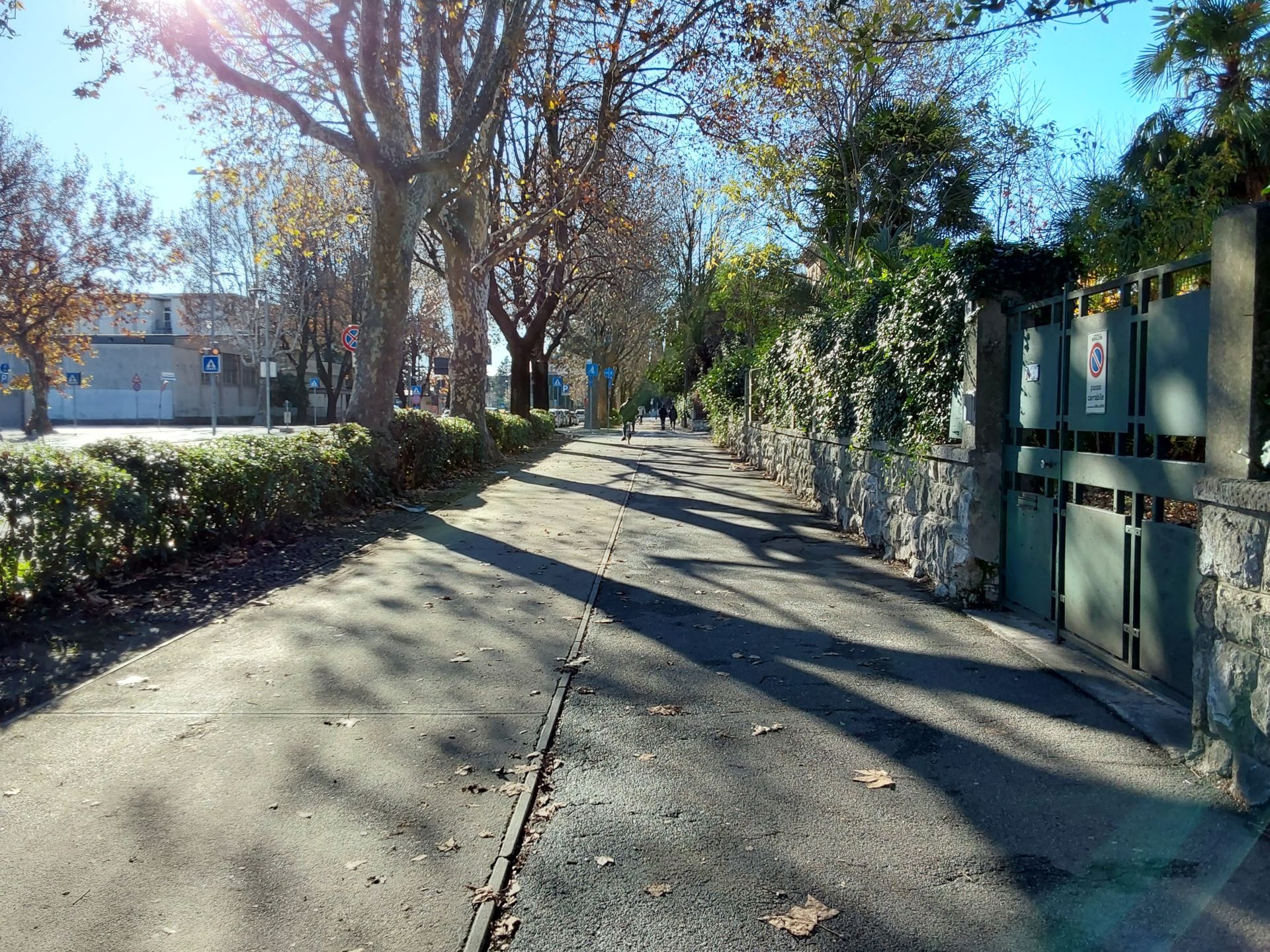
45 - Wide path
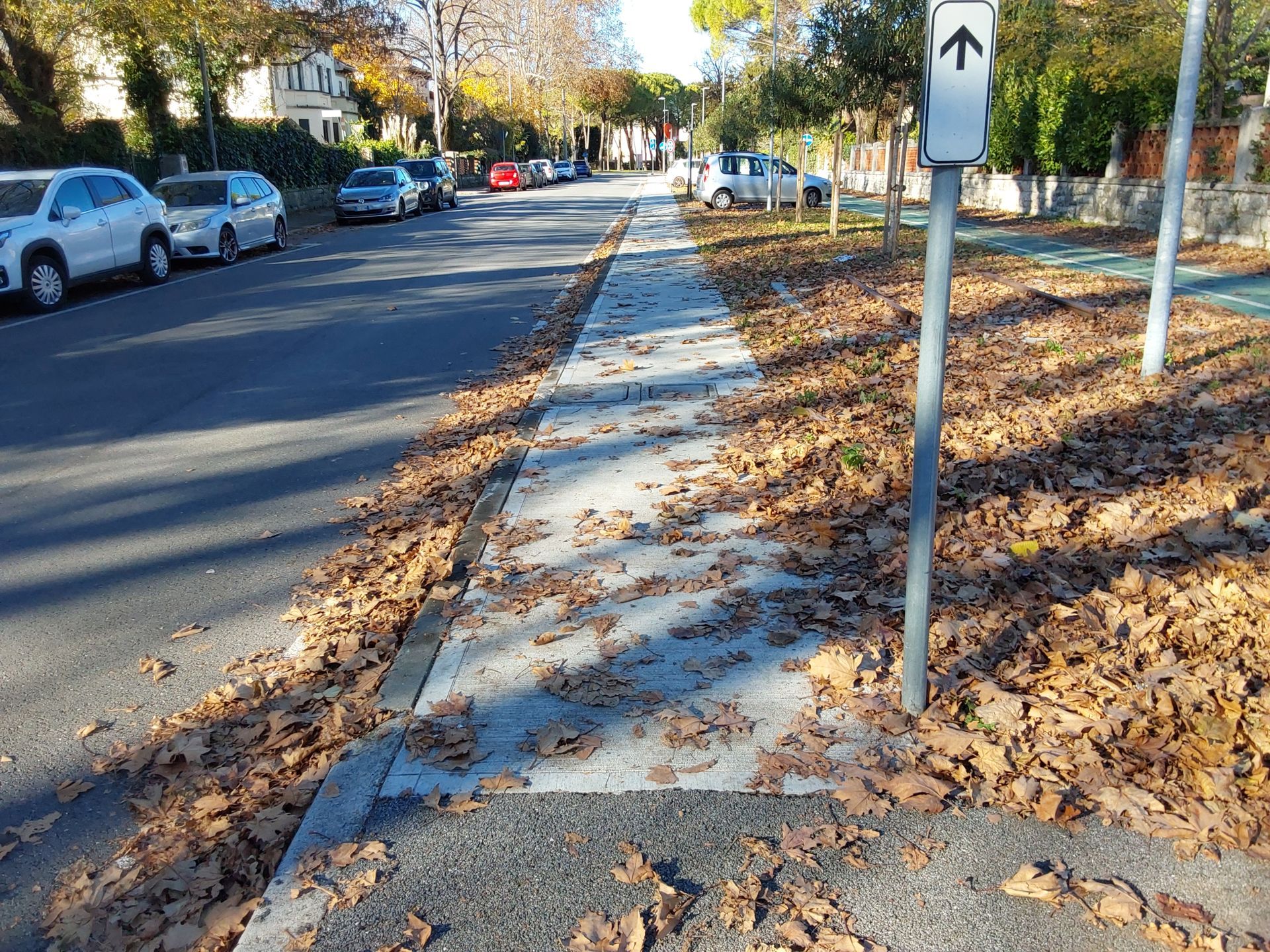
46 - Bonavia Street
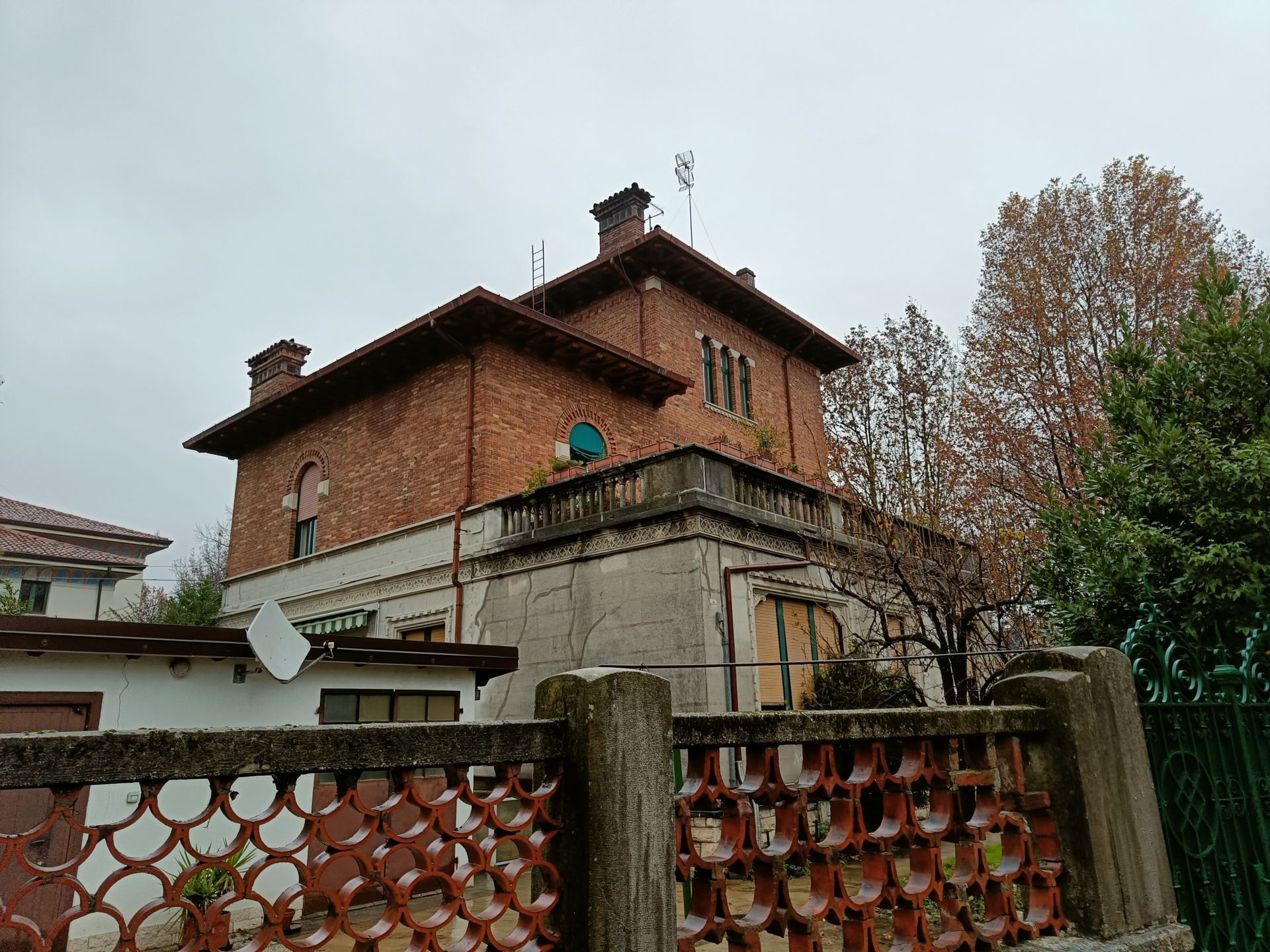
47 - Area of the villas
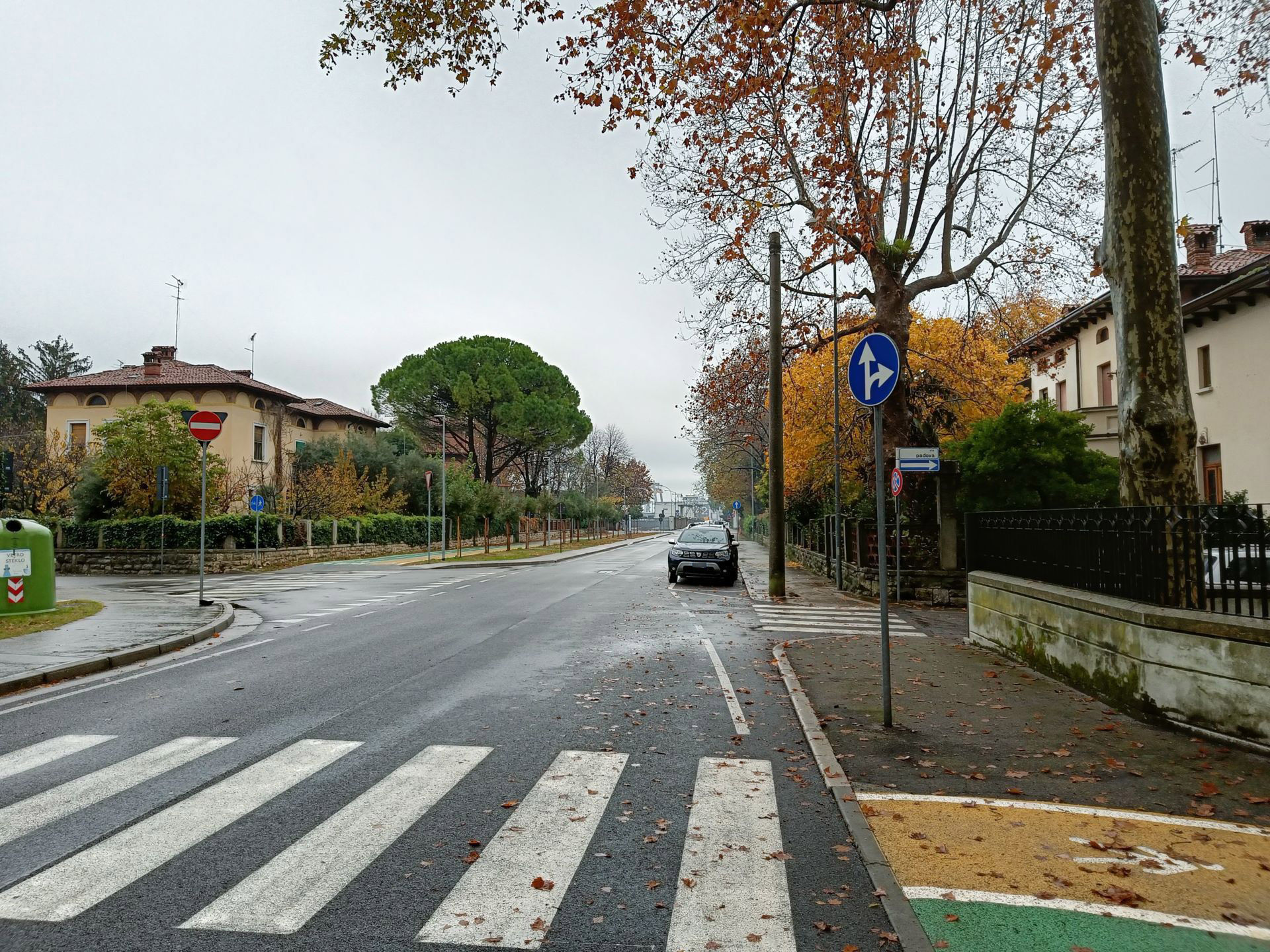
Photo 48 - Direction Trento Street
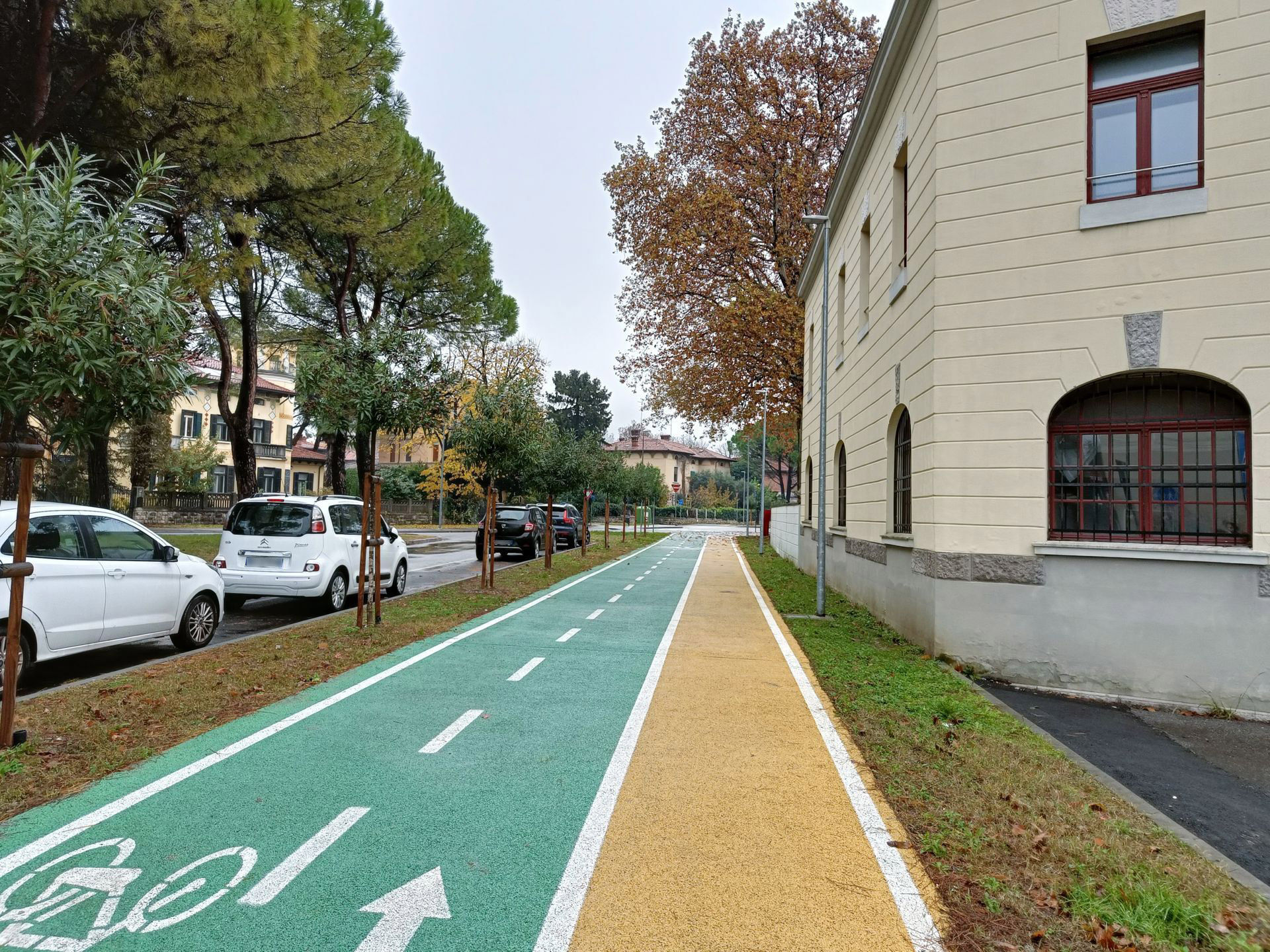
49 - Trento Street
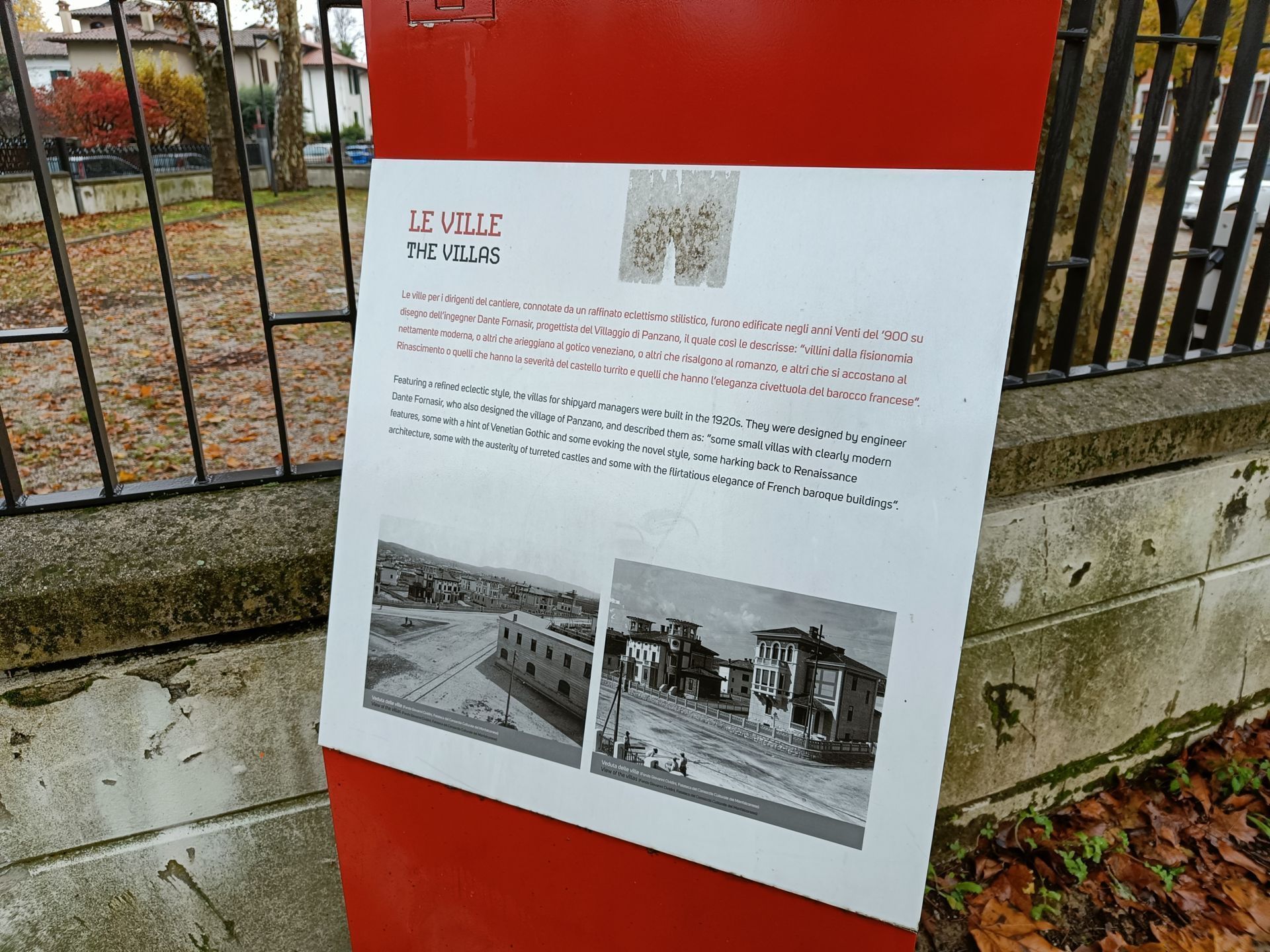
50 - Explanatory panels
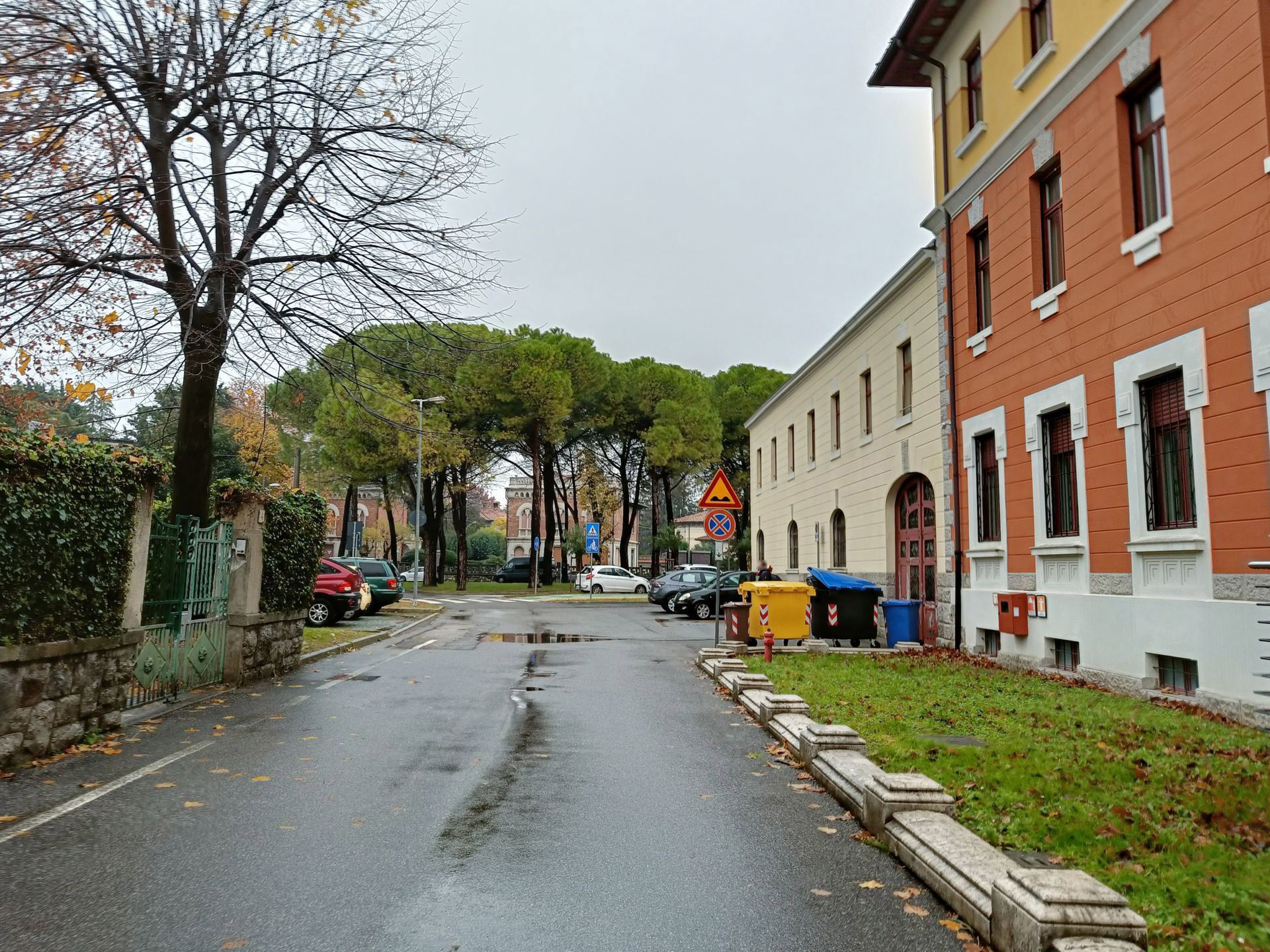
51 - Bologna Street
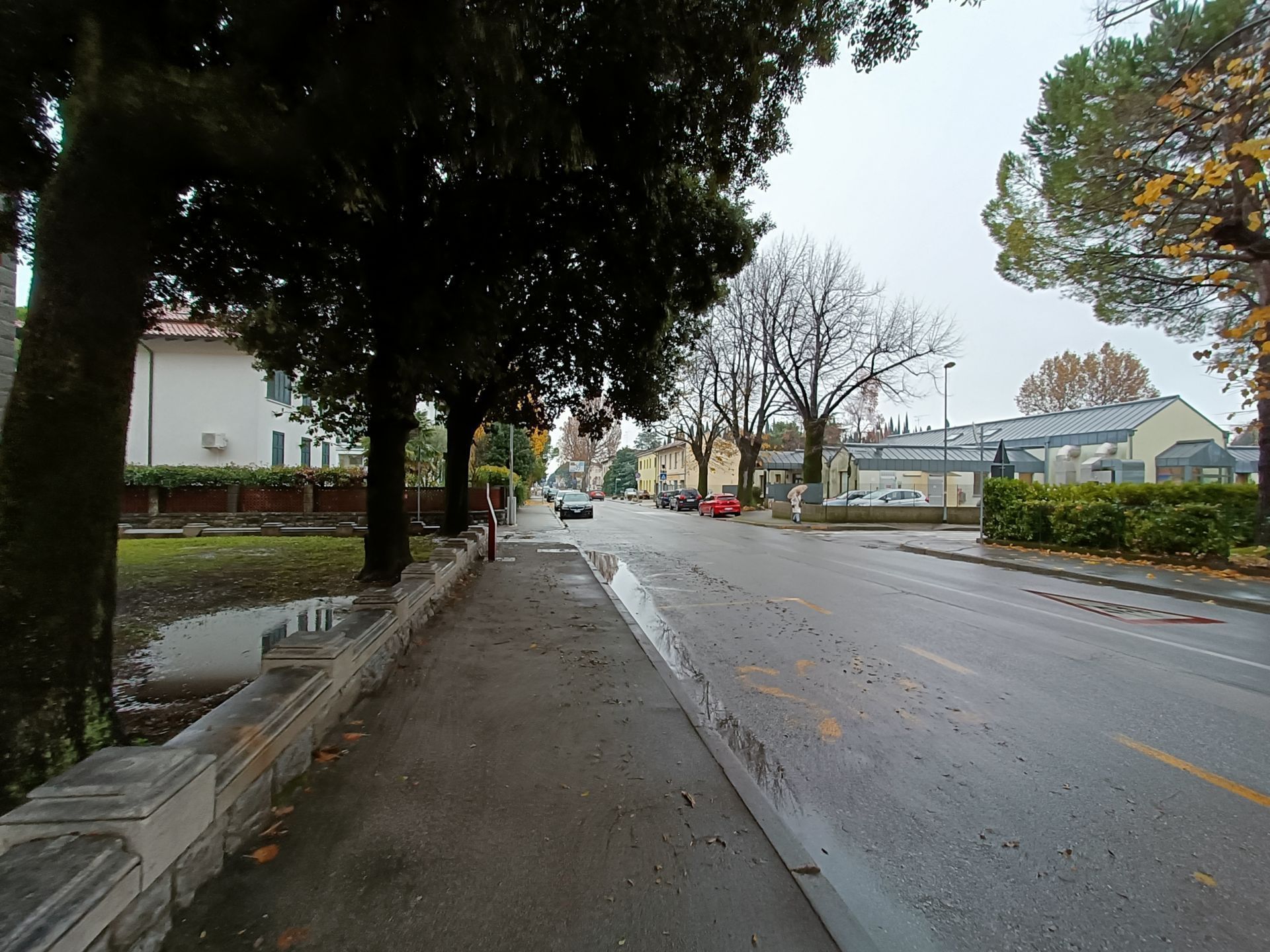
52 - Cosulich Street
Arriving at the roundabout that intersects via Callisto Cosulich with via Oscar Cosulich, continue the path to the left crossing via Oscar Cosulich. The pedestrian crossing è connected with the sidewalk and is made of asphalt with white stripes, regular and homogeneous surface, Loges modules. Continue on the sidewalk with a width of 150cm, with a concrete surface towards via Callisto Cosulich, alongside the school on the left (Photo 53). Continuing, the sidewalk è interrupted several times by the access ramps of the commercial activities. These are made of asphalt and have a reverse slope of 7% (Photo 54).
Along the route we find the municipal sports facility Coslich and there is also an information panel in red with black text on a white background and good readability (Photo 55). Immediately after the entrance of the sports facility, we find on the left a parking space for people with disabilities. At the entrance to the parking lot, the sidewalk becomes concrete and then resumes with wide concrete blocks with narrowing due to the presence of lighting poles, but this does not hinder the use of the sidewalk which appears wide.
The path continues on the pedestrian crossing of via Napoli with white stripes on an asphalt background which, however, is not connected with the sidewalk that has a height of about 15 cm. It is therefore recommended to use the pedestrian crossing at the sports facility to cross to the right sidewalk and continue the path safely (Photo 56). The path continues on the crossing on via della Marcelliana with pedestrian stripes on asphalt and sidewalks connected with the roadway (Photo 57). The path continues first on concrete blocks and then with a pedestrian crossing on via Marco Polo with white stripes on asphalt and a sidewalk connected with the roadway.
The path on via Cosulich continues with a sidewalk made of concrete blocks and a width of 160 cm with occasional narrowing due to the presence of lighting poles. Near via Palermo, there is a parking space for people with disabilities.
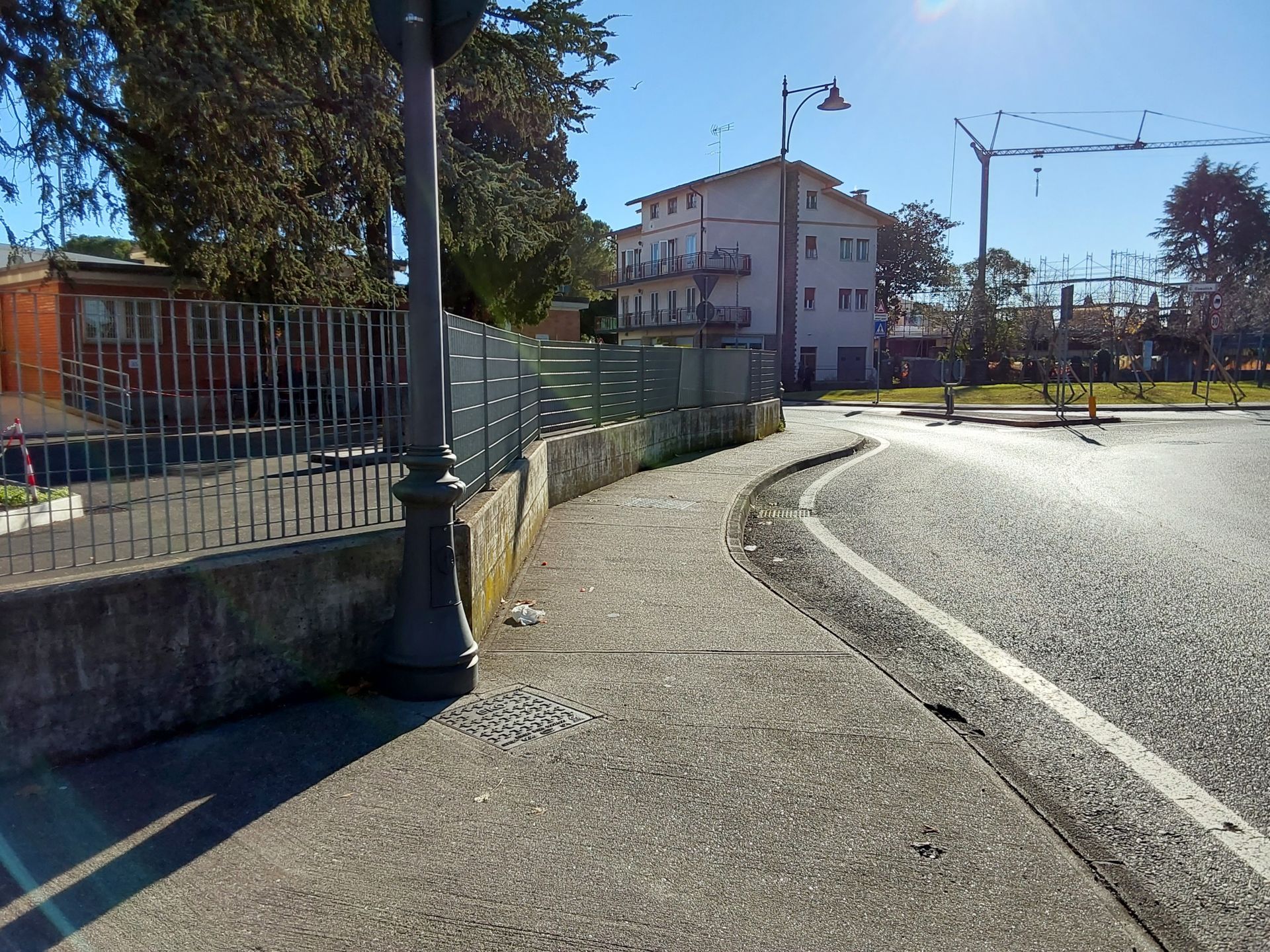
53 - Concrete sidewalk
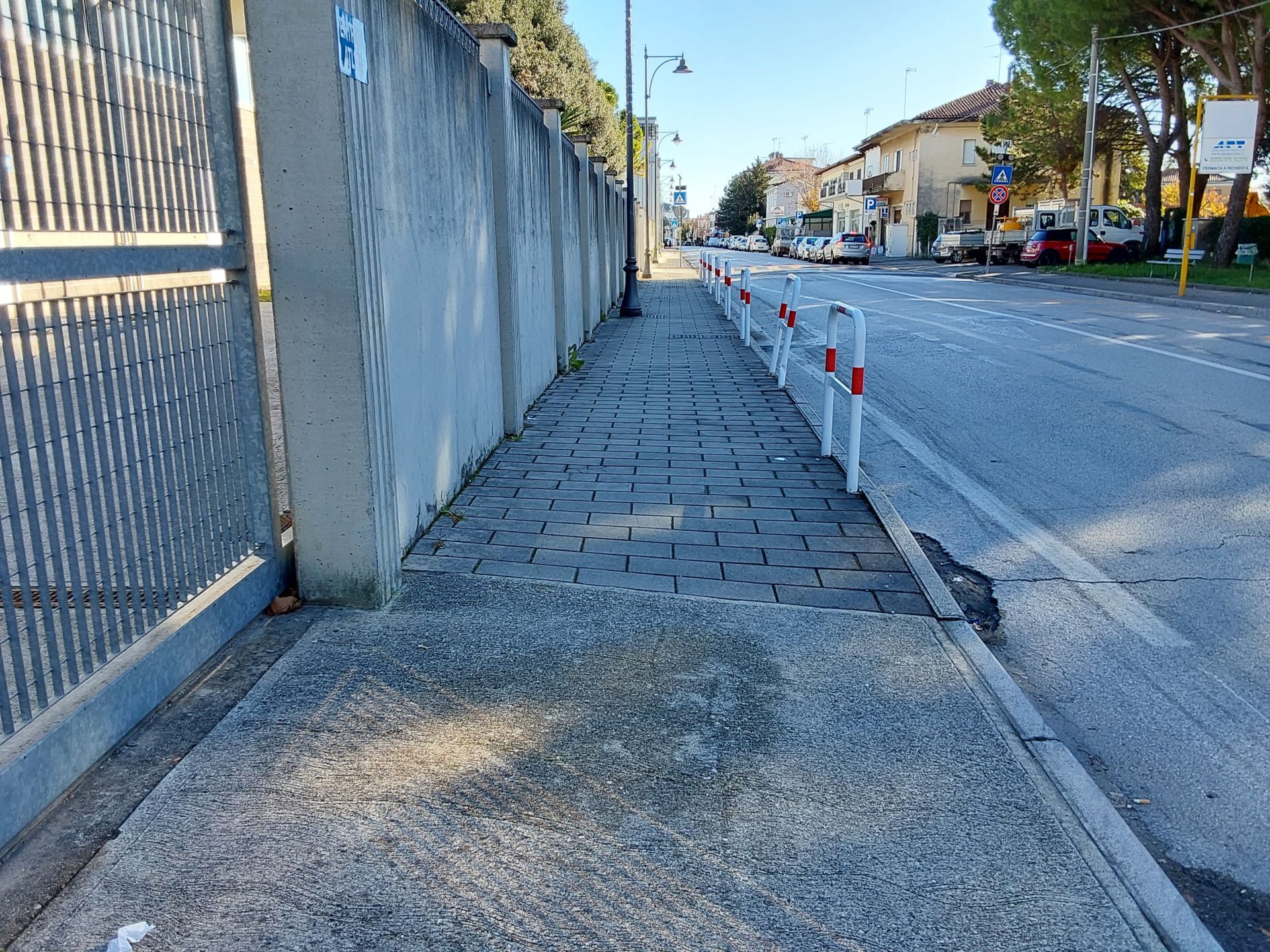
54 - Downward ramps
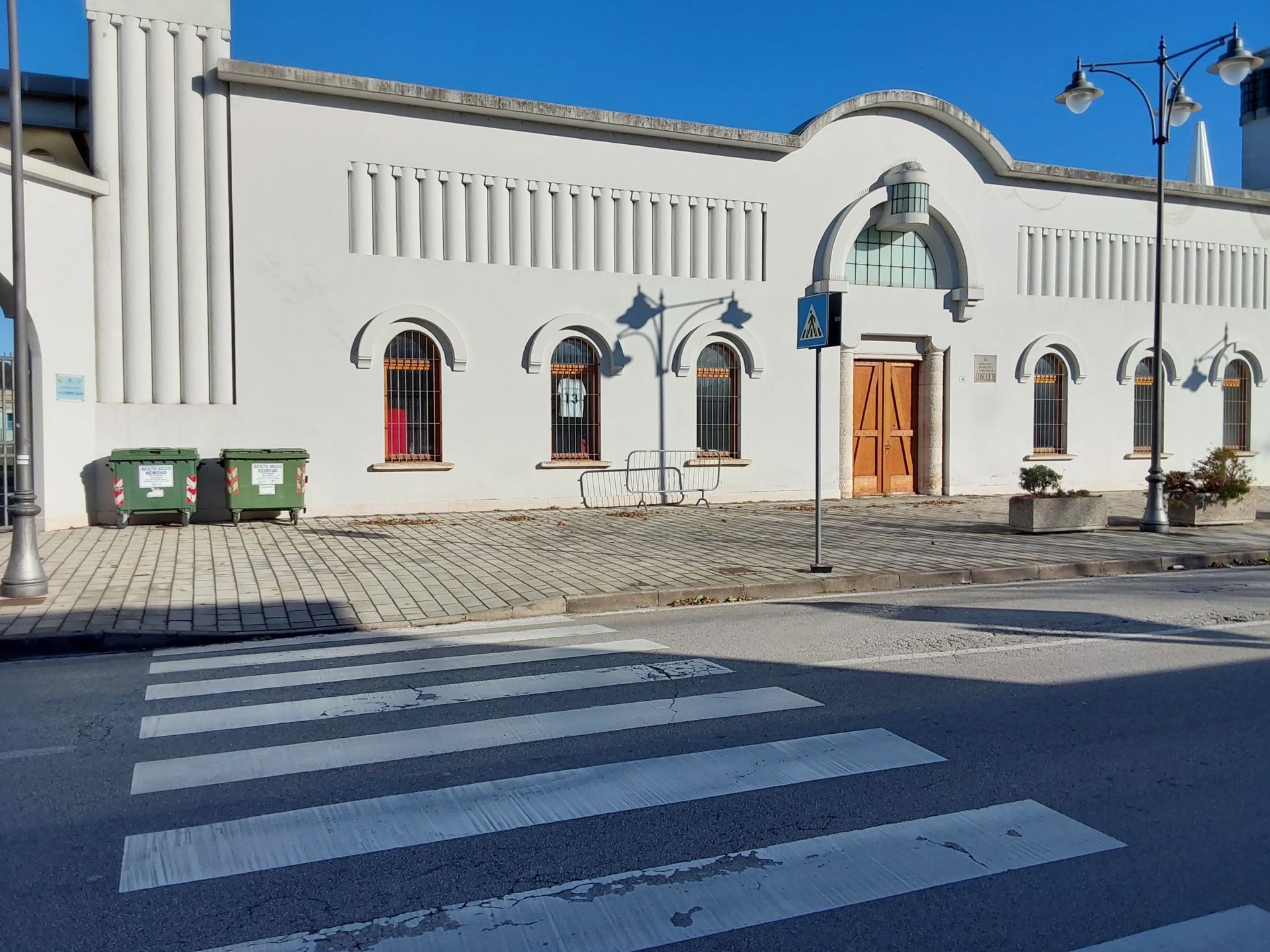
Photo 55 - Municipal sports facility with pedestrian crossing
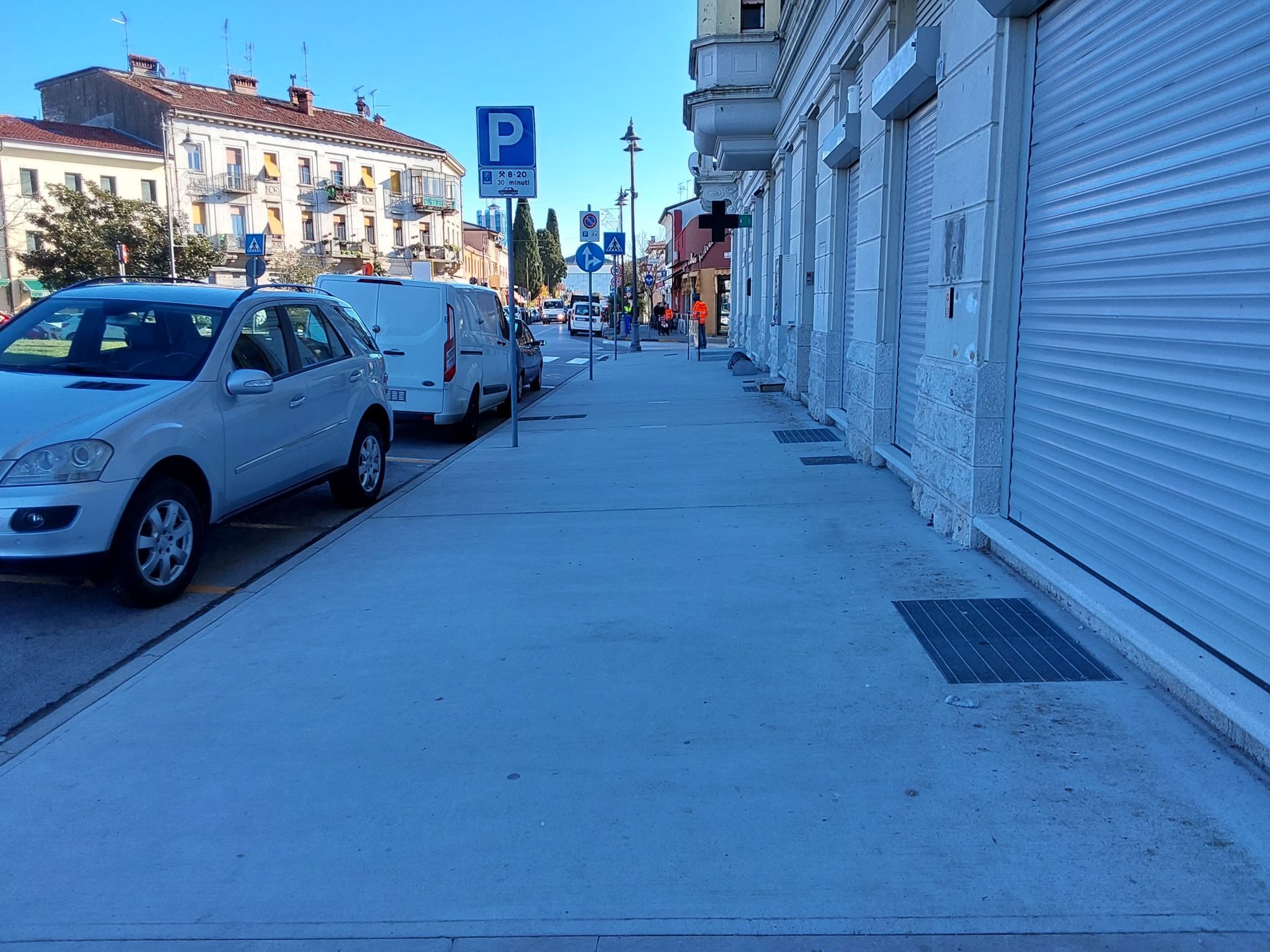
Photo 56 - Right side sidewalk
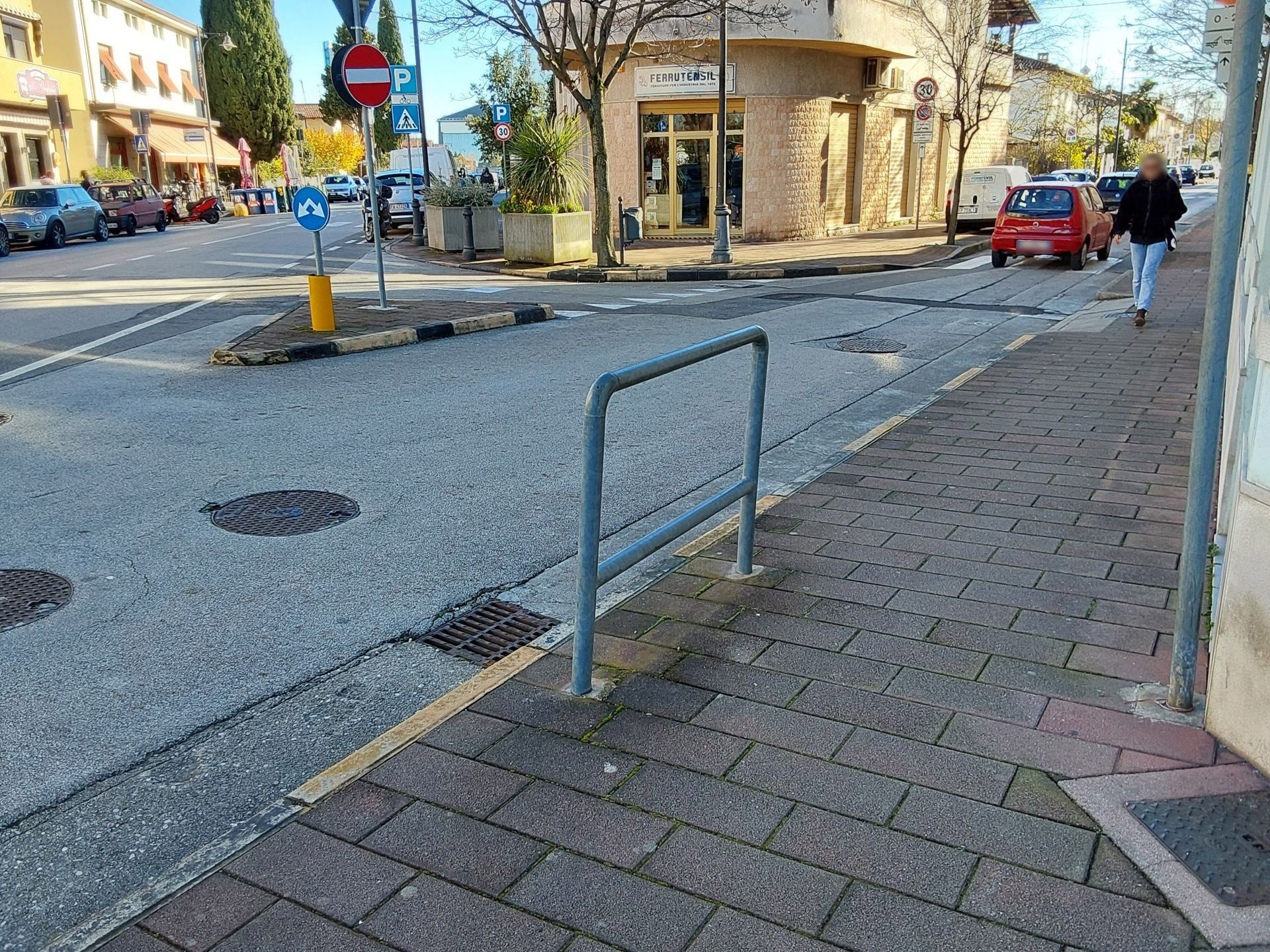
Photo 57 - Crossing on via della Marcellina
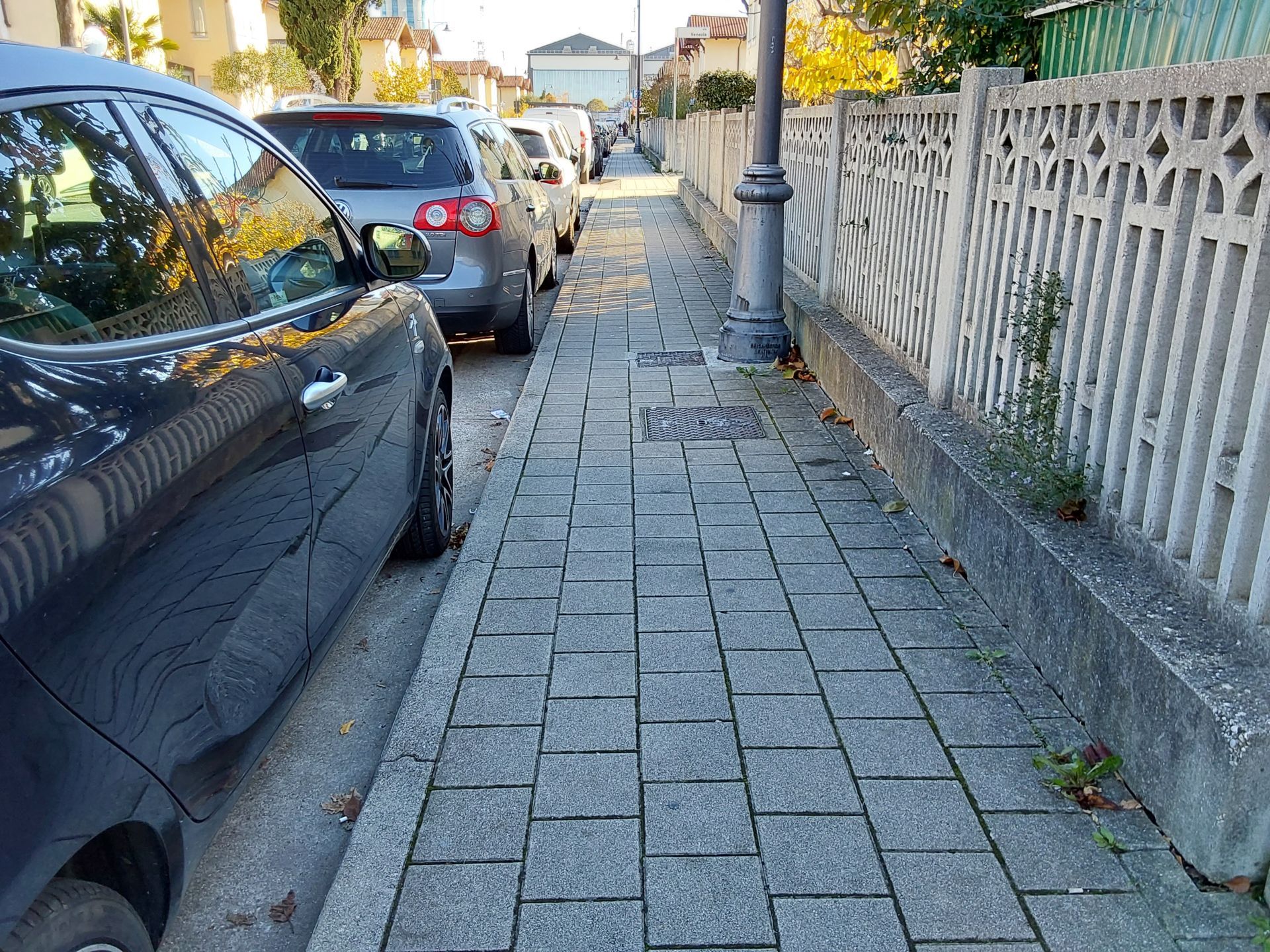
Photo 58 - Narrowings on the path
The path continues until the right turn onto via Predonzani, always on a sidewalk made of concrete blocks, with narrowing due to the presence of trees and lighting (Photo 59). The path continues on via Colombo and then turns left onto via Pisani on a regular surface of concrete blocks. On via Colombo, there are two parking spaces reserved for people with disabilities (Photo 60). After traveling along via Pisani, you turn right and return to via Cosulich, which has a regular concrete surface. There is an information sign describing the Panzano neighborhood, with red and black characters on a white background, and the sign is in bilingual Italian and English (Photos 61-62). You continue on via del mercato with sidewalks connected by a ramp and loges modules and a small asphalt interruption (Photo 63). At the entrance of Fincantieri, there are two parking spaces reserved for people with disabilities (Photo 64).
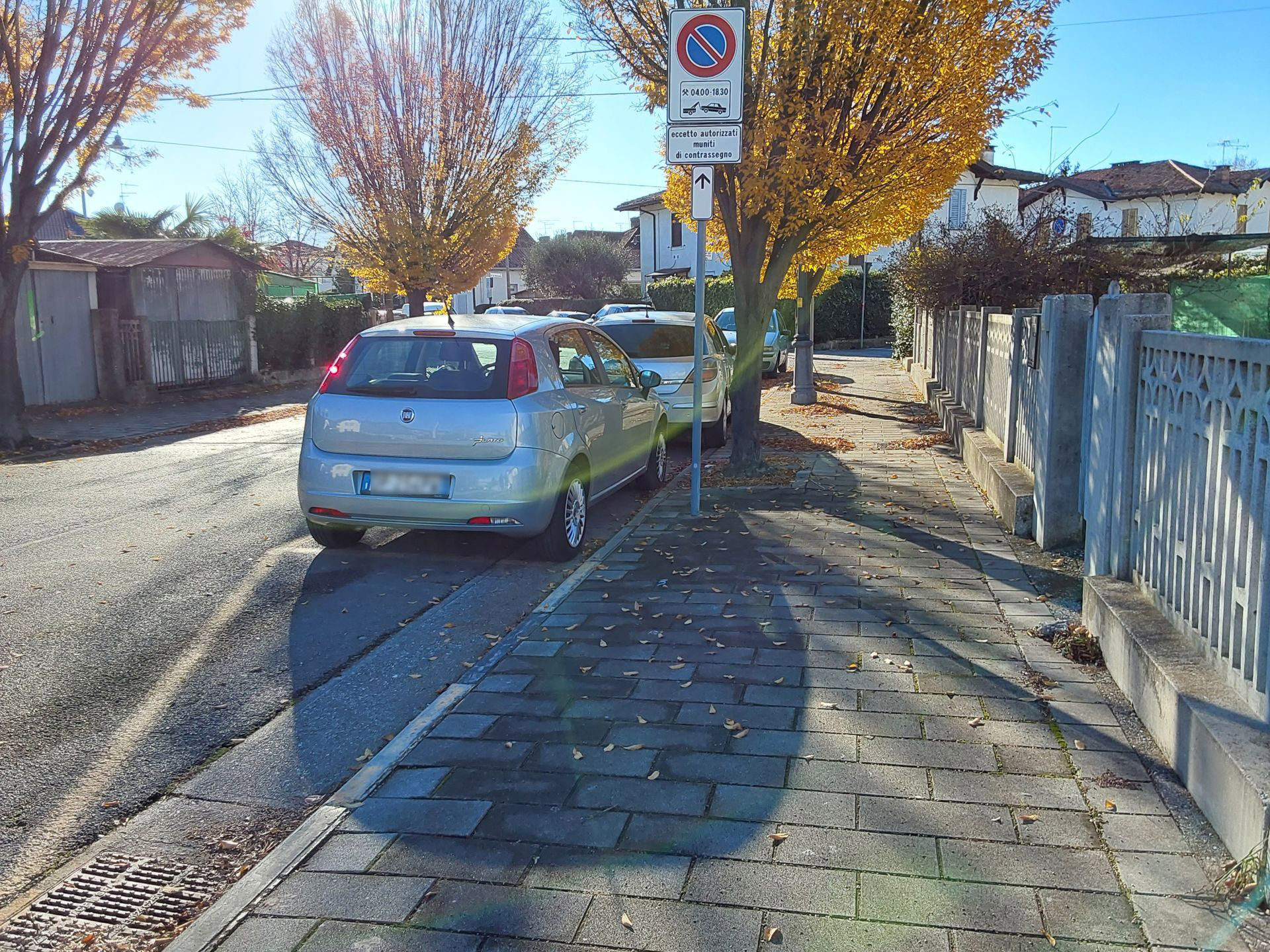
Photo 59 - Via Predonzani
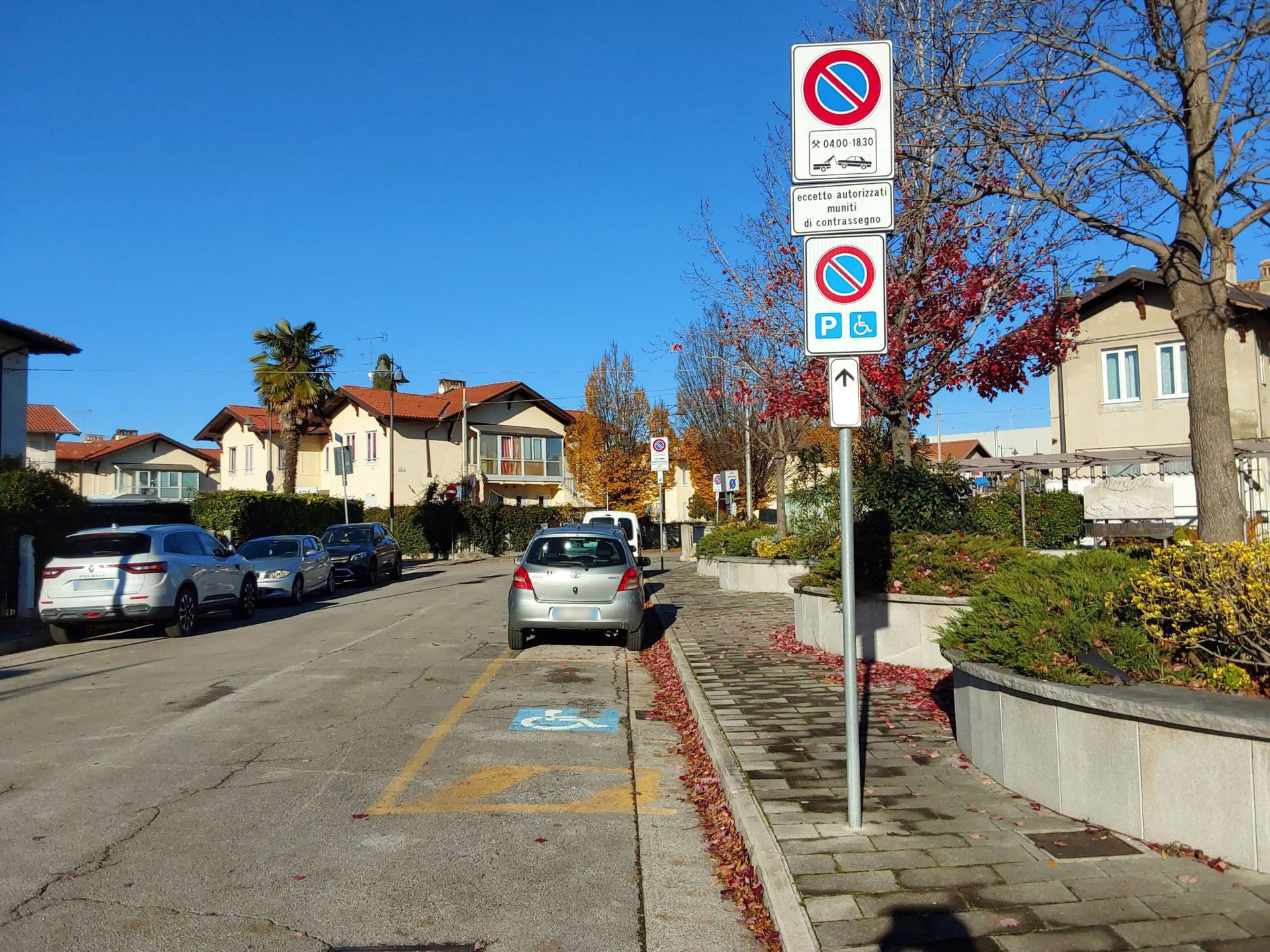
Photo 60 - Reserved parking
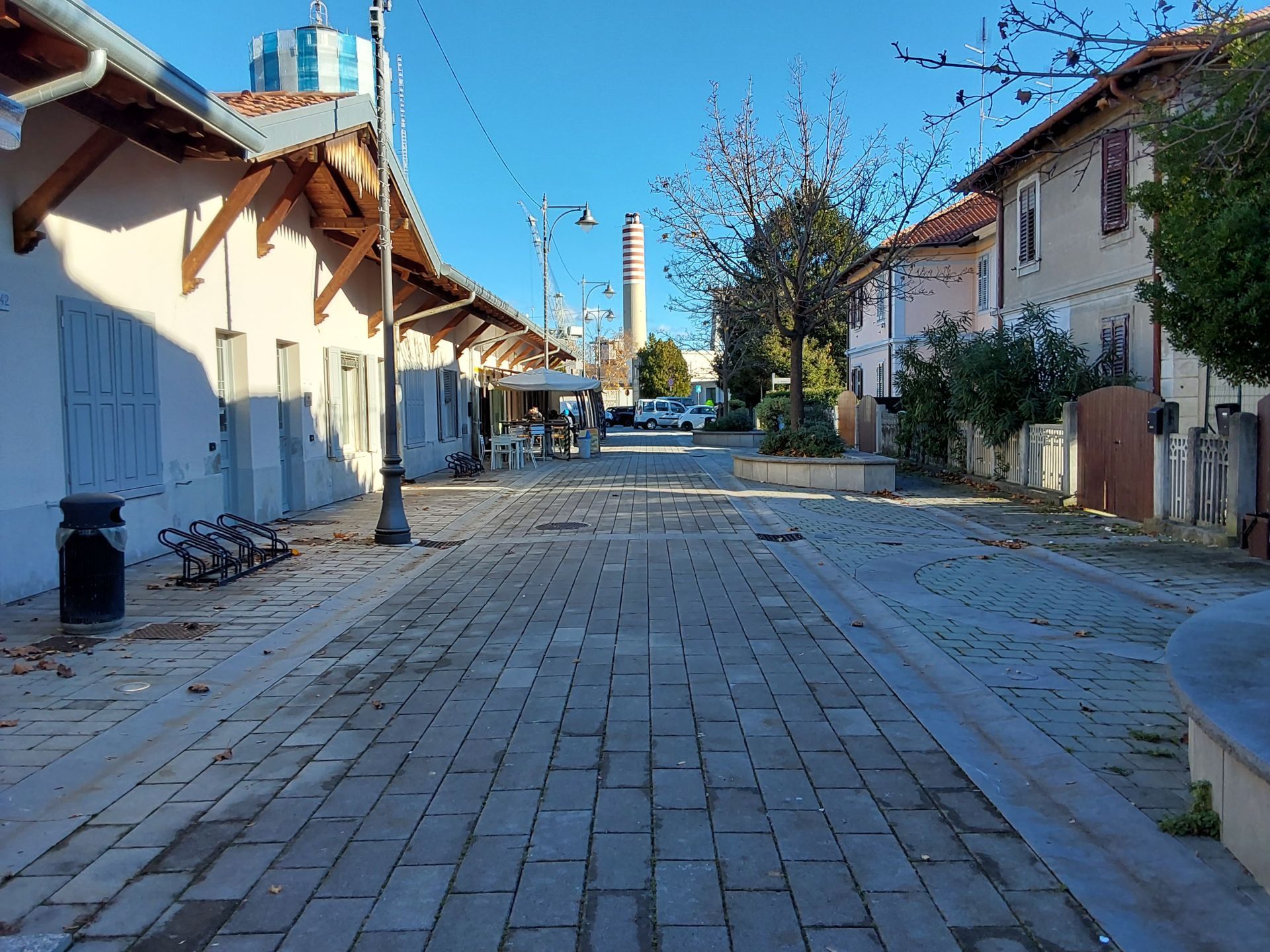
Photo 61 - Path on Via Pisani
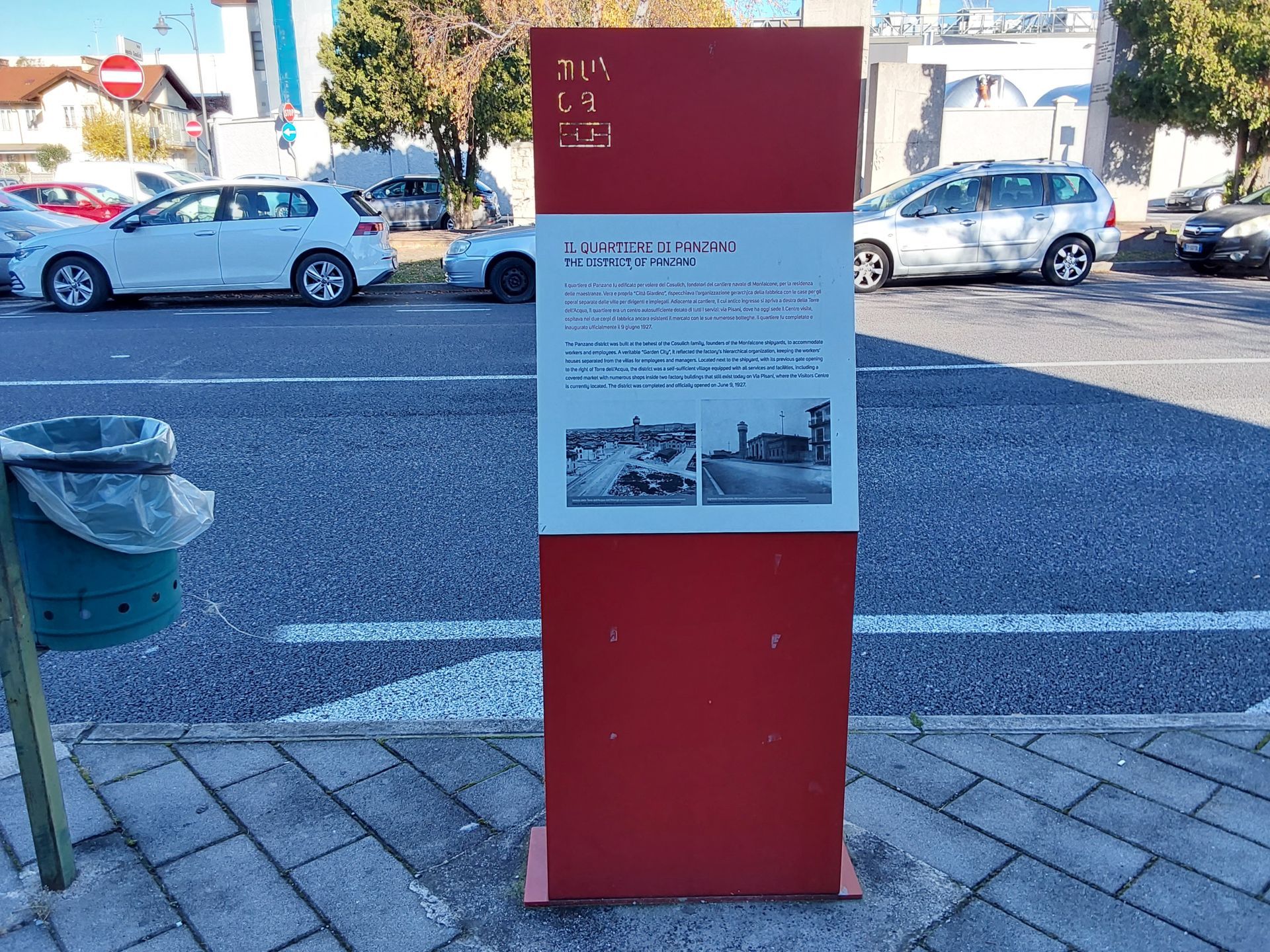
Photo 62 - Information panel
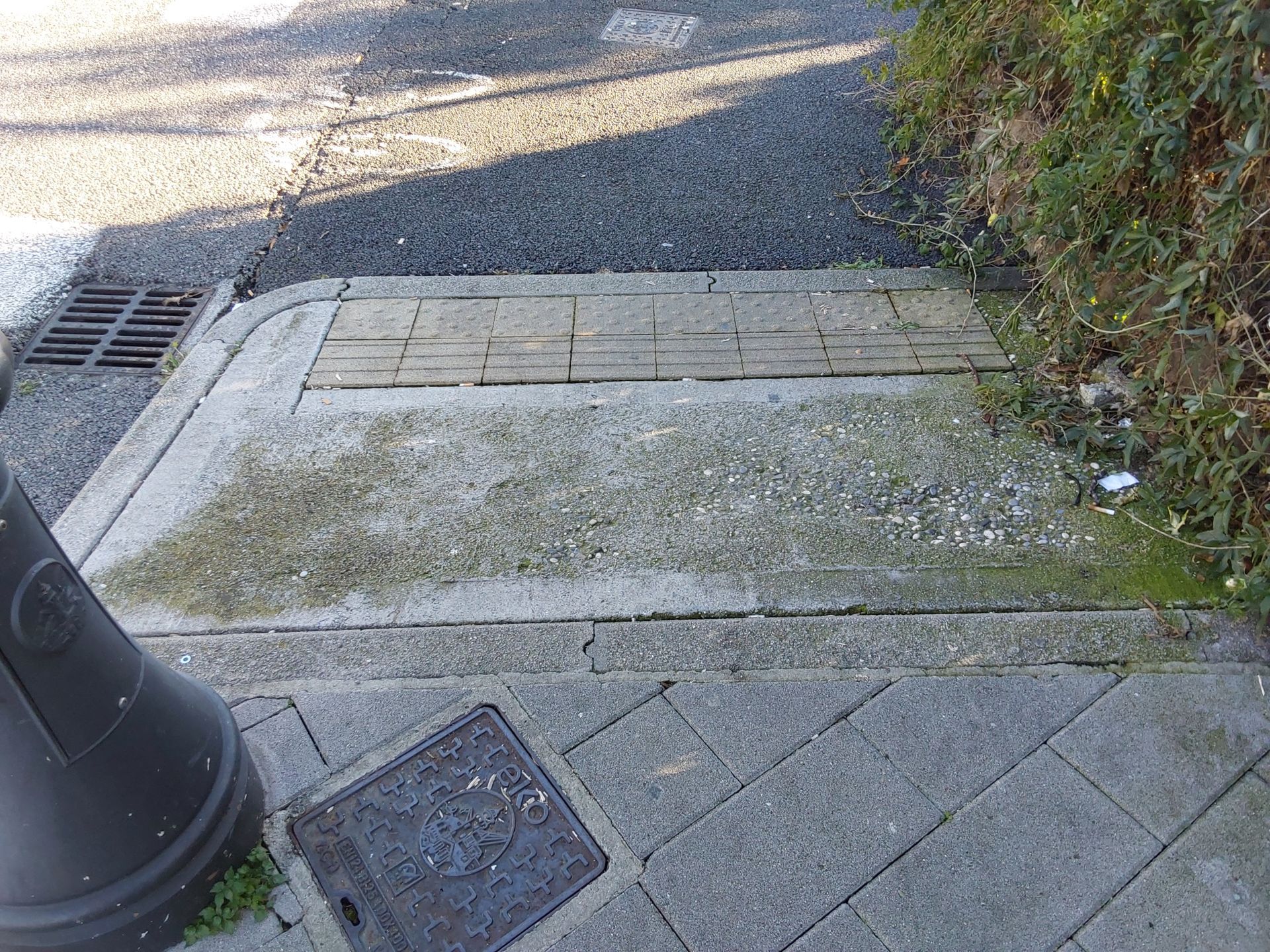
Photo 63 - Sidewalk interruption
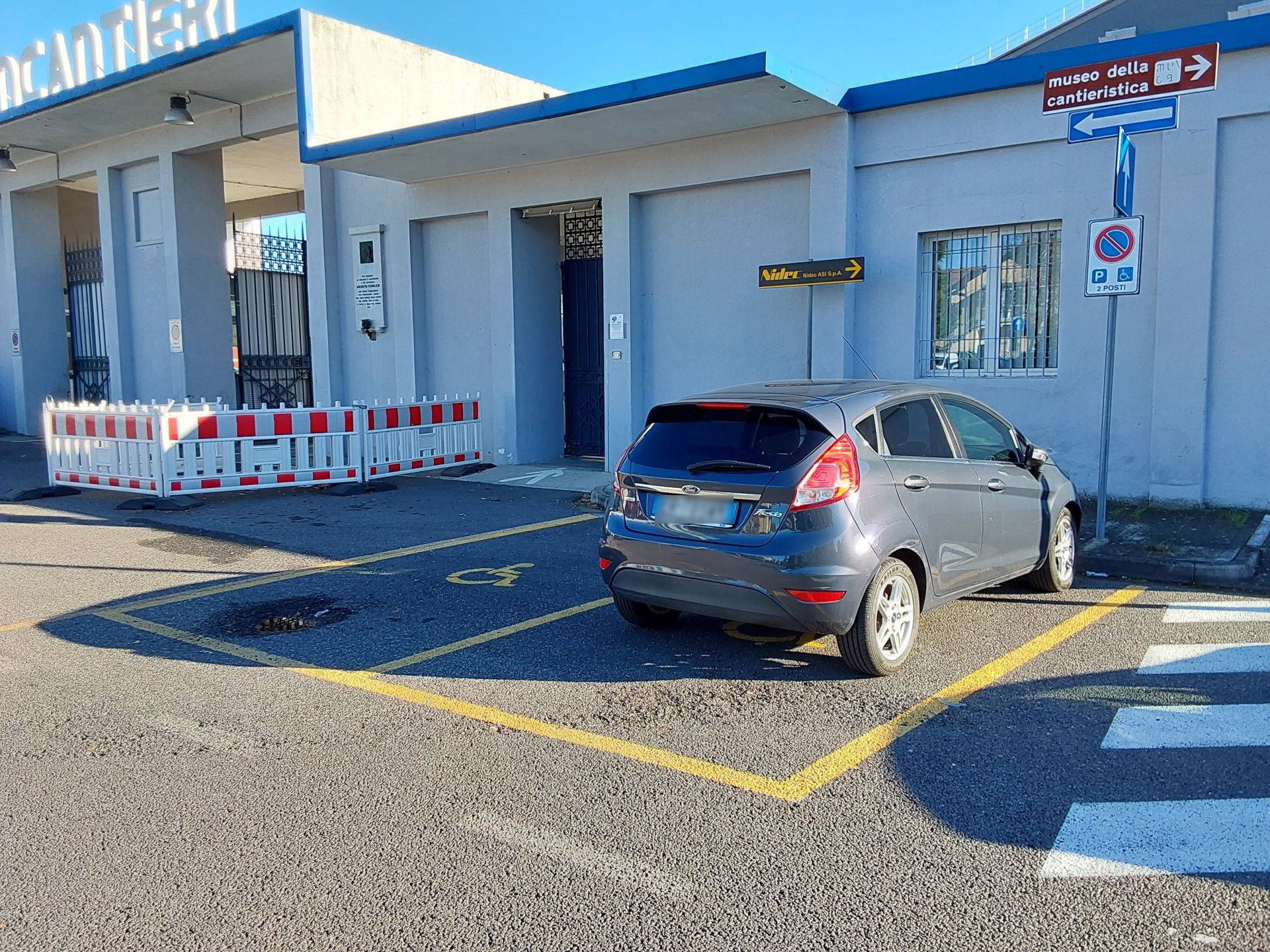
Photo 64 - Reserved stalls
The path continues on the right sidewalk with a pedestrian crossing on via Dandolo, made of asphalt, with a regular and homogeneous surface and with white stripes connecting to the sidewalk; Loges modules are present (Photo 65). The route continues on via del mercato towards the MUCA, the shipbuilding museum (Photo 66). There are no connected pedestrian crossings, so it is advisable to use the last crossing on via del mercato by descending from the ramp near the pedestrian crossing and crossing unsafely on the road near piazzale Dante fornasir. The sidewalk on the left side of the crossing, corresponding to the piazzale, is connected to the sidewalk. The path continues towards the MUCA following the asphalt pavement, which has some narrow sections (also due to the presence of bicycles) with a minimum width of 120 cm (Photo 68). To return to the starting point, you need to retrace the route.
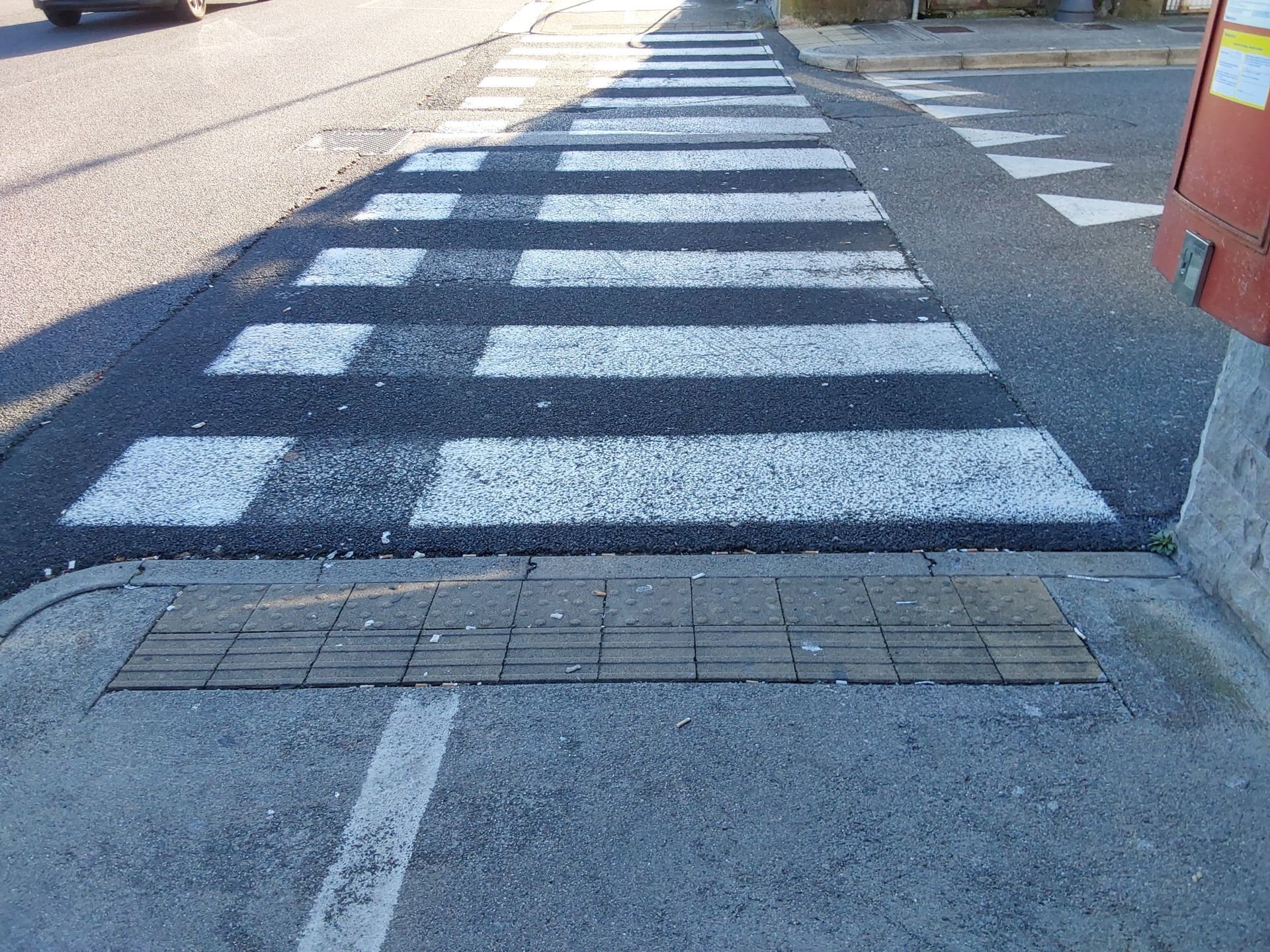
Photo 65 - Crossing on Dandolo Street
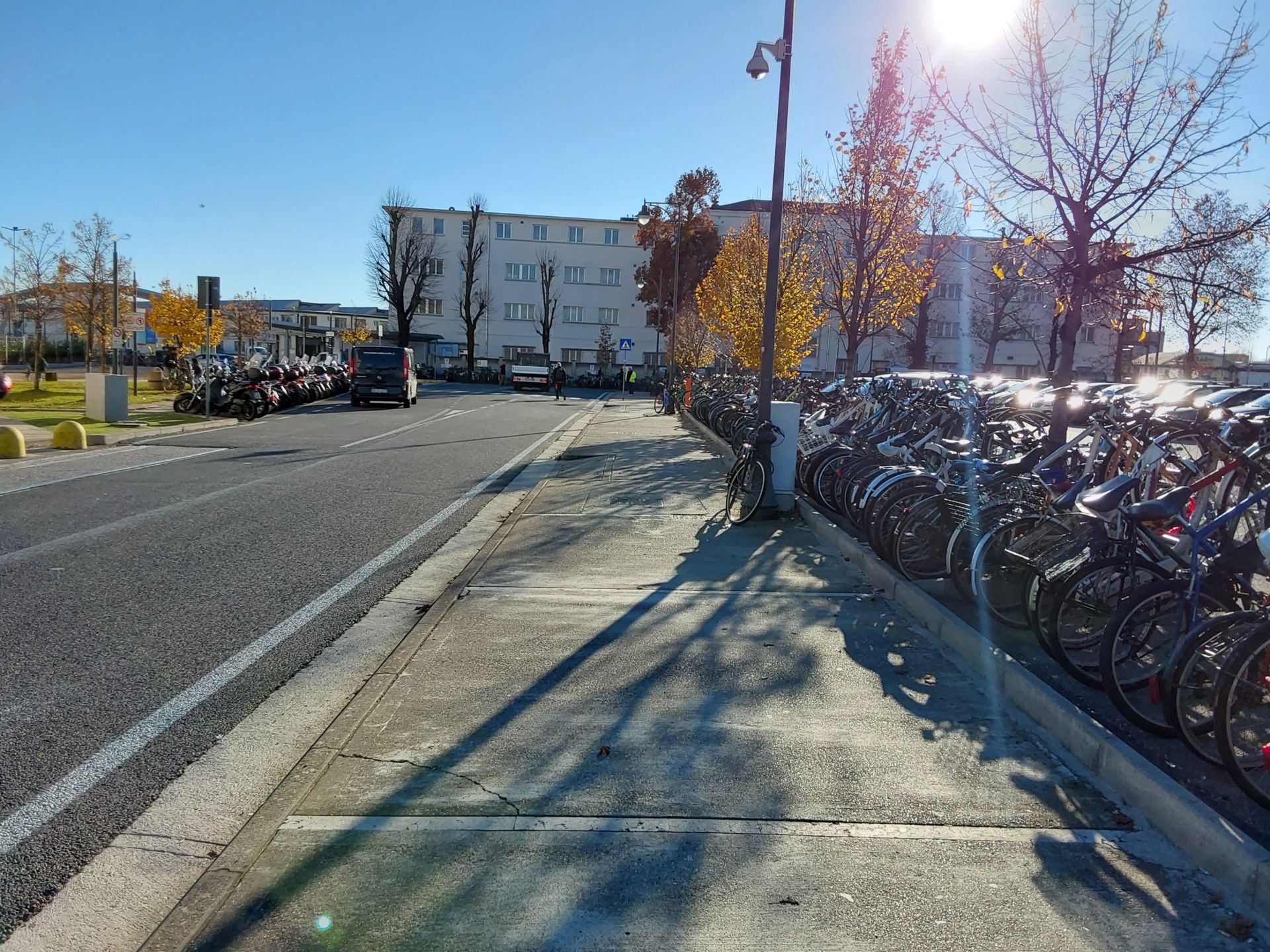
Photo 66 - Path on concrete sidewalk
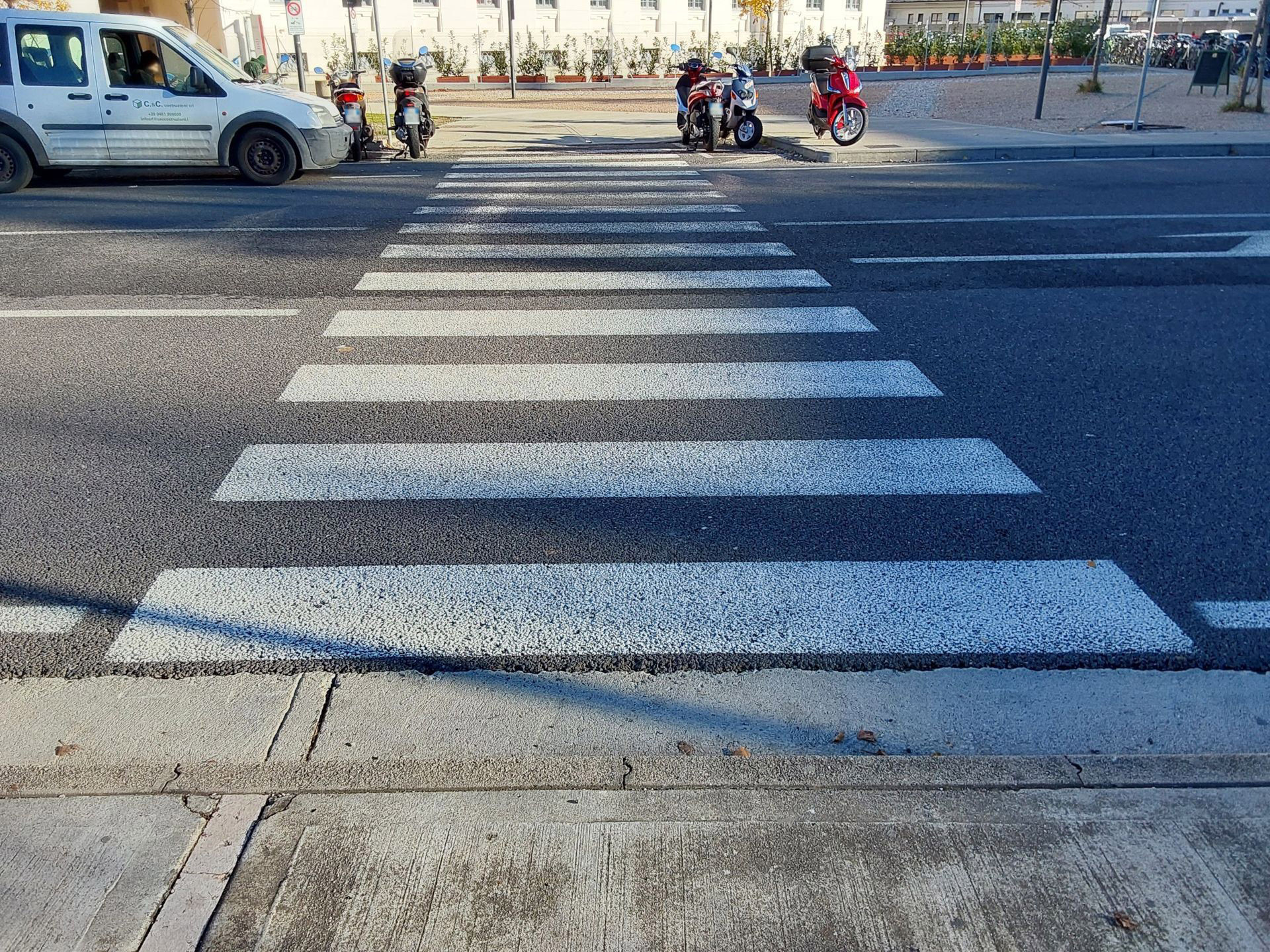
Photo 67 - Unconnected pedestrian crossing on the right side

Photo 68 - Path to reach the MUCA
The visit can be made at any time of the year.
The route starts from the parking lot at Piazzale della Resistenza where there are two stalls reserved for people with disabilities (Photo 1). The access to the nearest pedestrian path is not safe as it is on the roadway. It is recommended to reach the nearest sidewalk by walking along the roadway in front of the multi-storey car park to reach the nearest connected sidewalk (Photo 2). The path continues on the concrete sidewalk with a regular surface of 160cm width and a slope of 2.8% and has some narrow sections due to the presence of electric car charging stations and poles (Photo 3).
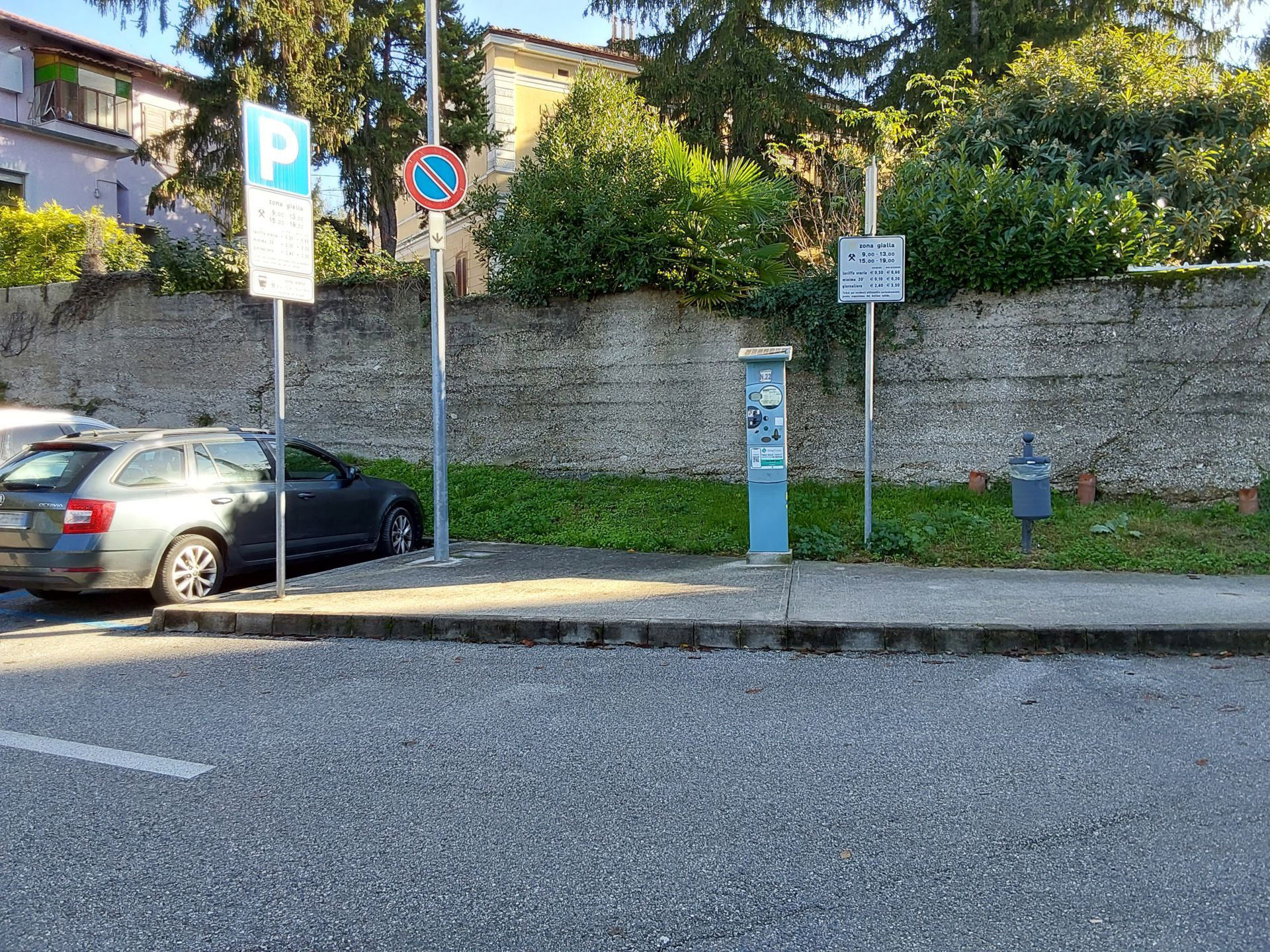
Photo 1 - Parking Piazzale Resistenza
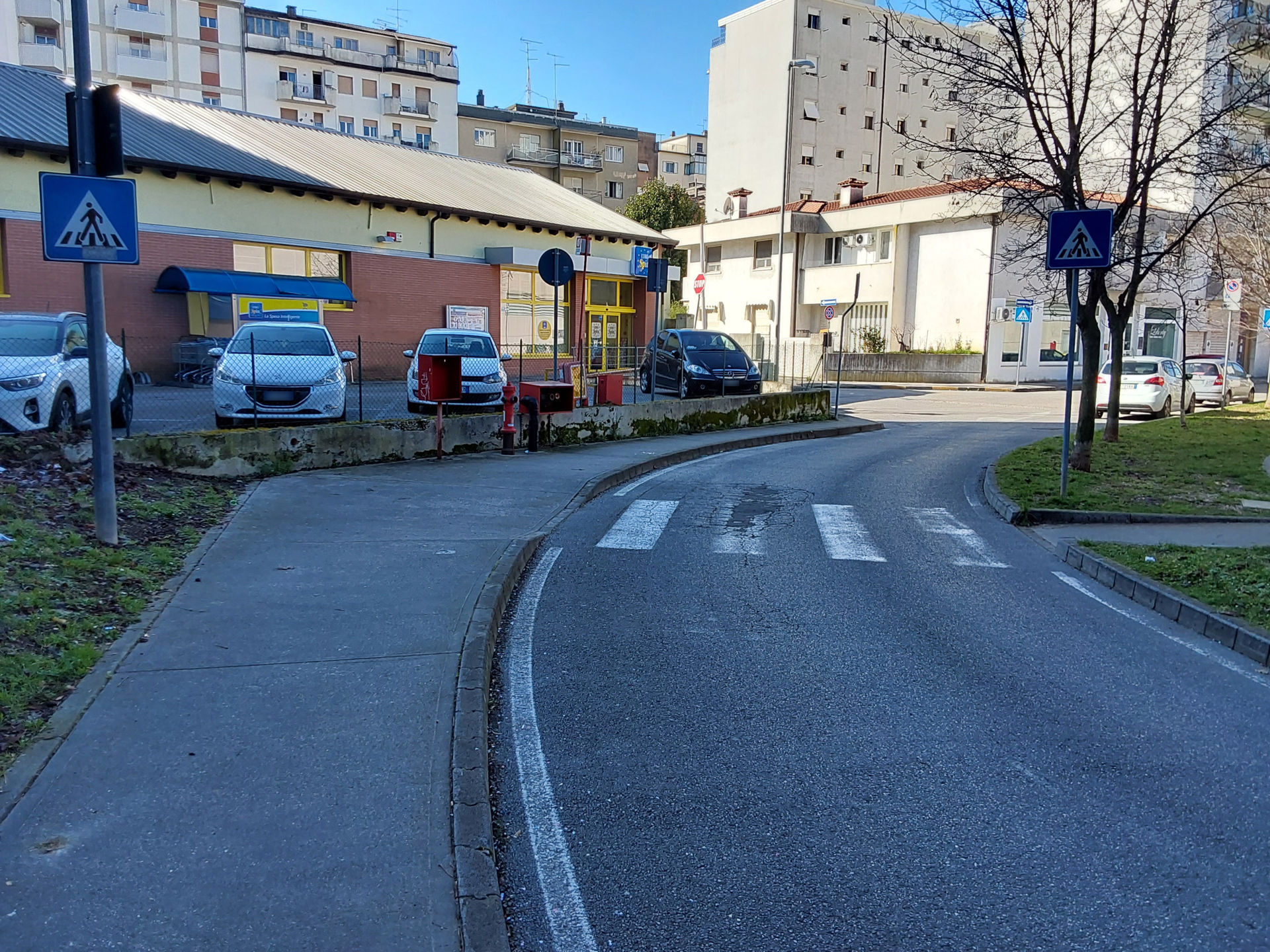
Photo 2 - Reaching the sidewalk
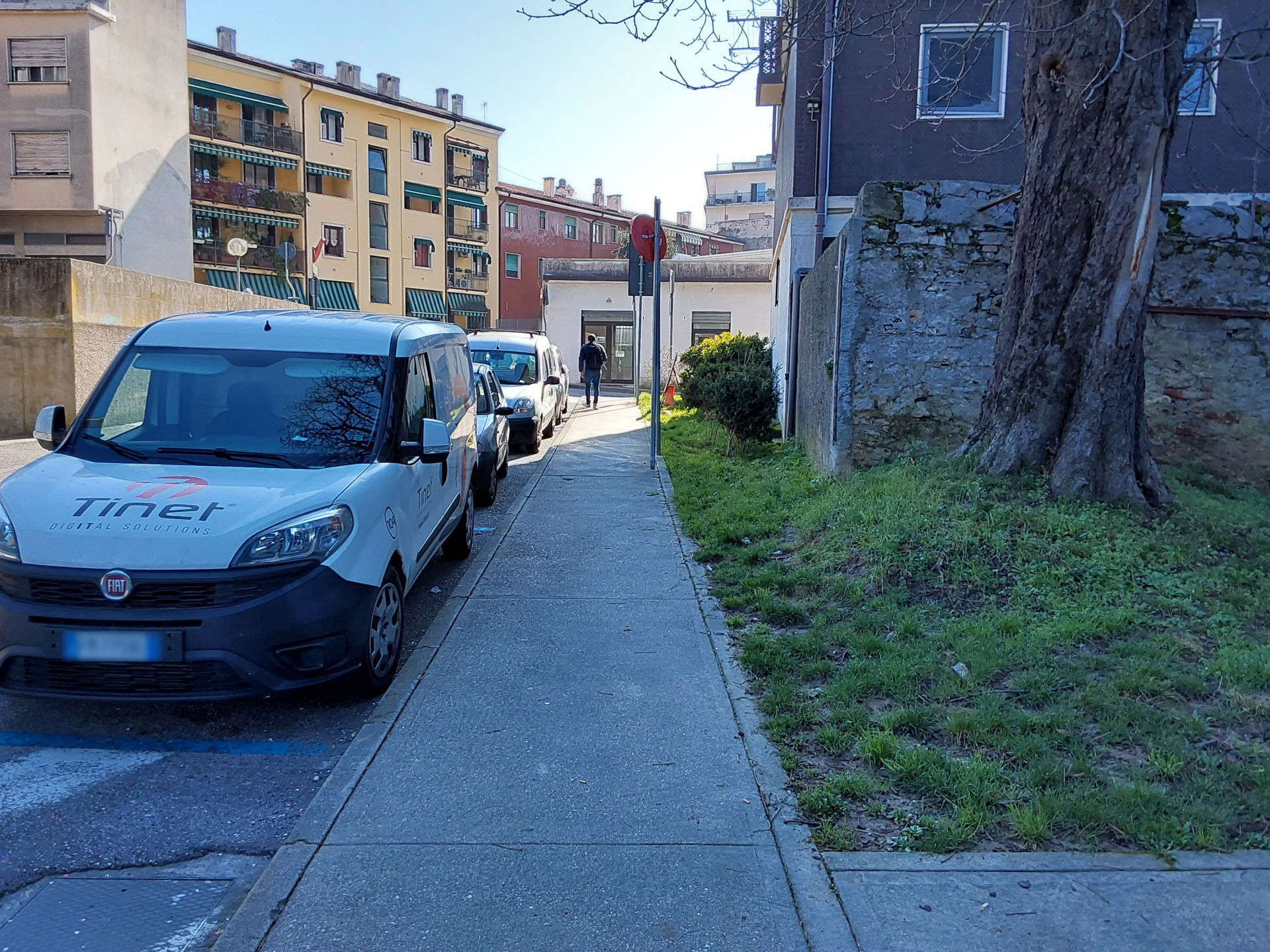
Photo 3 - Sidewalk narrowing
2.5
/3
2.3
/3
1.5
/3
2.3
/3
2.5
/3
2.8
/3
2.4
/3
2.5
/3
2.8
/3
2.3
/3
2.4
/3
2.7
/3
2.8
/3
2.1
/3
2.6
/3
2.8
/3
2.5
/3
2.8
/3
2.6
/3
2.2
/3
1.8
/3
2.0
/3
2.2
/3
2.2
/3
1.0
/3