 MAP
Lignano Sabbiadoro - Punta Verde Zoo Park

Sea
GENERAL INFORMATION
LAST INSPECTION DATE
20/06/2024
PLANNED ITINERARY
Lignano Sabbiadoro - Punta Verde Zoo Park
LENGTH
1740 meters
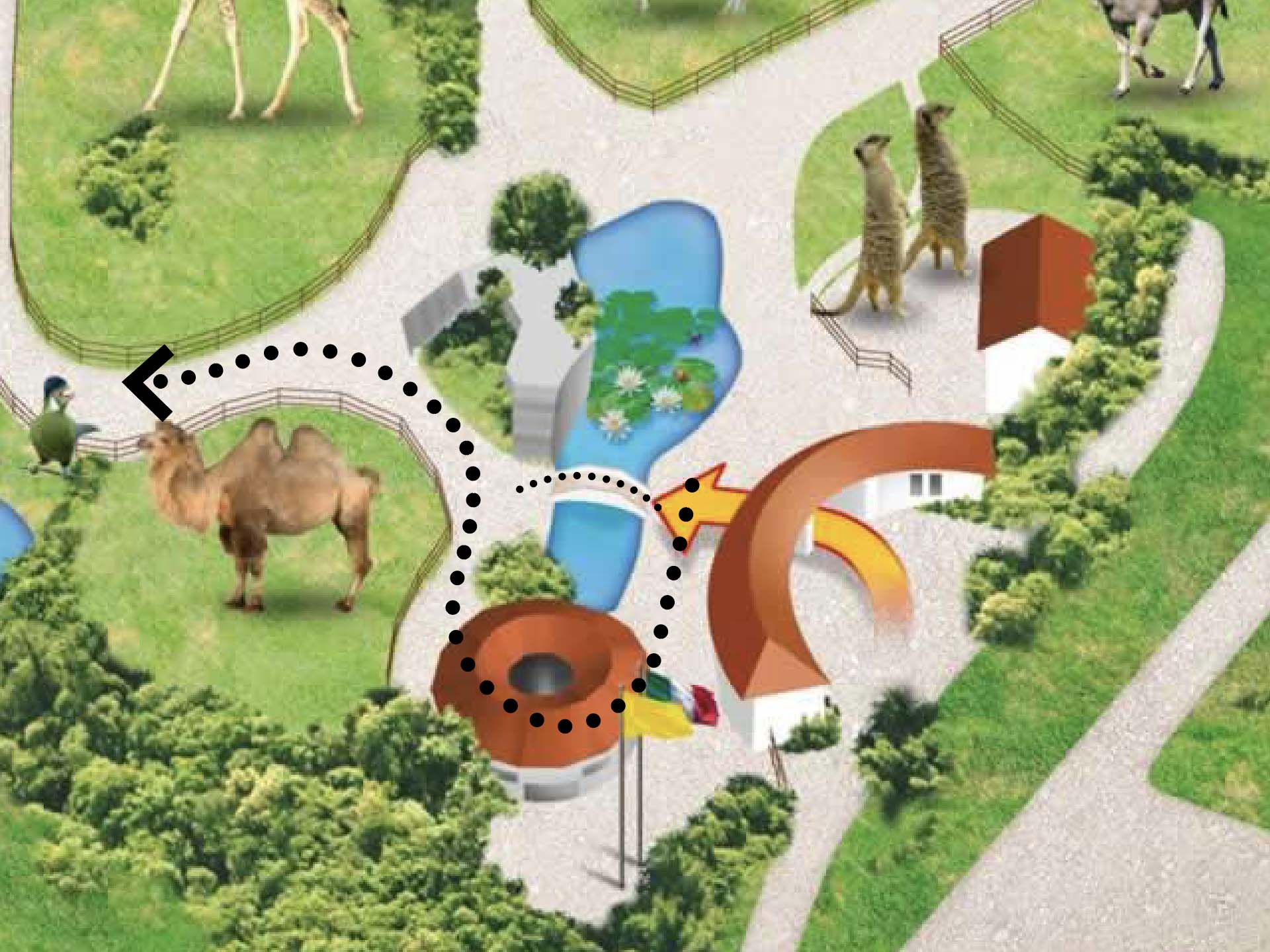
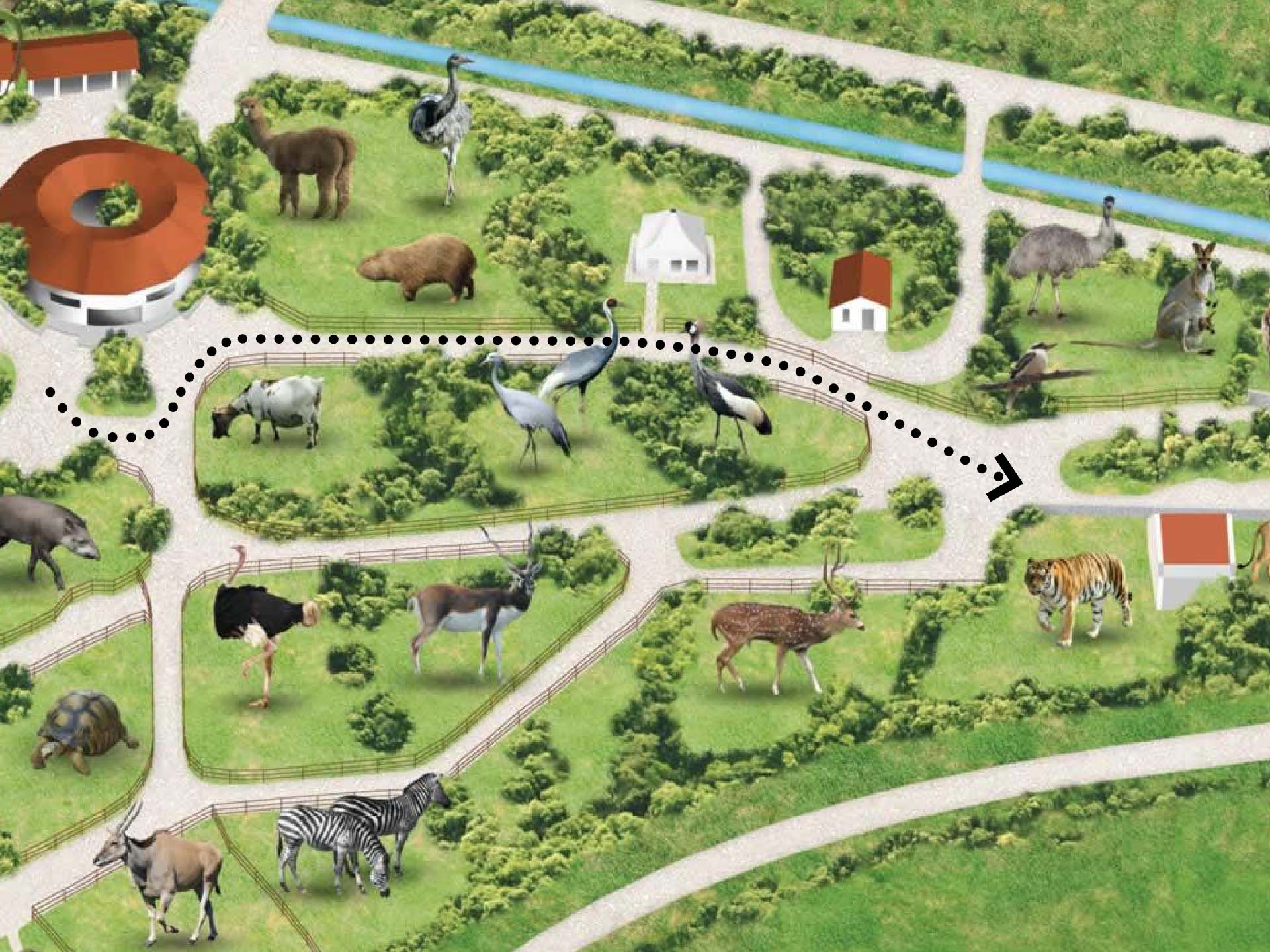
The path inside the Punta Verde Zoo Park is approximately 1700 meters long and can be completed in just under 3 hours, depending on the duration of the stop for observing the animals.
Section 1
After passing the ticket office, wheelchair users enter the park through a small gate, upon request for opening at the entrance or (photo 1).
After the entrance, there is a small wooden bridge with a slight slope that can be easily used with a wheelchair if accompanied or if using a wheelie (photo 2).
Alternatively, immediately after the entrance, one can turn left passing in front of the Zoovenir shop (see descriptive sheet) with a smooth and accessible pavement (photo 3). The paved path continues to the enclosure of the camels (photo 4).
Section 1
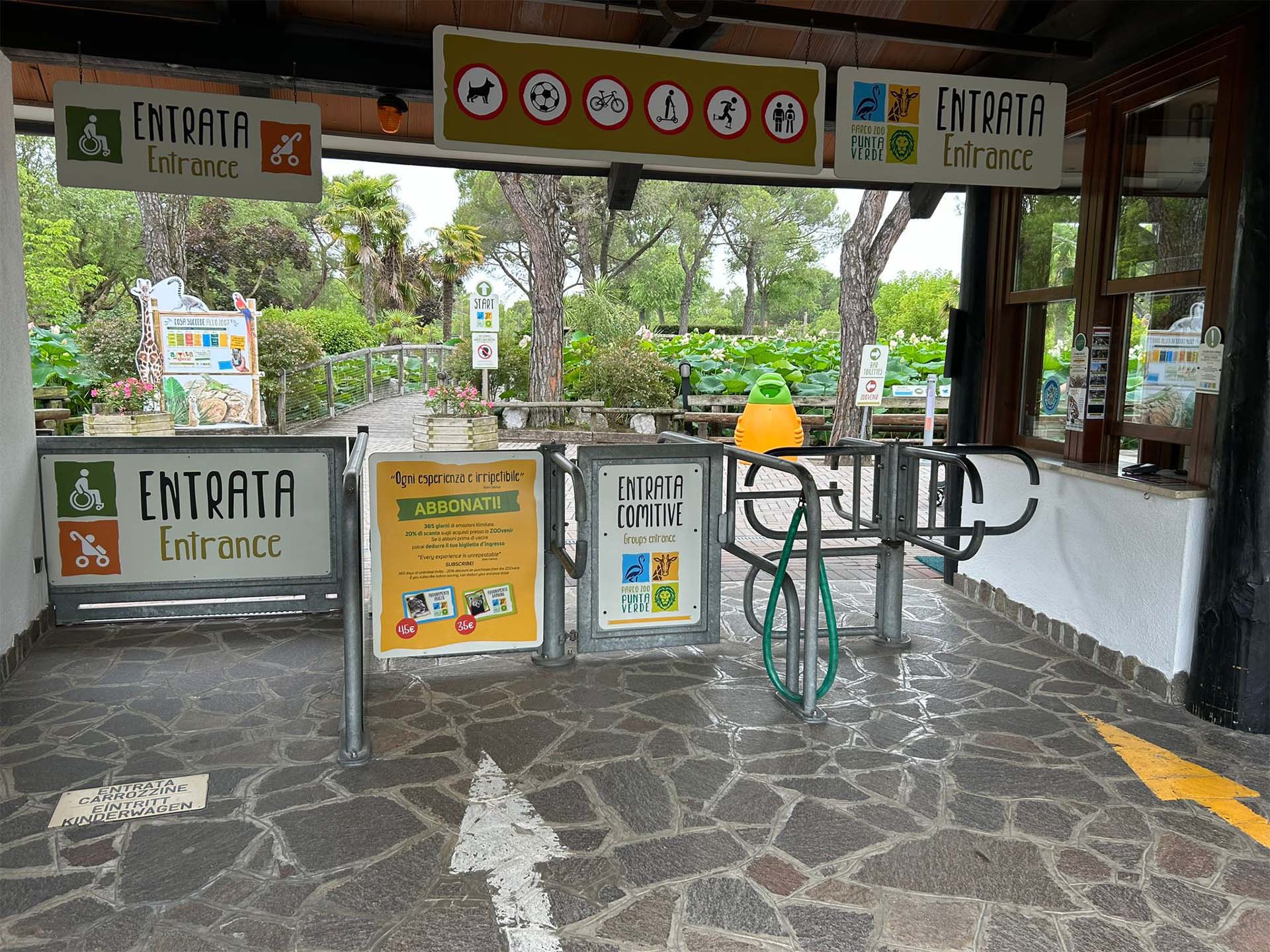
Photo 1 - Entrance with a gate reserved for wheelchair users
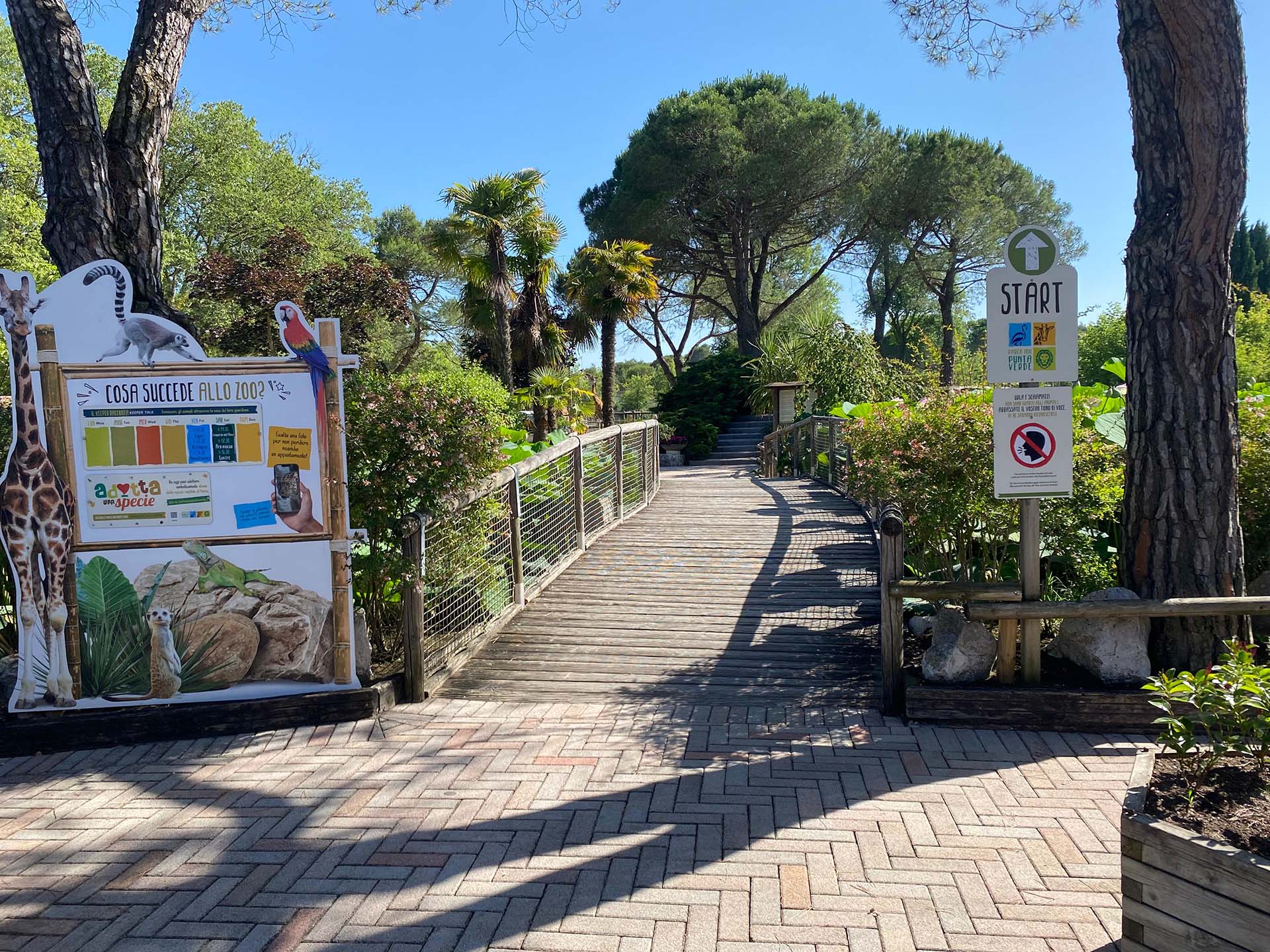
Photo 2 - Wooden bridge
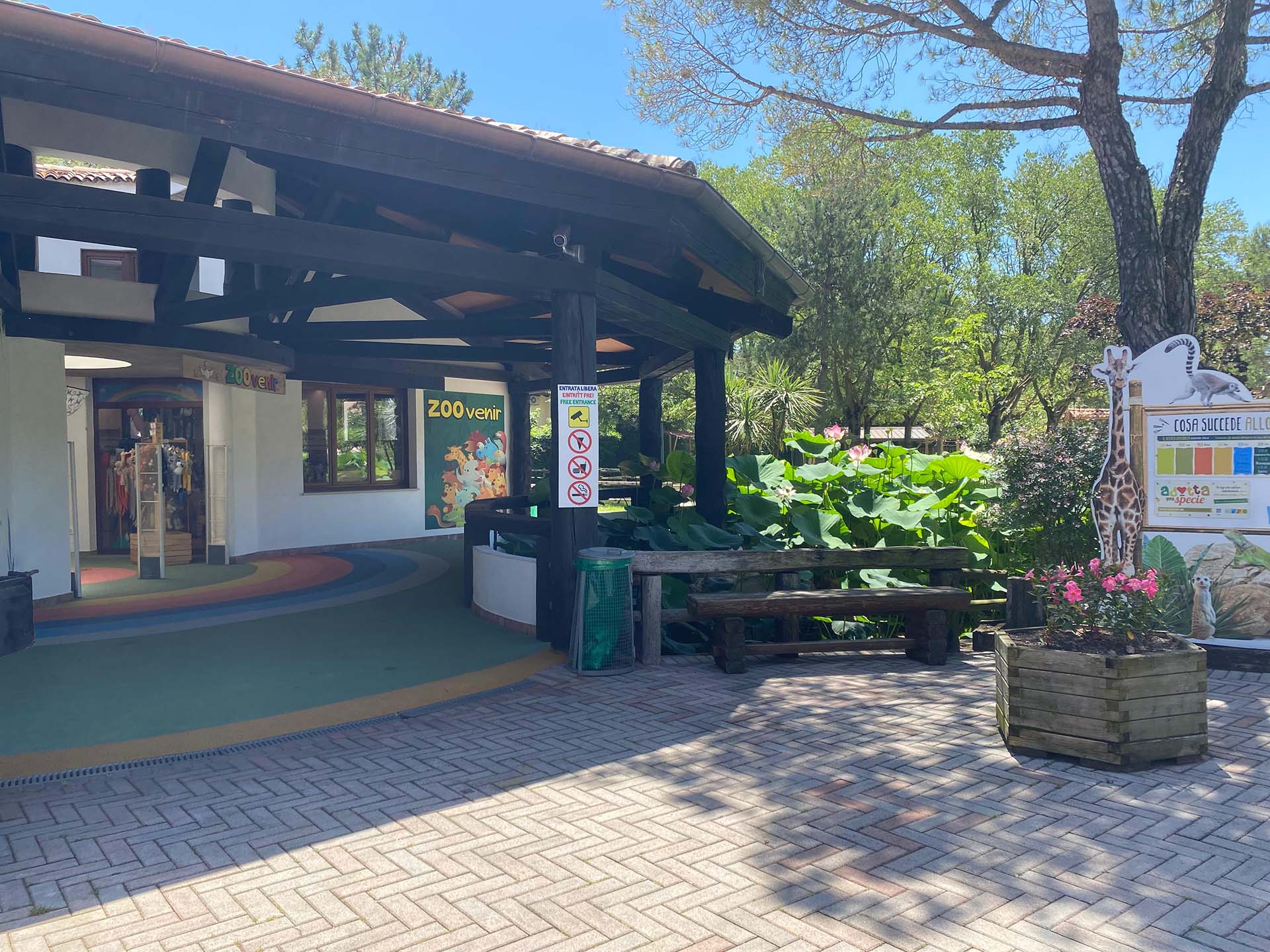
Photo 3 - Paving in front of the Zooniver
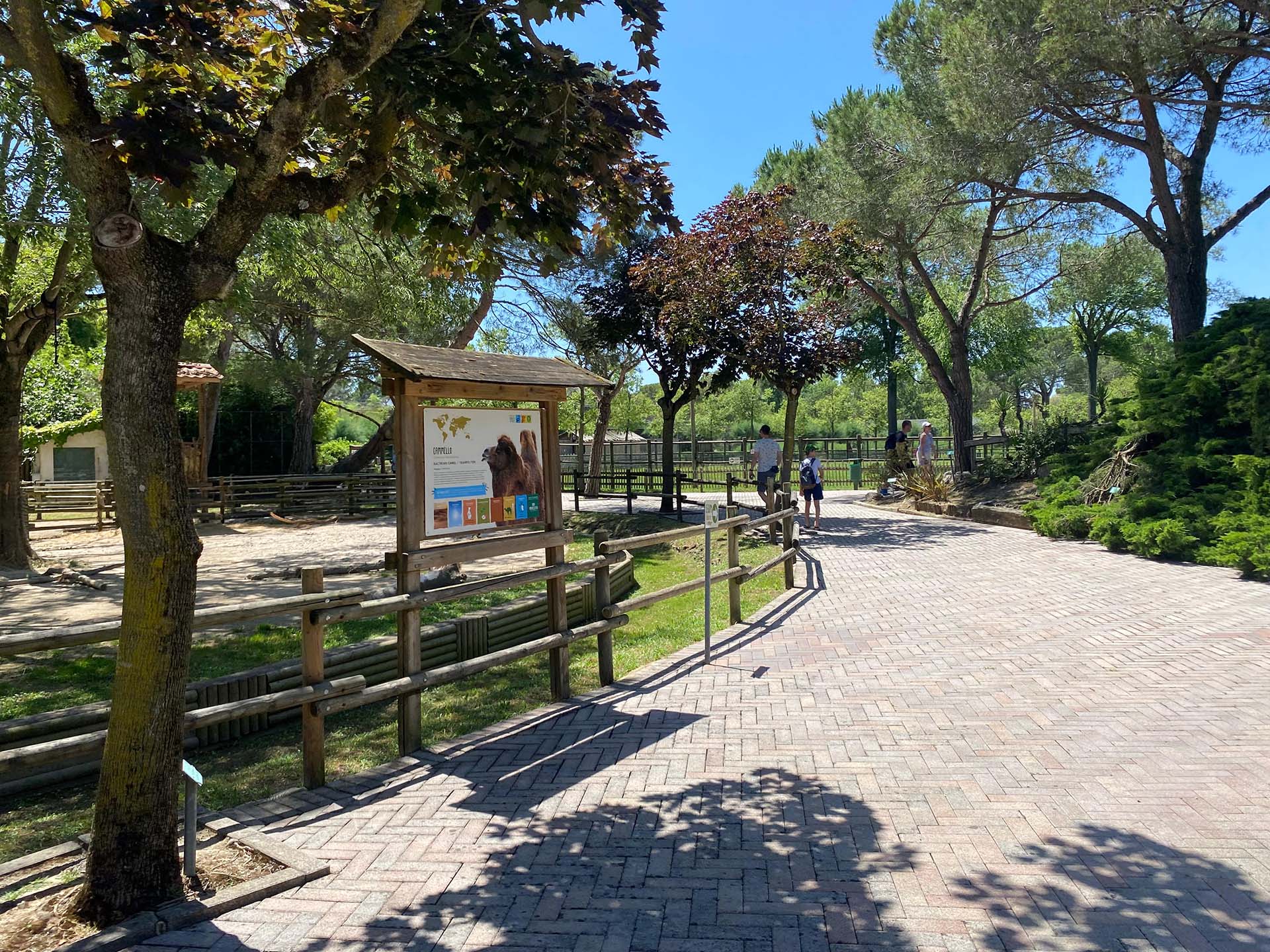
Photo 4 - Camel area with paving in concrete tiles
Section 2
After the camel enclosure, there is one that houses toucans and European flamingos, located to the left of the path (photo 5). The flooring is no longer made of concrete tiles but of gravel, which is quite stable and easily walkable. In some places, the gravel is particularly dense, making it difficult to proceed smoothly; for this reason, it is advisable to stay on the left side. The walk is accompanied by informative and playful panels (photo 6).
In front of the area of flamingos there is aa hut (photo 7) which can be accessed via a ramp with a gentle slope. Inside, sheltered from the sun by a reed cover, there is a bench for resting and observing the animals. Inside, there are window holes (height from the ground about 150 cm), with a protective grid that is quite wide, from which to observe (photo 8). The exit is characterized by a second ramp, identical to the entrance one (photo 9).
On the opposite side of the path, we find the enclosure of giraffes with informative and playful signs all around on wooden supports that are well contrasted and the flooring is still gravel (photo 10).
After completing this section between flamingos and giraffes, turn left and walk across a small bridge with a flooring of concrete tiles and a slight uphill slope (photo 11). At the end of the bridge, which crosses the watercourse, there is a bench on the right (photo 12), continuing instead you arrive at the South American aviary.
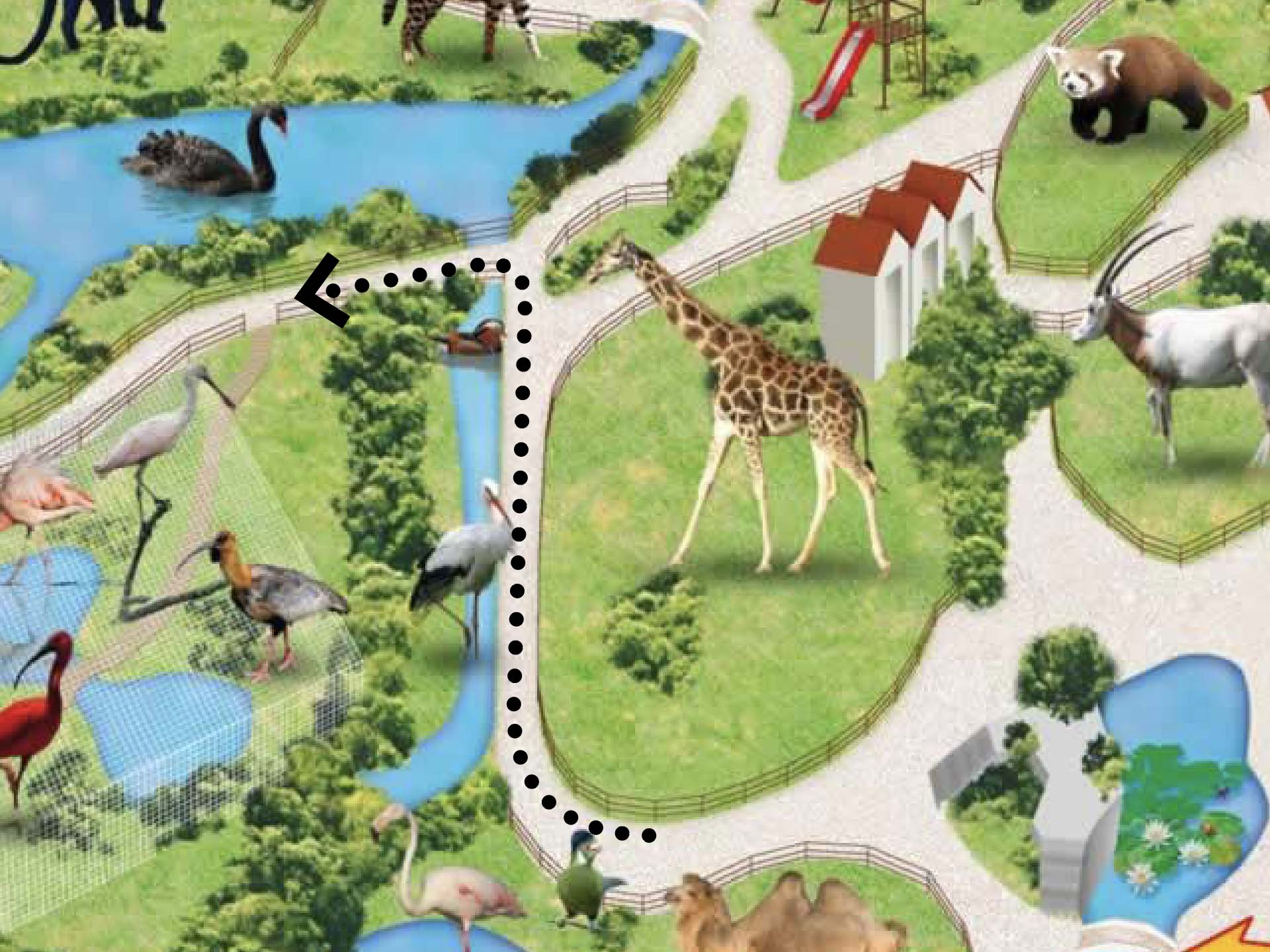
Section 2
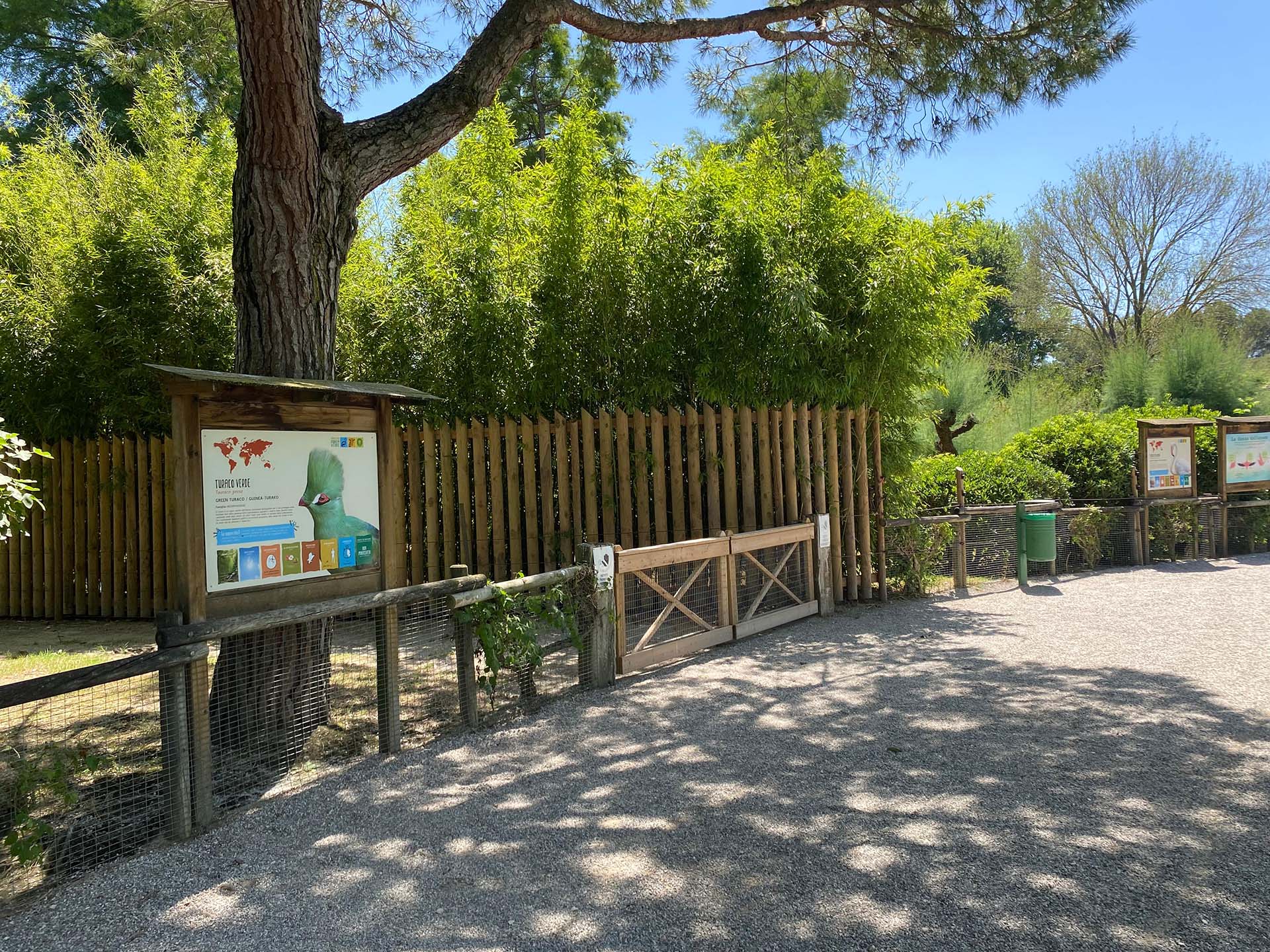
Photo 5 - Start of section 02 with gravel path
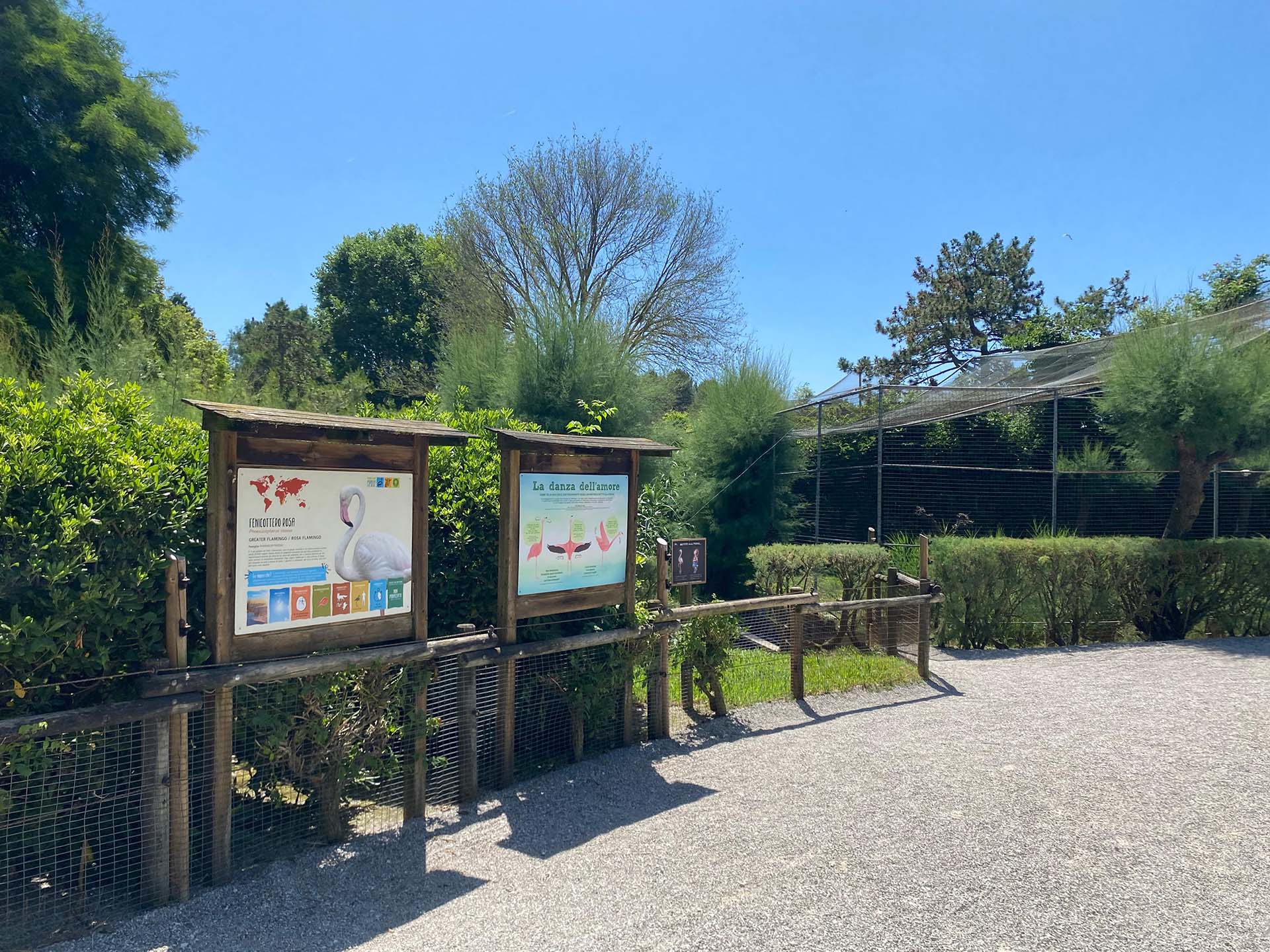
Photo 6 - Informative and playful panels
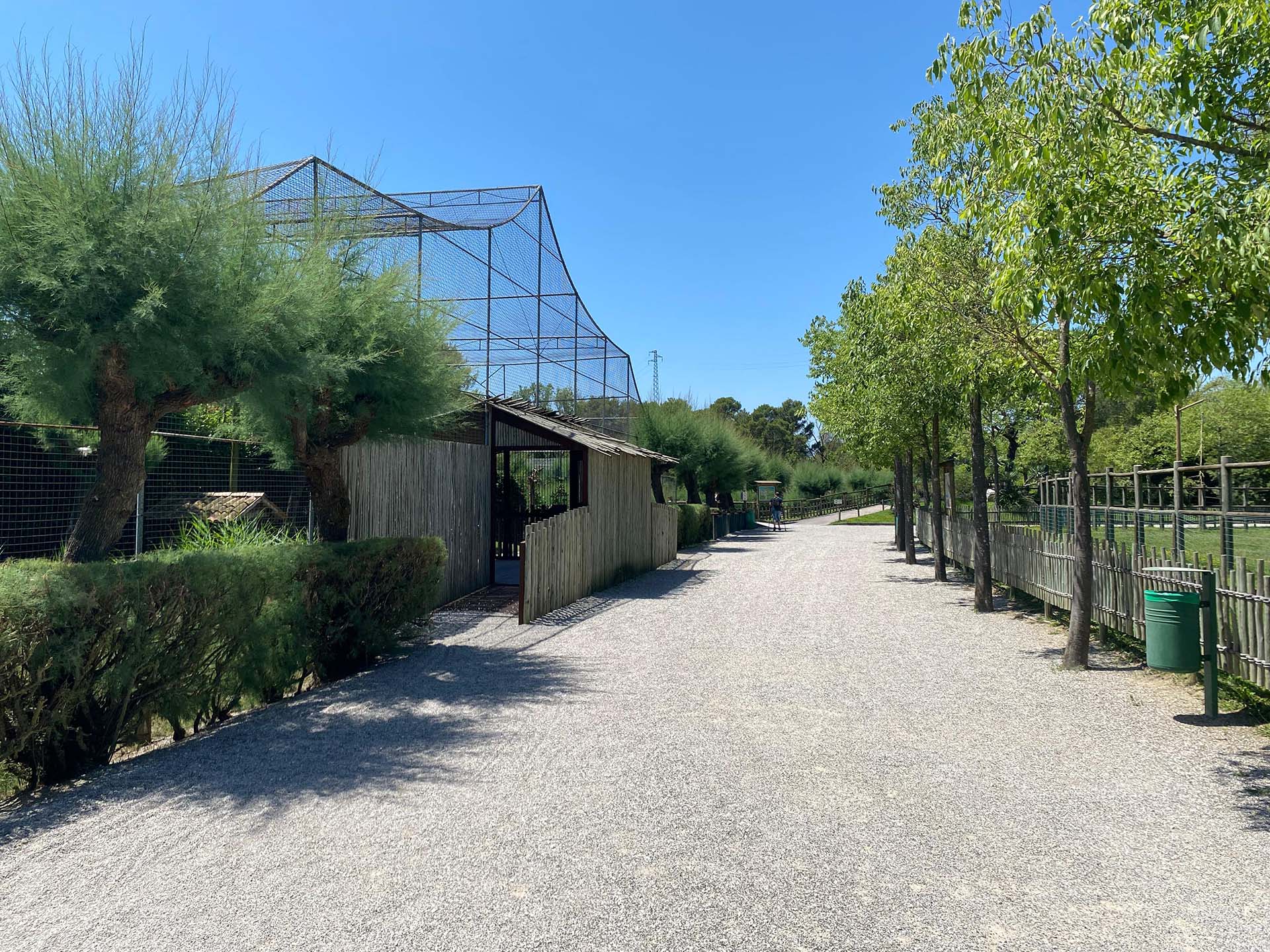
Photo 7 - Observation hut for flamingos
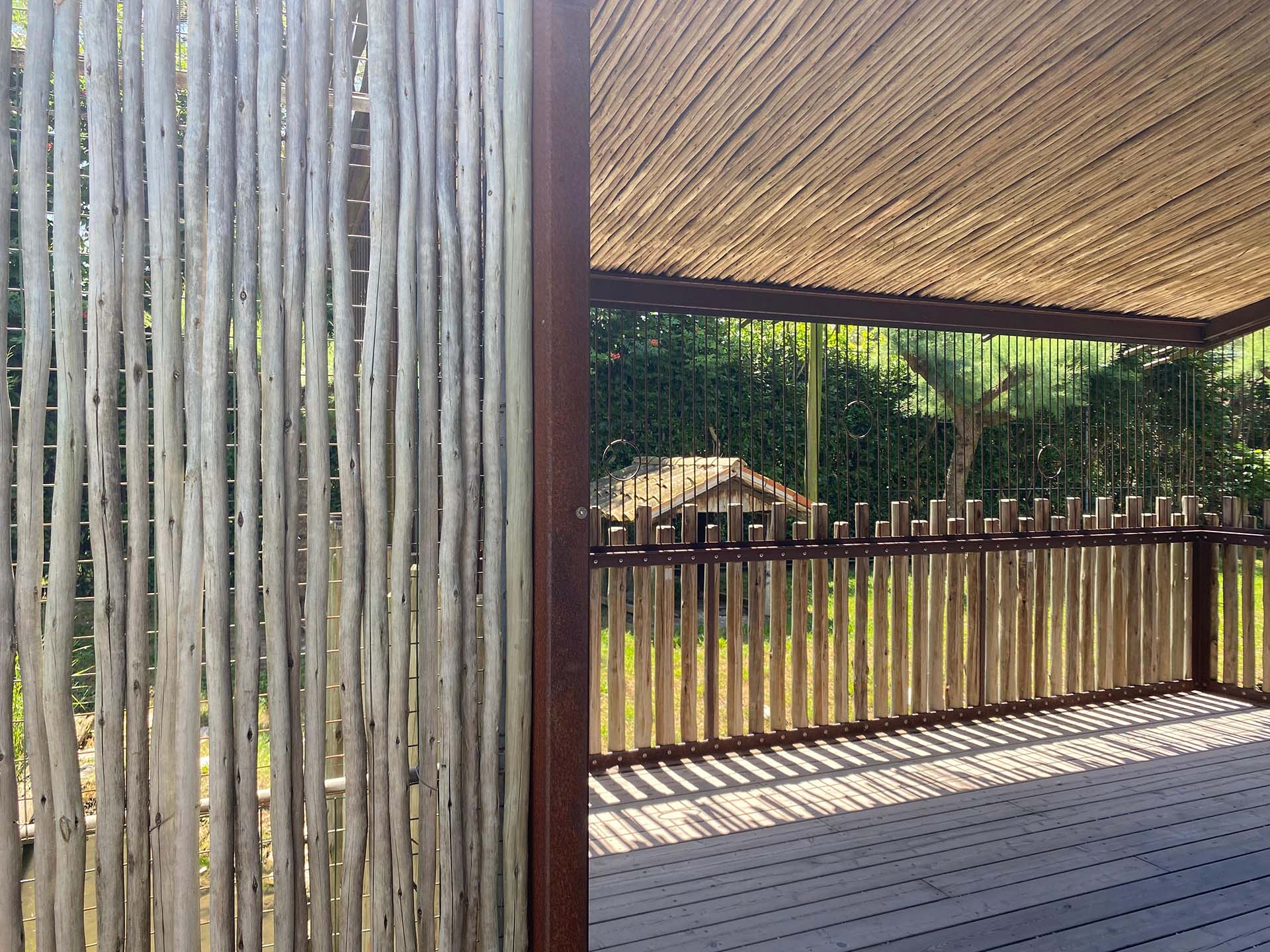
Photo 8 - Inside the hut
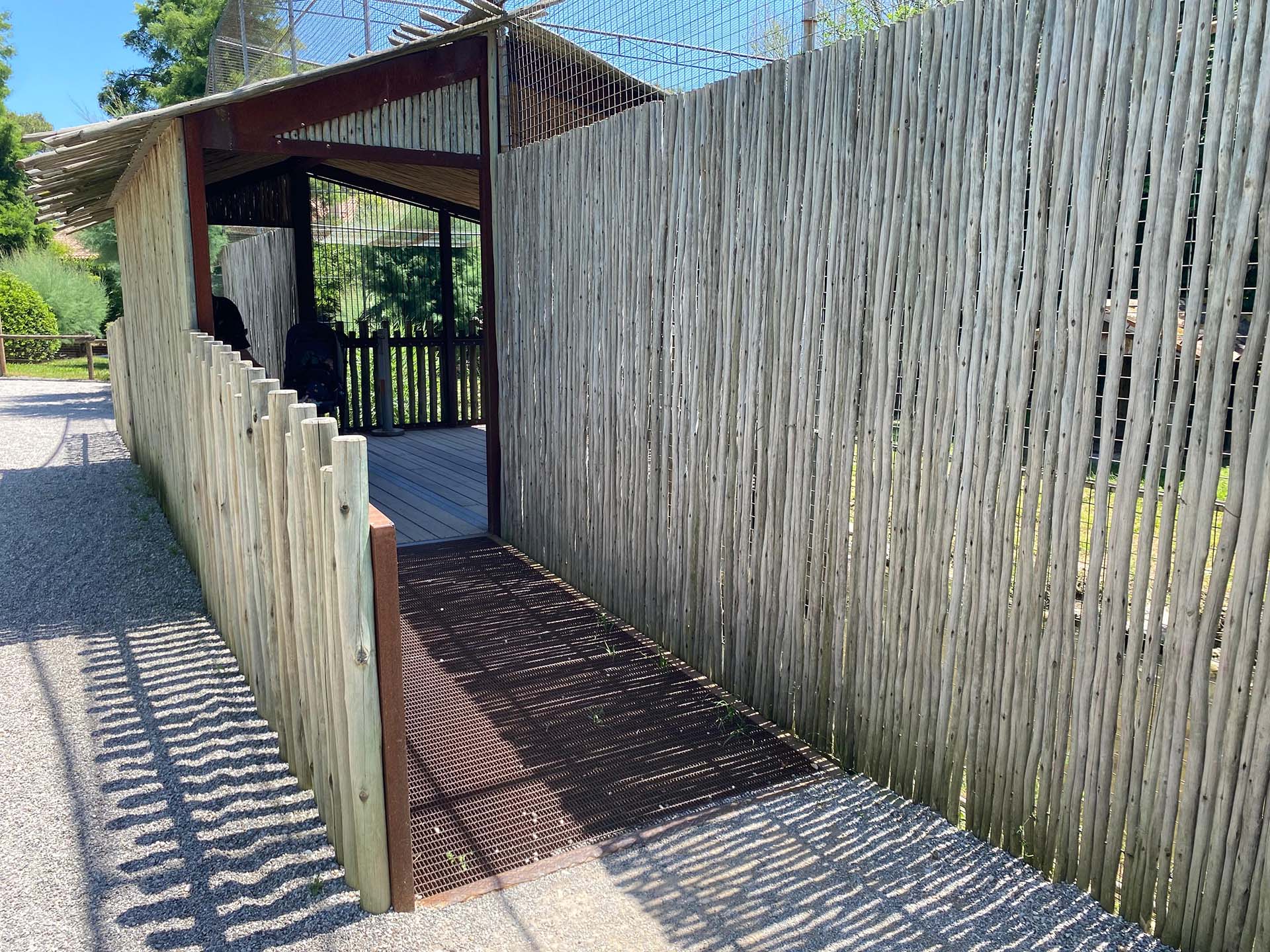
Photo 9 - Exit ramp
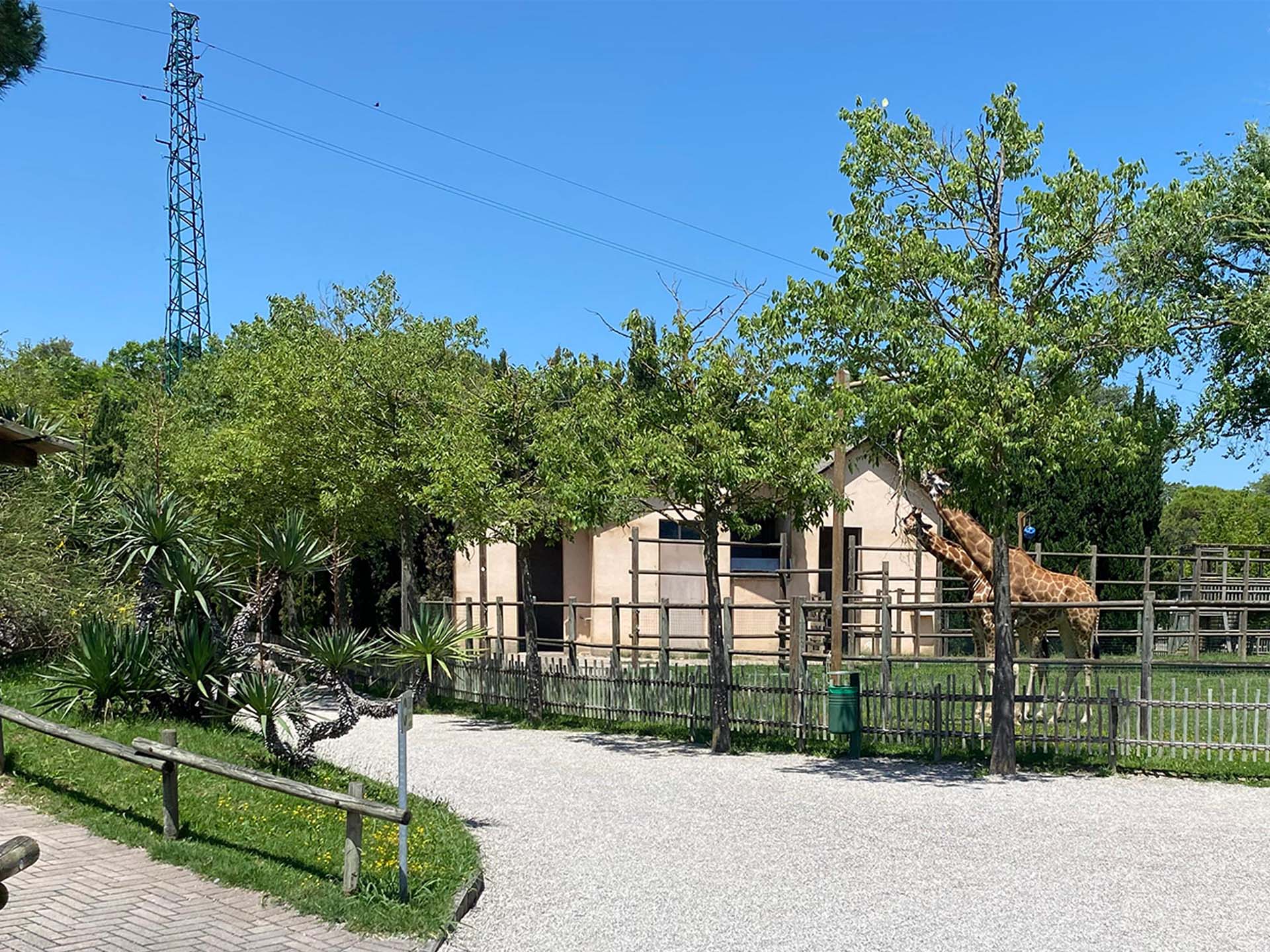
Photo 10 - Giraffe area fence
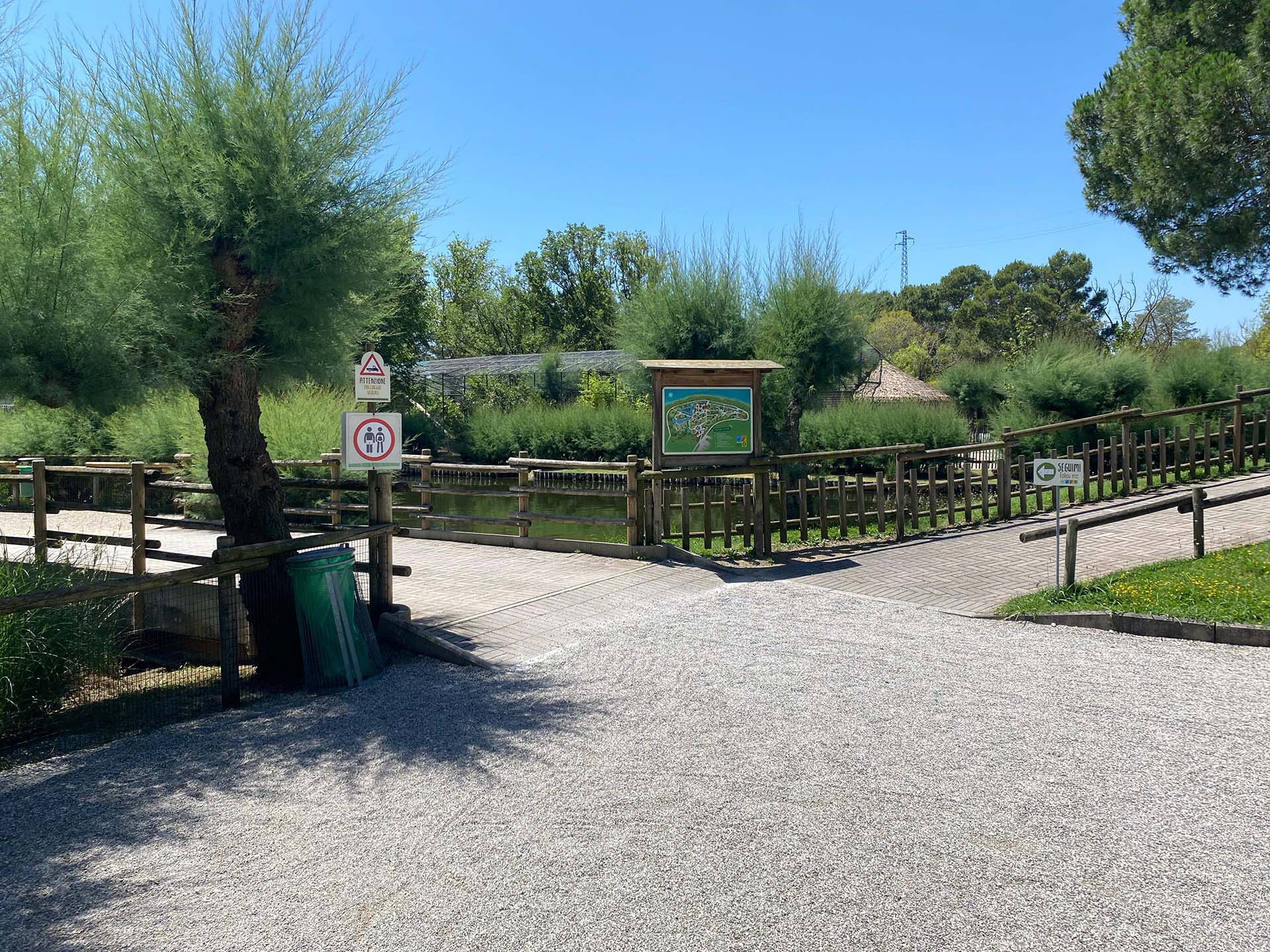
Photo 11 - Small bridge in concrete blocks
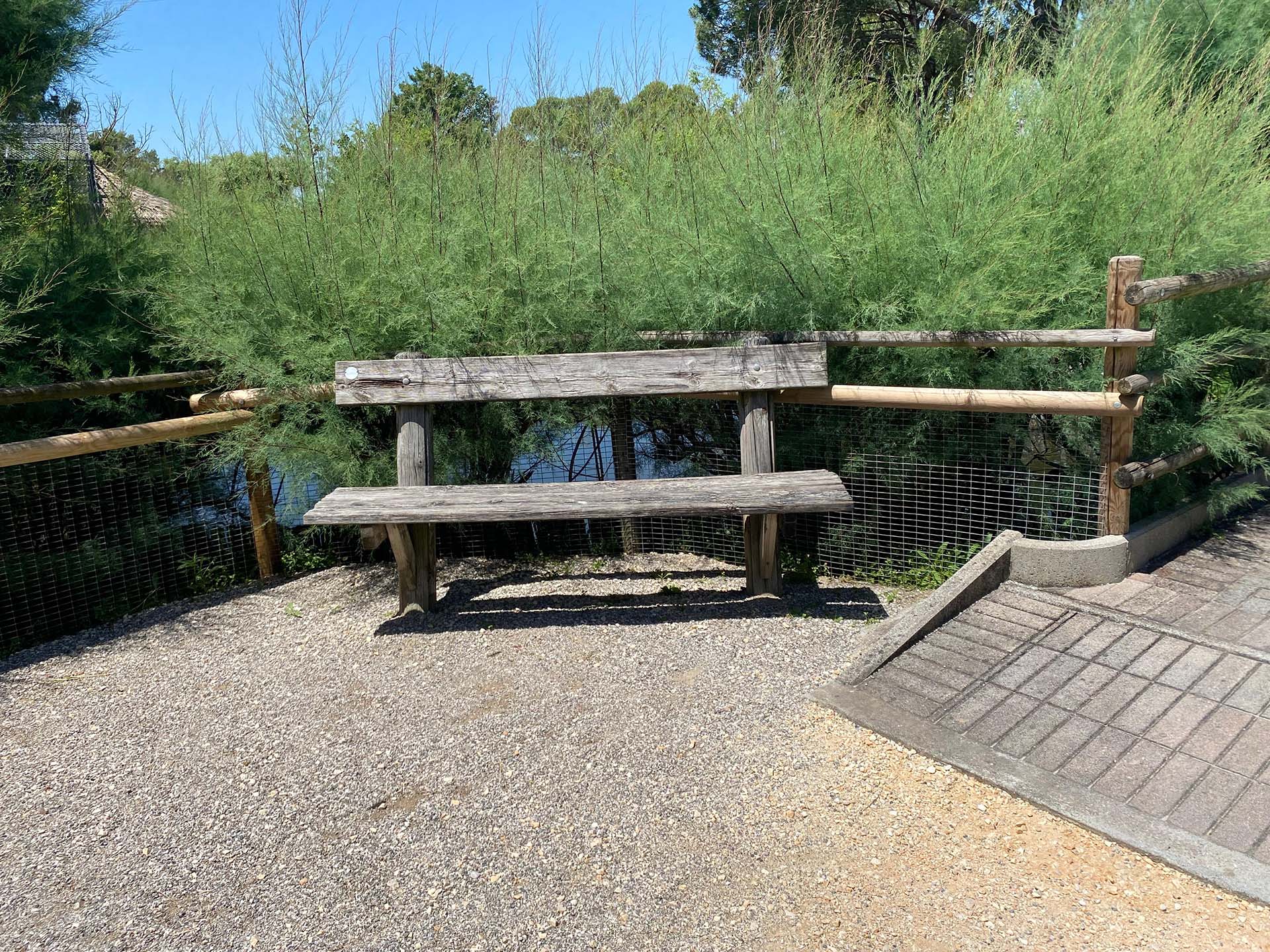
Photo 12 - Bench
This section is not recommended for wheelchair users, especially if they want to visit it independently. It is accessible to children in strollers or accompanied individuals. The natural flooring made of closely spaced wooden poles requires a jolting movement.
For those with difficulties, this path can be bypassed by simply staying on the main route and heading directly to the next section.
Section 3
On the left side of the path is the South American aviary, an area with an entrance gate (photo 13) and exit. After opening the heavy entrance gate, there is a \"fly tent\" made of fabric strips, and the flooring in front is made of wooden planks (photo 14). This flooring is difficult to navigate with heavy wheelchairs, while it is easier if accompanying children in strollers. In the middle of the section inside the aviary, there is a small bridge with a steep incline, also with a flooring of logs. The bridge has a sturdy railing made of poles and ropes on both sides (photo 15). At the end of the aviary path, there is a parasol for a break in the shade (photo 16).
At the exit of the aviary, there is a gate with a push handle (photo 17) accessed via a short descent of closely spaced wooden poles.
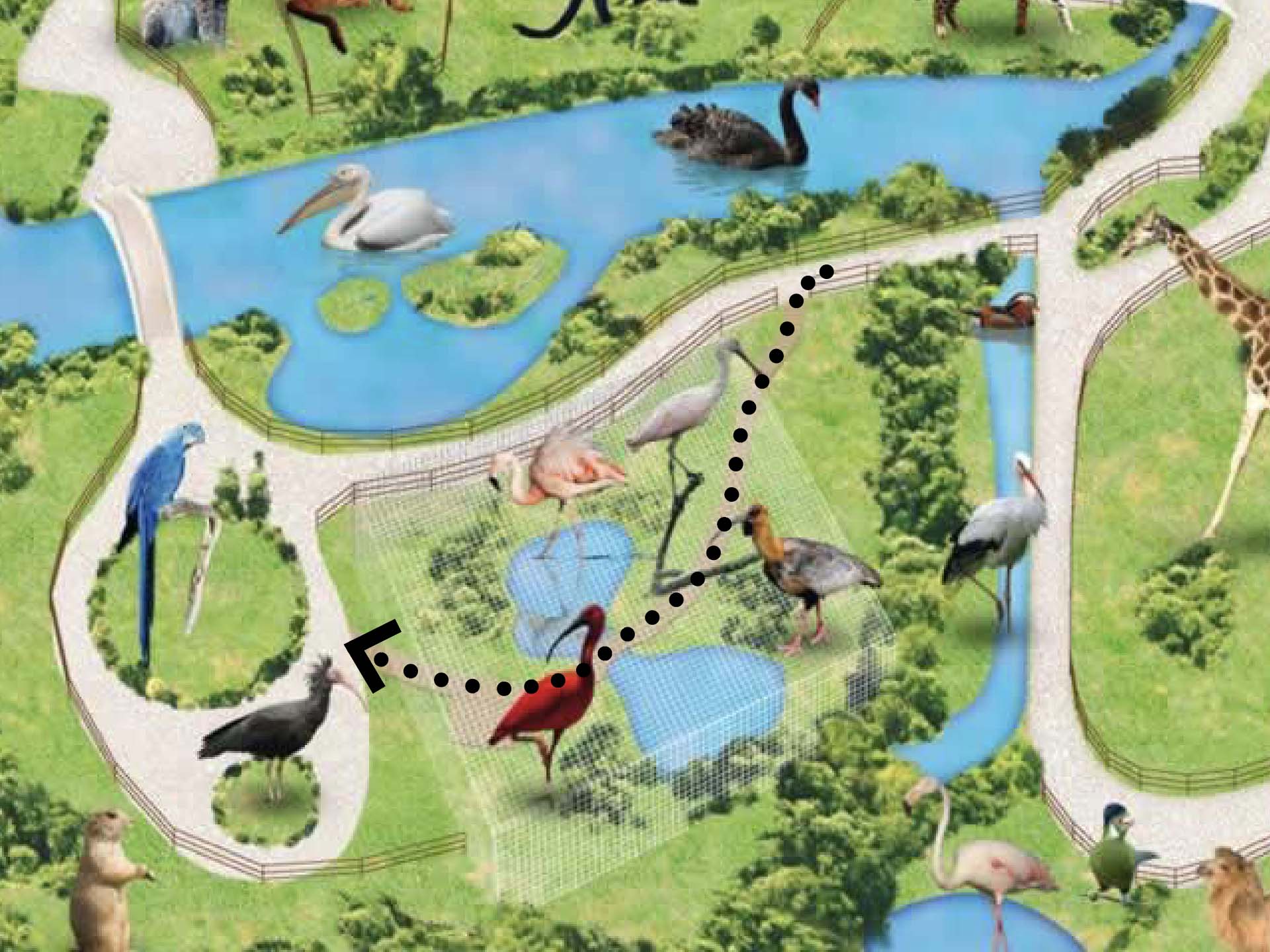
Section 3
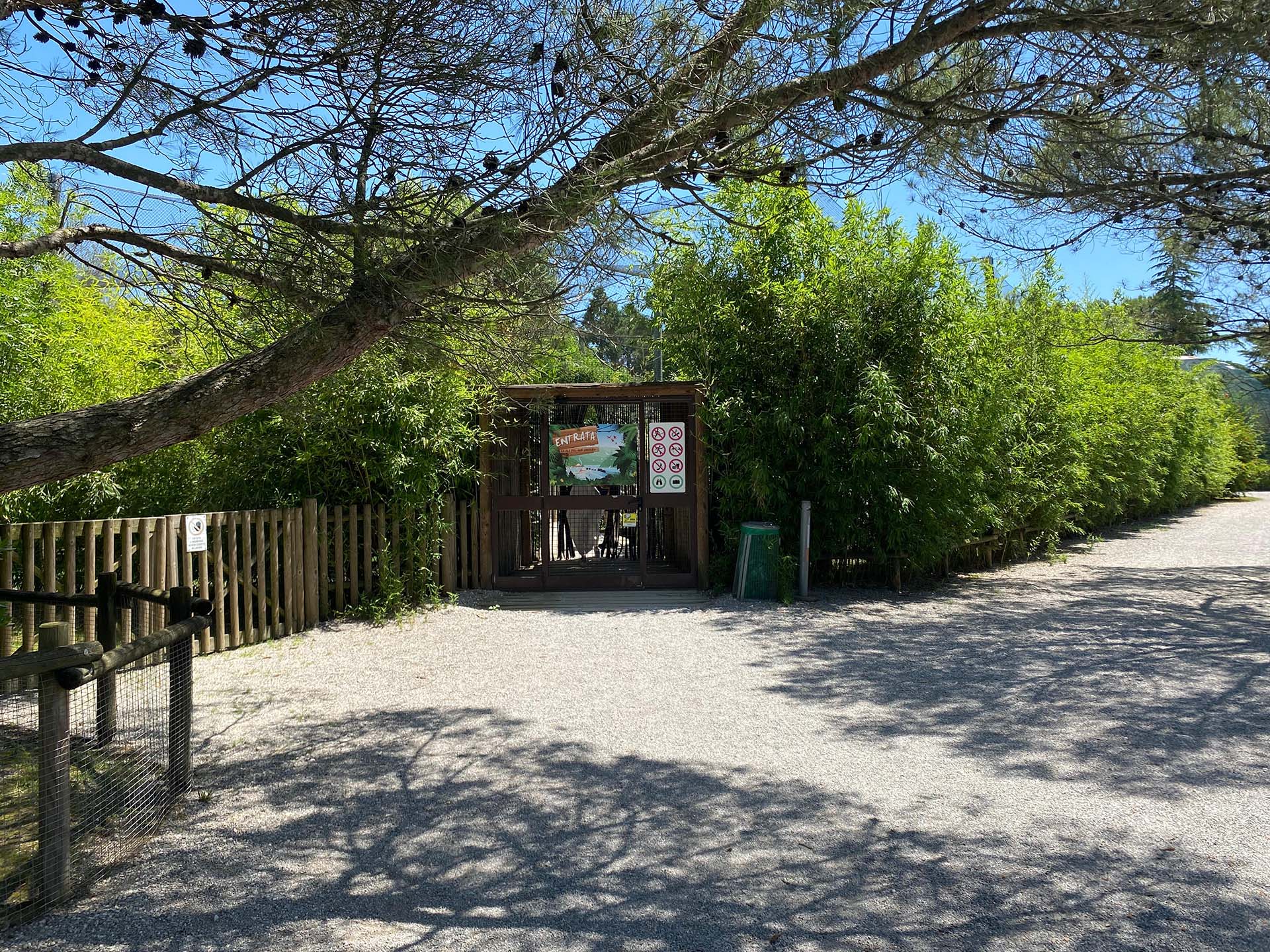
Photo 13 - Entrance to the South American aviary
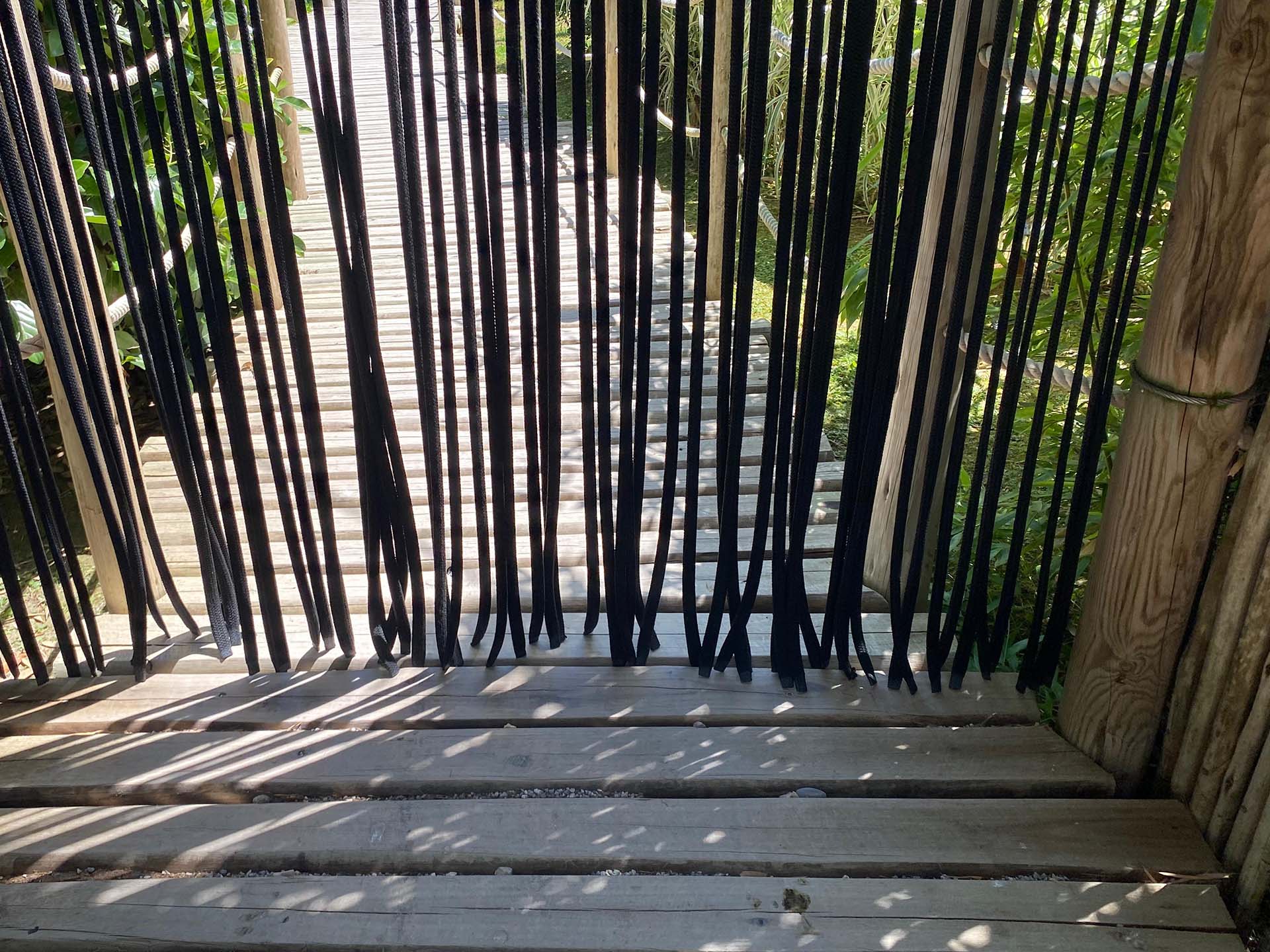
Photo 14 - Wooden flooring
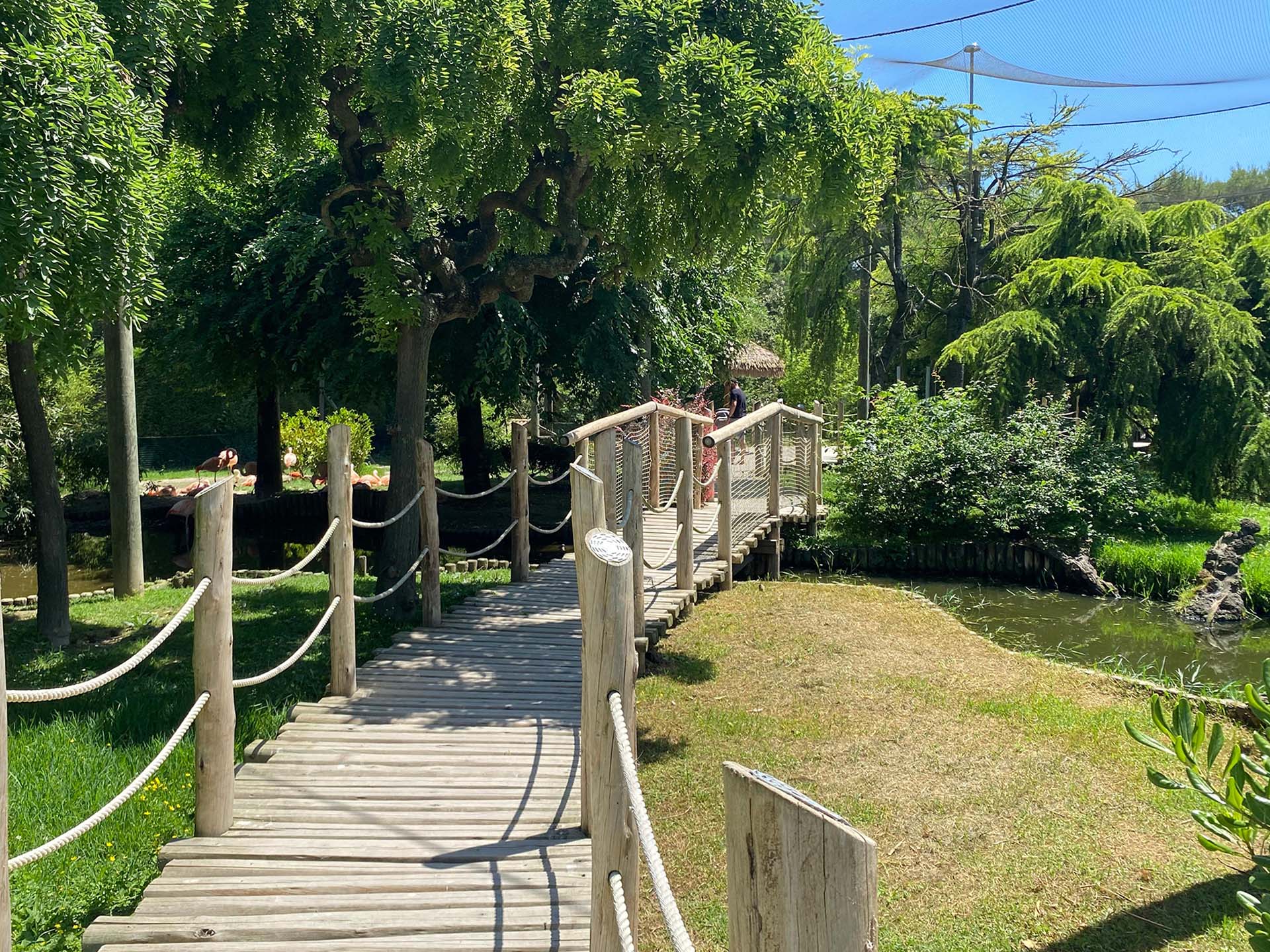
Photo 15 - Pathway and footbridge
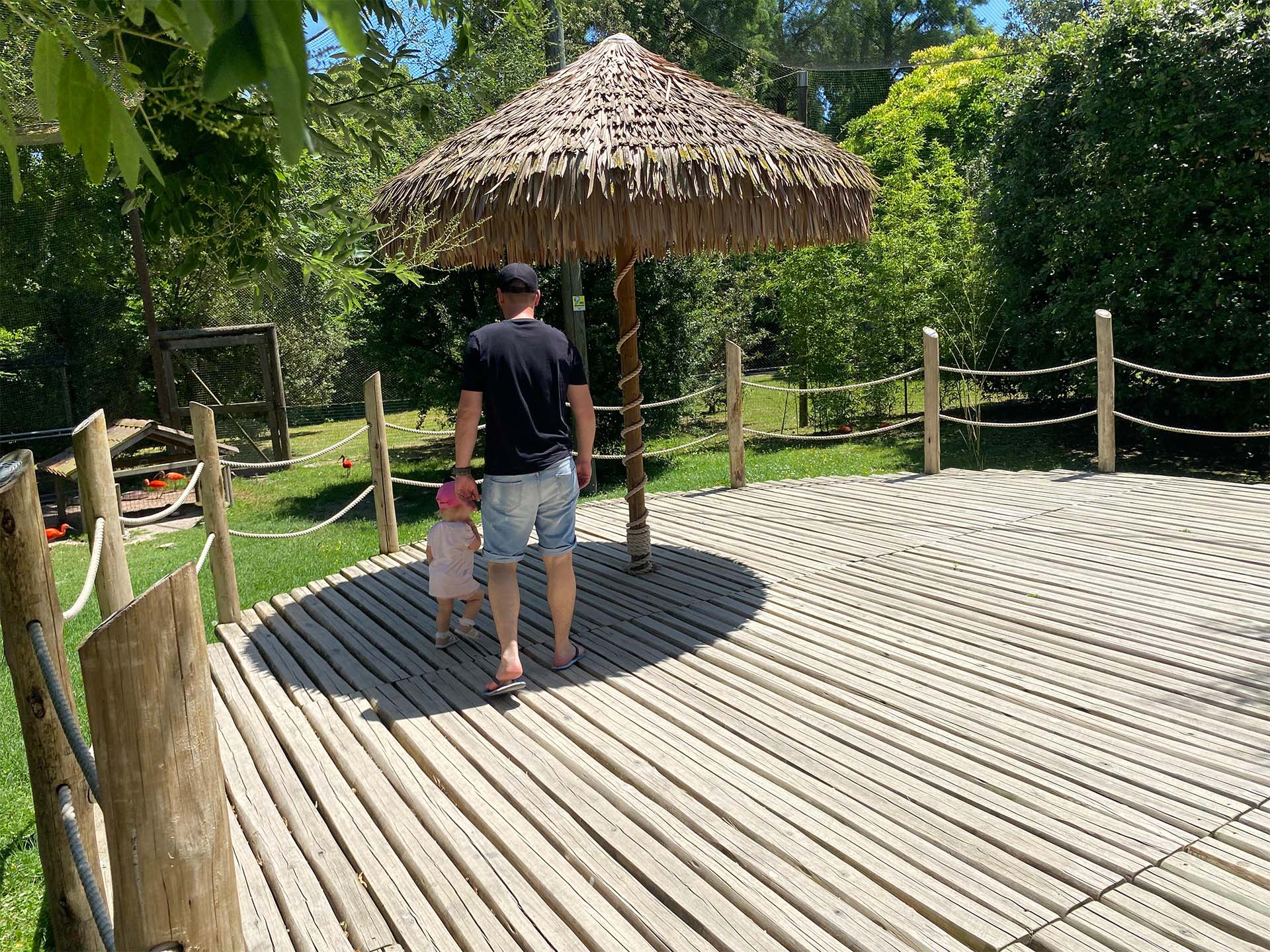
Photo 16 - Umbrella
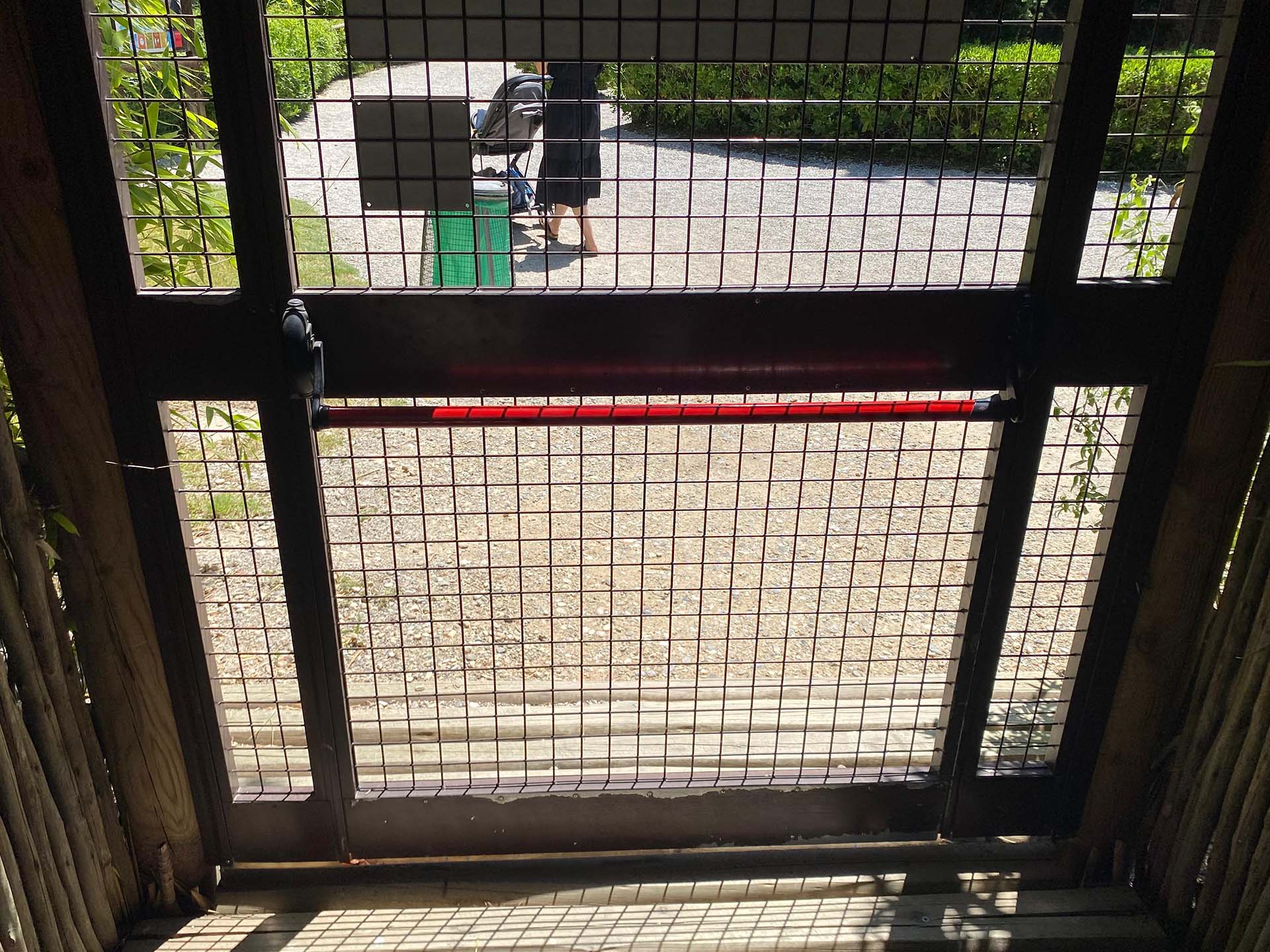
Photo 17 - Exit door
Section 4
After passing on the left the South American aviary (without entering), the gravel path continues and on the right we find a pond with swans and pelicans and on the fence playful panels to compare the wingspan of the pelicans with that of the visitors (photo 18). Towards the end of this section there is a widening with two aviaries placed in the center with a path that goes all around. The larger aviary houses the hyacinth macaws, which can be observed and photographed thanks to large transparent windows down to the ground while comfortably sitting on benches placed in front (photo 19). The other aviary, however, smaller, welcomes the scarlet ibises.
Walking the path clockwise around the cages, on the left is the area dedicated to prairie dogs with a low fence and glass openings to allow comfortable observation even for children and wheelchair users (photo 20). The area is enriched with informative panels about the animals (photo 21).
Continuing, before a bridge with excessive slope there is a shaded bench on the left, so it is advisable to return to the small bridge via the same path and upon reaching the South American aviary, take the gravel path on the left near a play area with a small bridge (without slope) that leads to the area dedicated to felines.
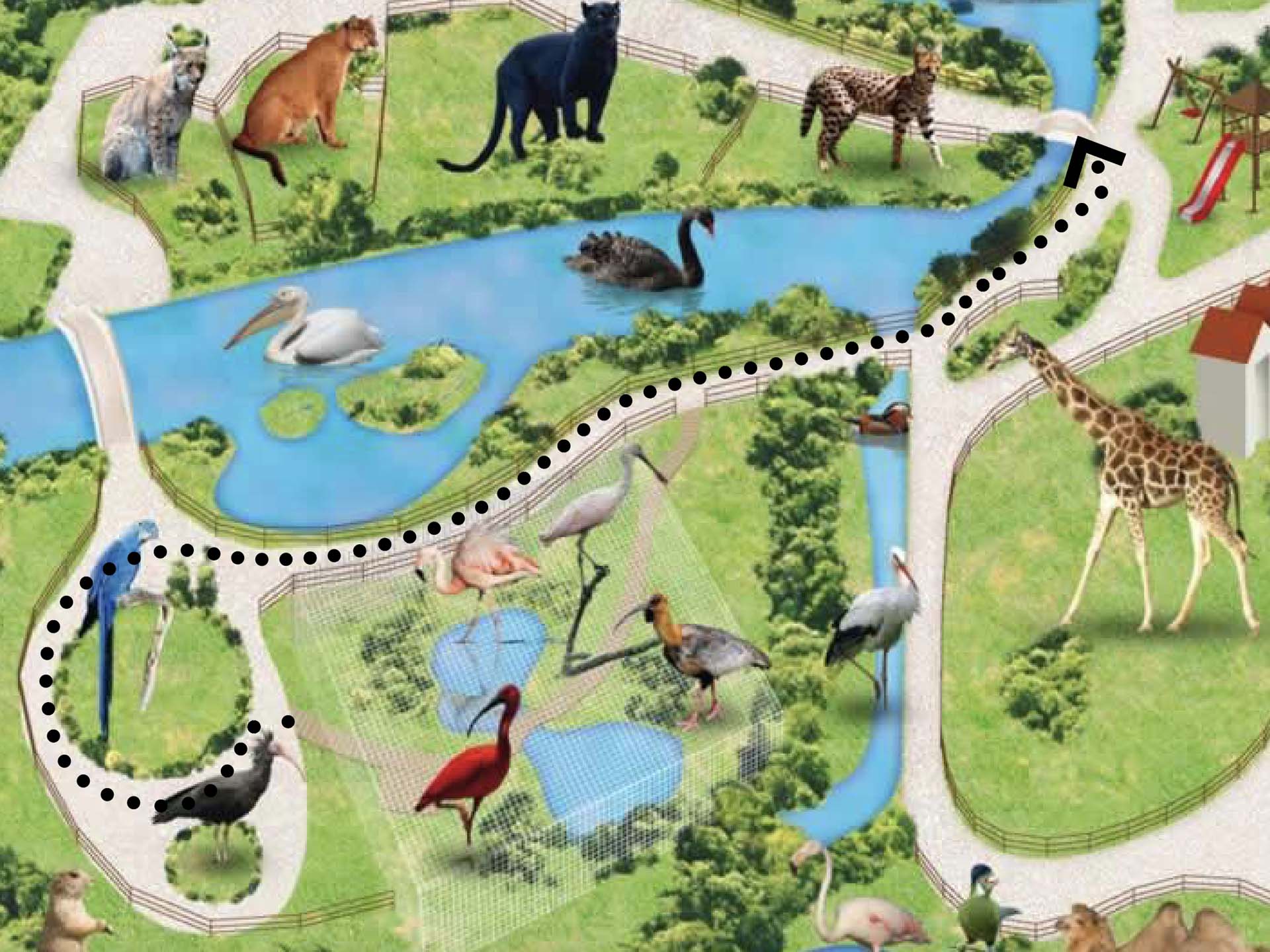
Section 4
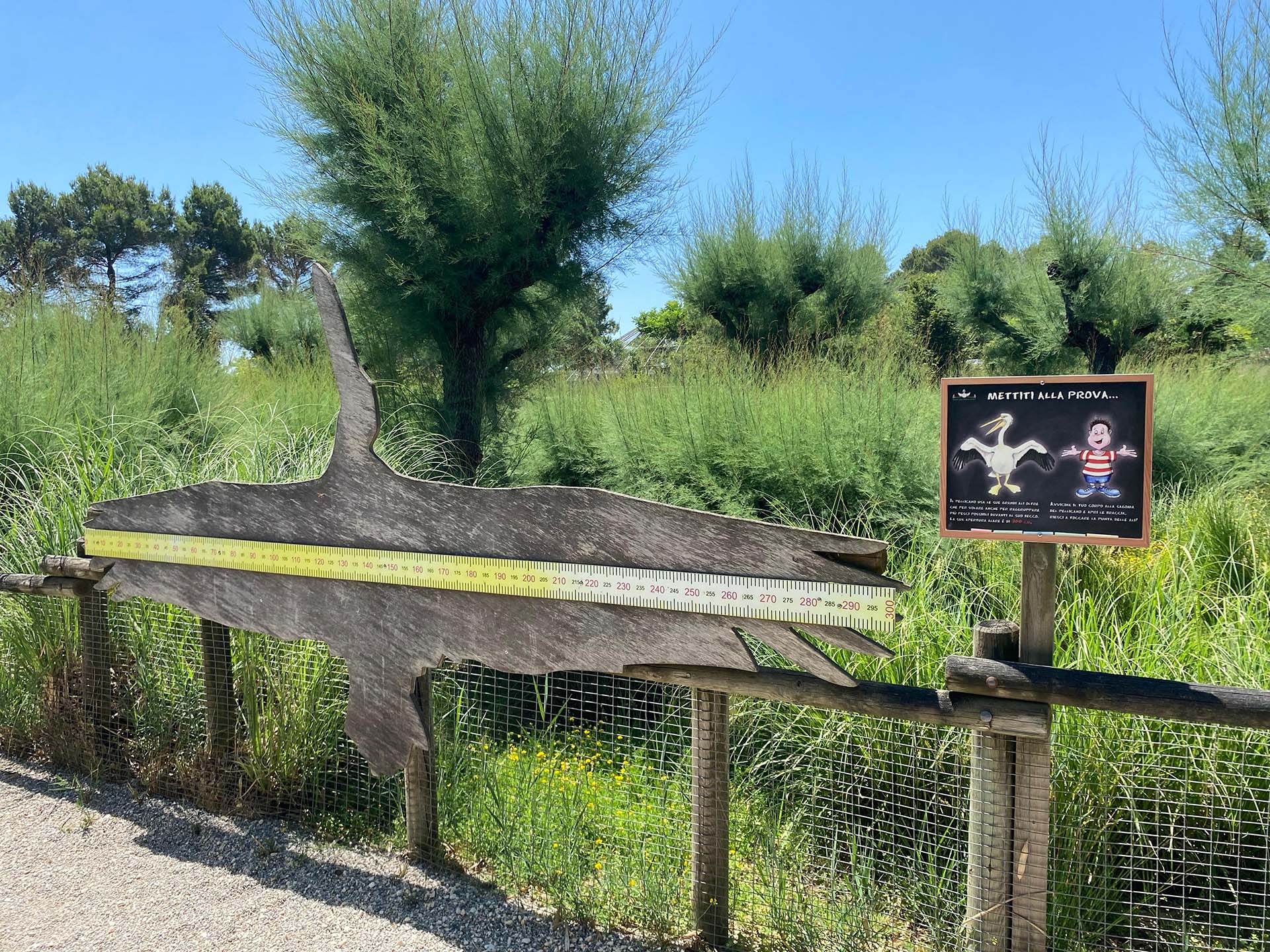
Photo 18 - Play panel
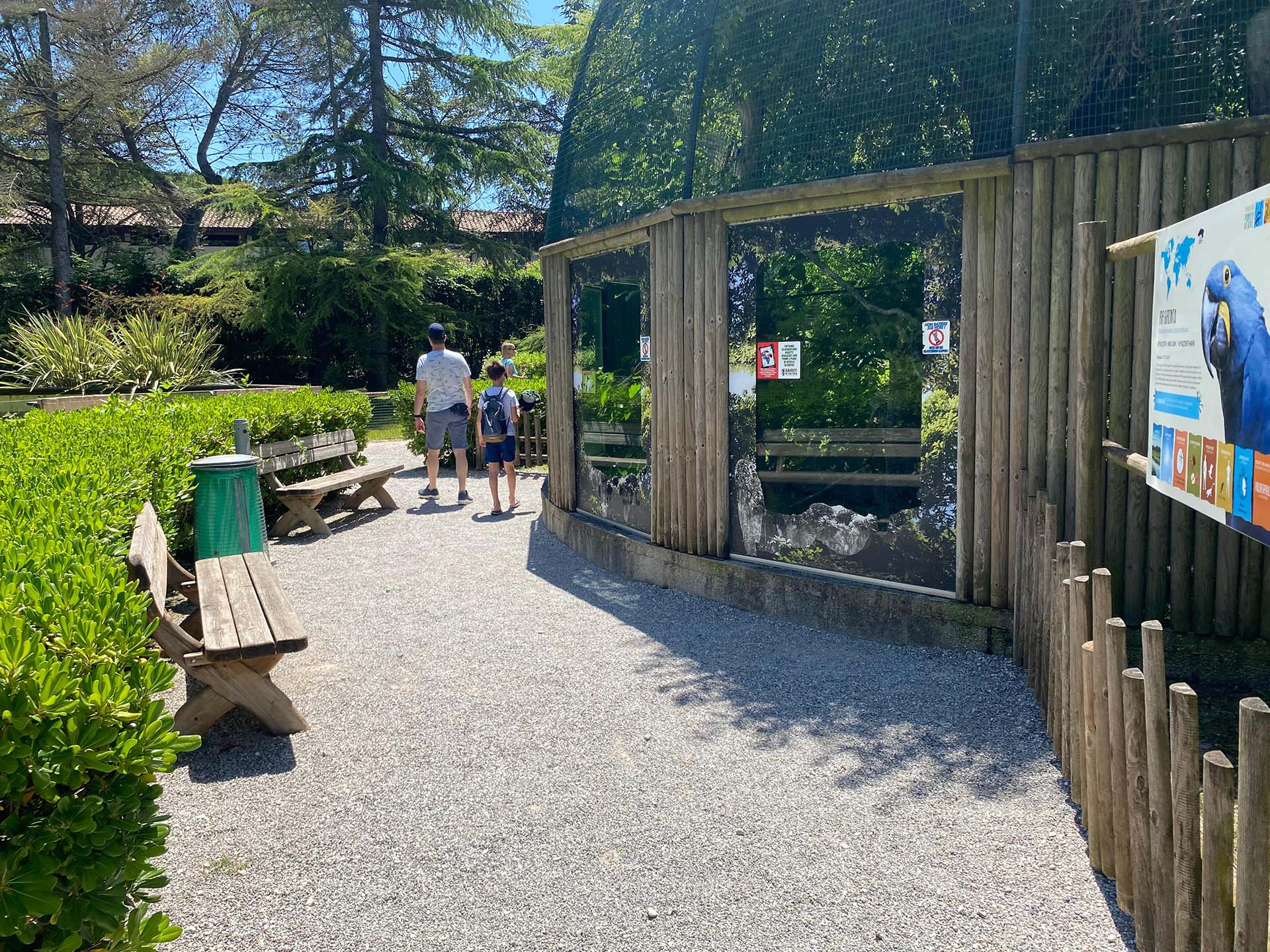
Photo 19 - Hyacinth macaw aviary
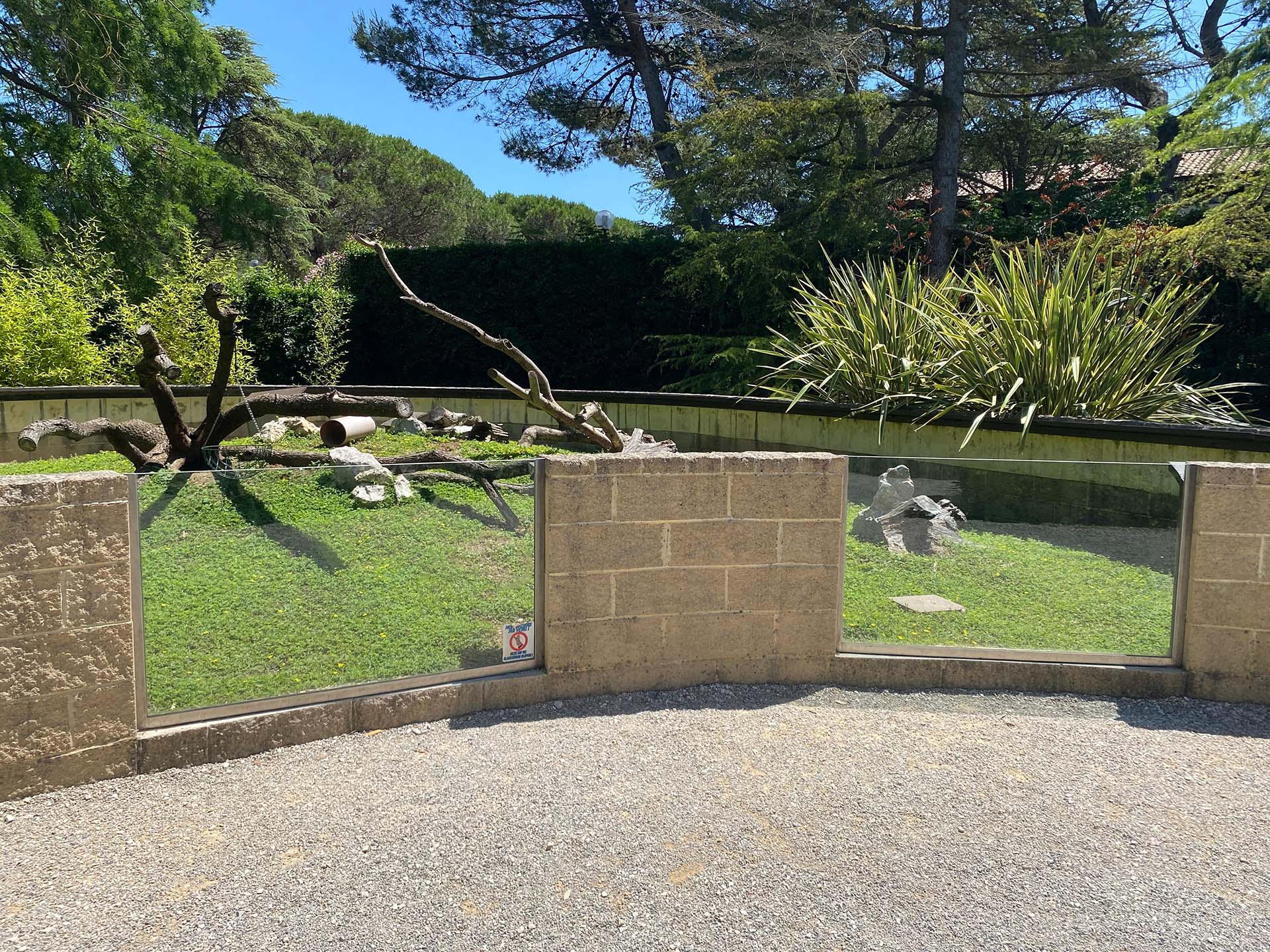
Photo 20 - Prairie dog enclosure
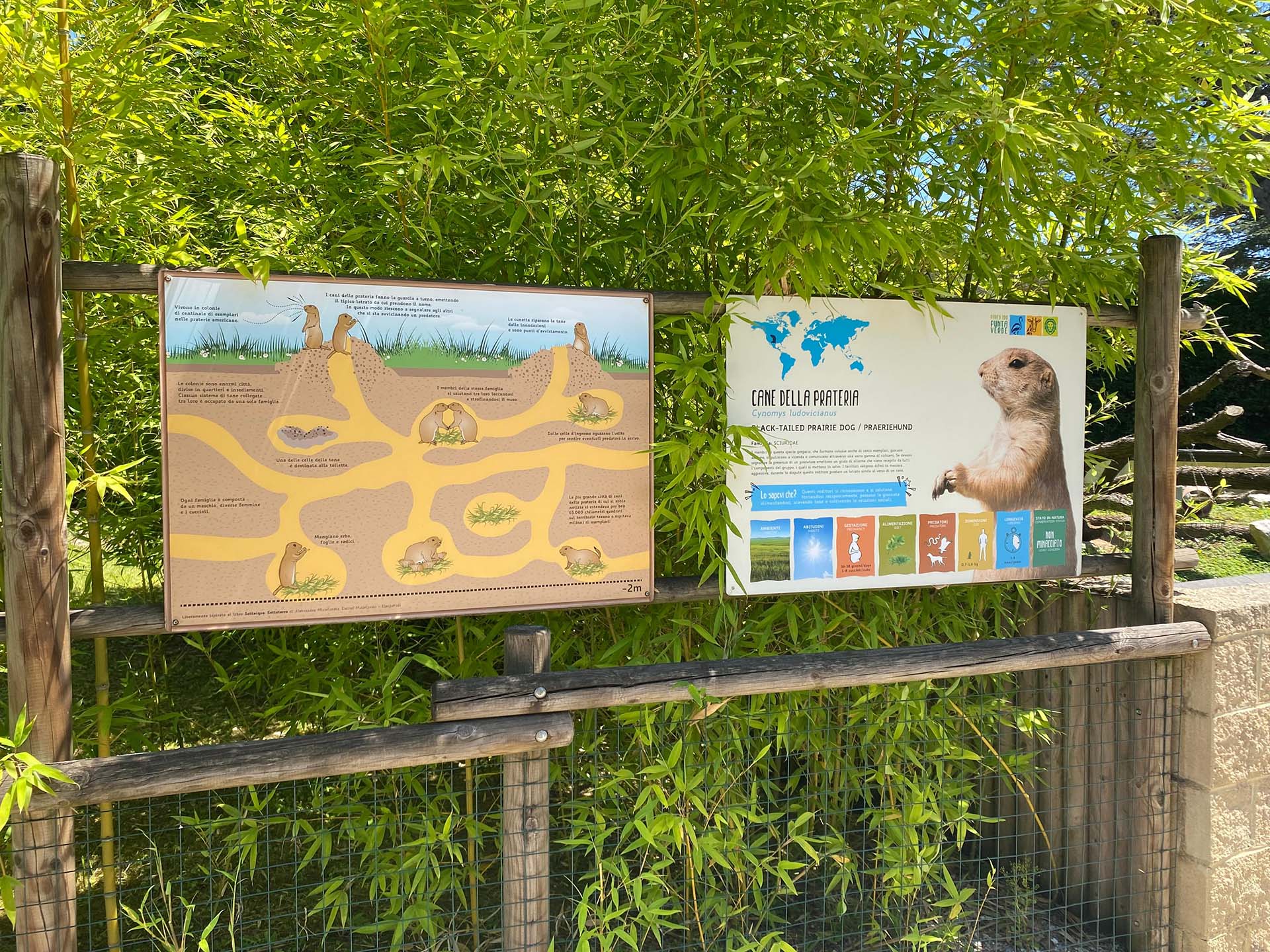
Photo 21 - Panels
Section 5
Easily crossed the bridge (photo 22), on the right we find two partially shaded benches, one facing the path and one facing the water (photo 23).
To the left of the path opens the cage that houses the Amurleopard which can be observed from a shaded area, paved with gravel and with a fairly high bench placed in front of a glass (photo 24). For observing the animals, there are glass openings in the cage wall at different heights from the ground: at cm 51, 92 and 116 (photo 25). On the side opposite the cage, there are three benches without shade (photo 26). On the left, following the pavement in concrete tiles, there is a cage that houses the puma which can be observed through a glass at 36 cm from the ground. Continuing, on the opposite front, we encounter the cage of the snow leopard with a viewing point on a pavement of concrete tiles and a particularly low roof on the path side (h about cm 150) and glass that reaches almost to the ground (photo 27). Under the roof of the leopard, on the right, there is a reconstruction of a researcher’s accommodation with a map of Pakistan, a crate, a small table with a chair, and research tools (photo 28). Continuing on the right, there is another observation point with inaccessible stone split pavement (photo 29). Continuing on the left, the gravel path, shaded by a lattice canopy (photo 30), leads to the cage of the Eurasian lynx observable from a viewing point with pavement in concrete tiles well connected to the path at the beginning but not at the end of the lynx cage, where on the left, there is a step of about 6 cm (photo 31). For this reason, it is advisable to pass through the central part where there is a functioning connection, thus arriving at the bridge that we had advised against due to excessive slope. After the cages of the felines, we go back.
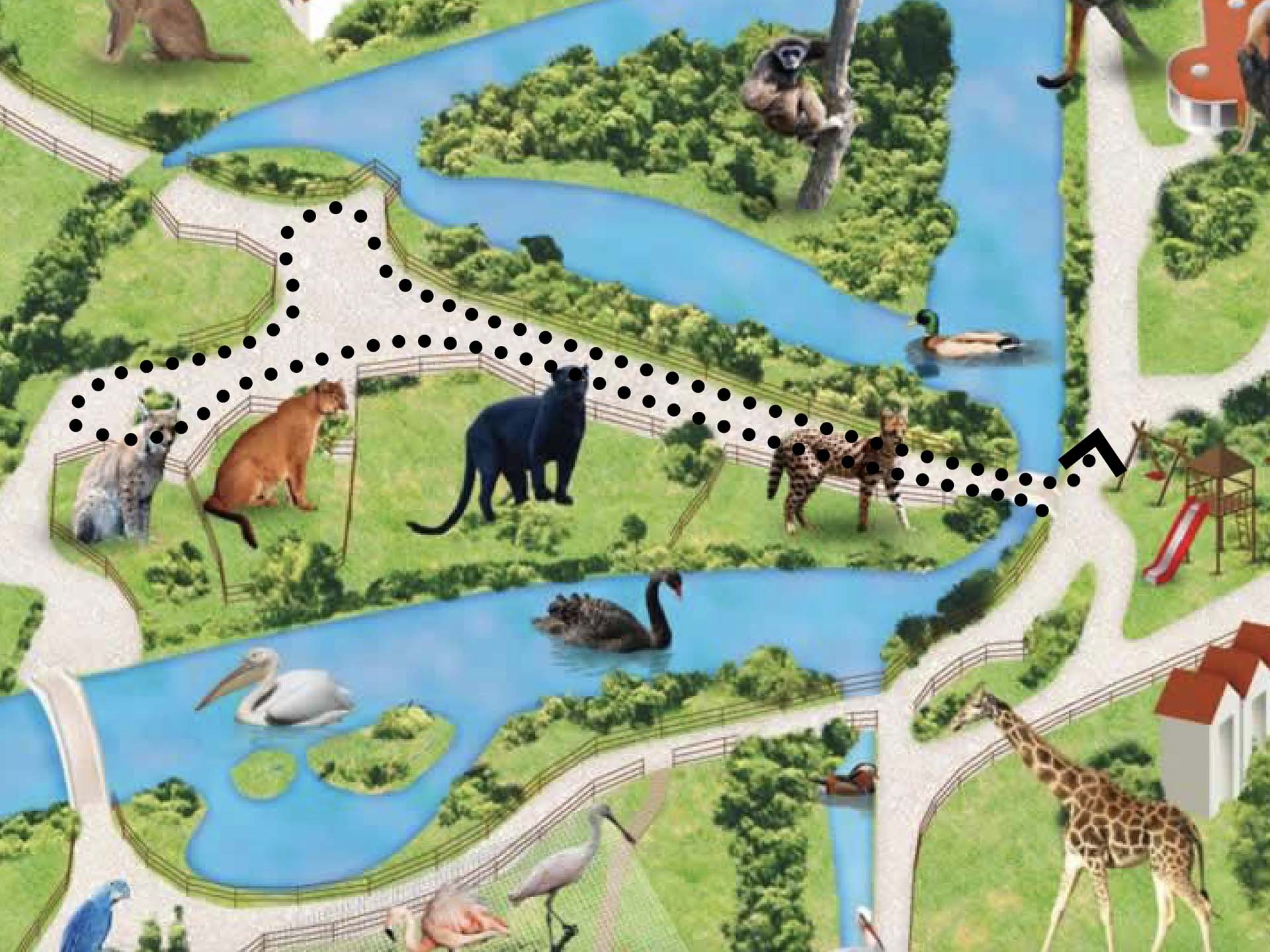
Section 5
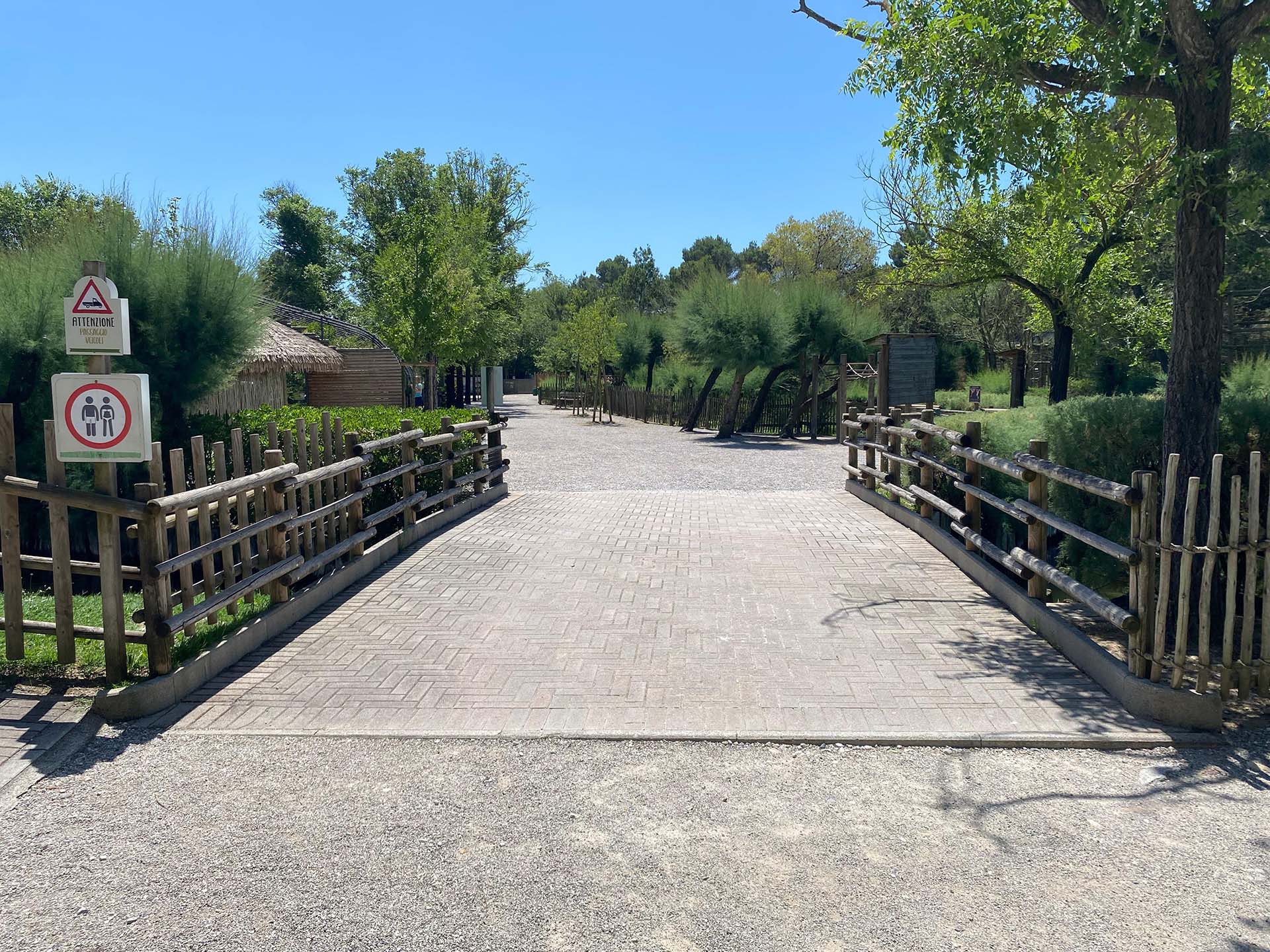
Photo 22 - Footbridge
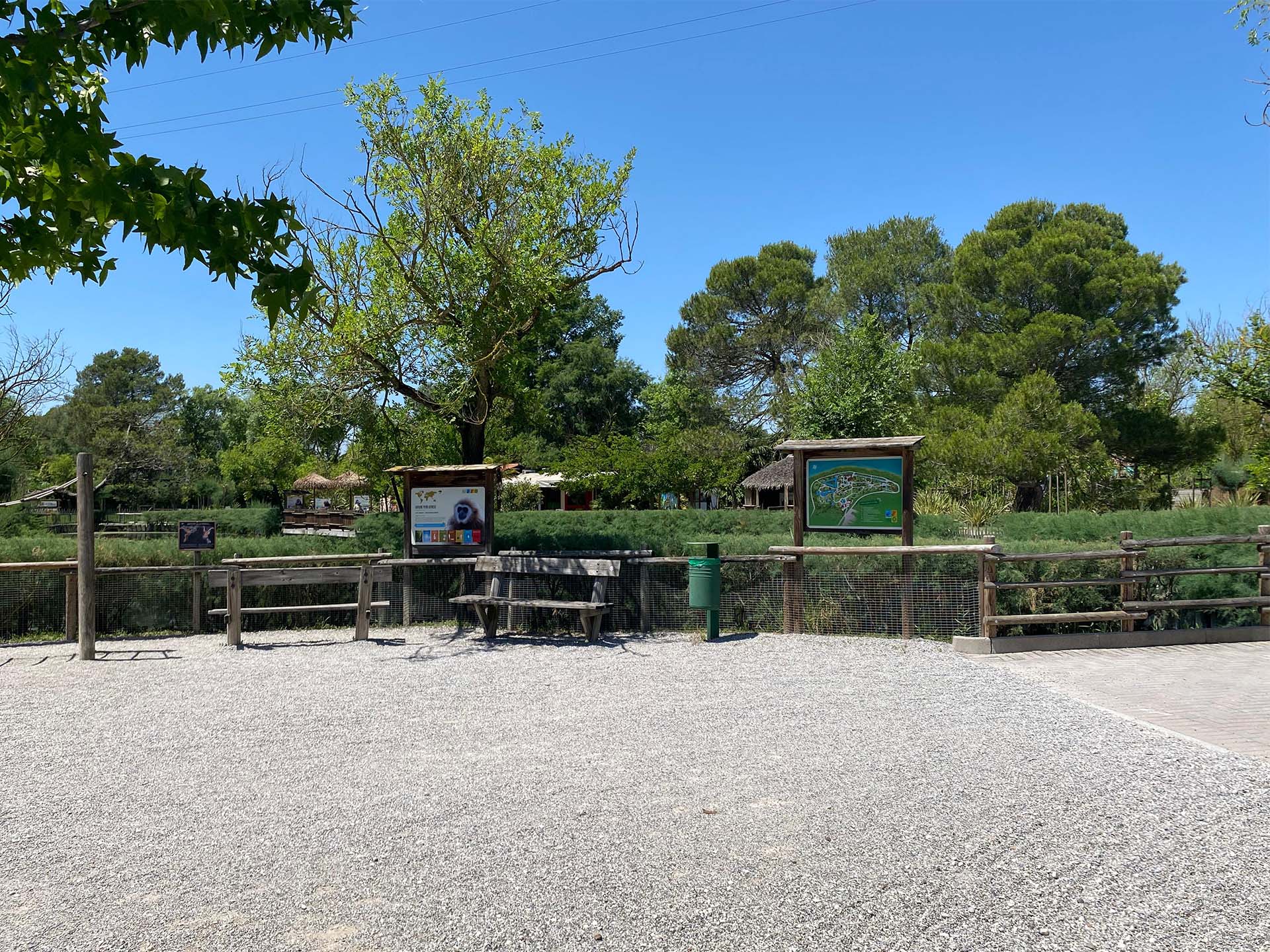
Photo 23 - Benches
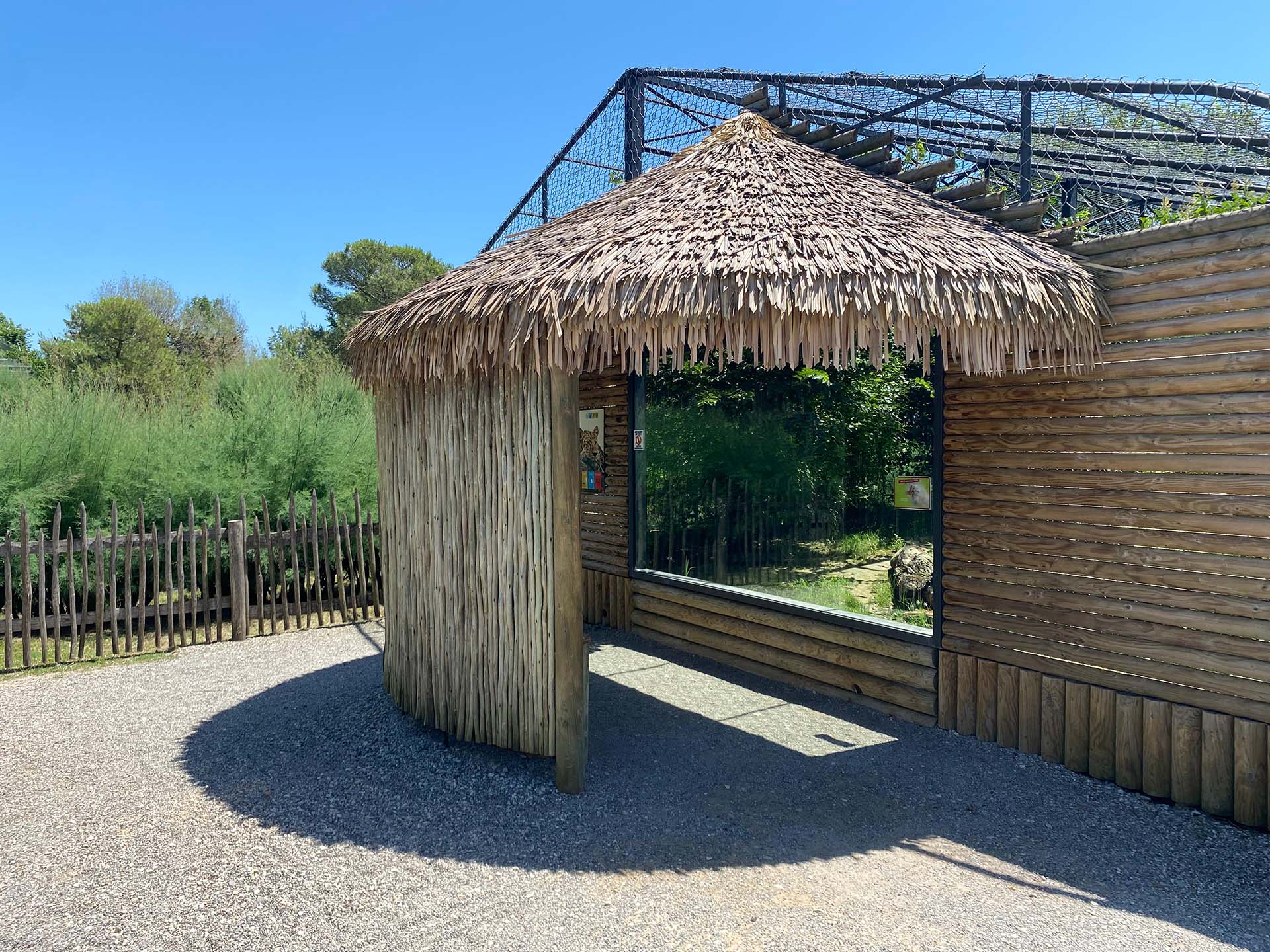
Photo 24 - Roof at the leopard cage
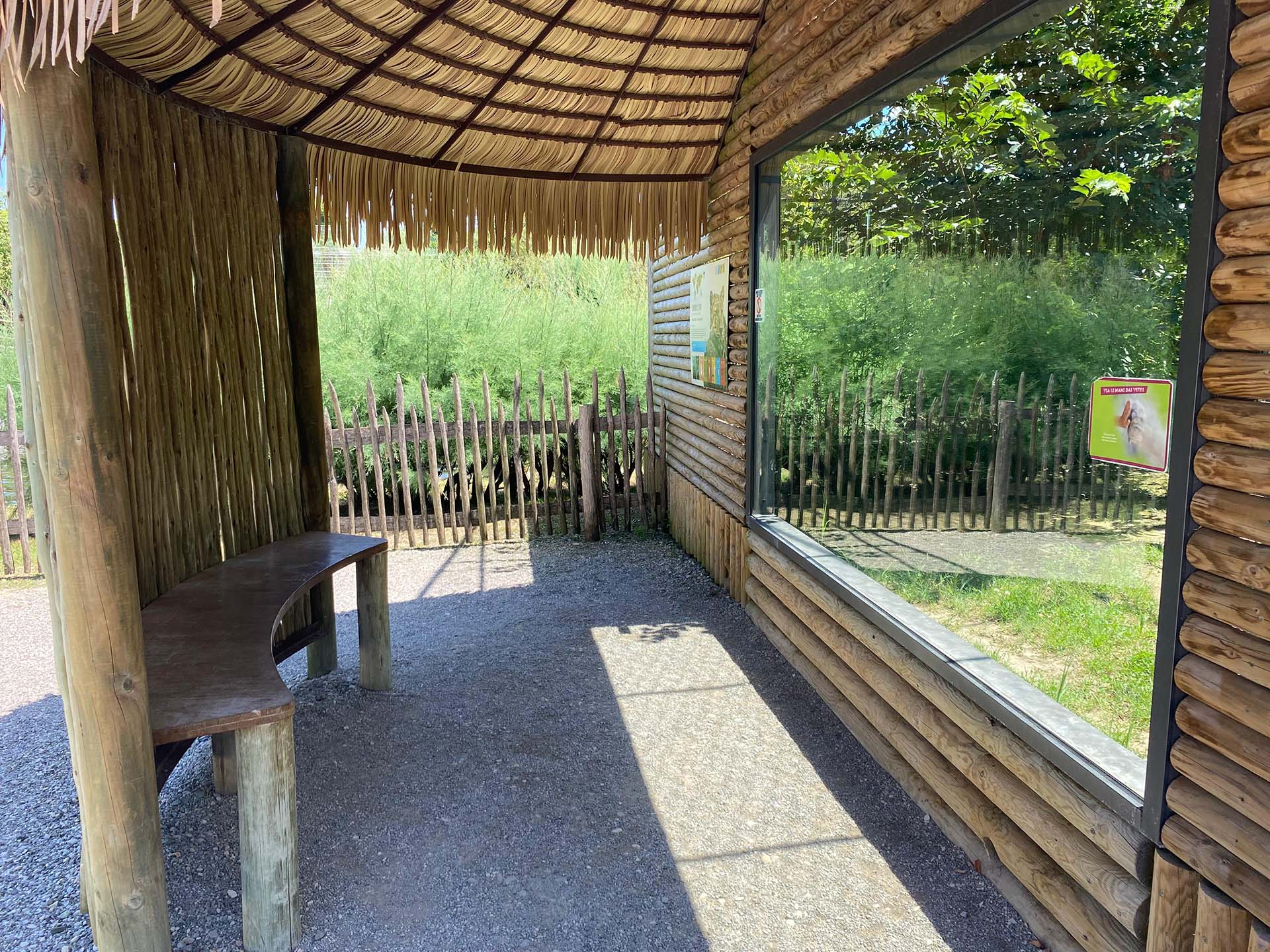
Photo 25 - Seats and glass for observation
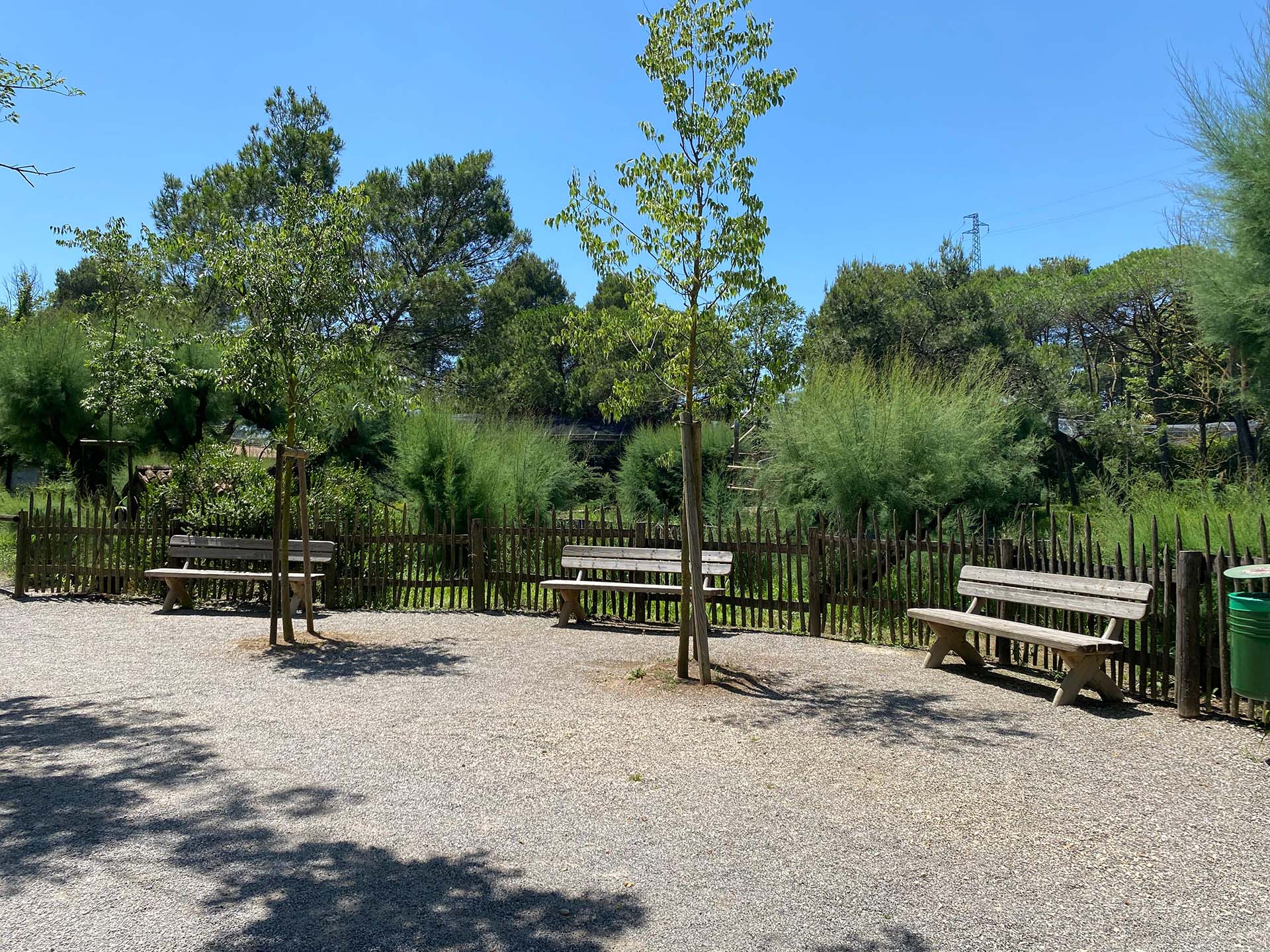
Photo 26 - Benches
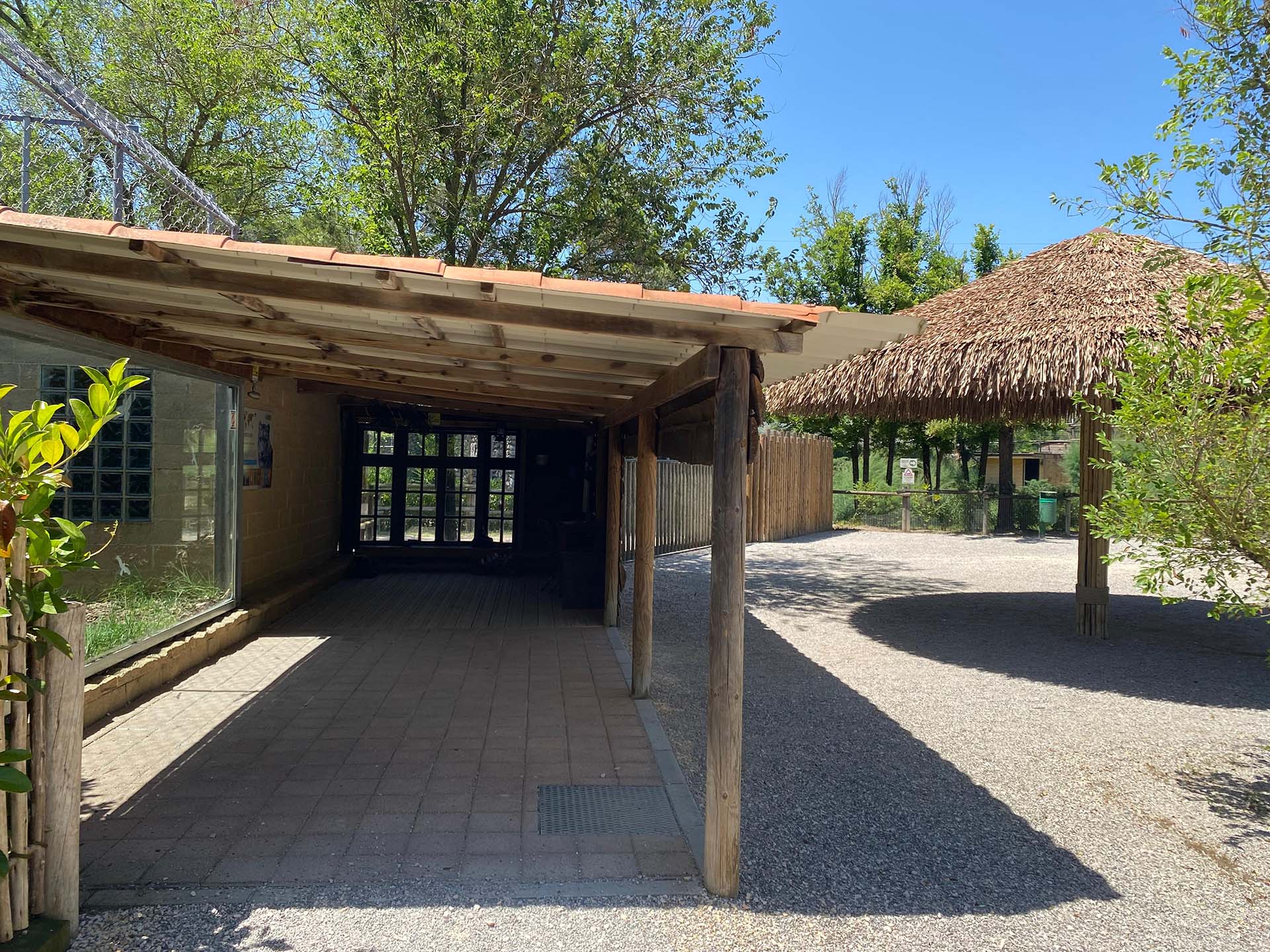
Photo 27 - Roof
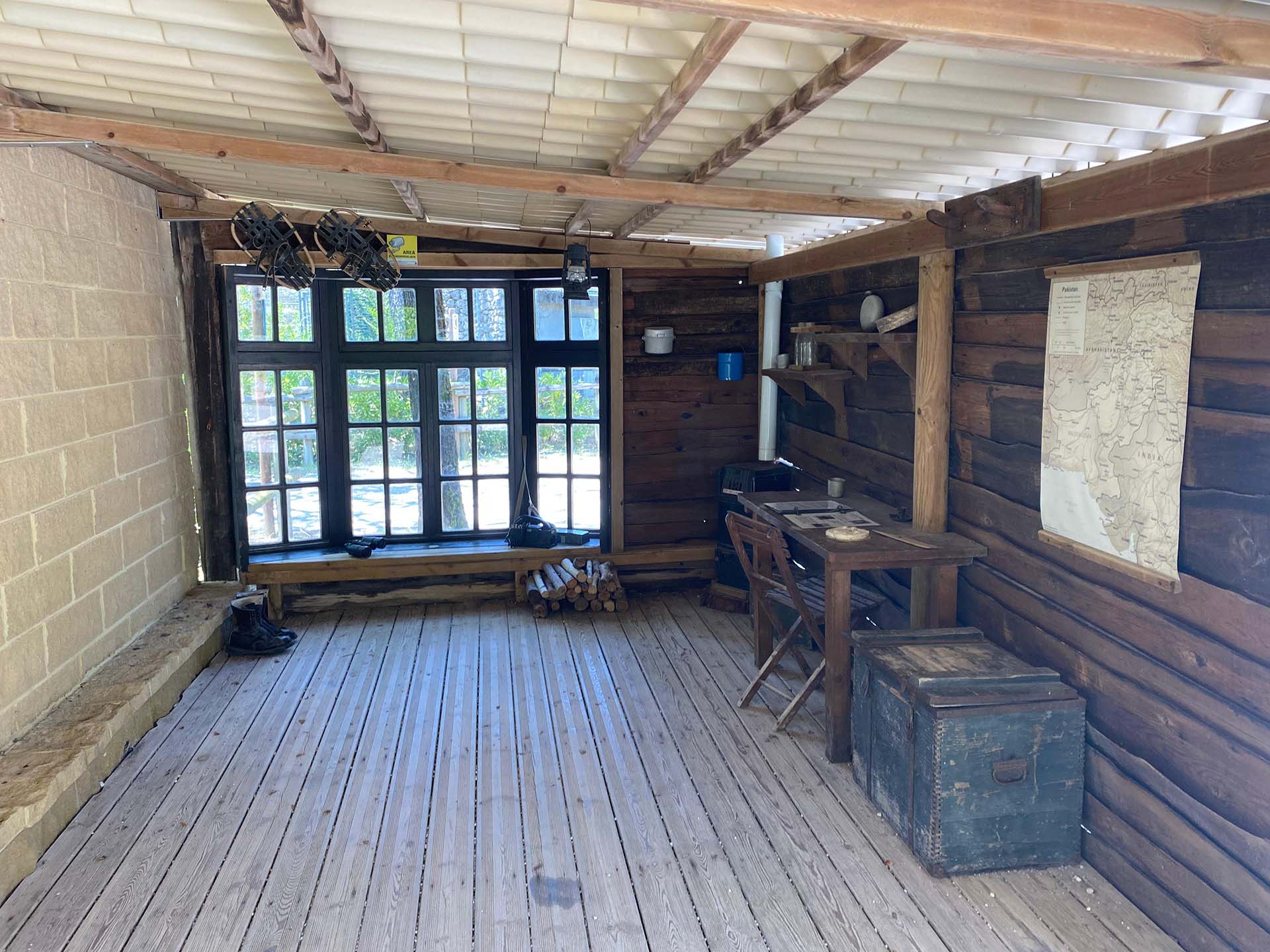
Photo 28 - Reconstruction of scholars' accommodation
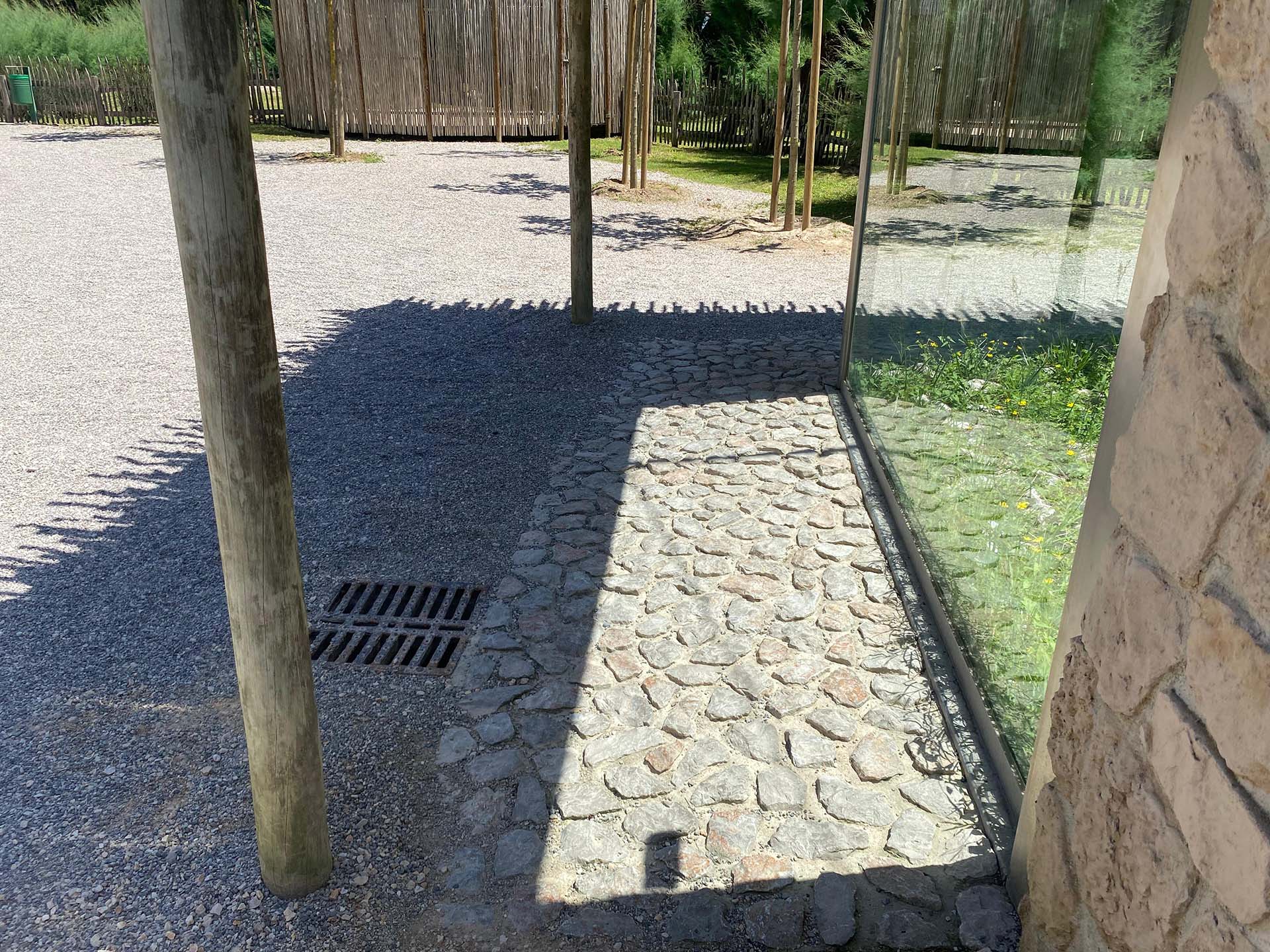
Photo 29 - Split stone pavement
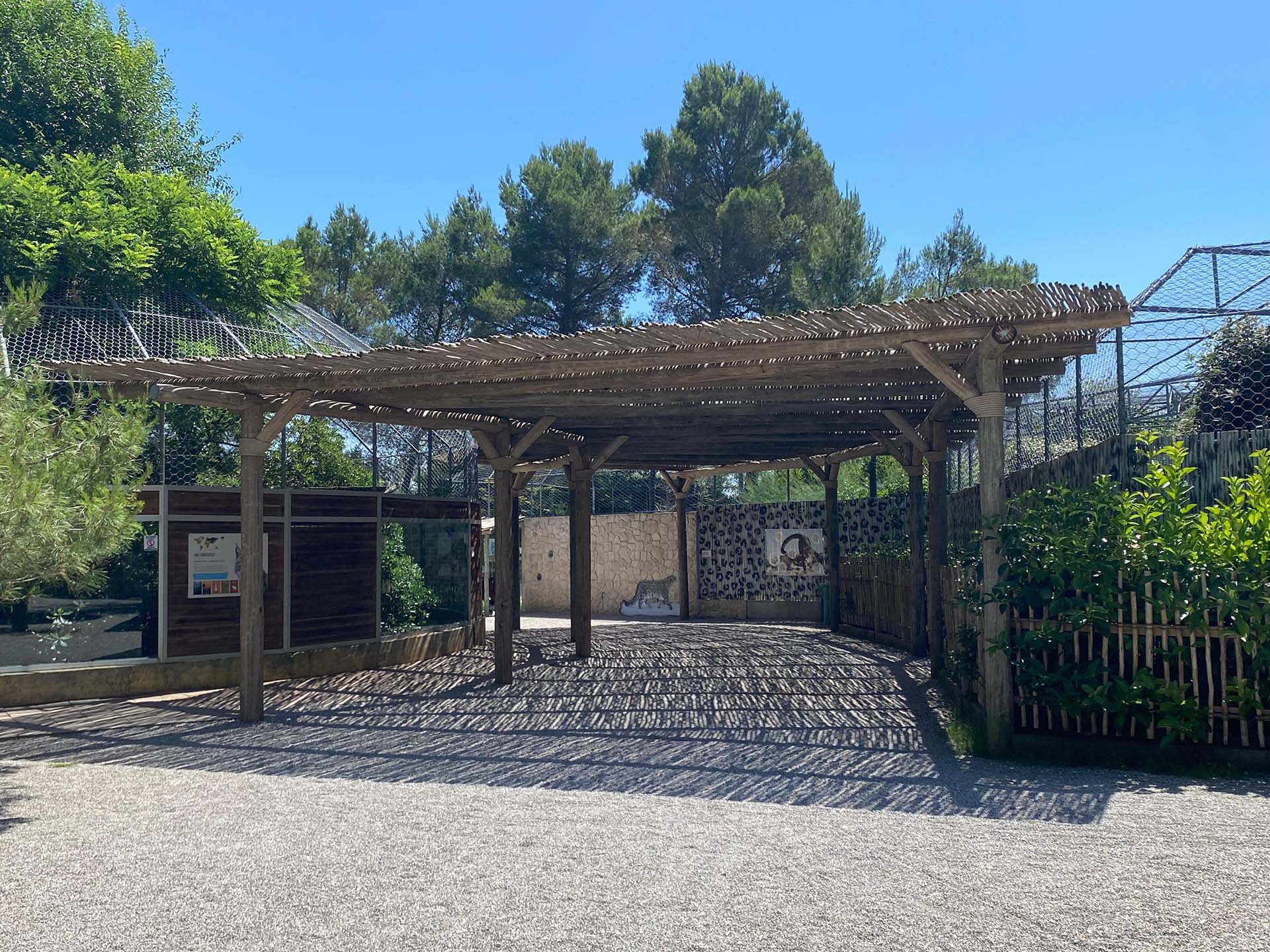
Photo 30 - Canopy
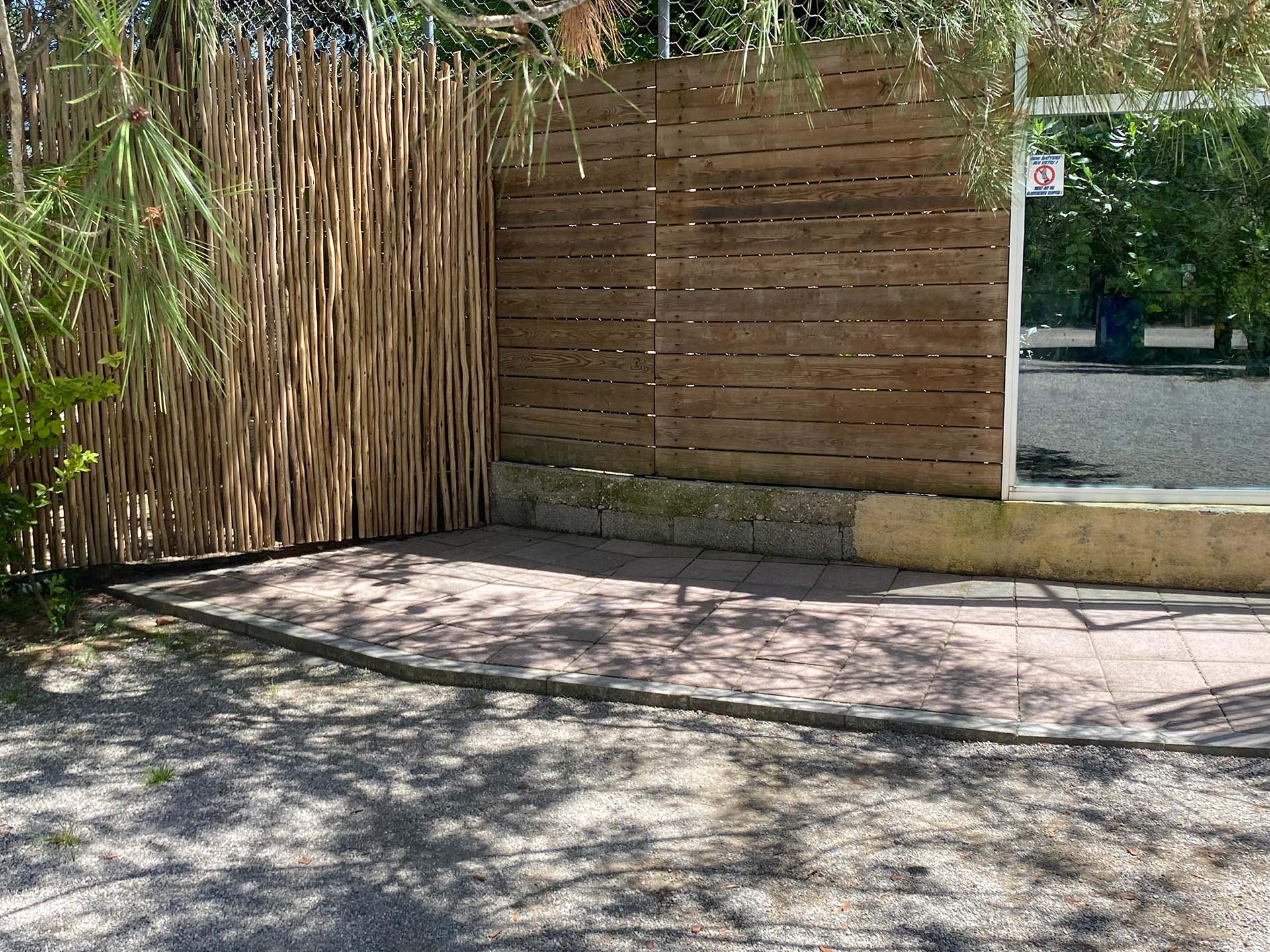
Photo 31 - Step
Tratto 6
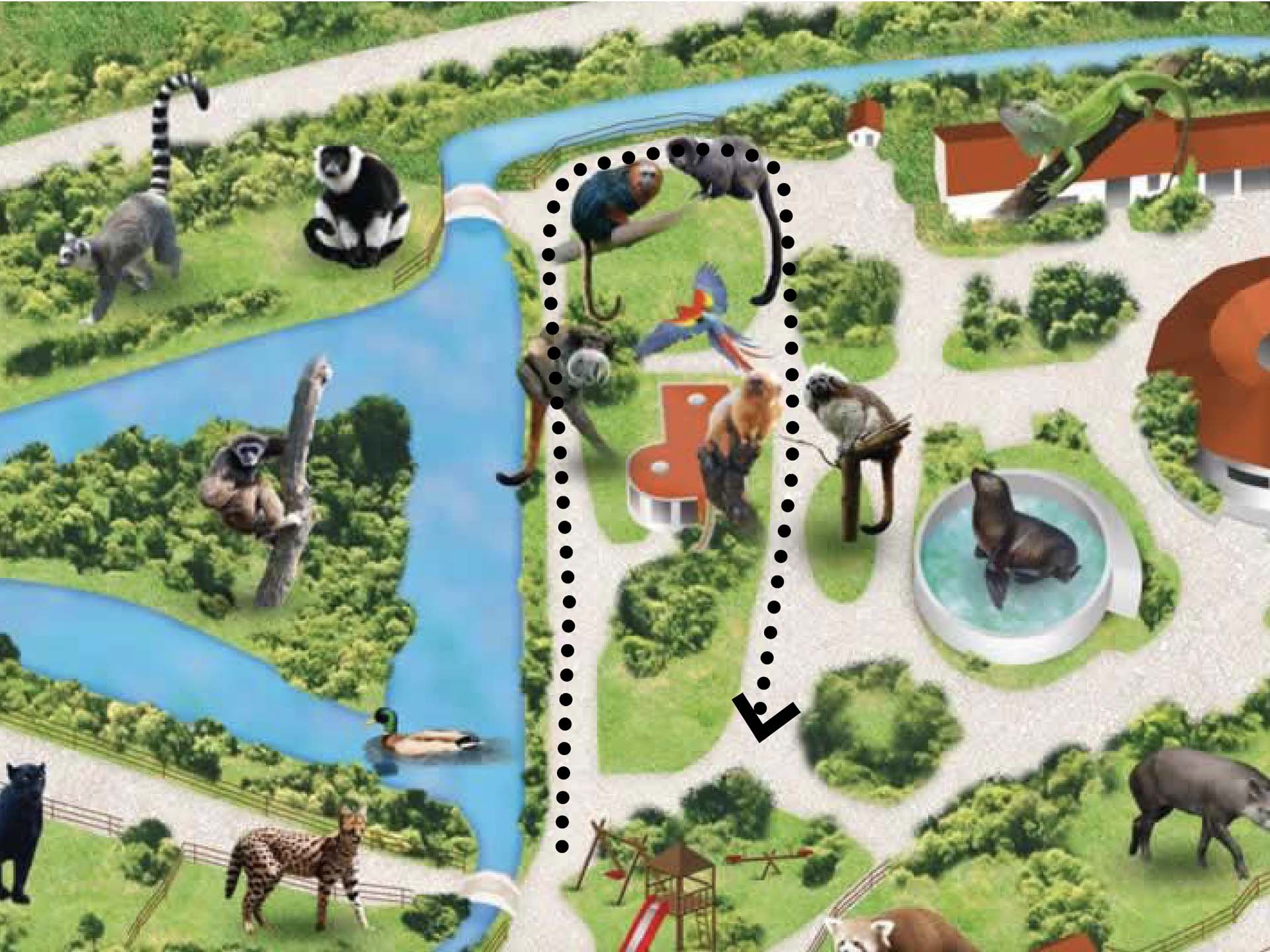
Superato il ponte il percorso prosegue a destra dove la pavimentazione è raccordata con ghiano, mentre a sinistra troviamo un gradino di 4 cm circa (per mancanza di ghiaino), troviamo sulla sinistra una zona d'acqua dedicata ai pellicani con un'isola al centro. Sulla destra entriamo in una capanna accessibile con all'interno la storia del Caissara: animale in via di estinzione (foto 32) al cui interno sono esposti pannelli informativi sull'animale (foto 33). Lungo il percorso esterno accessibile, fare attenzione ai cestini in aggetto sul camminamento (vuoto sotto di 30 cm circa), che possono creare problemi ai non vedenti. Lungo il sentiero di trovano fessure per scattare foto a 110 cm da terra e sulla destra la casa che ospita il tamarino di Edipo, con uno spazio a lui dedicato dotato di aria condizionata in quanto necessita di temperature basse. Le vetrate per osservare l'animale sono a 120 cm da terra e difficilmente utilizzabili da persone in carrozzina. All'interno sono presenti anche spazi per laboratori ecologici. Le porte di ingresso sono larghe 120 cm (foto 34). Dalla parte opposta al tamarino vi sono quattro panchine e due ombrelloni ombreggianti, che si affacciano sull'isola dei gibboni (foto 35). La distanza della palificata di recizione dall'isola, priva di recinto, è abbastanza adeguata per riuscire a vedere gli animali. Avanzando, sulla sinistra, su tratto sterrato in ghiaino, si trova la gabbia del lemure coronato e lemure dalla coda ad anelli, con finestre sia alte sia basse e un grande ombrellone per ripararsi dal sole (foto 36).Dopo poco, vicino alla gabbia, sono presenti cartelli esplicativi che raccontano l'isola Madagascar e le sue problematiche. I cartelloni più bassi sono posizionati a 80 cm da terra e risultano facilmente leggibili, mentre quelli alti sono a 135 cm, hanno indicazioni scritte in piccolo. La gabbia successiva accoglie il callimico di goeldii e ha un vetro posto a 1 metro da terra.
Qui si trovano i servizi igienici accessibili (vicini all'area ristorazione), ben raccordati con percorso, con sulla sinistra la voliera del pappagallo ara macau osservabile da area con pavimentazione accessibile e vetrate che partono da 55 cm da terra. Tra la gabbia delle scimmie e la voliera dell'ara è presente un gioco a terra, un'asse di equilibrio, con pavimentazione anticaduta (foto 37) che potrebbero creare difficoltà alle persone con disabilità visiva e che vanno aggirati dalle persone in carrozzina.
Section 6
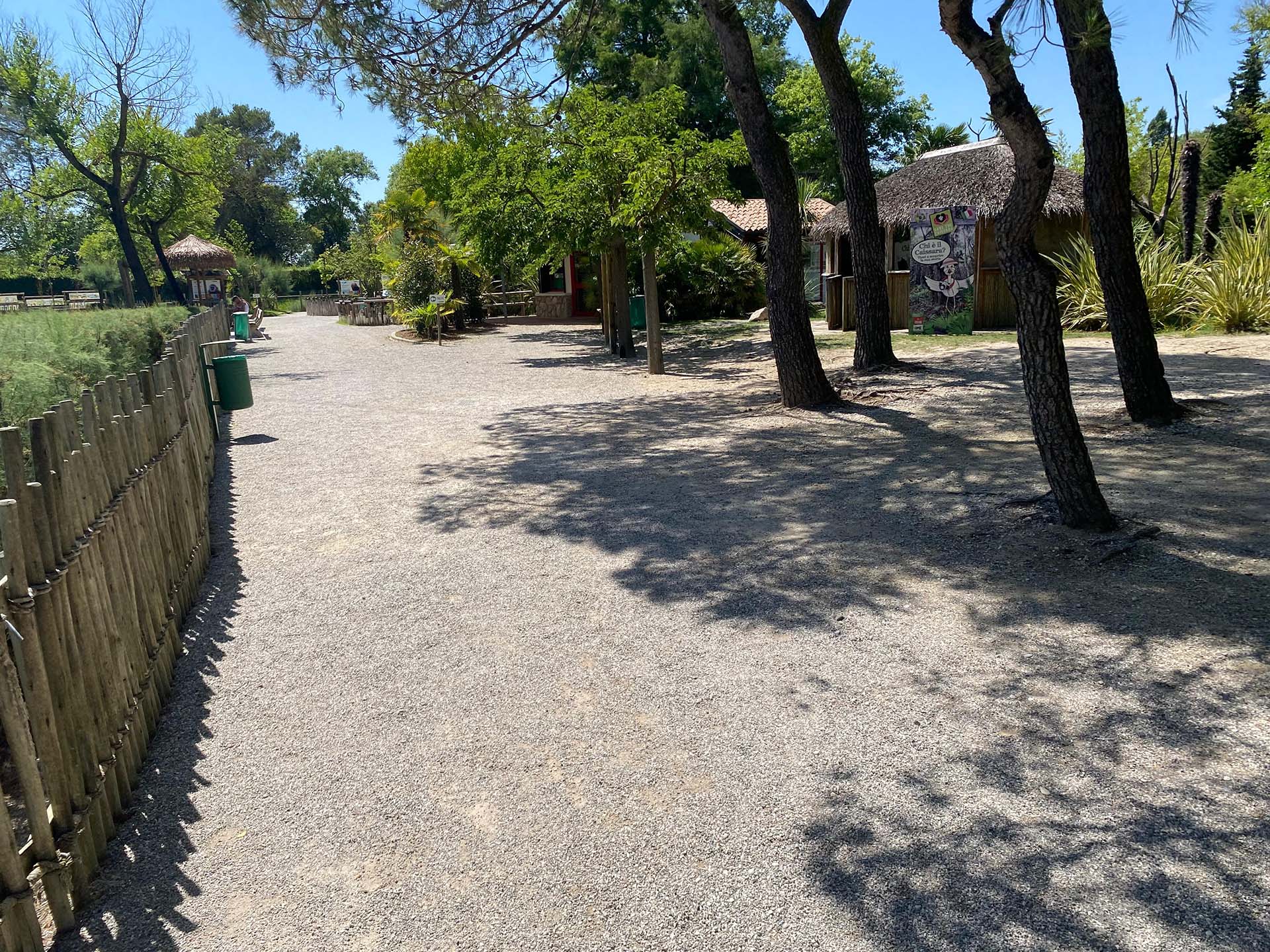
Photo 32 - Path with Caissara hut
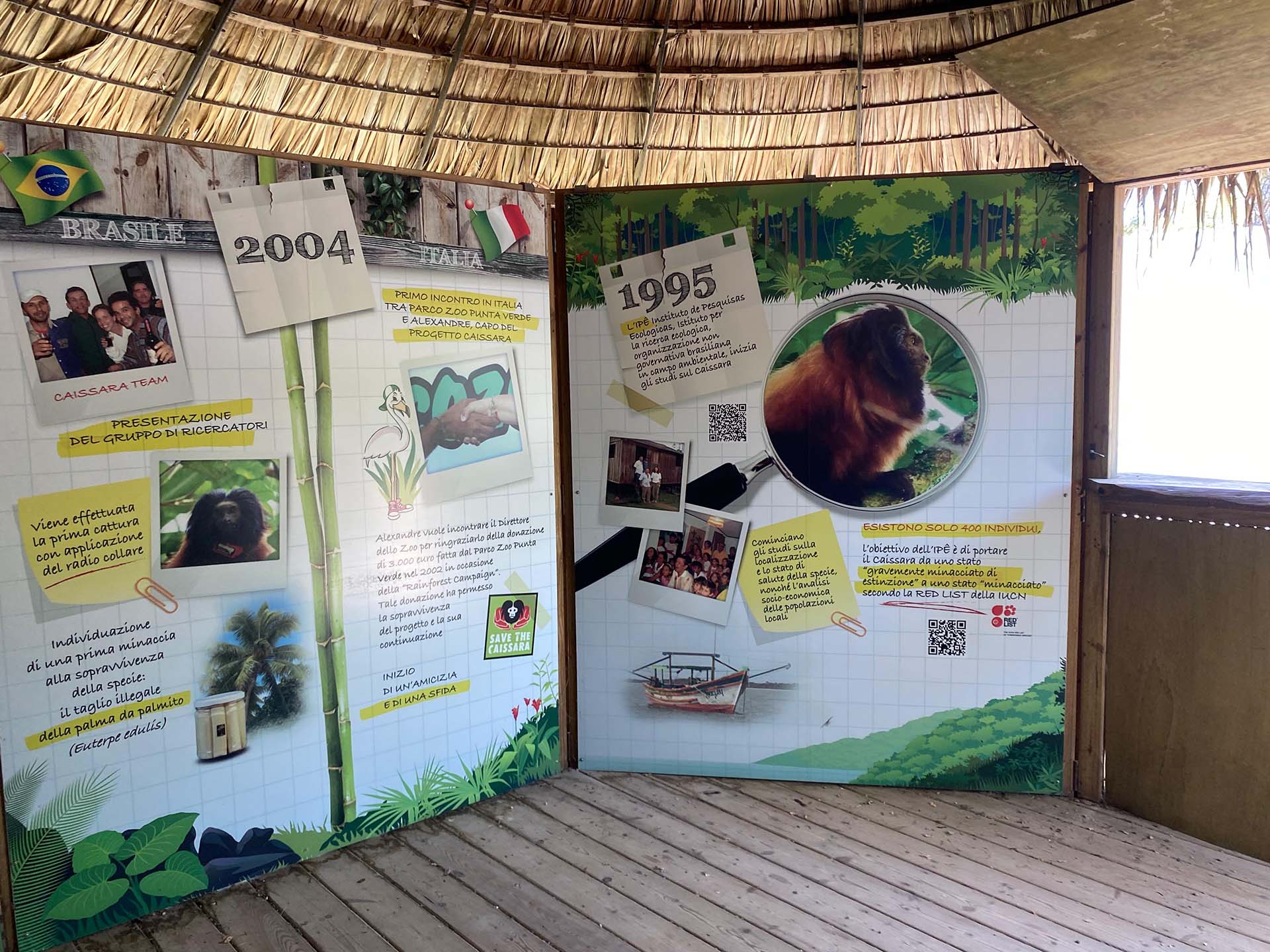
Photo 33 - Informative panels inside the hut
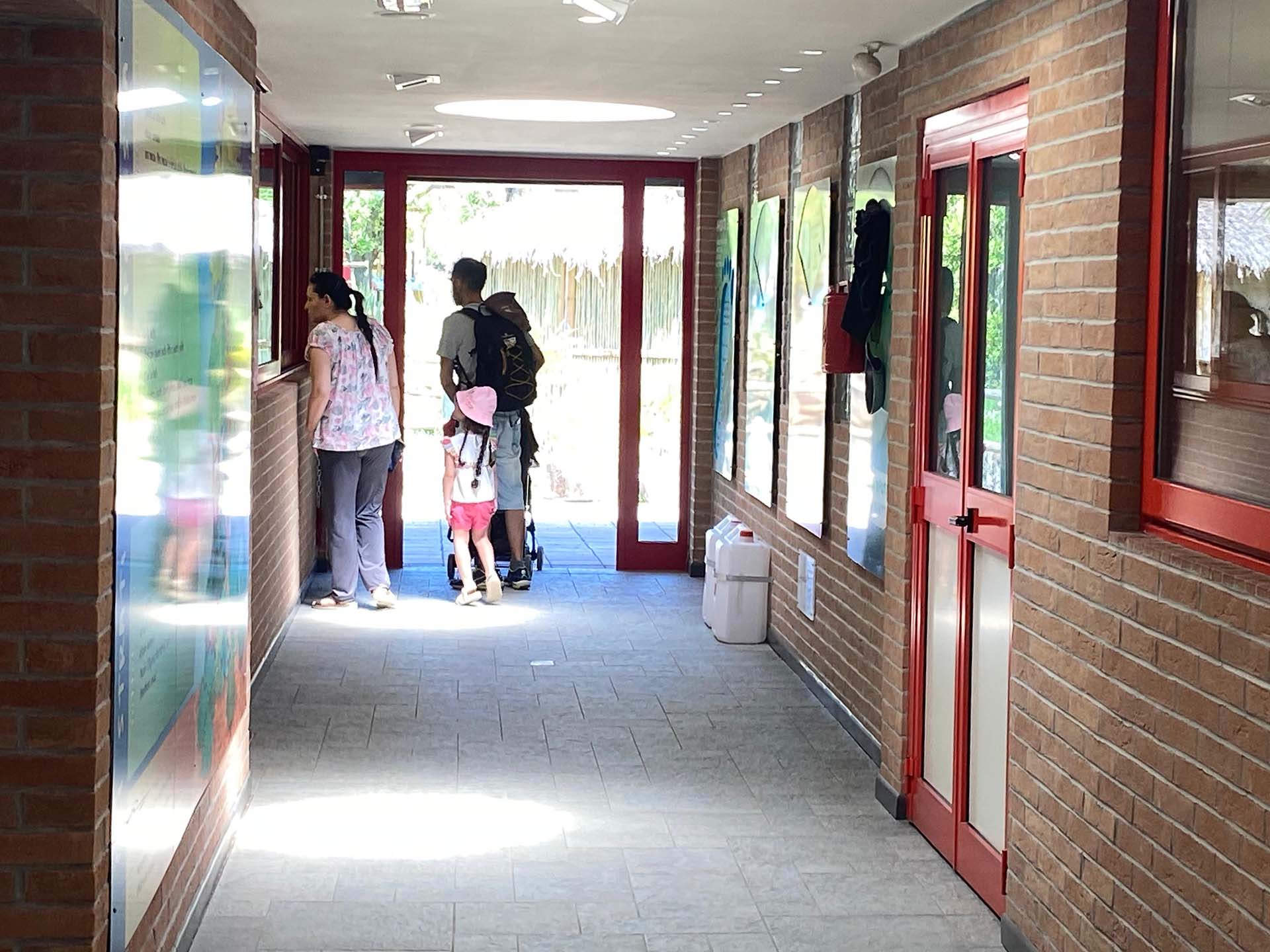
Photo 34 - Doors of the tamarin house of Oedipus
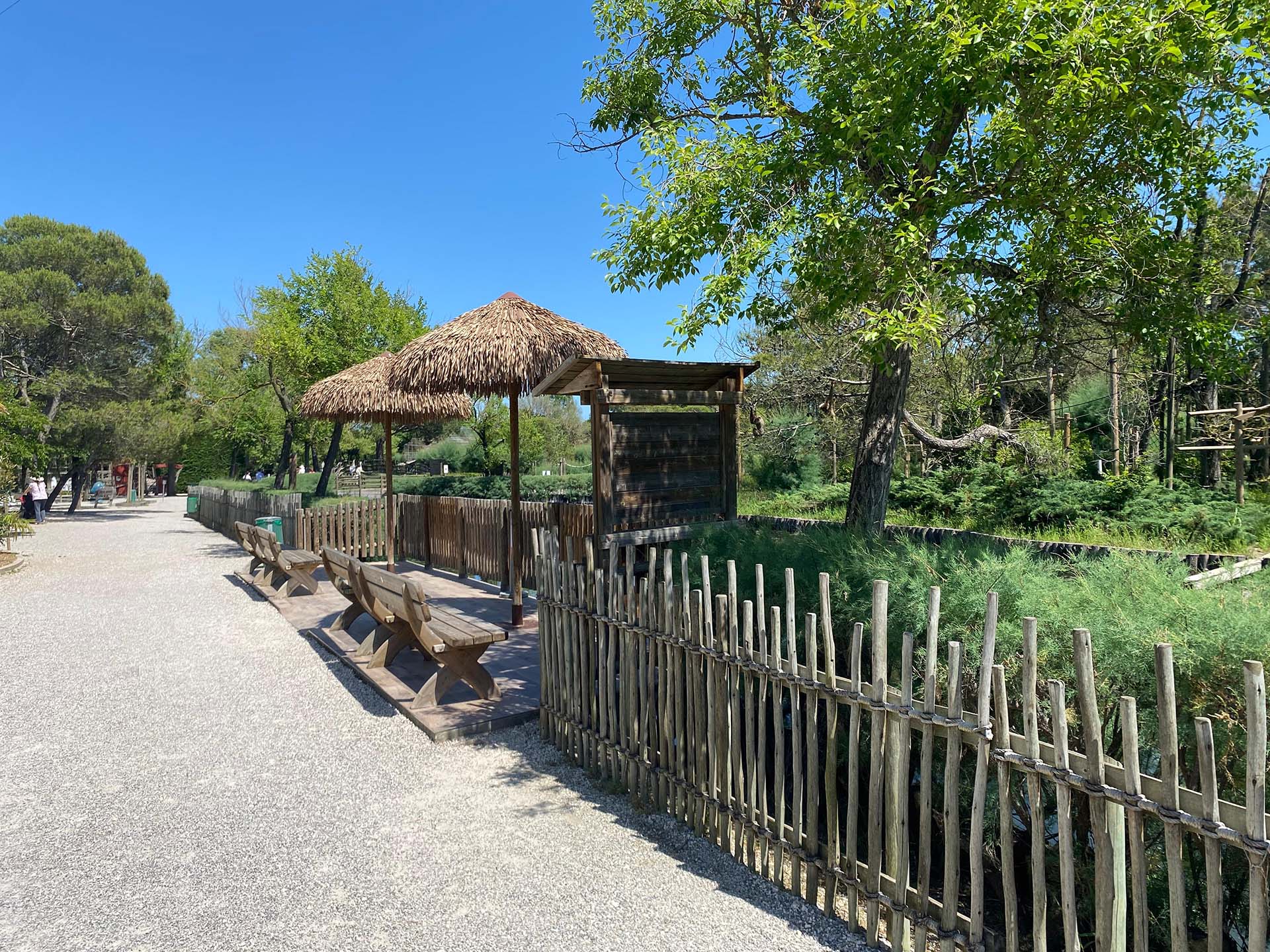
Photo 35 - Shaded seating and gibbon island
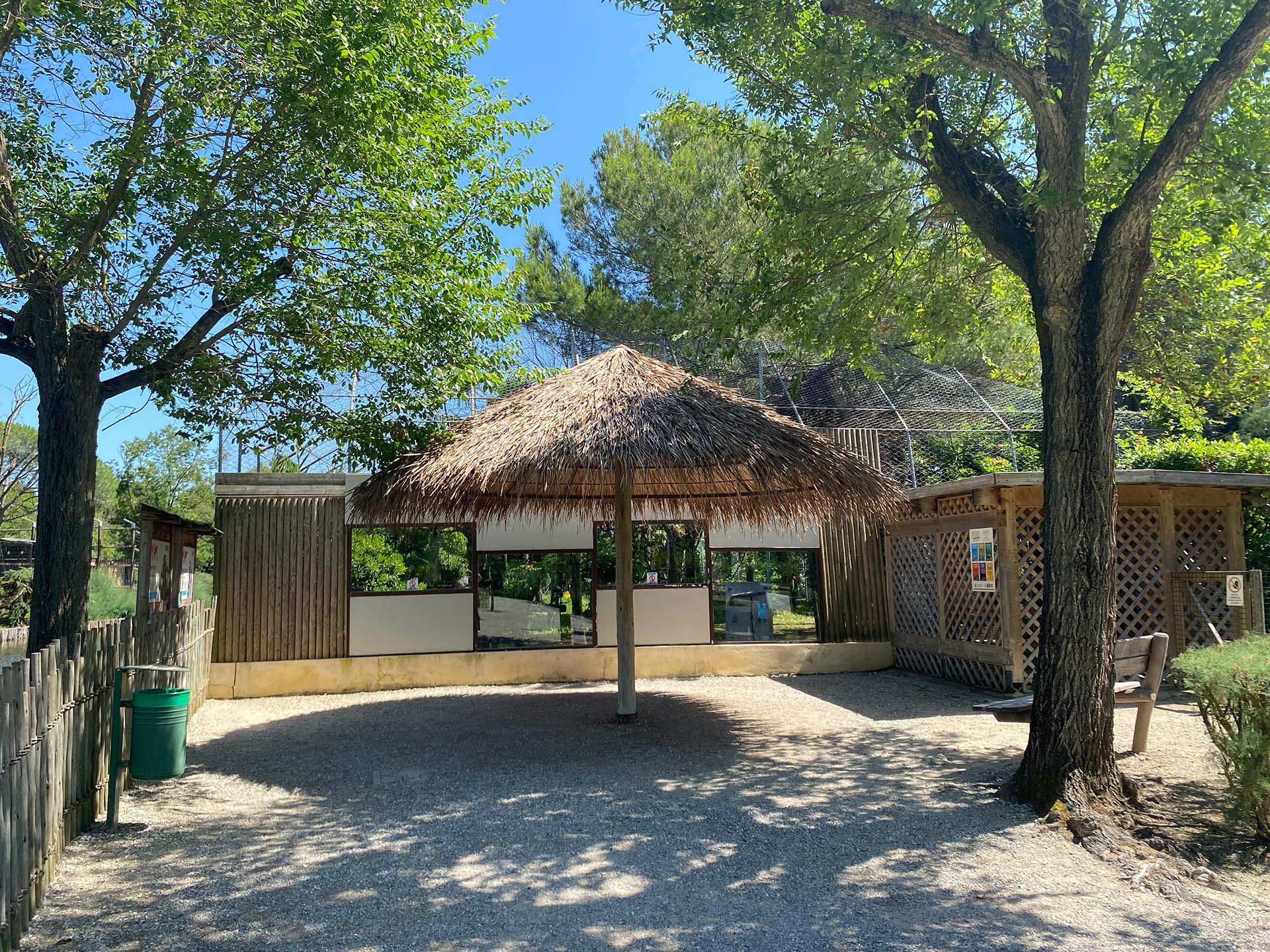
Photo 36 - Front space of the lemur cage
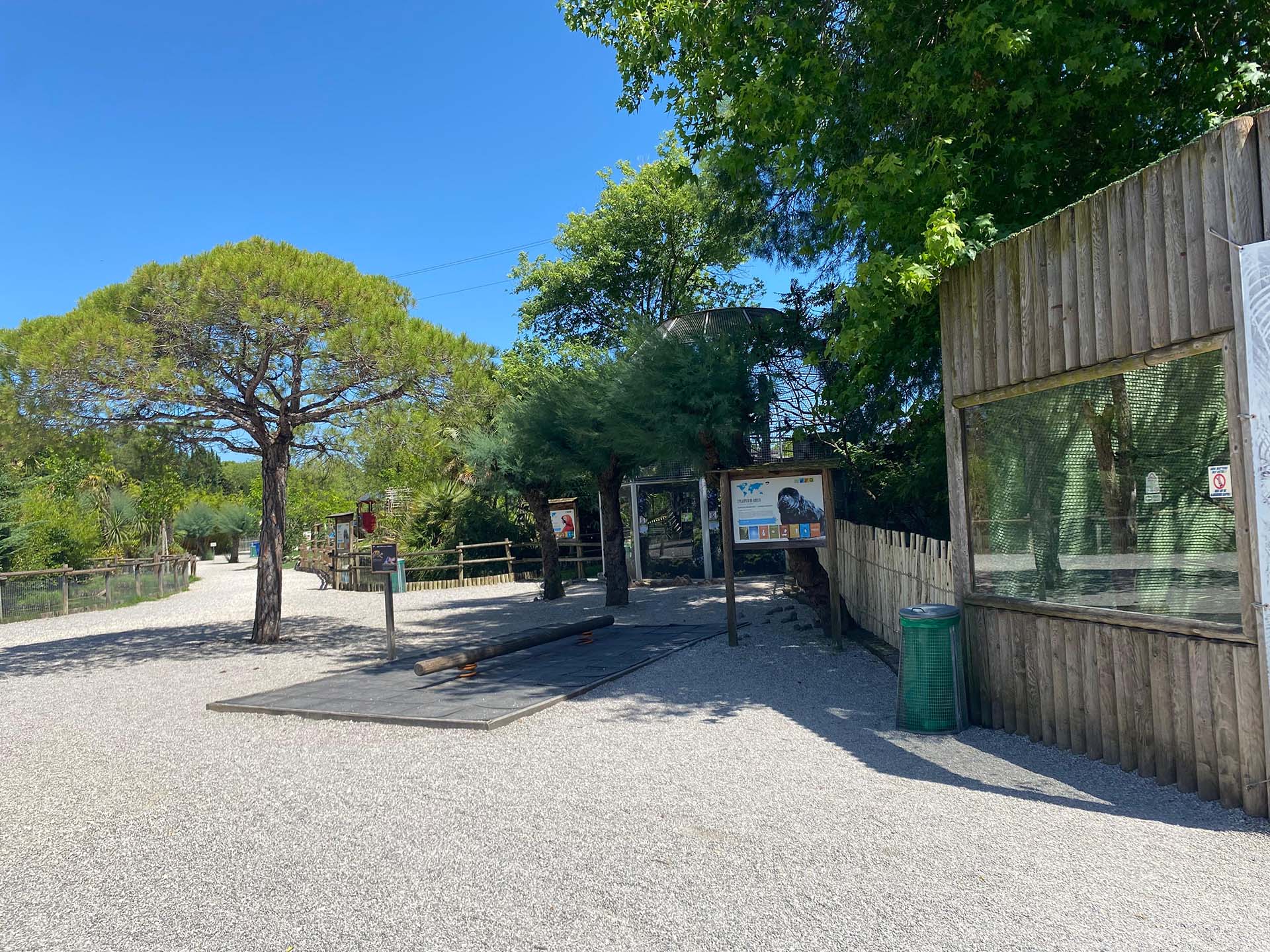
Photo 37 - Balance beam game
Tratto 7
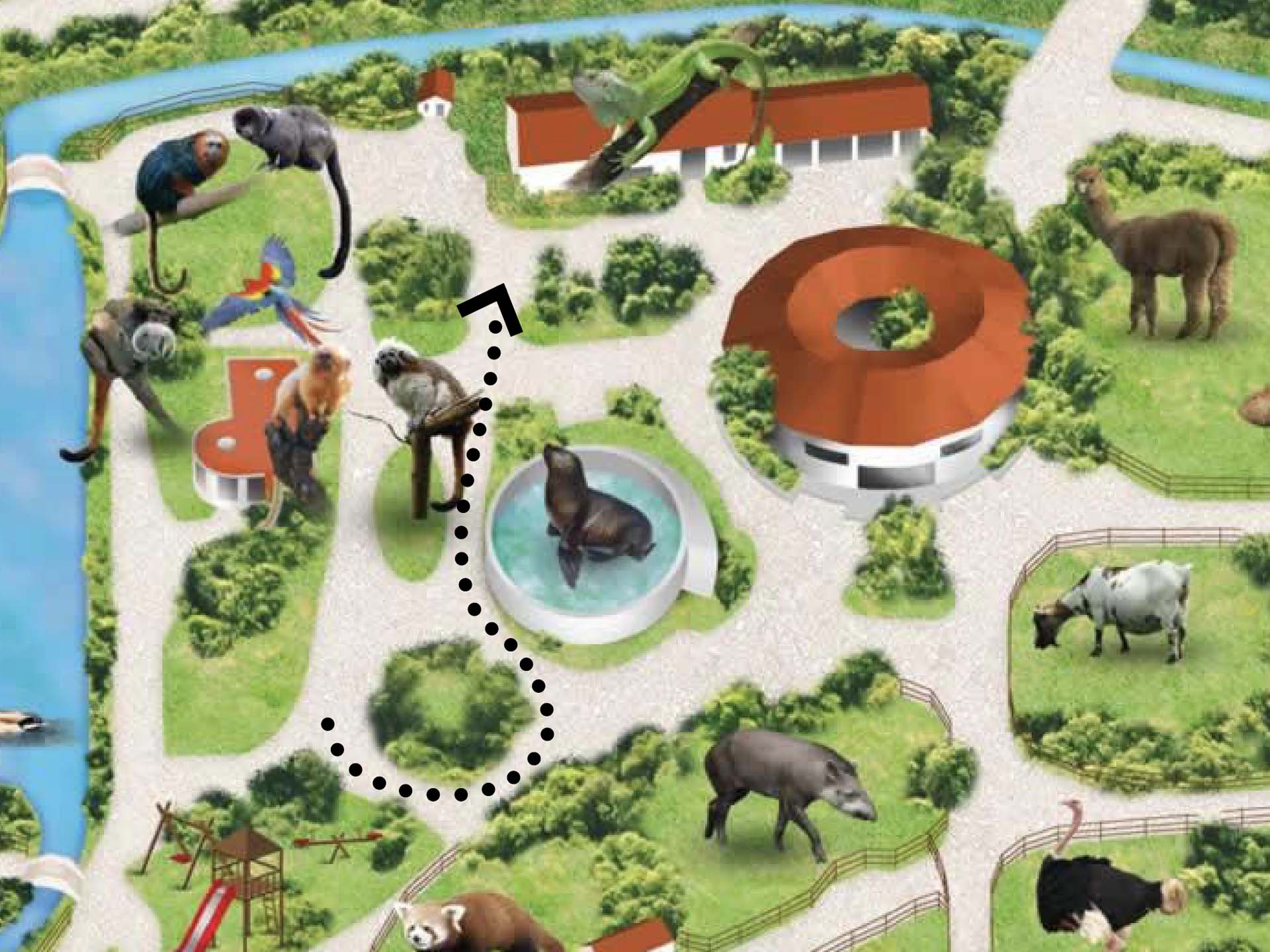
Tra l'area dedicata alle scimmie e quella delle giraffe è presente un piccolo parco giochi riservato ai bambini con giochi e castelli (non adeguati ai bambini con disabilità) e con diverse panchine in zona ombreggiata (foto 38). Attenzione che in qualche punto il percorso è formato da ghiaino particolarmente denso. Sulla sinistra troviamo una vasca dedicata alle specie pericolose dei nostri mari con punti di osservazione non accessibili perchè posti in alto, sopra cassoni di ferro nel perimetro della vasca, su cui bambini ed adulti, salendoci, possono vedere meglio (foto 39). Attraversando una strettoria si arriva alla vasca delle otarie il cui punto di osservazione è sulla sommità, raggiungibile tramite due rampe laterali difficilmente accessibili non sono raccordate alla base sporgendo da un lato con un gradino di 20 cm circa dal percorso in ghiano (foto 40) e dall'altro con pendenza eccessiva (foto 41). Si consiglia quindi di utilizzare la rampa centrale frontale con pendenza e raccordo accessibile ma privo di corrimano (foto 42).
Section 7
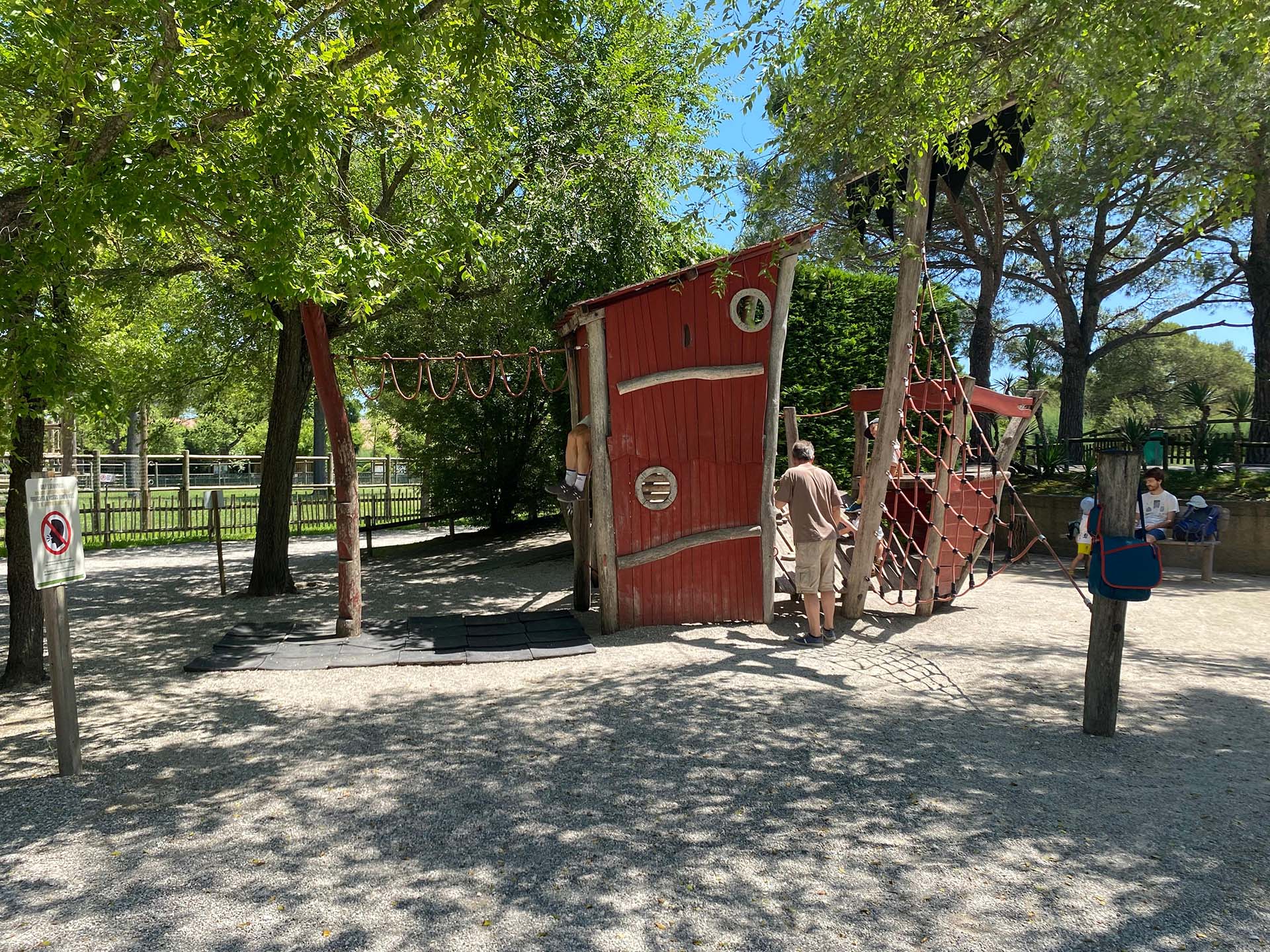
Photo 38 - Playground
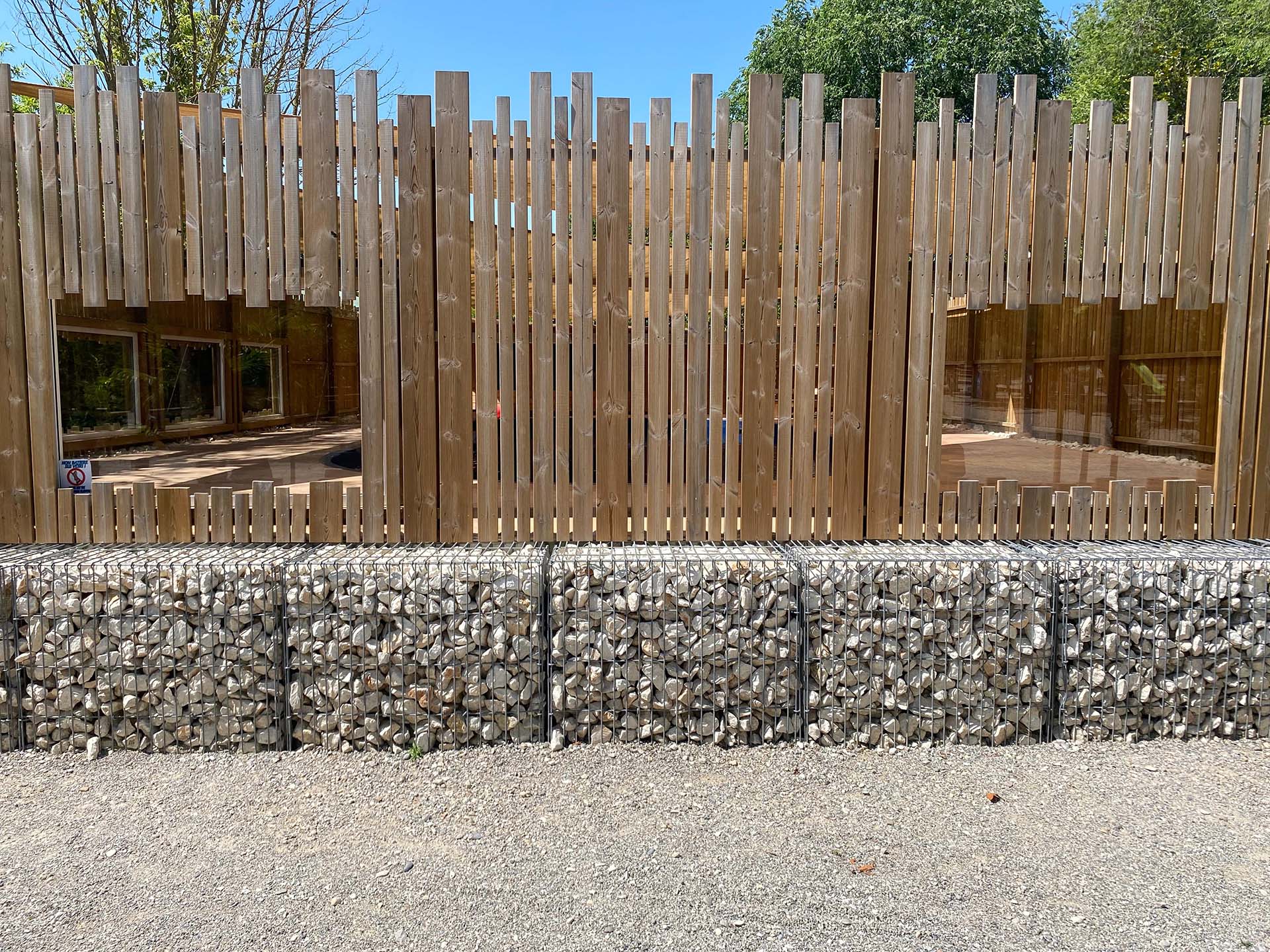
Photo 39 - Cage for dangerous species with containers at the base
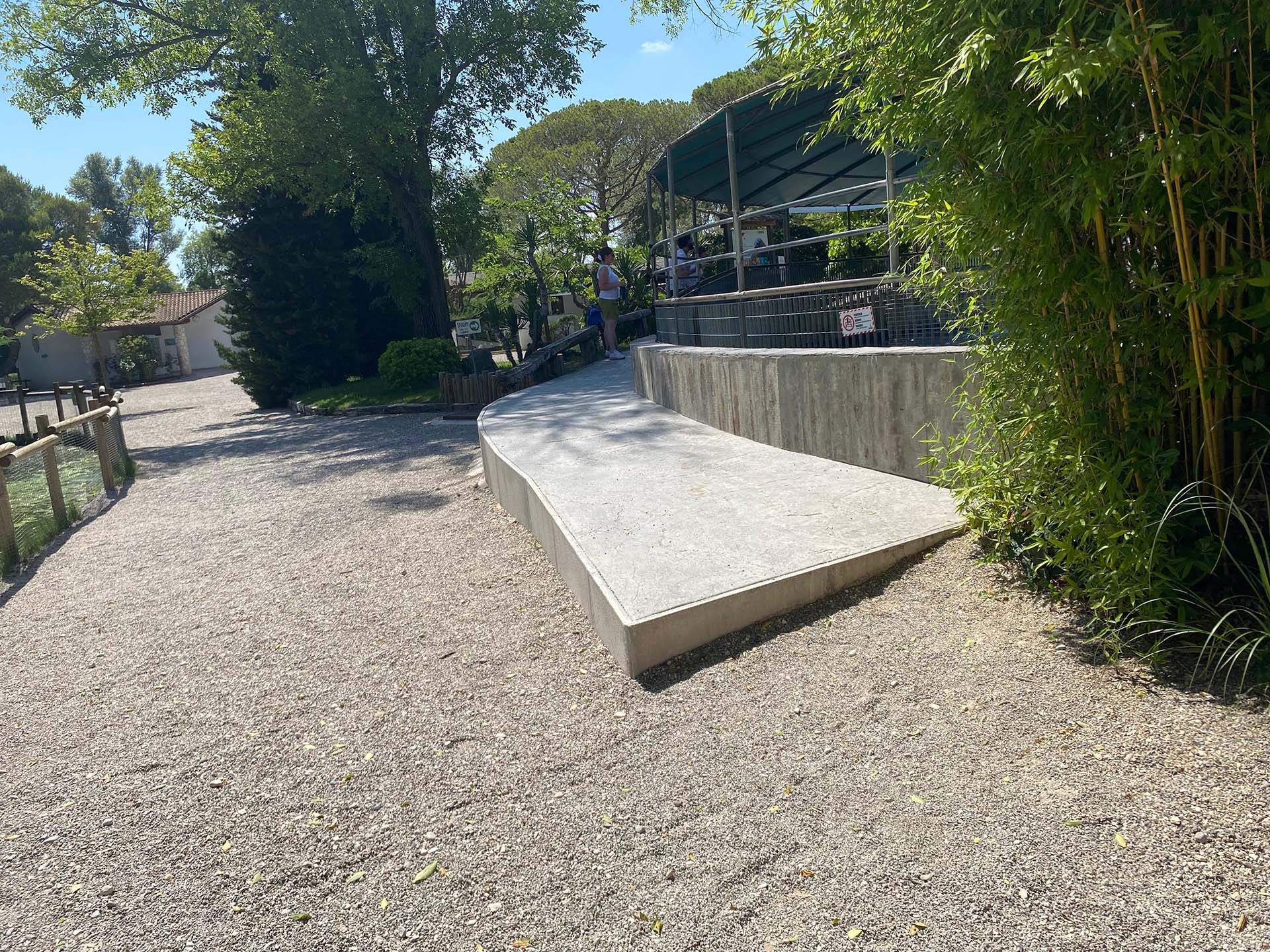
Photo 40 - Ramp with step from the dangerous marine animals pool
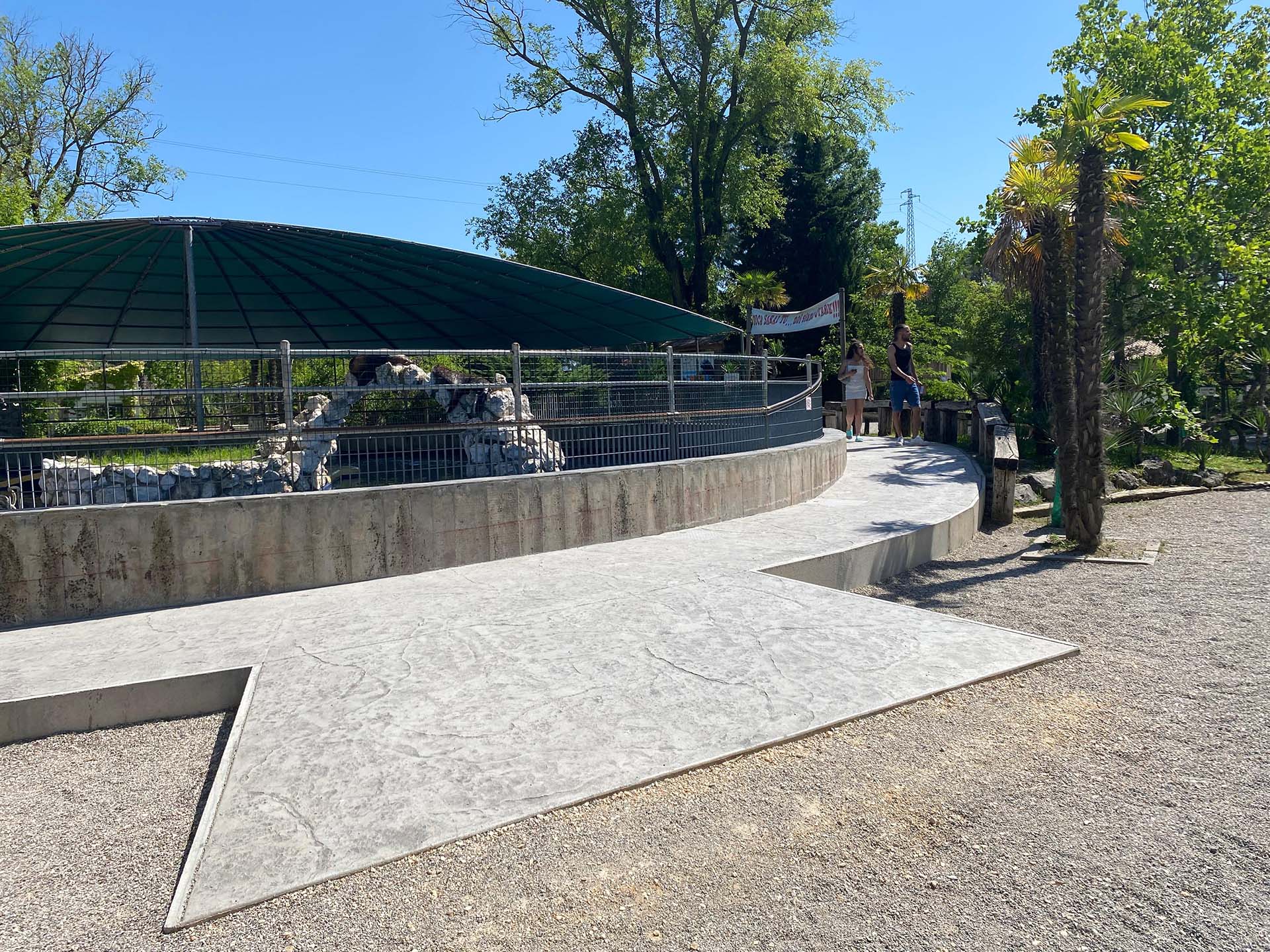
Photo 41 - Very steep ramp on the opposite side
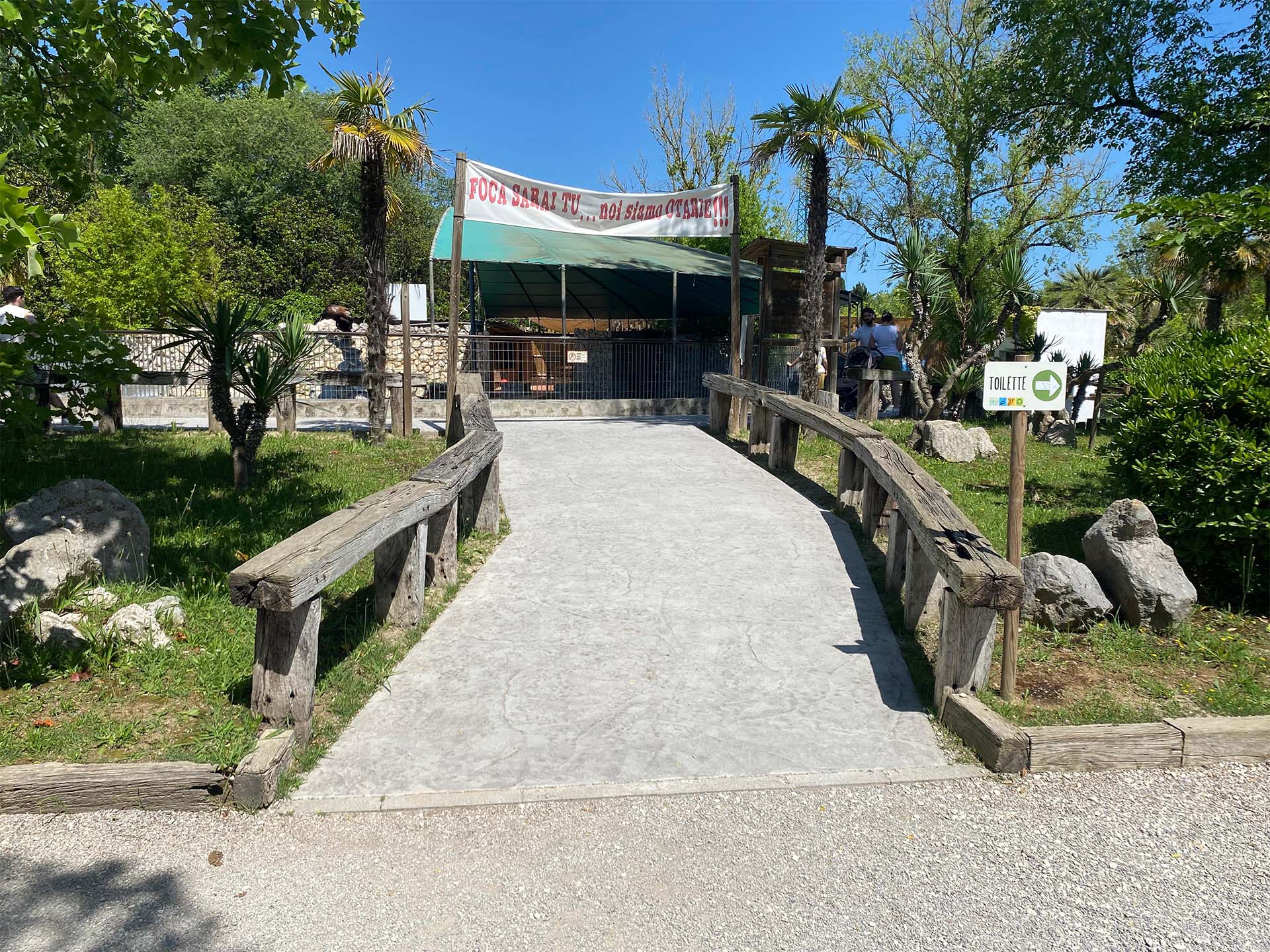
Photo 42 - Accessible central ramp
Section 8
You descend from the sea lion pool and find yourself in front of the dining area, reviewed with a separate sheet. On the side è there is a resting area with seating, in front of a small house where workshops on Charles Darwin are held, featuring a reproduction of Darwin himself sitting in his office (photo 43). Nearby is the biodiversity workshop à The Sloth Forest (photo 44), whose sliding door è preceded by a short ramp that is not visually perceptible (photo 45) where you can observe reptiles inside glass cages measuring 75 cm and three seats 40 cm off the ground (photo 46) After the workshop, on the right, there is an enclosure for turtles, surrounded by very low glass starting from 35 cm.
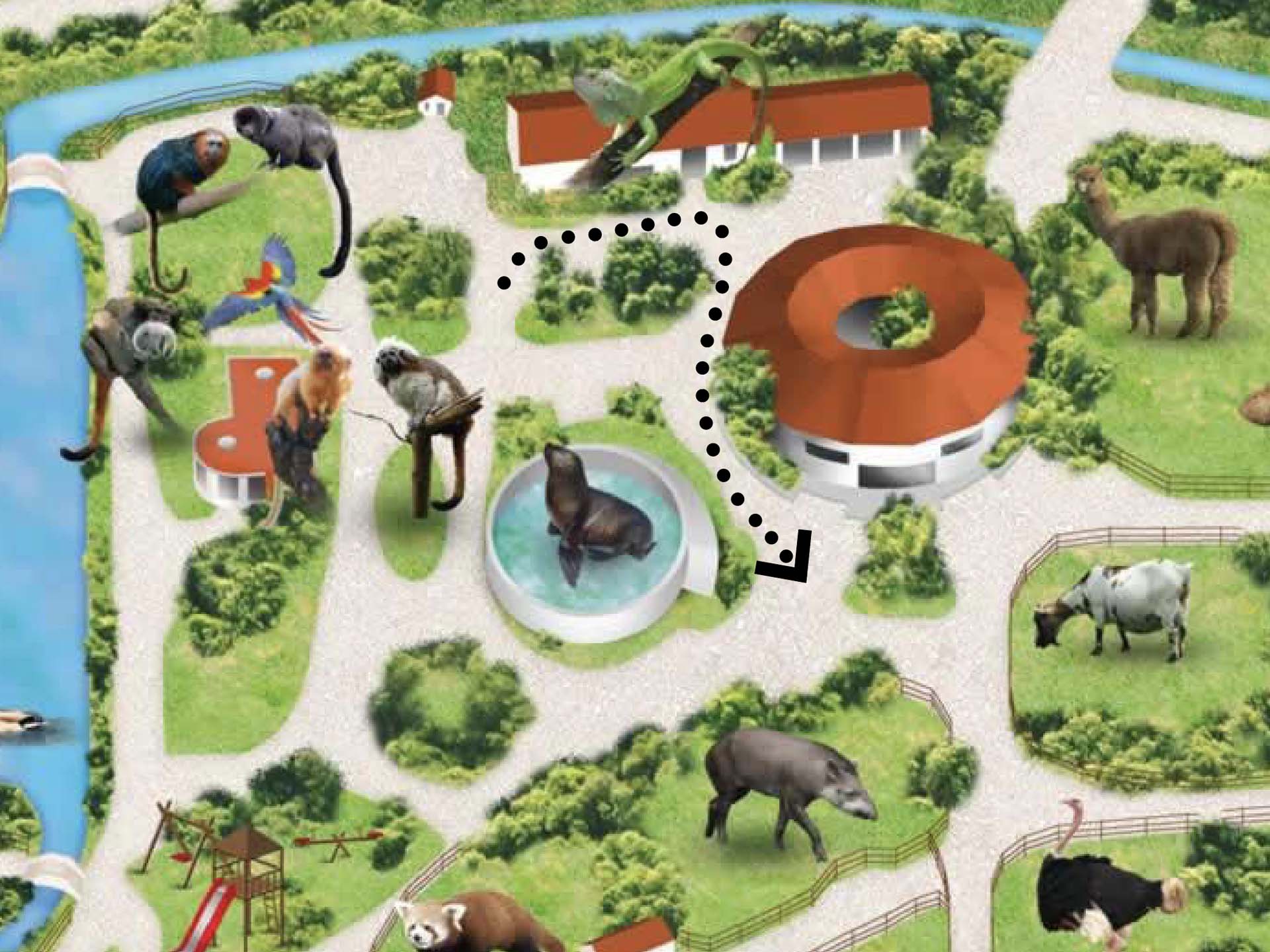
Section 8
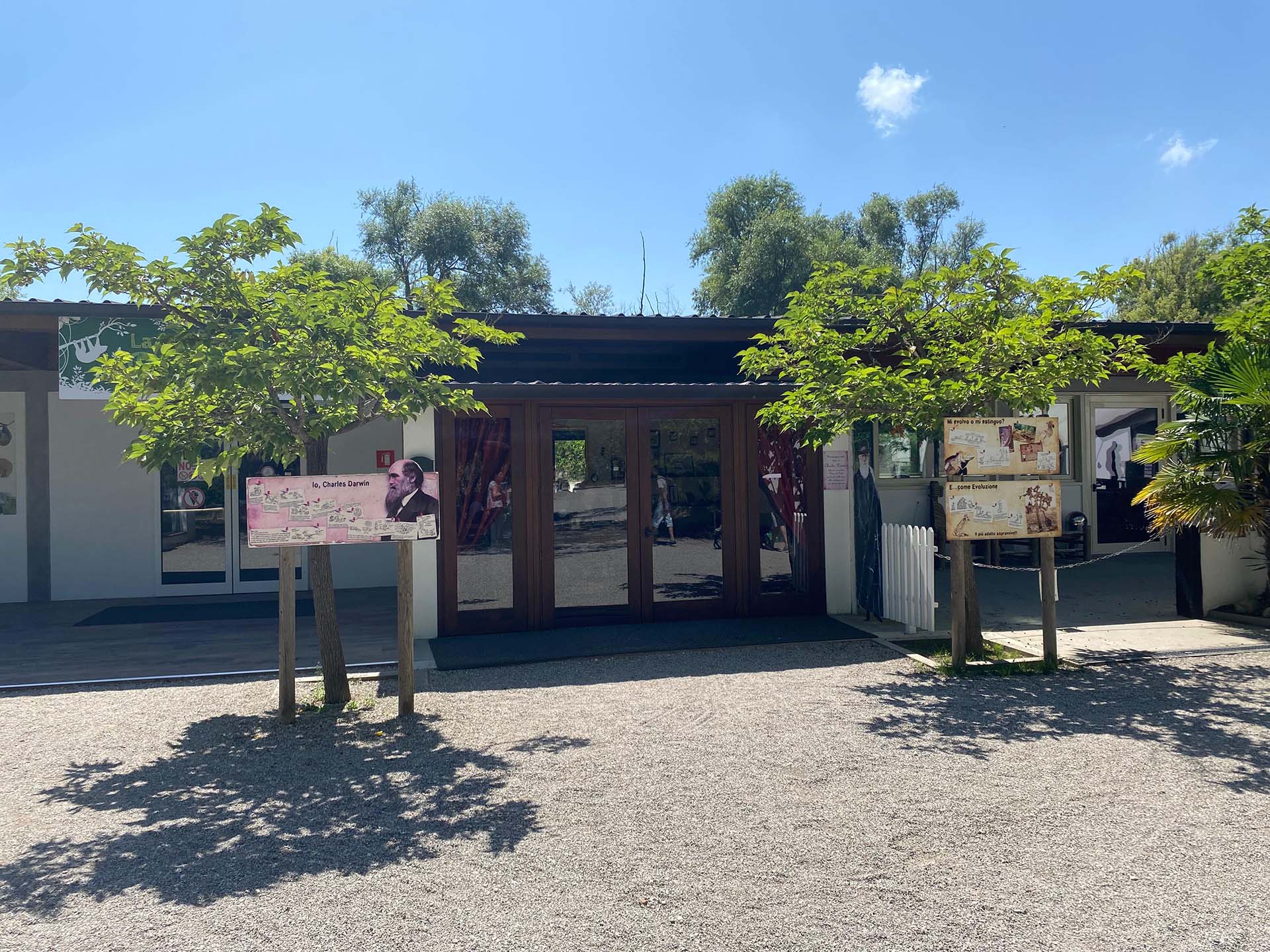
Photo 43 - Charles Darwing Laboratories
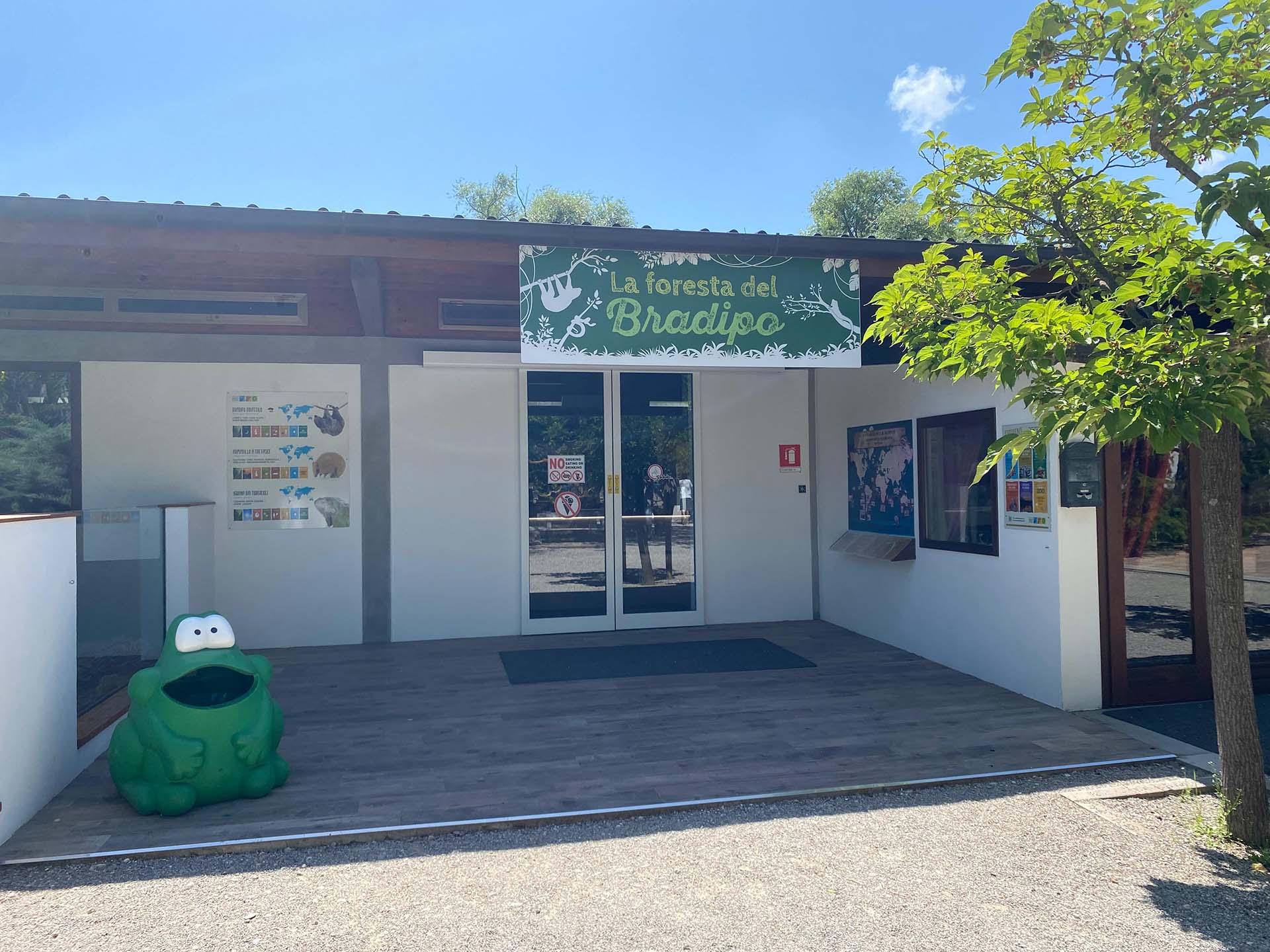
Photo 44 - Entrance The Sloth Forest
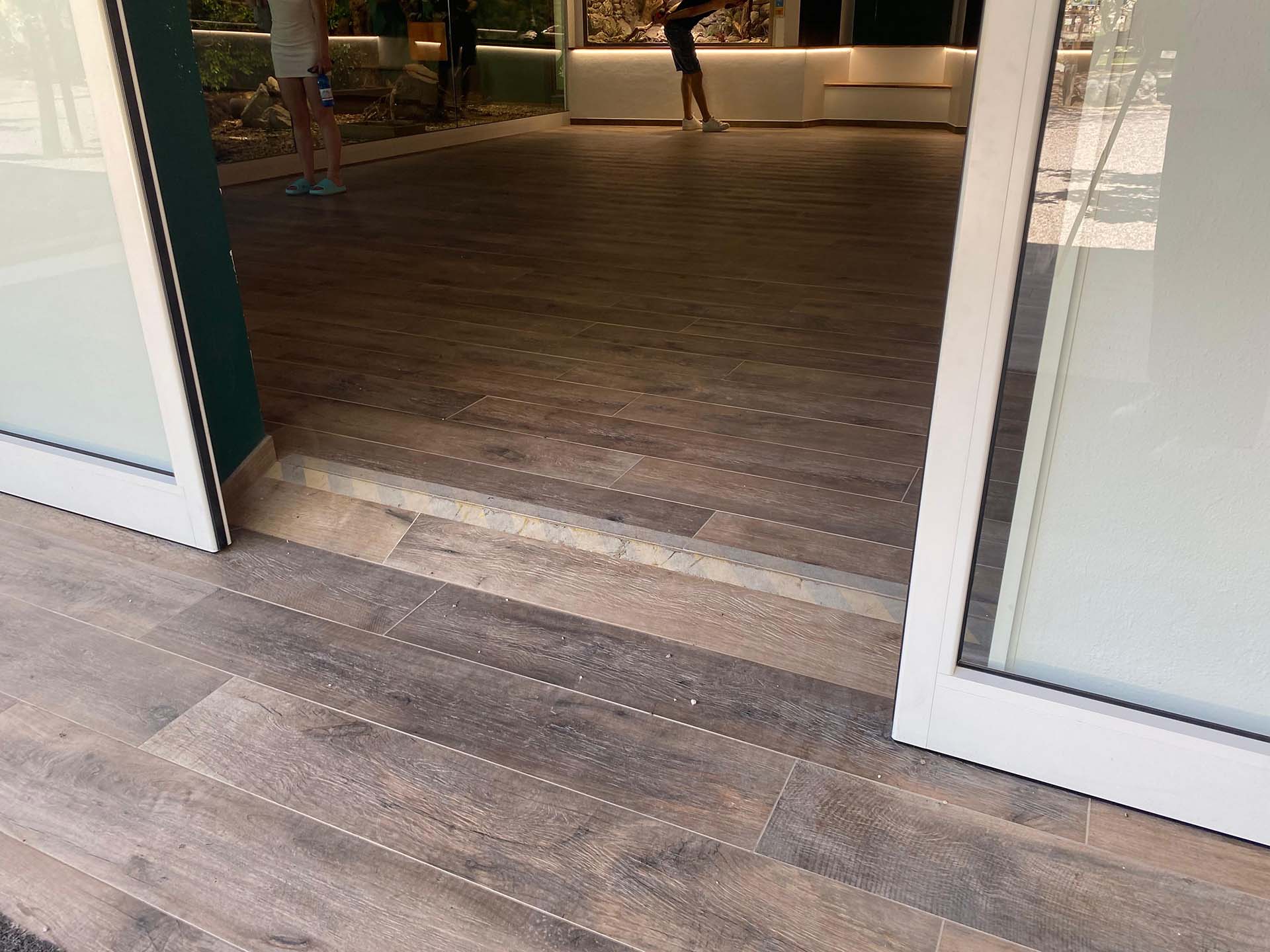
Photo 45 - Short entrance ramp with erased top strip
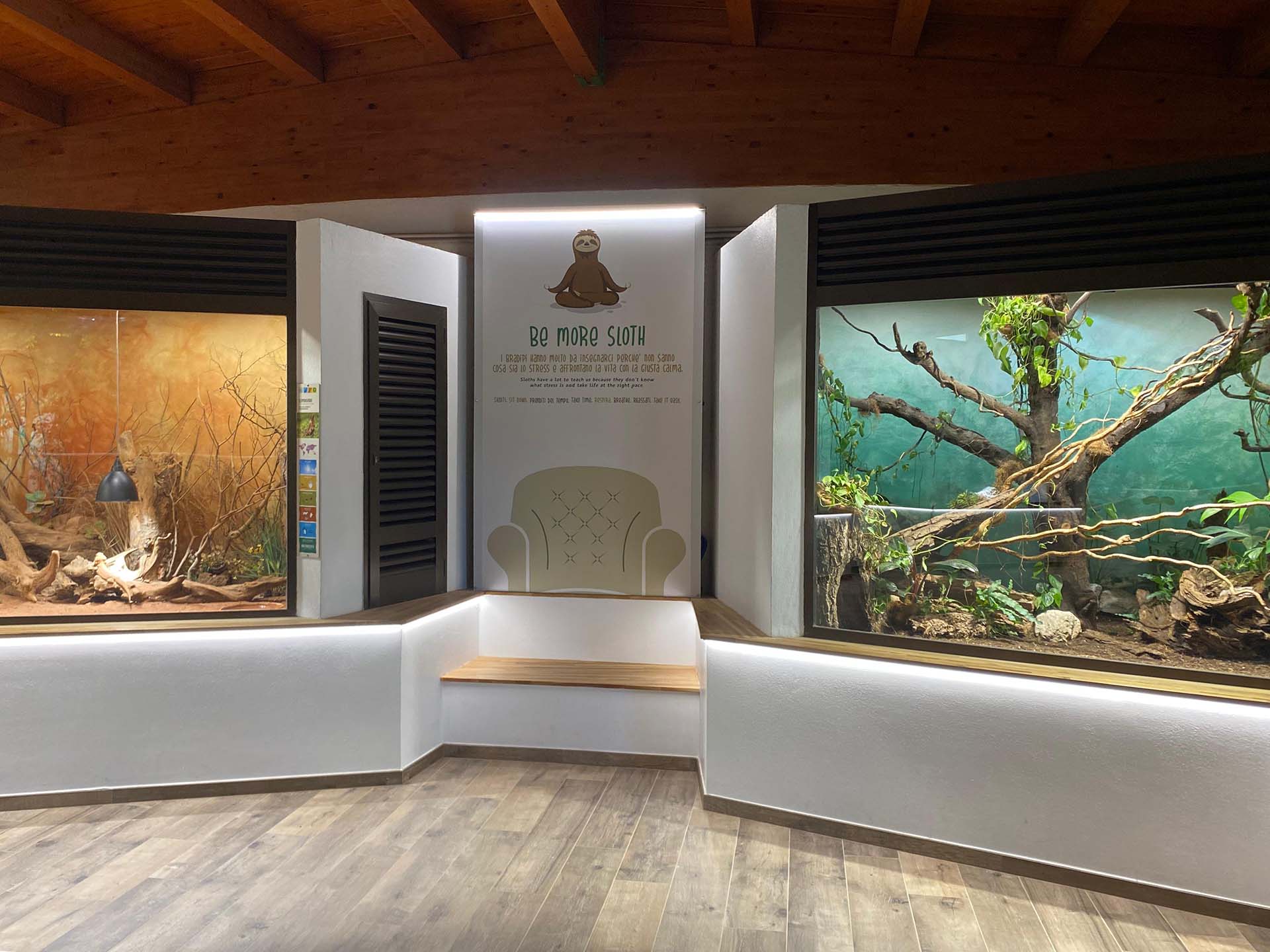
Photo 46 - Inside The Sloth Forest
Section 9
After the area of the educational laboratories, continue to the right past the seal pool until you reach the enclosure of the South American tapirs. To reach the enclosure, there is an uphill path with gravel, which is difficult to navigate independently. Be careful, some manhole seals protrude from the gravel. The enclosure is surrounded by a dense and high fence (minimum height 115 cm) that makes it difficult for children and wheelchair users to see the animals (photo 47). Leaving the refreshment area on the left, you will find the enclosure of the Tibetan goats (photo 48) with around pavement in concrete tiles correctly connected to the gravel only in the right corner (photo 49). Along the 90 cm high fence, there are machines to feed the goats, which can also be used by children, operating with coins. In front of the food machines, there is a step of 5 cm that is not connected to the gravel.
Near the area of the goats, there is an elm tree, uprooted by a tornado in 2017, placed here in memory of climate change, with three shaded benches and an information panel (photo 50). The area of the elm hosts animals from South America and is easily visible through a dense but transparent green net. To the right, we find the pool of the otters, accessible from above via a ramp on the right with a 5% slope (photo 51). The area is covered by a hut with a wooden floor (photo 52).
The central path in gravel (do not use the side path with protruding roots) features on the left the garden of natural experiences and laboratories, enclosed by a gate (photo 53). On the right, you can admire the crowned cranes via a not very stable ramp, on gravel, with a dangerous but manageable transverse slope (photo 54). Moving forward, on the left, after a service house of the park, there is a very large picnic area but not marked on the map with benches - tables fixed to the ground and to each other, not usable by wheelchair users. In this picnic area, there are also furnishings for children, with a table height of 60 cm and a seat height of 34 cm, always connected together. Large table with a maximum height of 74 cm and seat height of 41 cm but without free space underneath for a wheelchair (photo 55).
Section 9
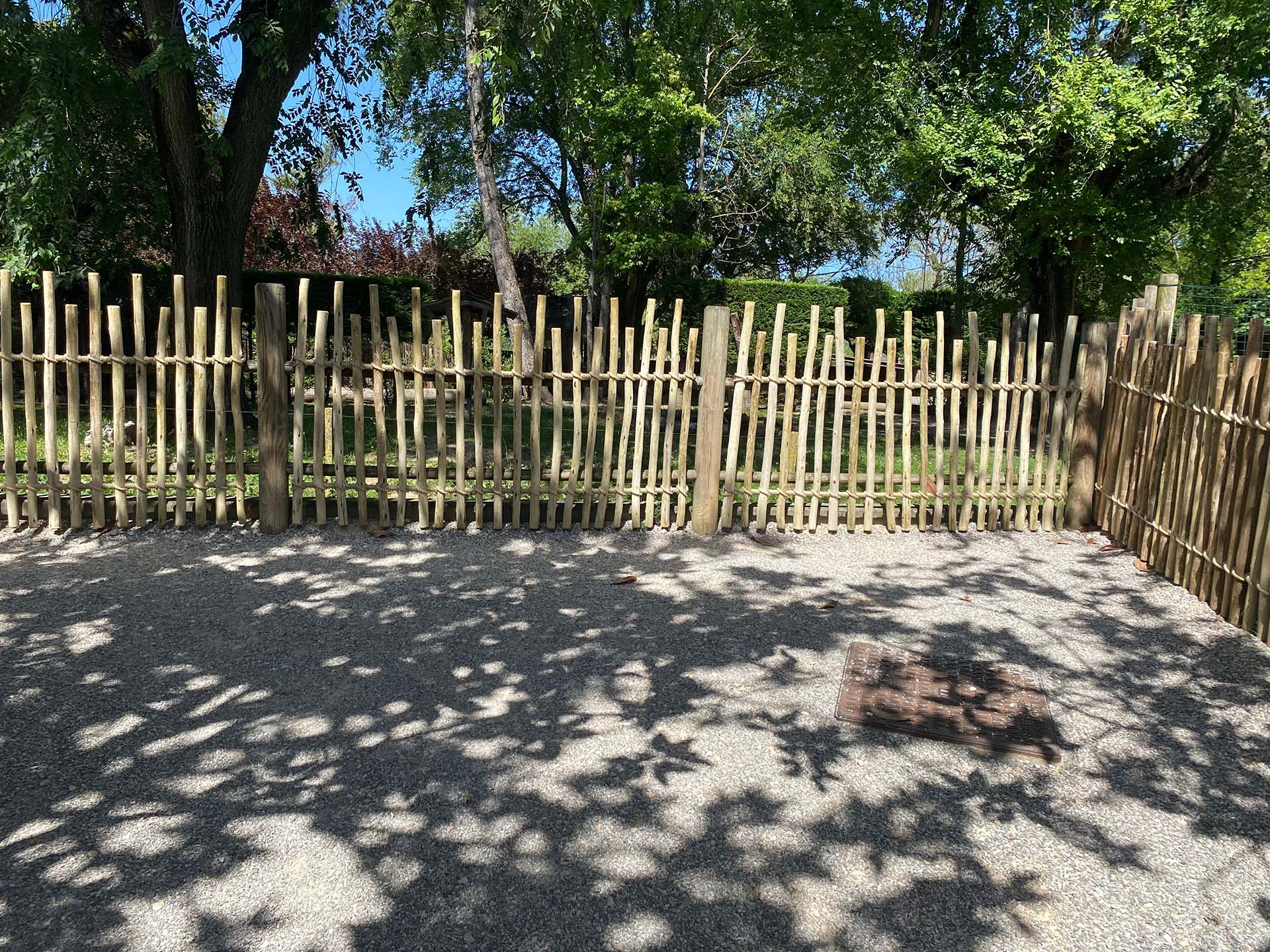
Photo 47 - Fence in the tapir area
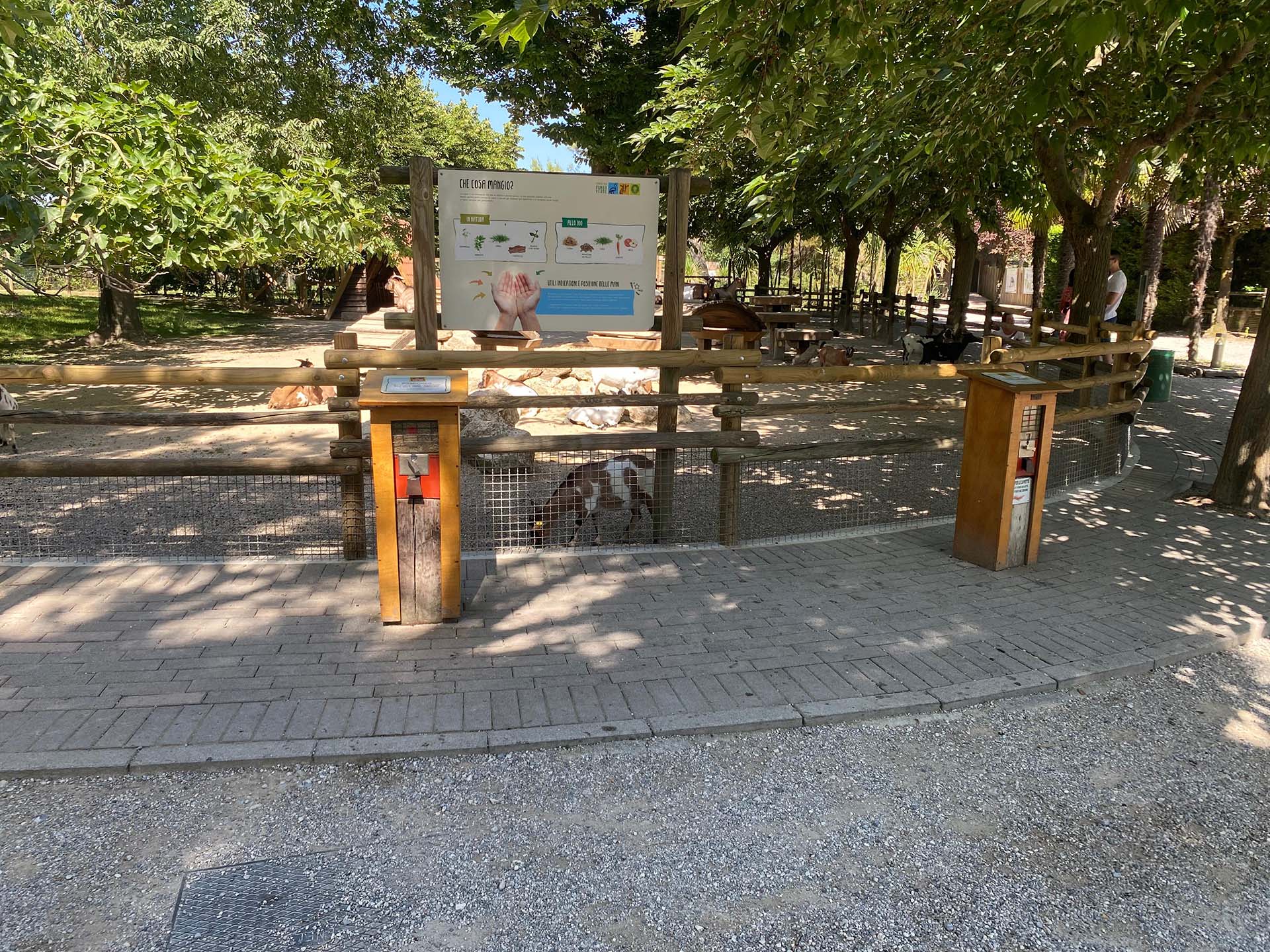
Photo 48 - Goat area, paving and machines
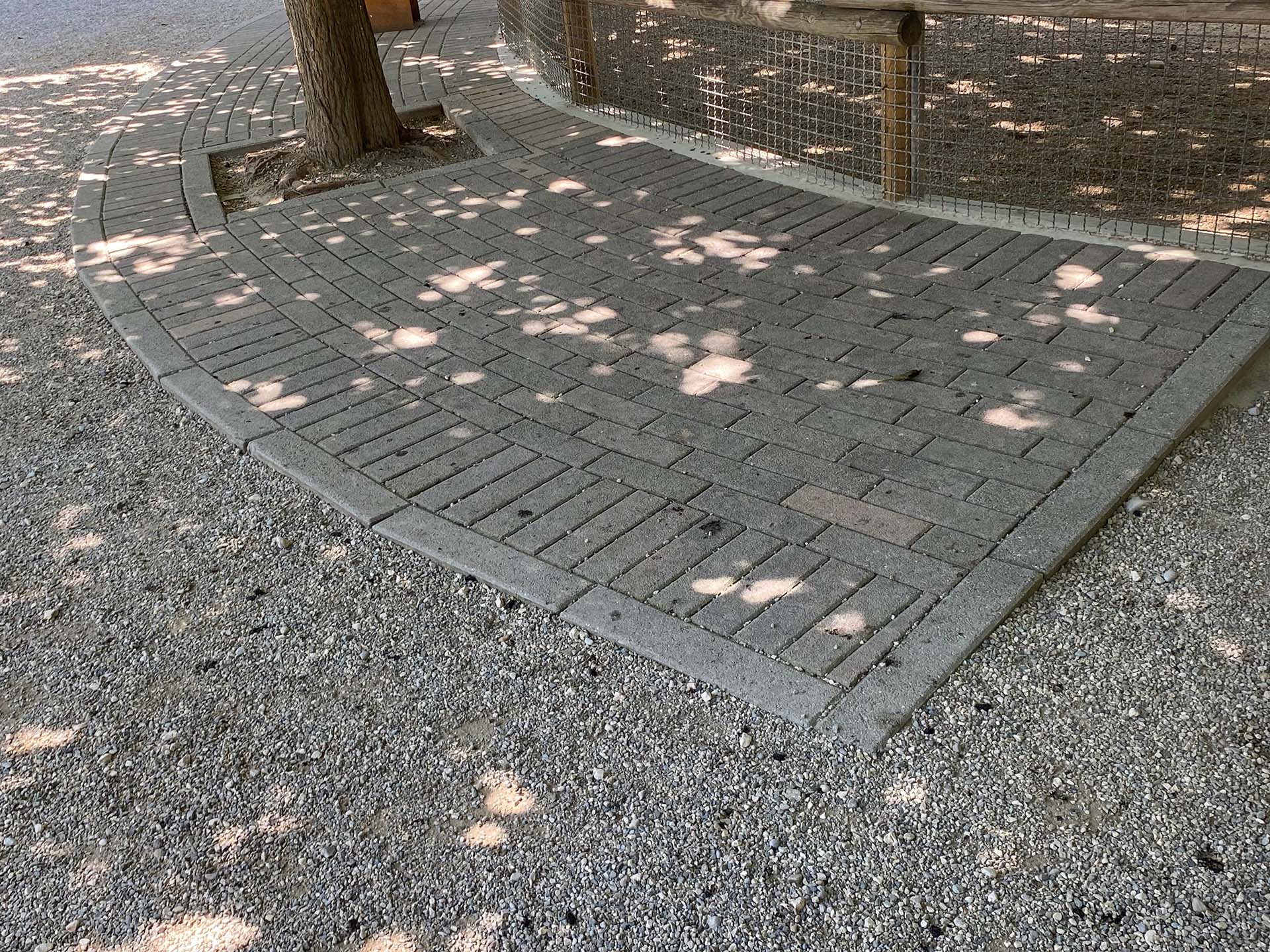
Photo 49 - Well-connected corner in front of the goats
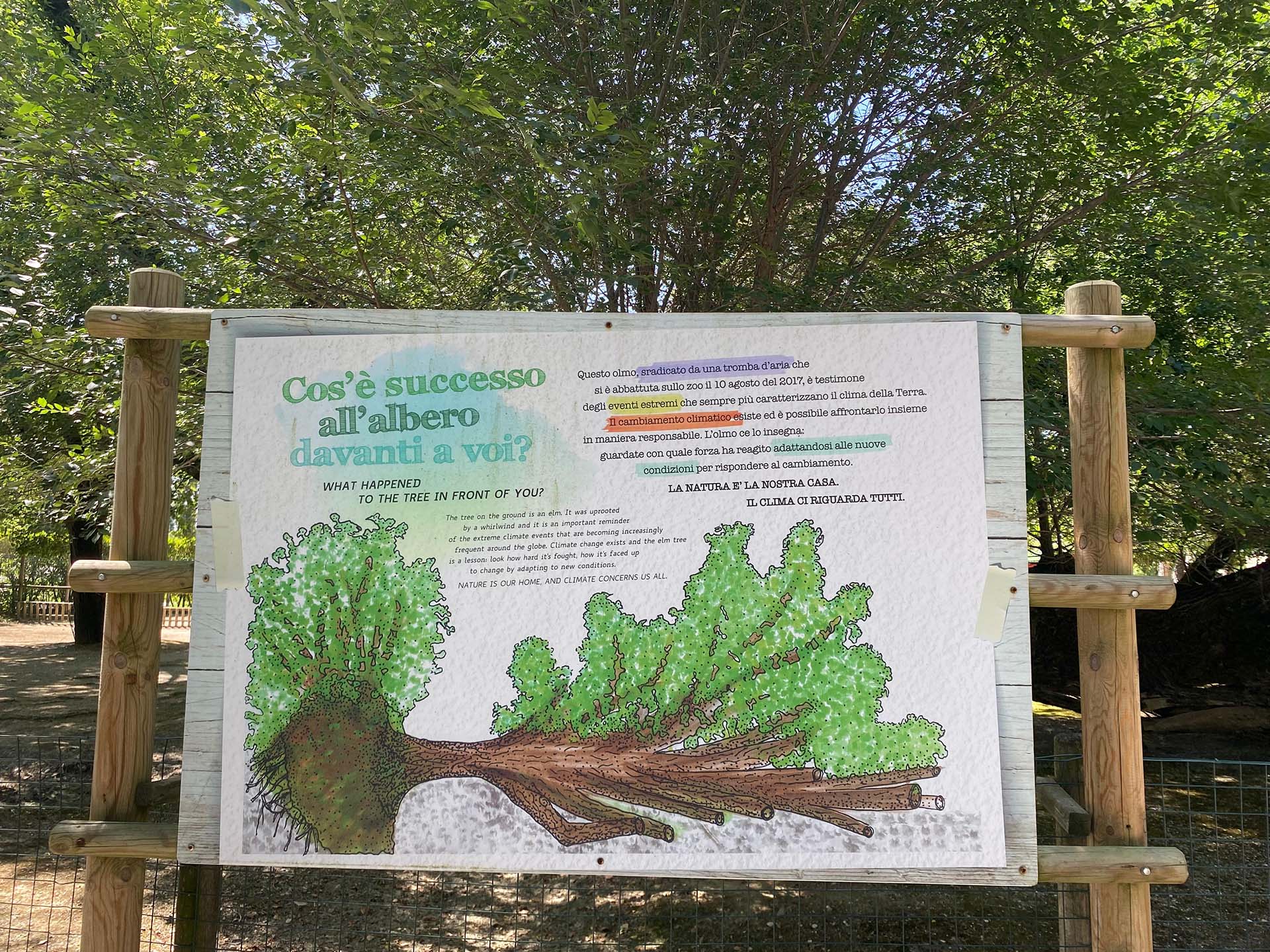
Photo 50 - Panel dedicated to the uprooted elm
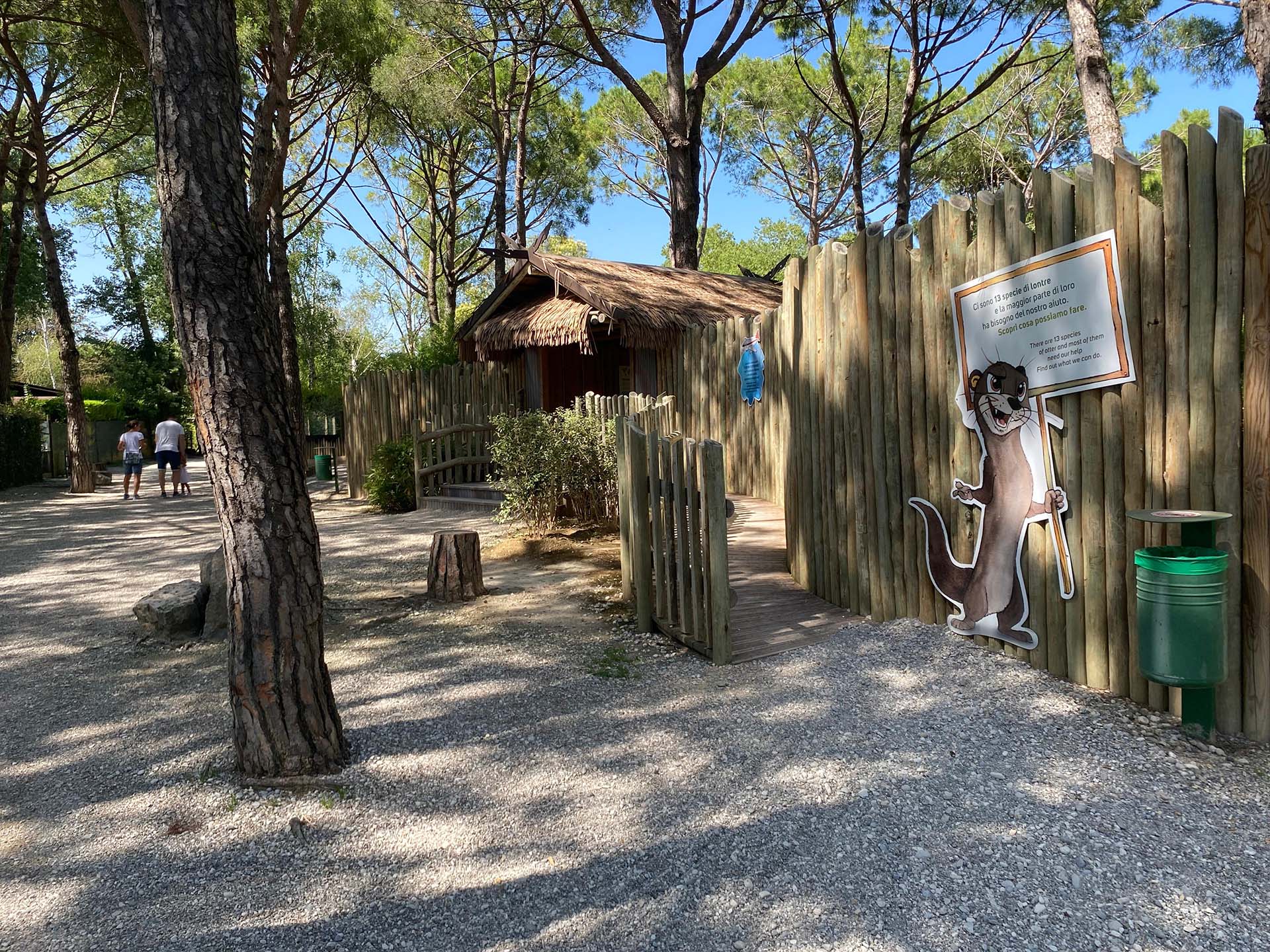
Photo 51 - Otter house
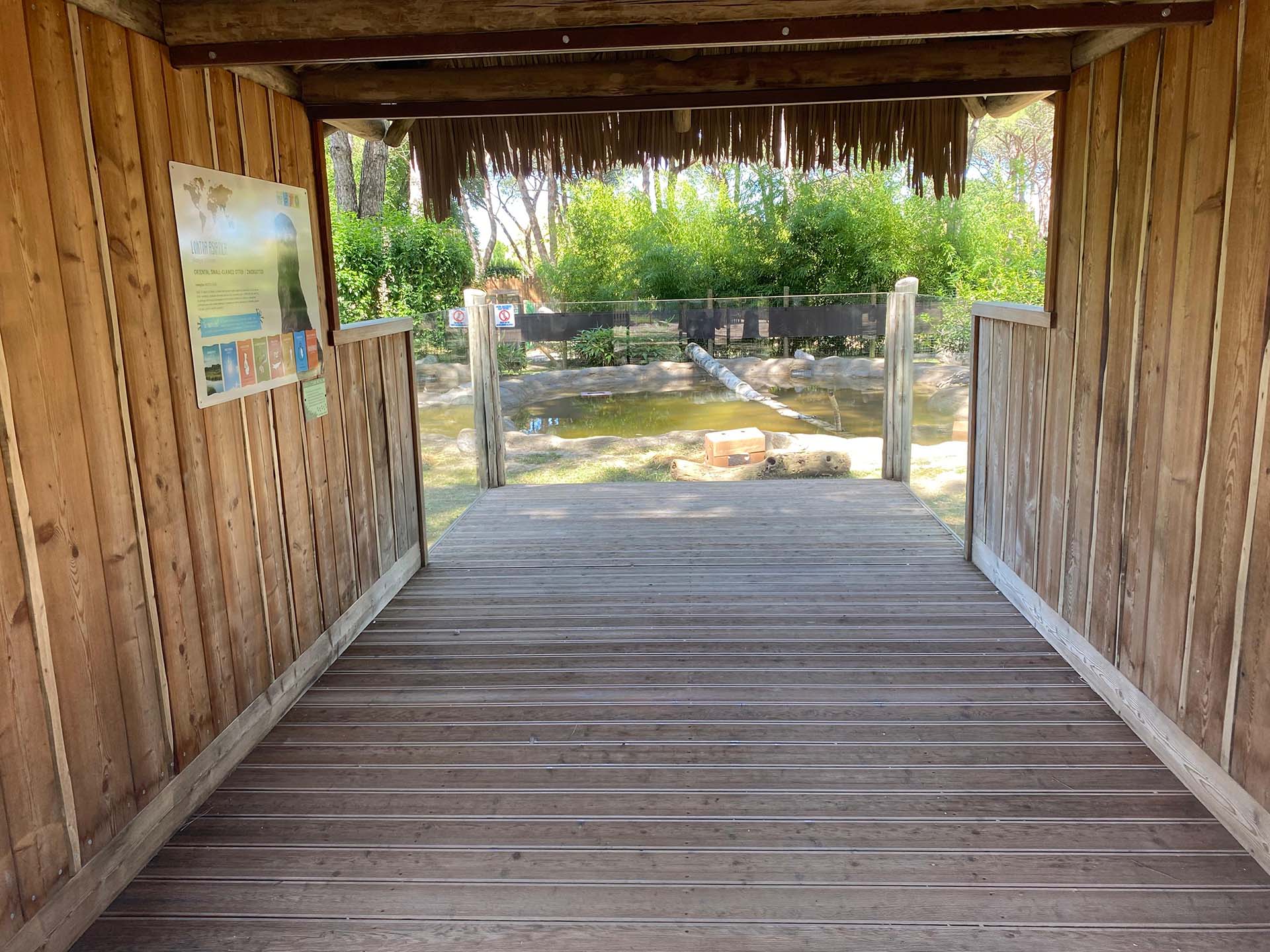
Photo 52 - Otter enclosure
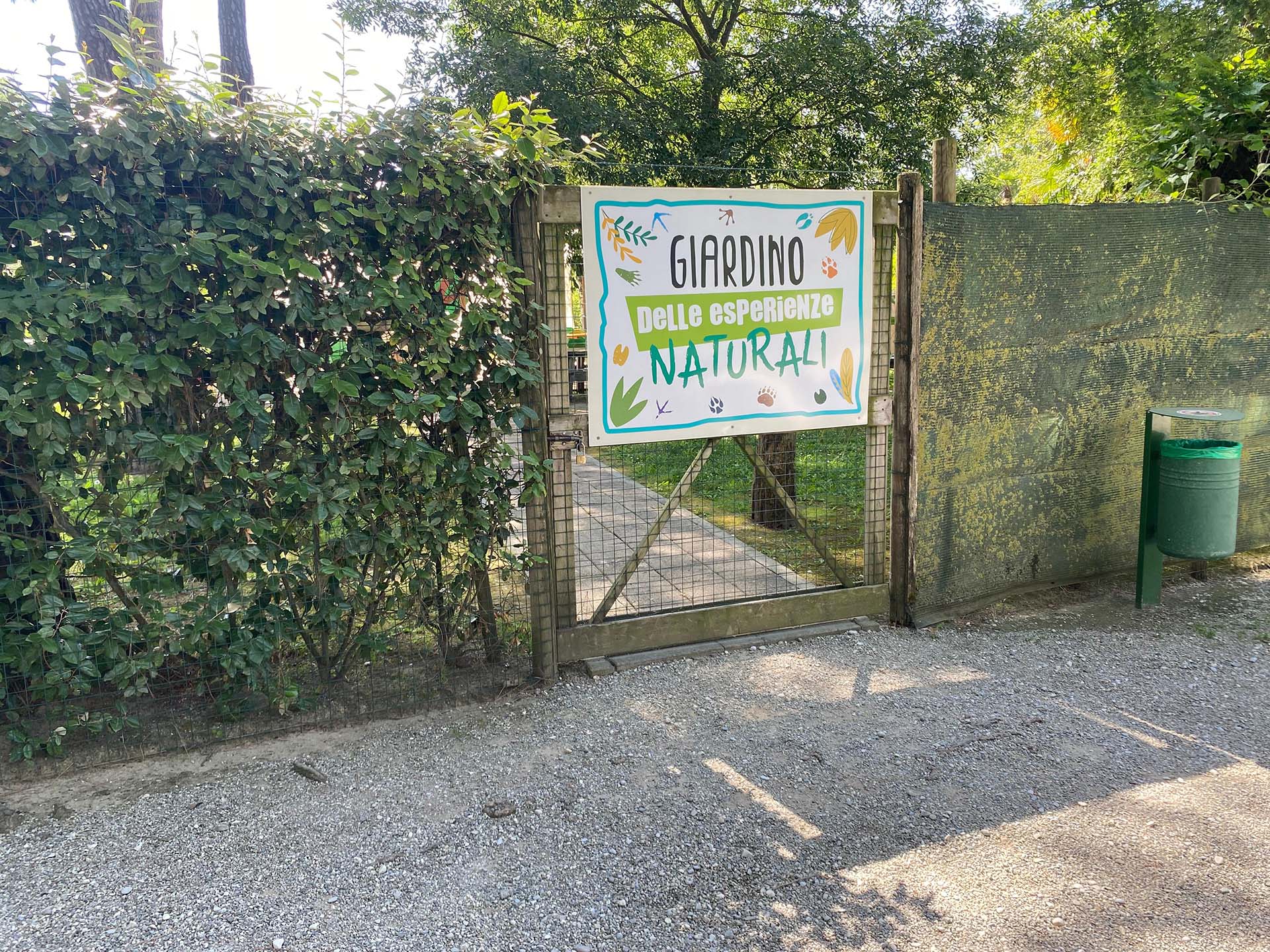
Photo 53 - Entrance gate of the natural experiences garden
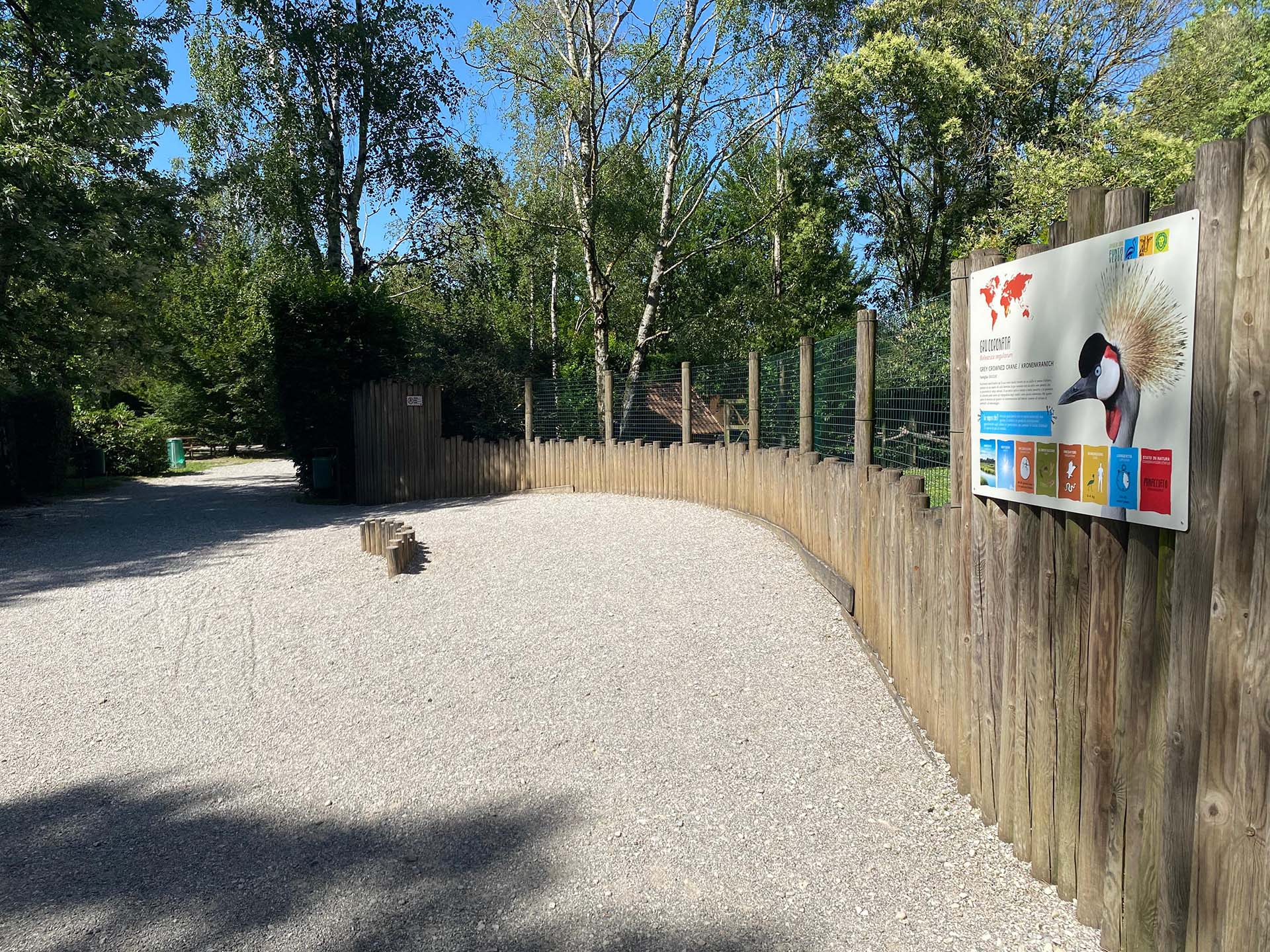
Photo 54 - Crowned crane enclosure
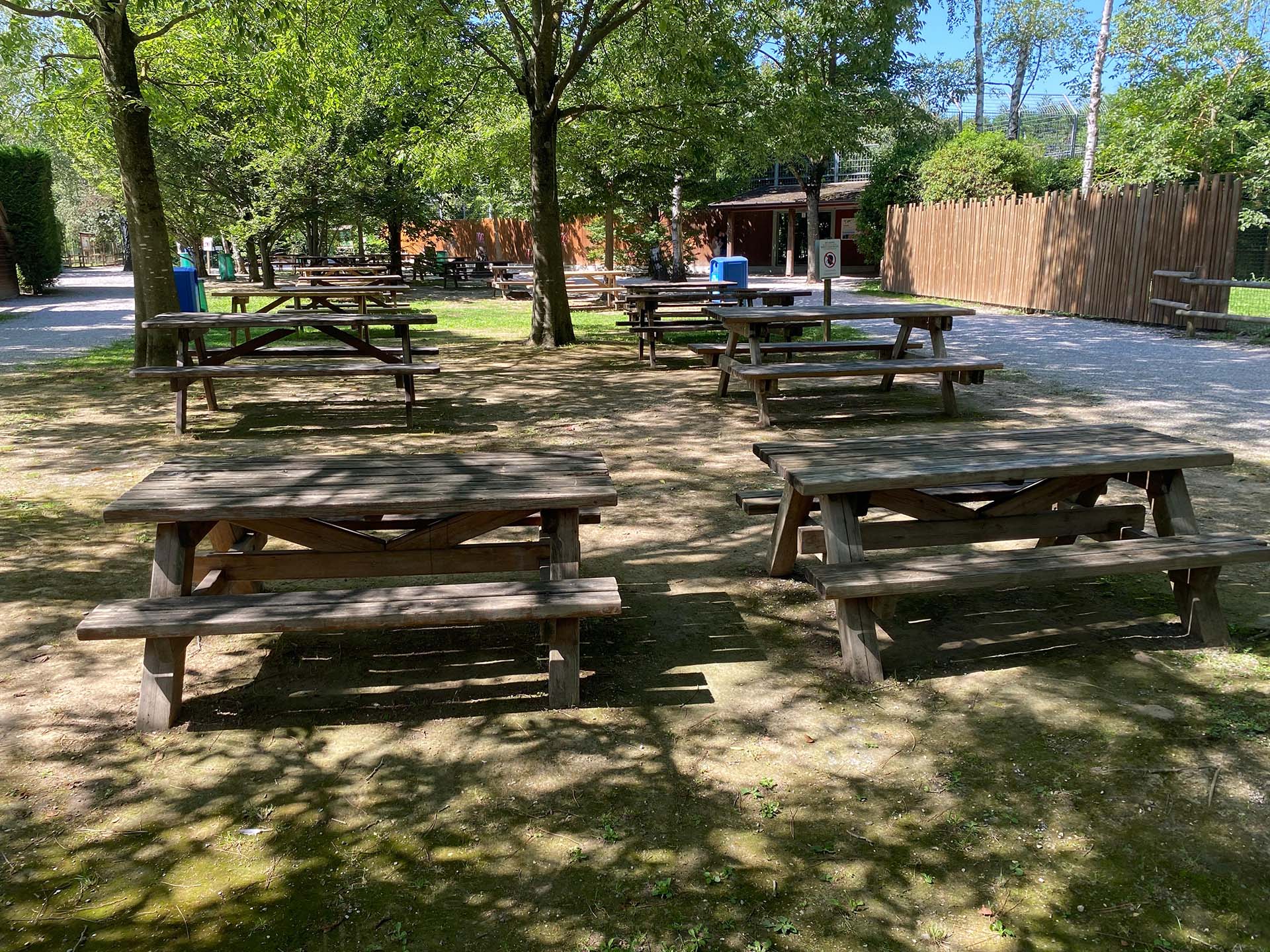
Photo 55 - Picnic area
Section 10
Continuing, on the right you encounter the cage of the siberian tigers with a shaded area and benches but the flooring is not accessible (photo 56). The glass of the enclosure starts at a height of 23 cm and there are holes in the fence at varying heights: 63, 83, and 128 cm (photo 57). Nearby there is a display board at 95 cm from the ground showing animal teeth and making comparisons with similar tools. You proceed passing to the right of the flowerbed surrounded by benches placed in front of the tiger enclosure (photo 58). In front of the seats, there are large windows at 50 cm from the ground with well-connected betonella flooring at the base with gravel.
Subsequently, you encounter the cages of the lioness with betonella flooring in front and large windows to observe the felines inside (photo 59) and of the hippopotamus with benches and a window starting from 45 cm from the ground (photo 60). NB. beware of protruding roots near the fence. Then we find the round pond with water lilies (photo 61).
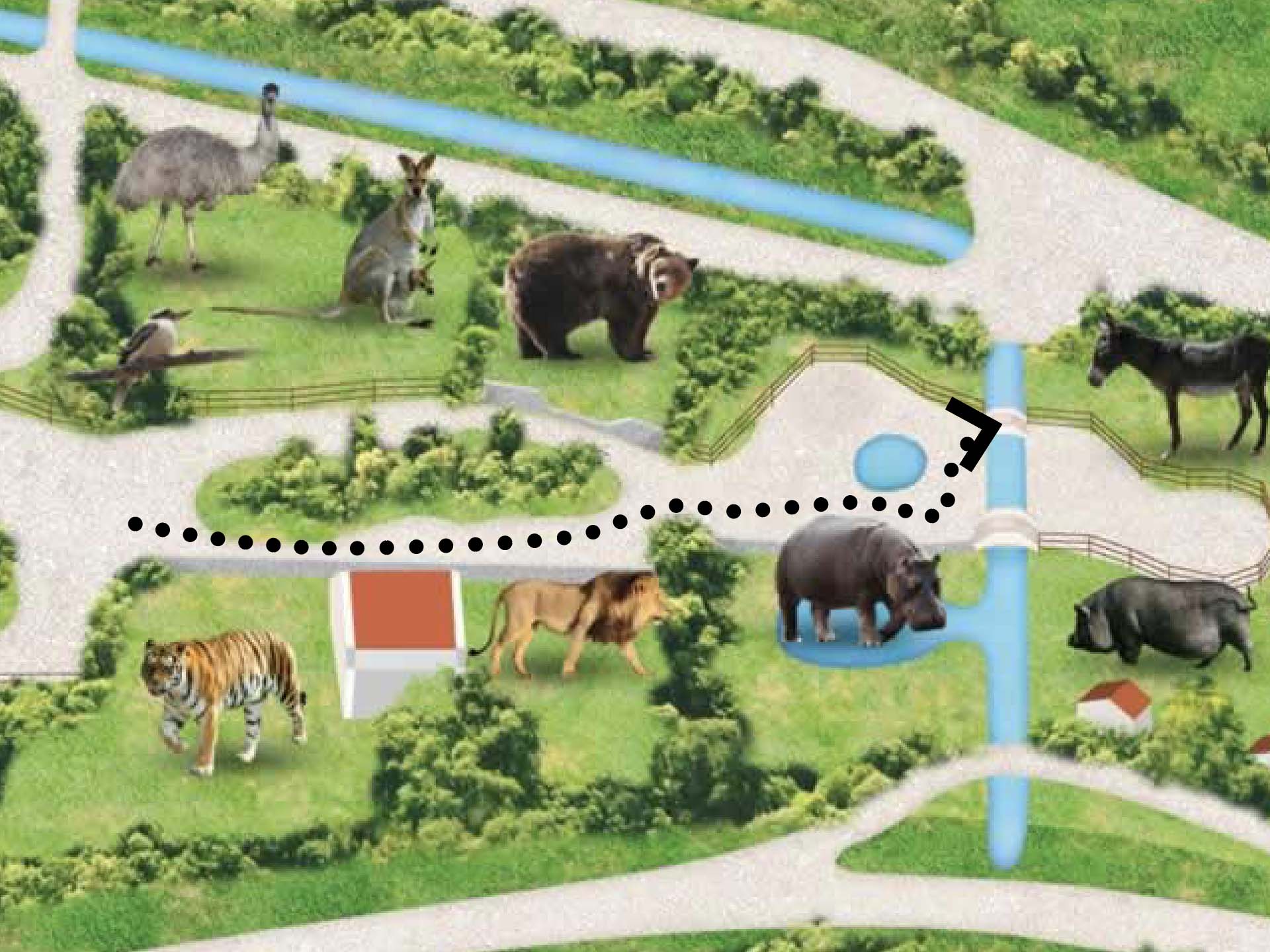
Section 10
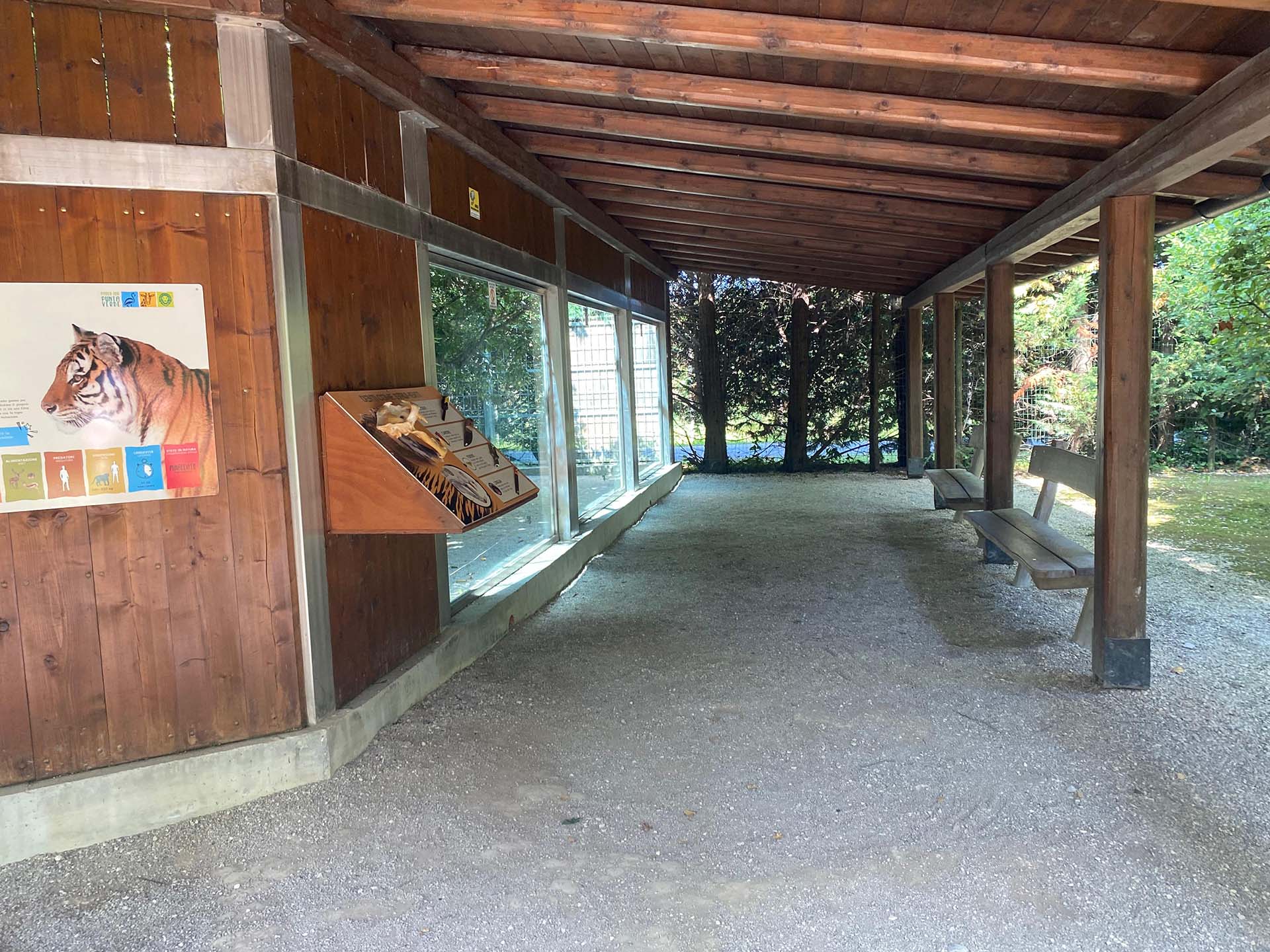
Photo 56 - Siberian tiger cage
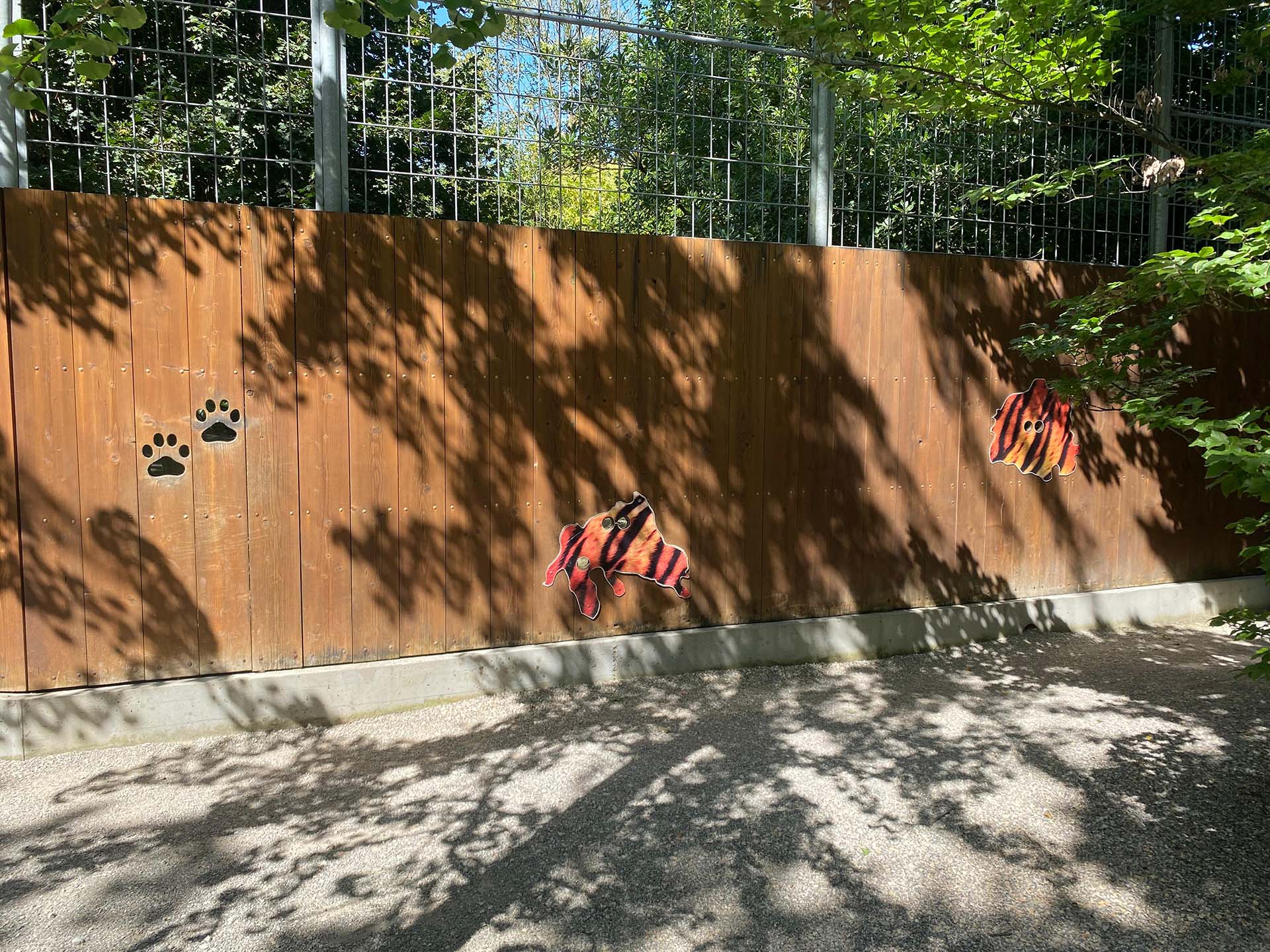
Photo 57 - Holes in the fence
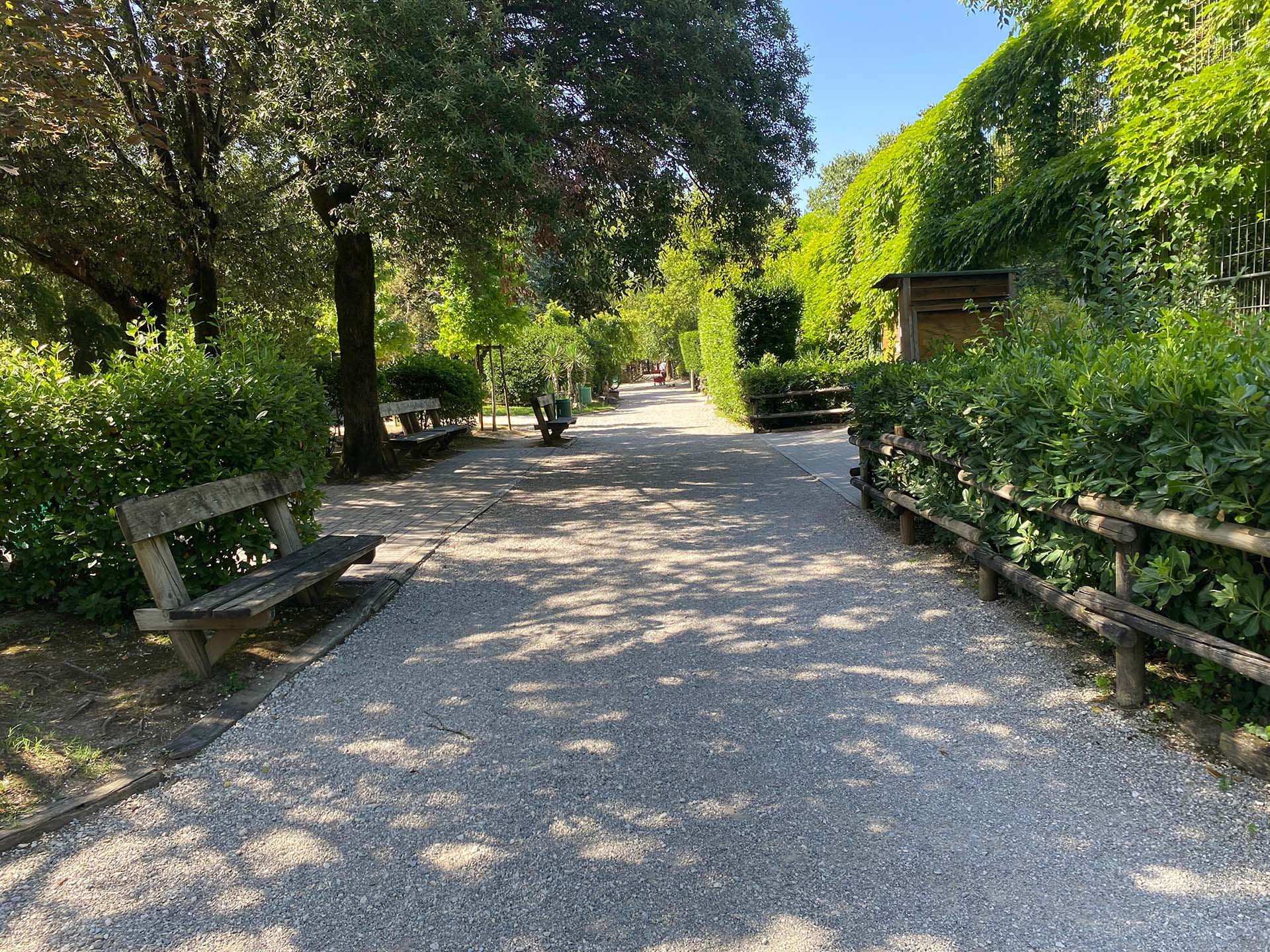
Photo 58 - Seats
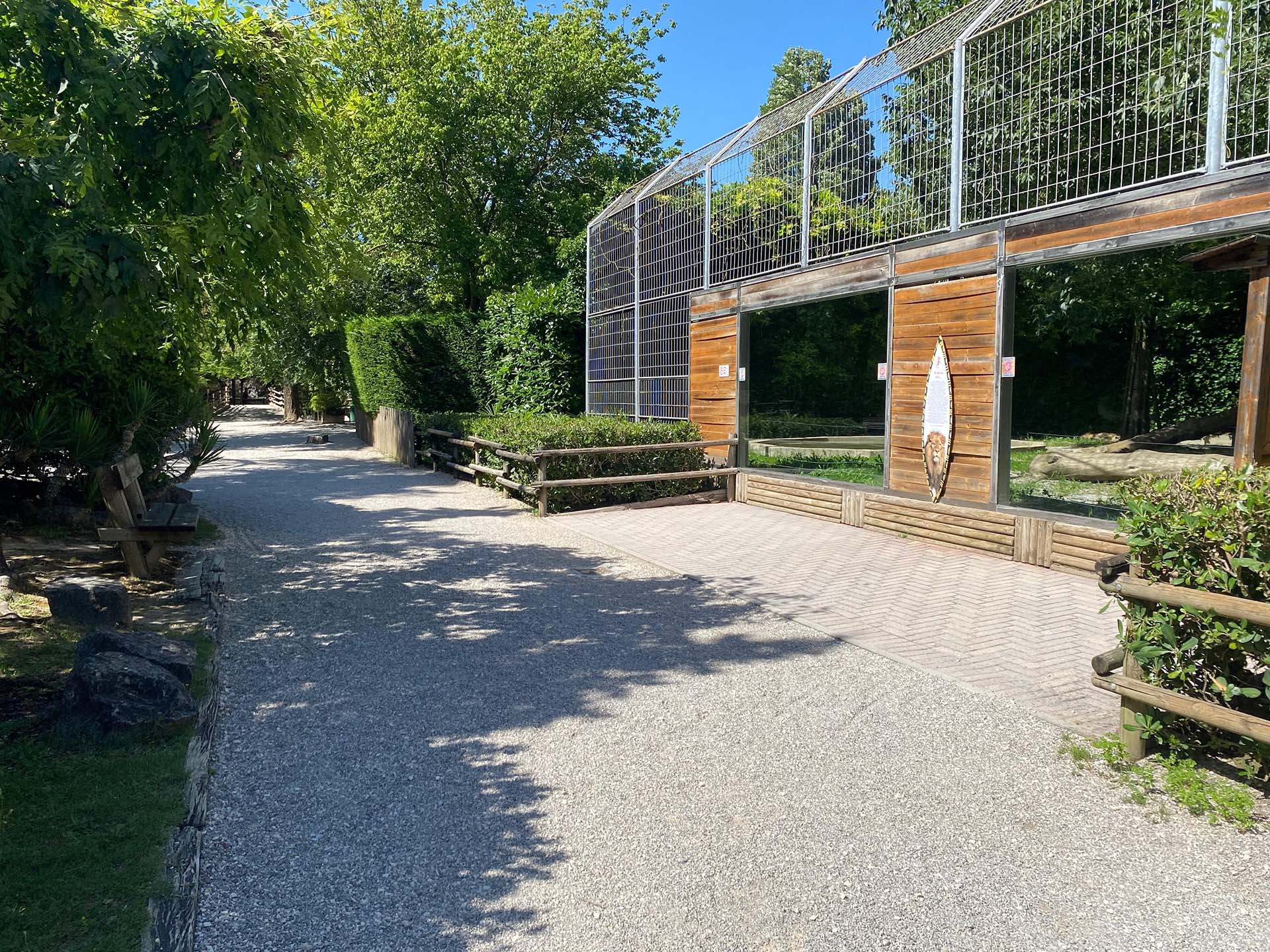
Photo 59 - Paving in front of the lioness cage
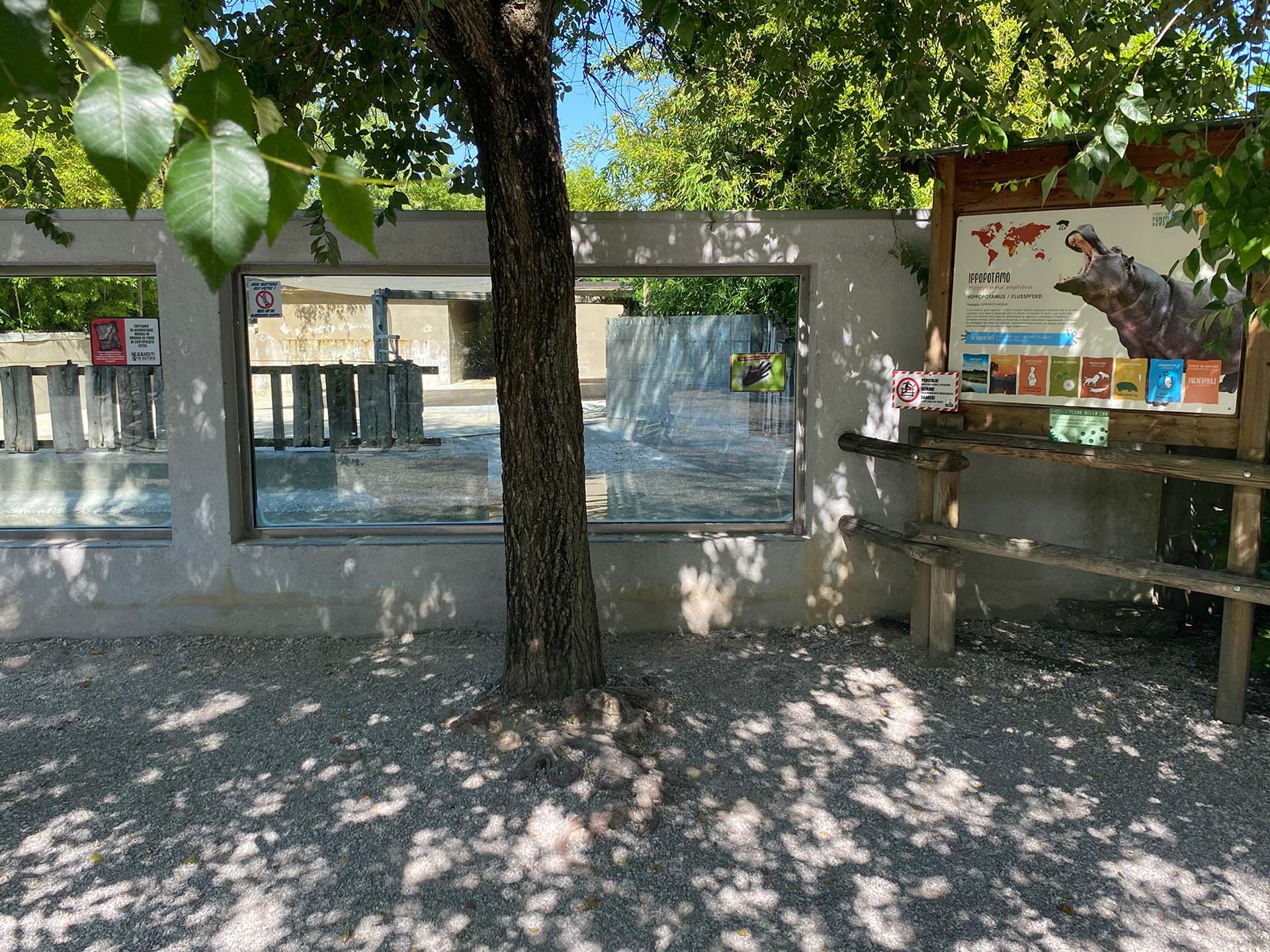
Photo 60 - Glass of the hippopotamus cage
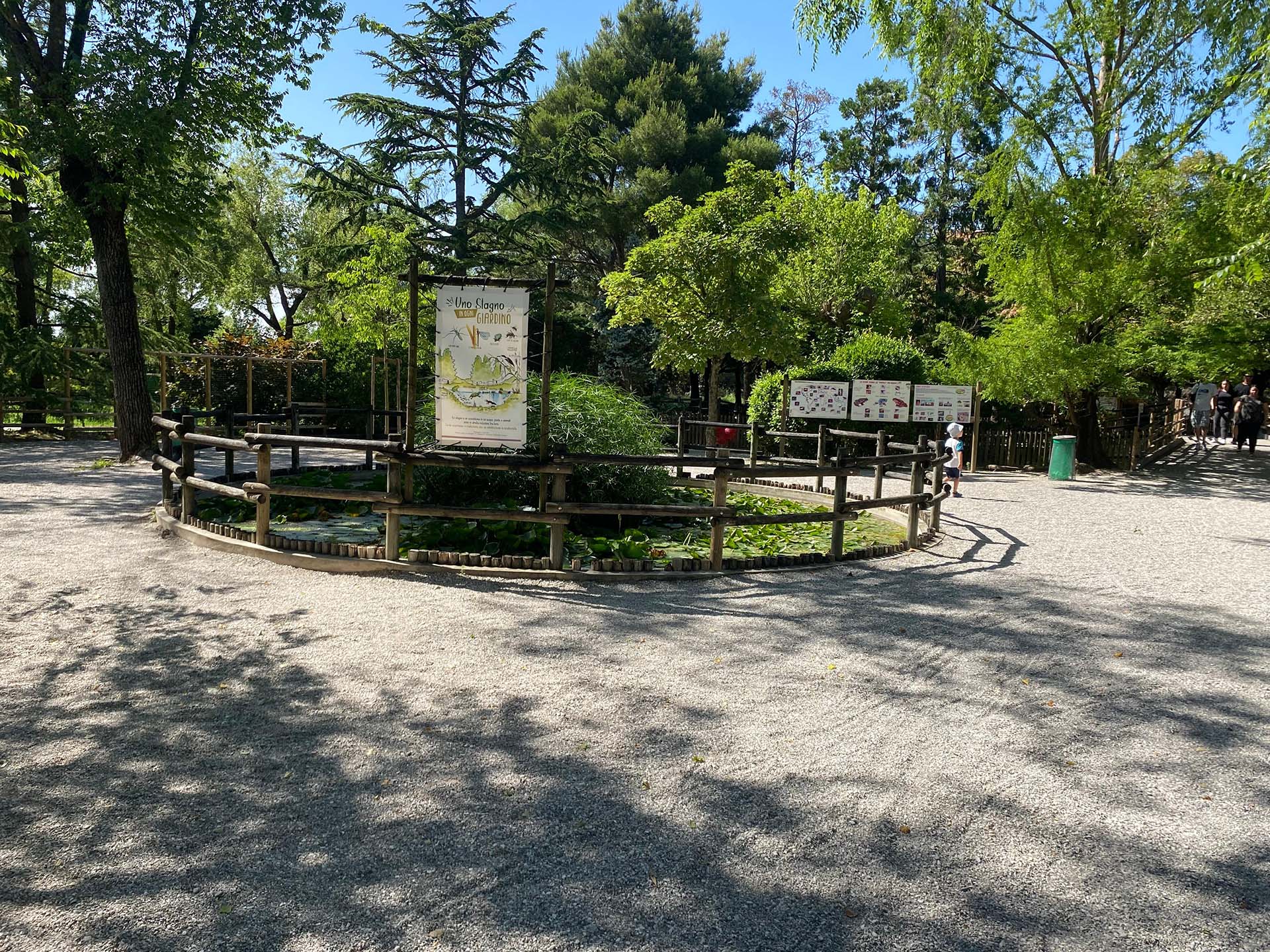
Photo 61 - Pond
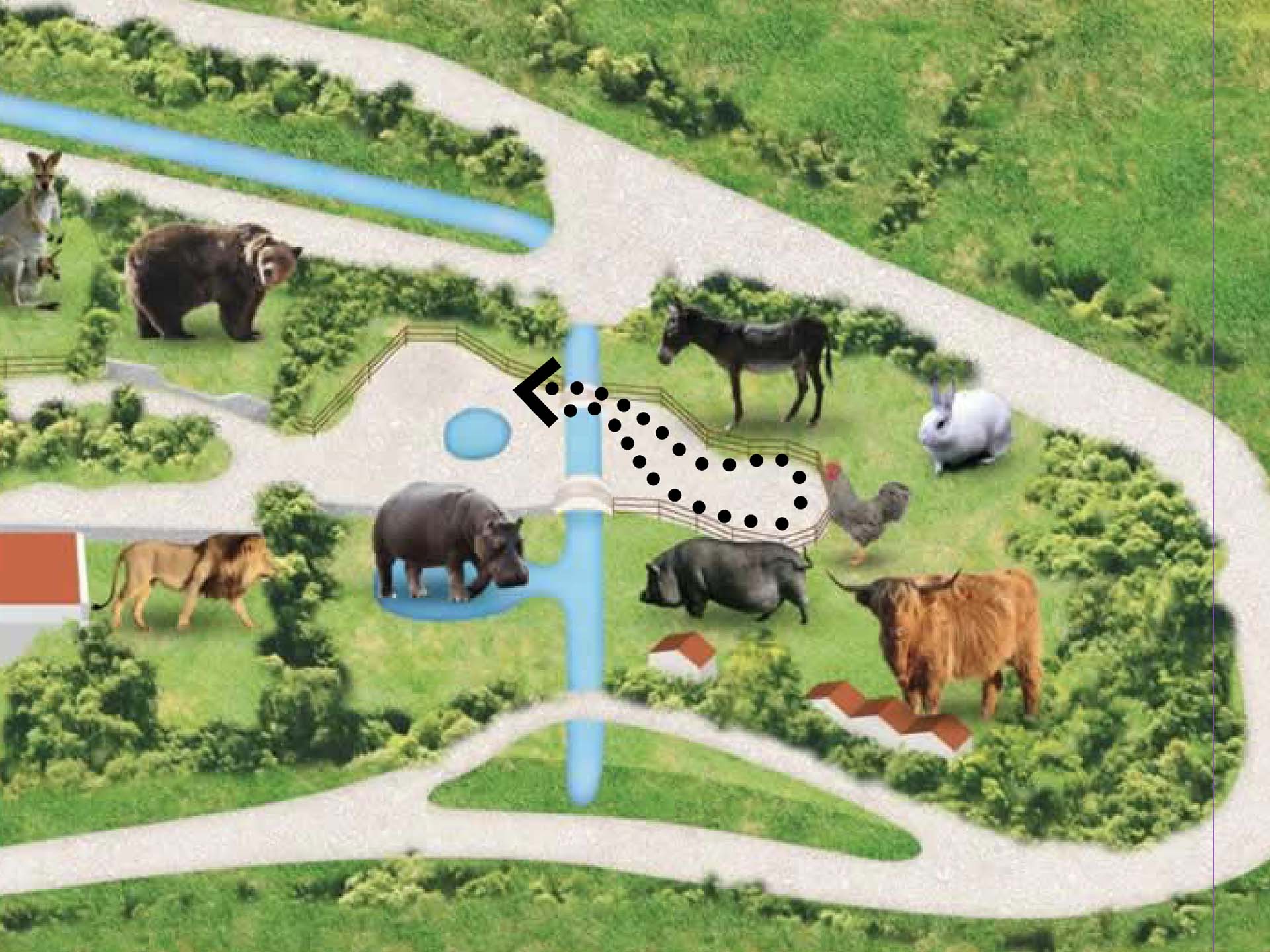
Questo tratto non è particolarmente accessibile, volendo si può evitare si superare il canale, rimanere vicino al recinto dell'ippopotamo e girare attorno allo stagno andando direttamente al tratto successivo.
Tratto 11
La rampa del ponticello a destra ha una pendenza elevata mentre quella a sinistra non è ben raccordata alla base (foto 62).
Prendendo il ponticello a sinistra si arriva nella zona terminale del parco, dedicata alla fattoria che accoglie bisonti, anatre, galline e caprette.
Oltrepassato il ponticello si arriva alla fattoria recintata di pecore del camerun, asini e oche con all'interno anche mucche scozzesi, asini e oche. La recinzione (fissa e alta cm 105) rende difficilmente visibili gli animali dalla carrozzina. Attenzione alle sporgenze, alle radici ed alla mancata manutenzione del ghiaino che rende il percorso non accessibile (foto 63).
Section 11
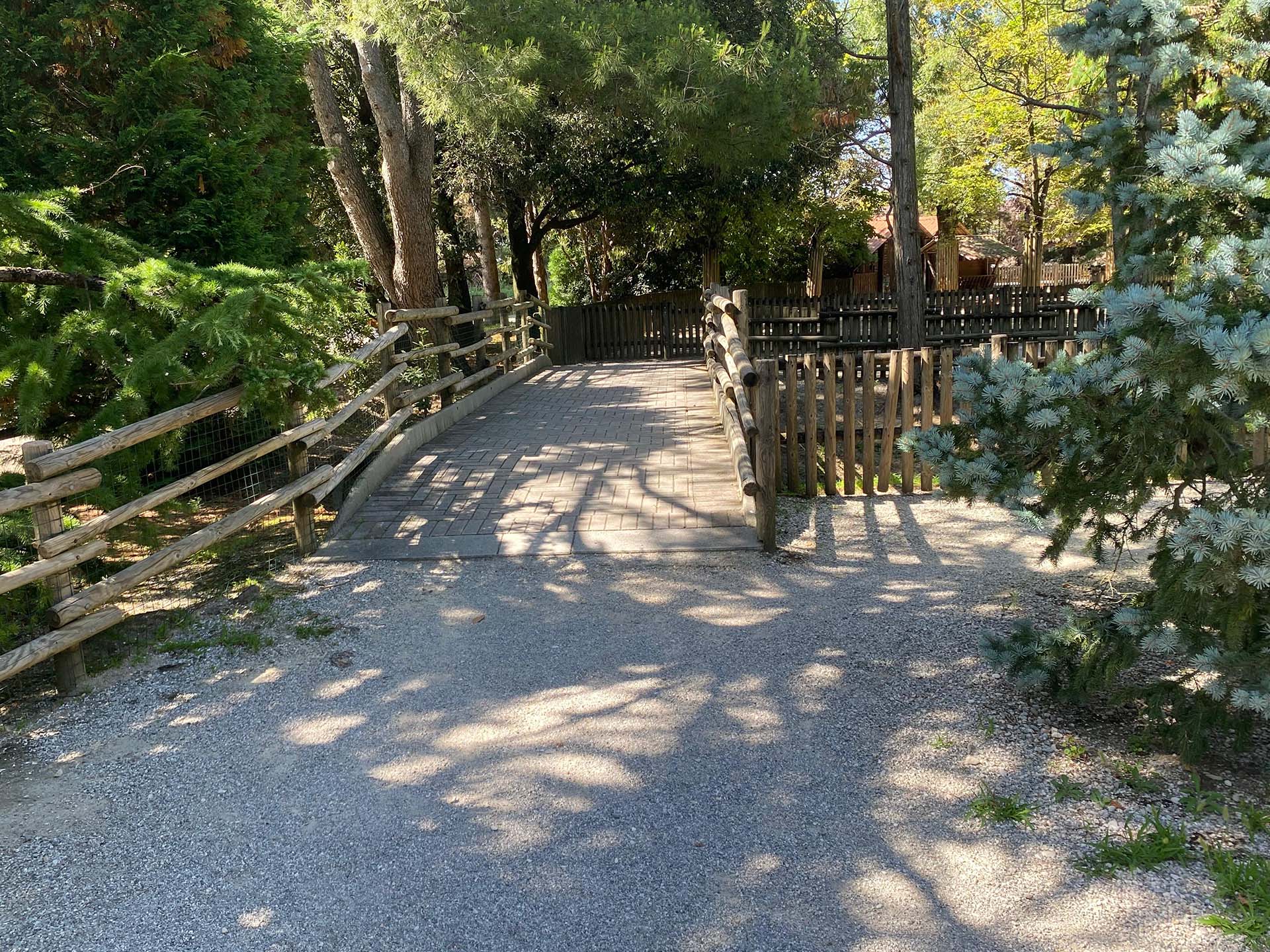
Photo 62 - Bridge on the left
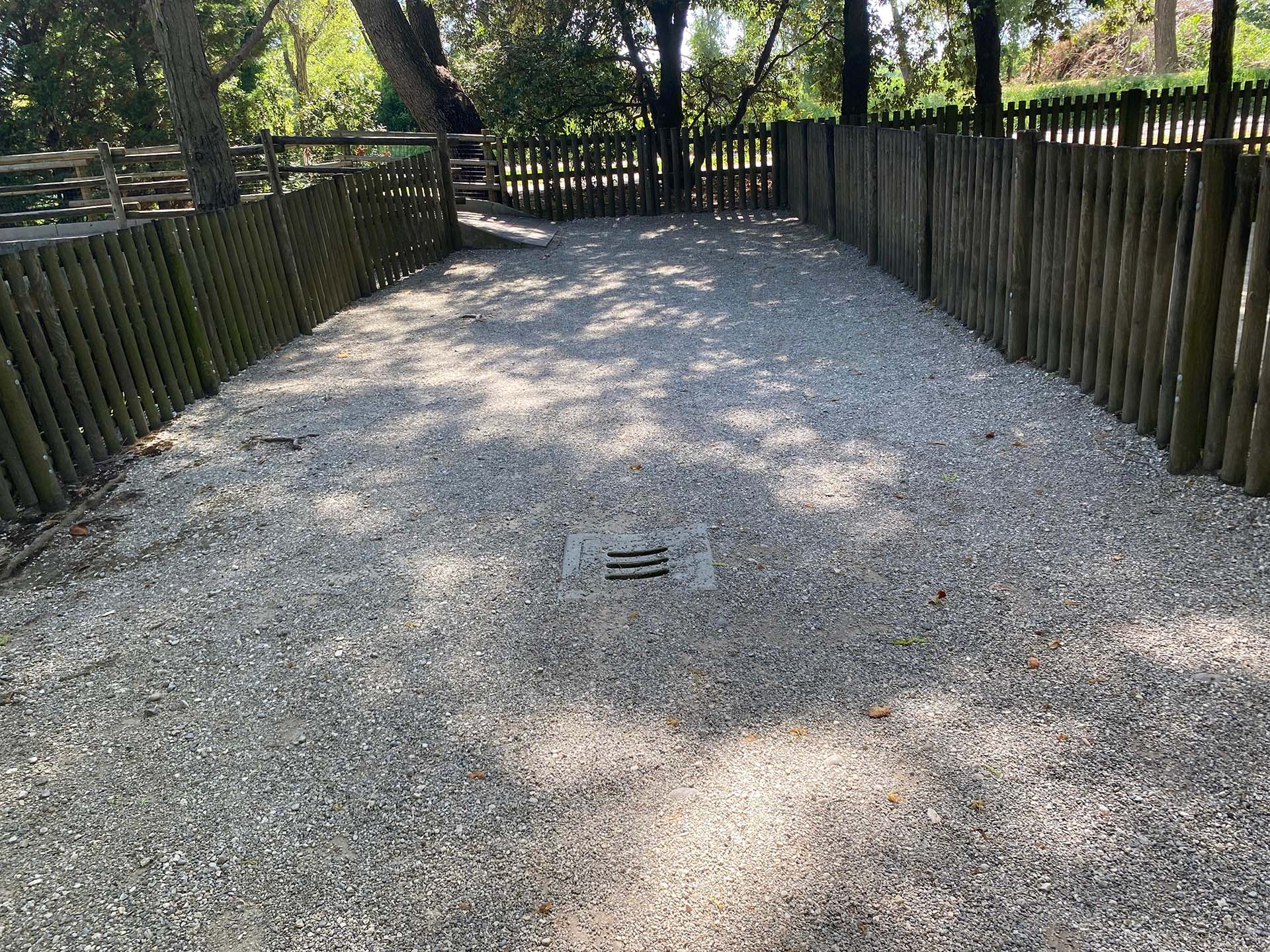
Photo 63 - Drain
Tratto12
Returning from the pond, on the right we find inaccessible restrooms (with two steps of 8 cm and with squat toilets). Beyond the enclosure under construction, following the gravel path (photo 64), still on the right, is the enclosure of the emu and red-necked wallaby, with seating for observation.
After the enclosure that houses the kangaroos we find a aviary and arrive at the entrance area with a very large enclosure on the left with red kangaroos (photo 65).
The enclosure on the right, with the presence of water, houses the Seychelles tortoises while turning to the right, after the kangaroos is the zul hut (photo 66), with a wooden base and a height difference of less than 2 cm from the gravel path and around it are three benches for waiting that face the hut. Inside the hut, plaster casts of various animals' footprints are visible, and for children, there is a matching game of footprint-animal droppings.
In front is the enclosure of the Grant's zebras which can be observed from an elevated area (three steps) but the zebras can also be seen from the avenue (photo 67) or shortly after there is a raised area from where the observation is excellent, reachable via a slightly sloping ramp without handrails, to be used possibly with an accompanying person if the person in the wheelchair is not too heavy (photo 68). On the opposite side of the zebras is the enclosure of the ostriches surrounded by a green net with fairly wide mesh.
Before finishing the tour we find the enclosure of the tapirs, observable from above from a shaded viewing area, connected via an accessible ramp with teak flooring (photo 69). Continuing on the right we find the enclosure with oryxes with sword-like horns , difficult to see for people in wheelchairs because the enclosure exceeds 120 cm.
A little before the exit on the left in a shaded area and accessible path in concrete and teak, we observe the friendly meerkats (photo 70).
The path concludes with a concrete path leading to the bar - restrooms and bar area. In front of the exit, we find a large pond of water lilies.
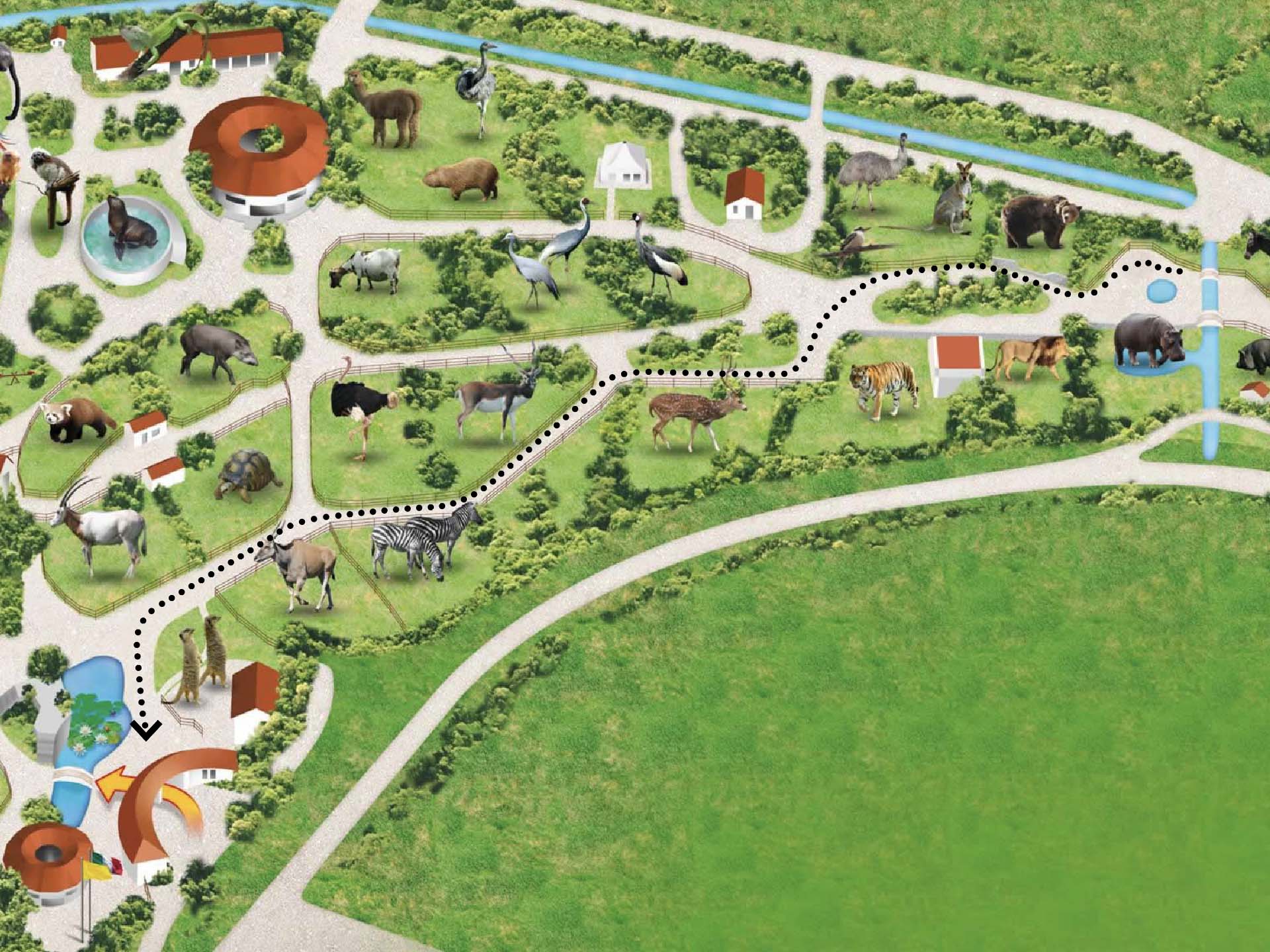
Section 12
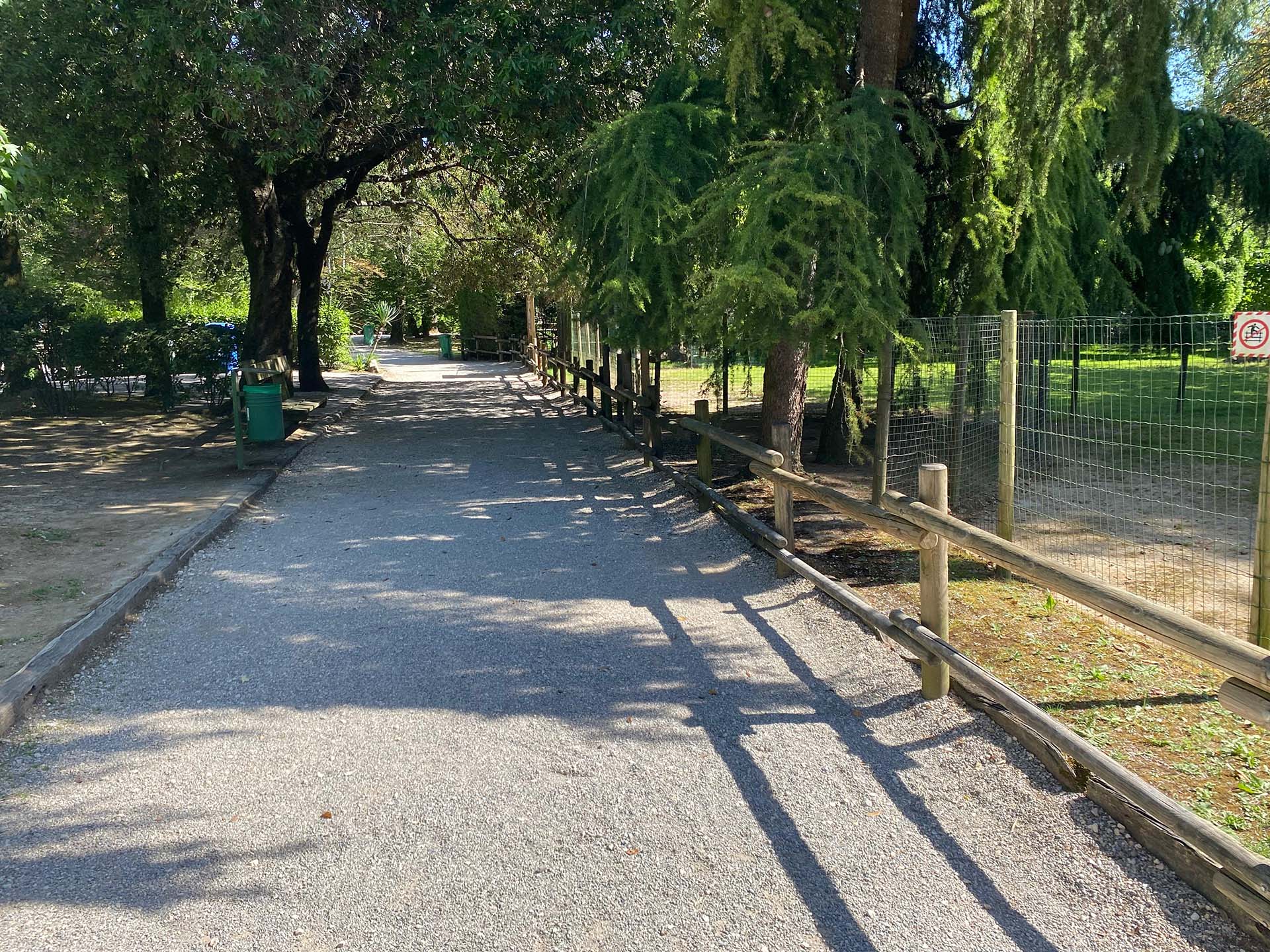
Photo 64 - Gravel path
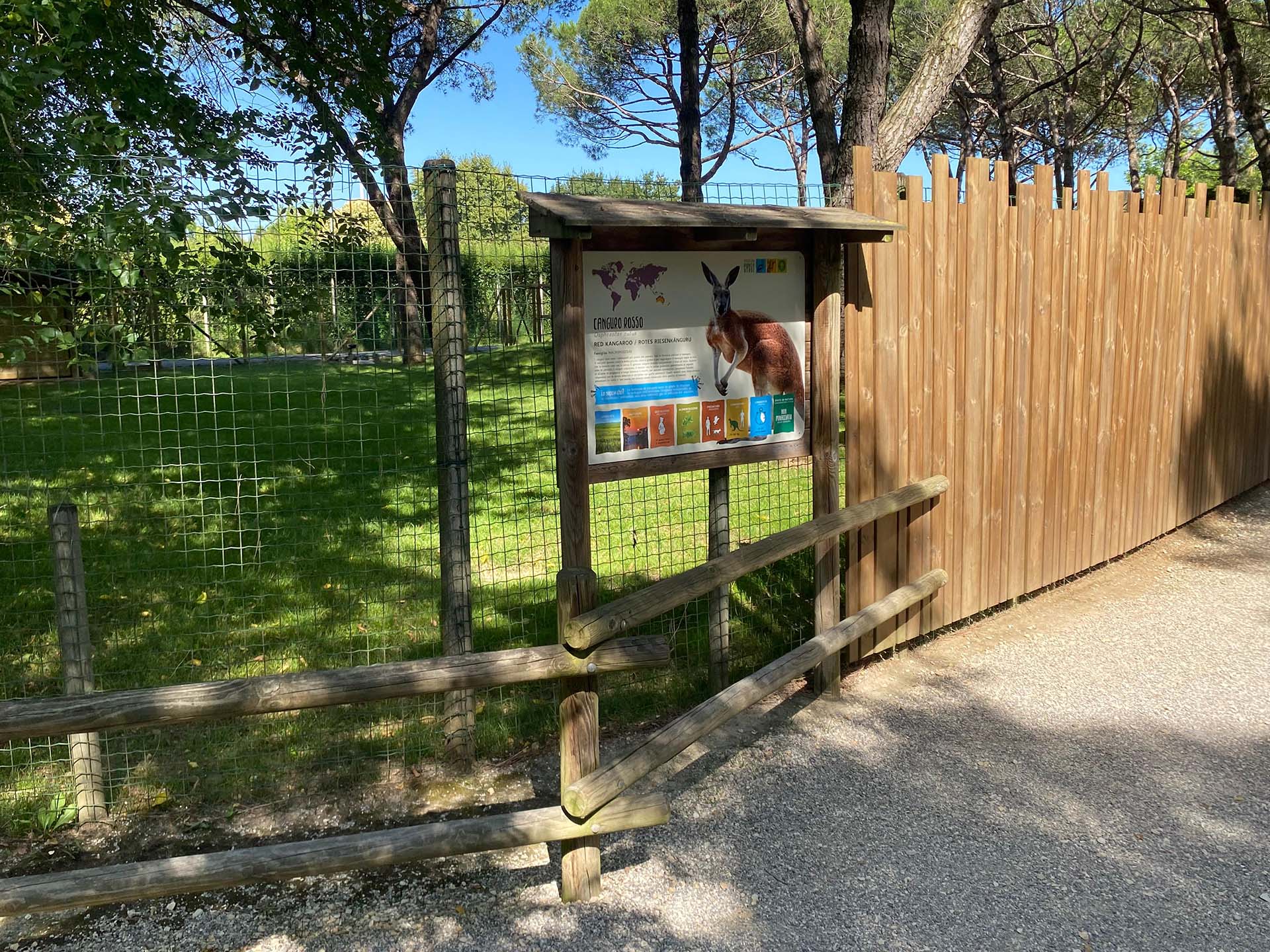
Photo 65 - Red kangaroo enclosure
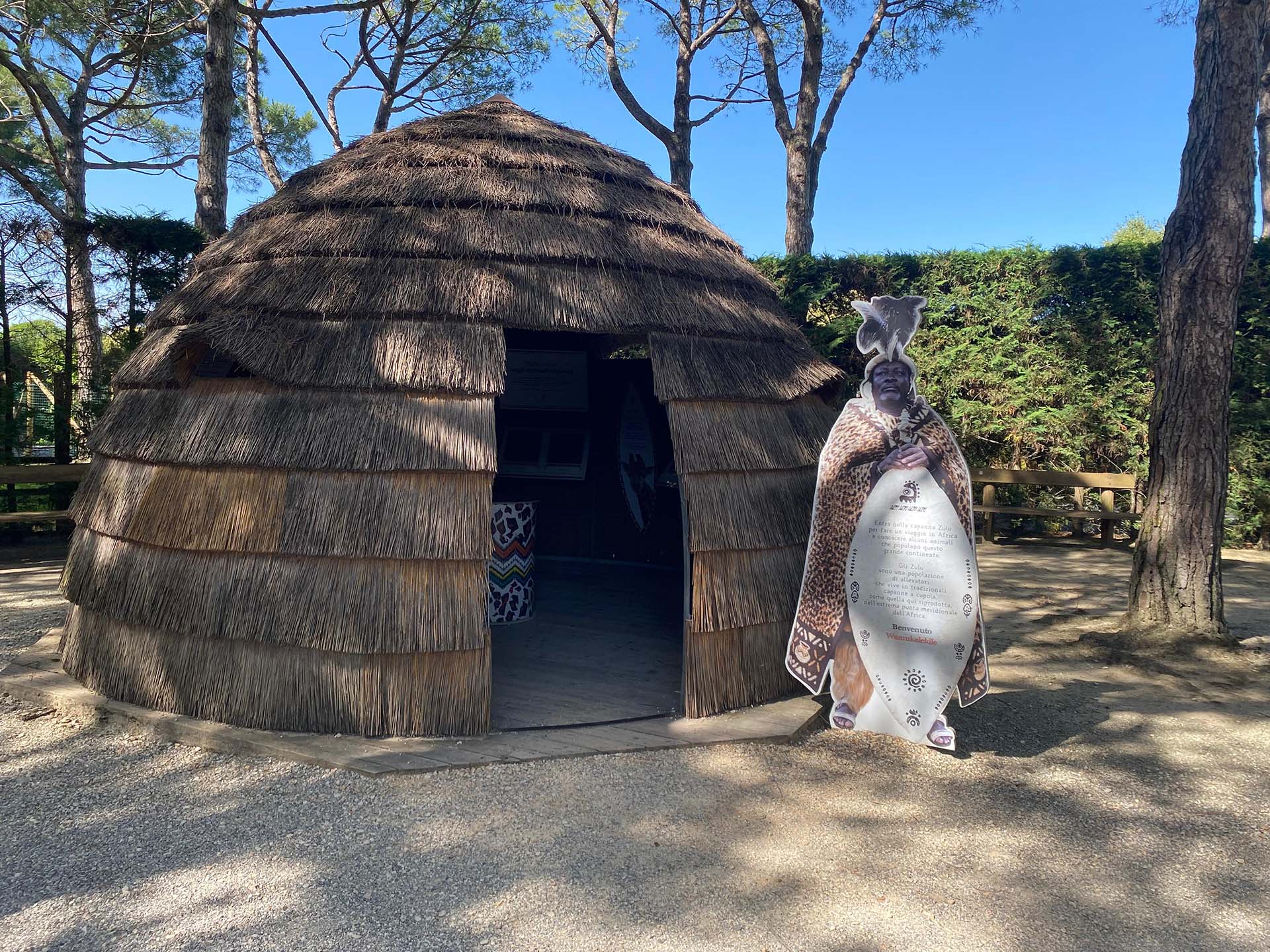
Photo 66 - Zulu hut
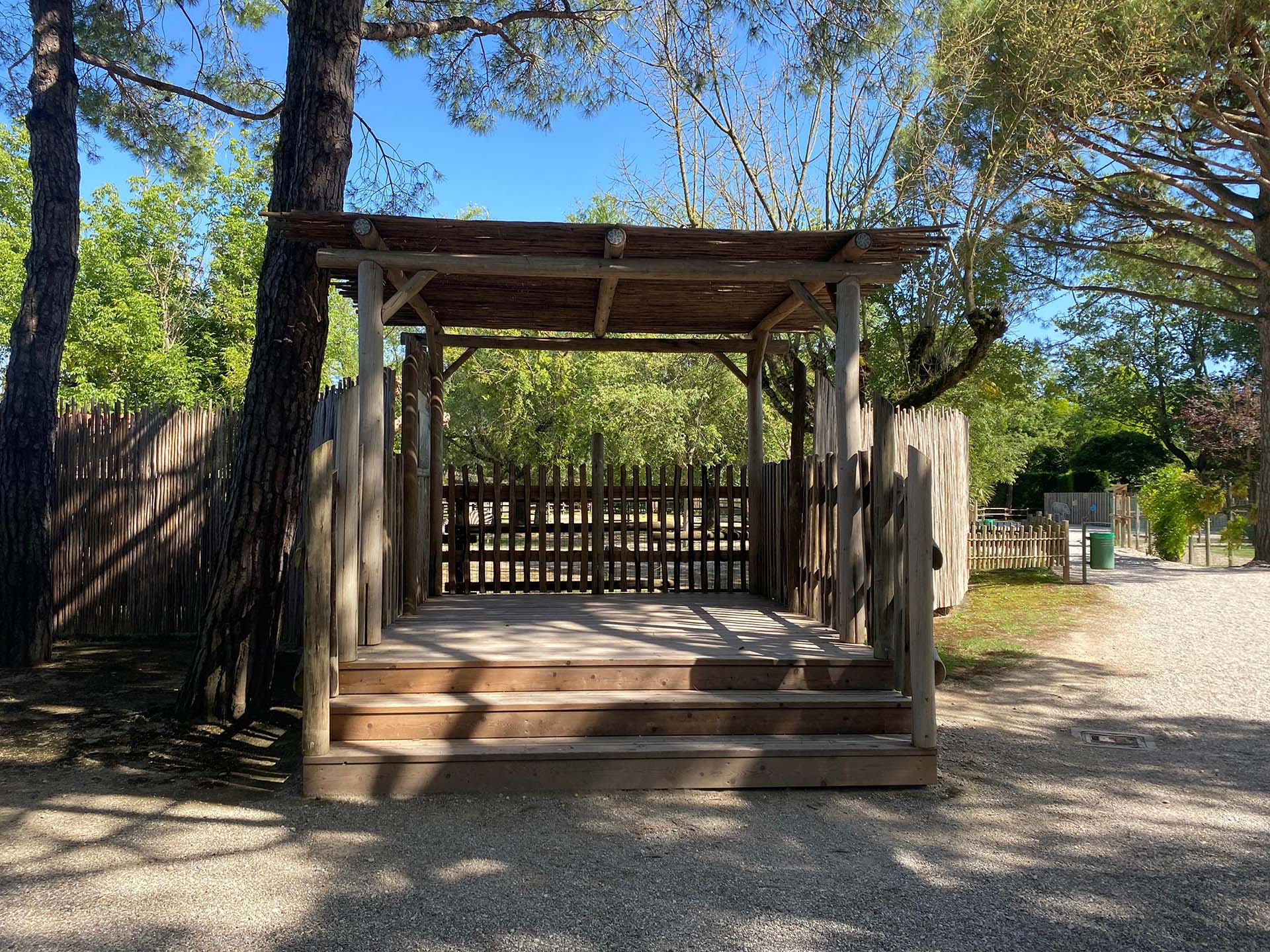
Photo 67 - Steps for viewing zebra enclosure
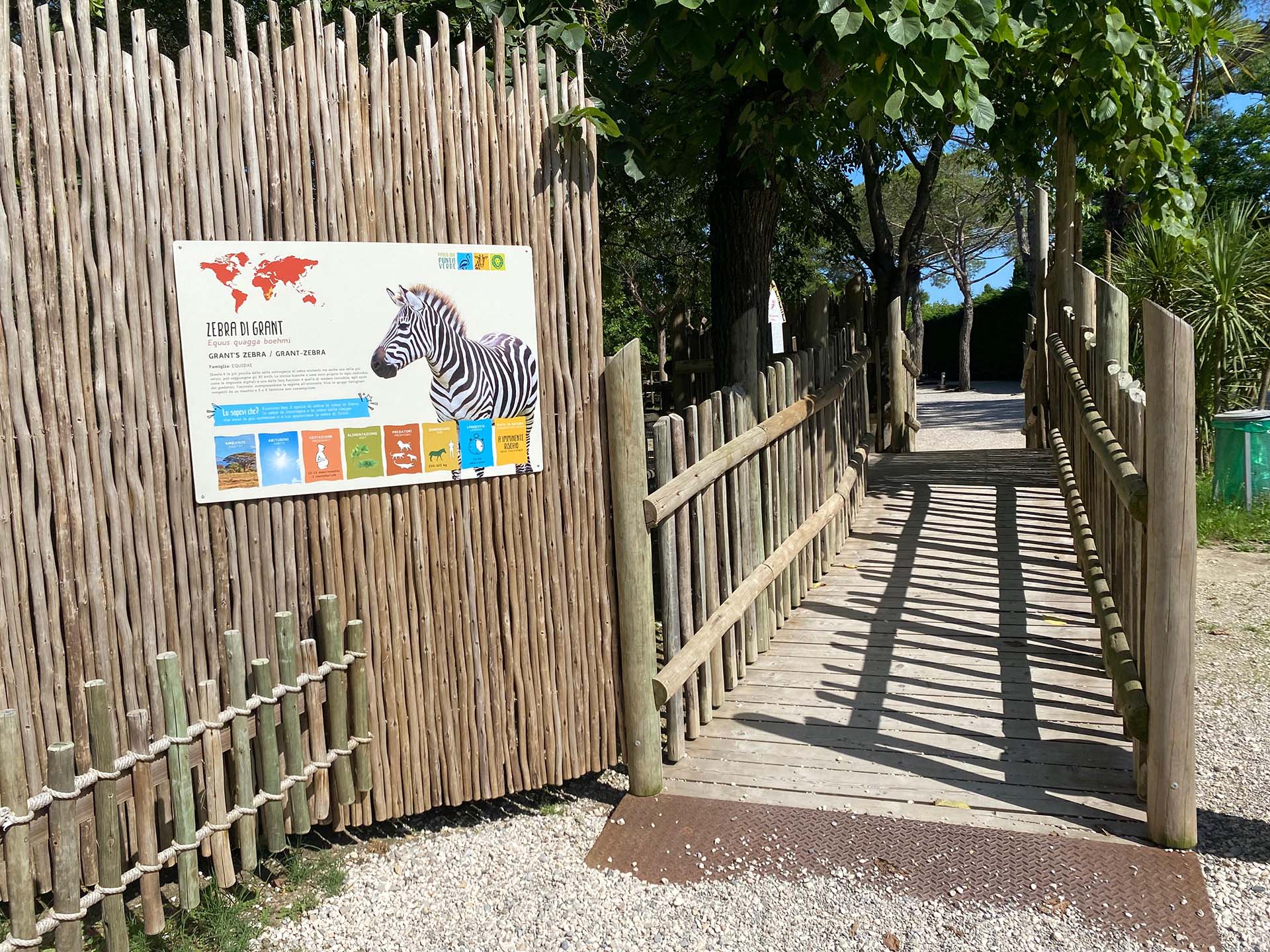
Photo 68 - Ramp to zebra area
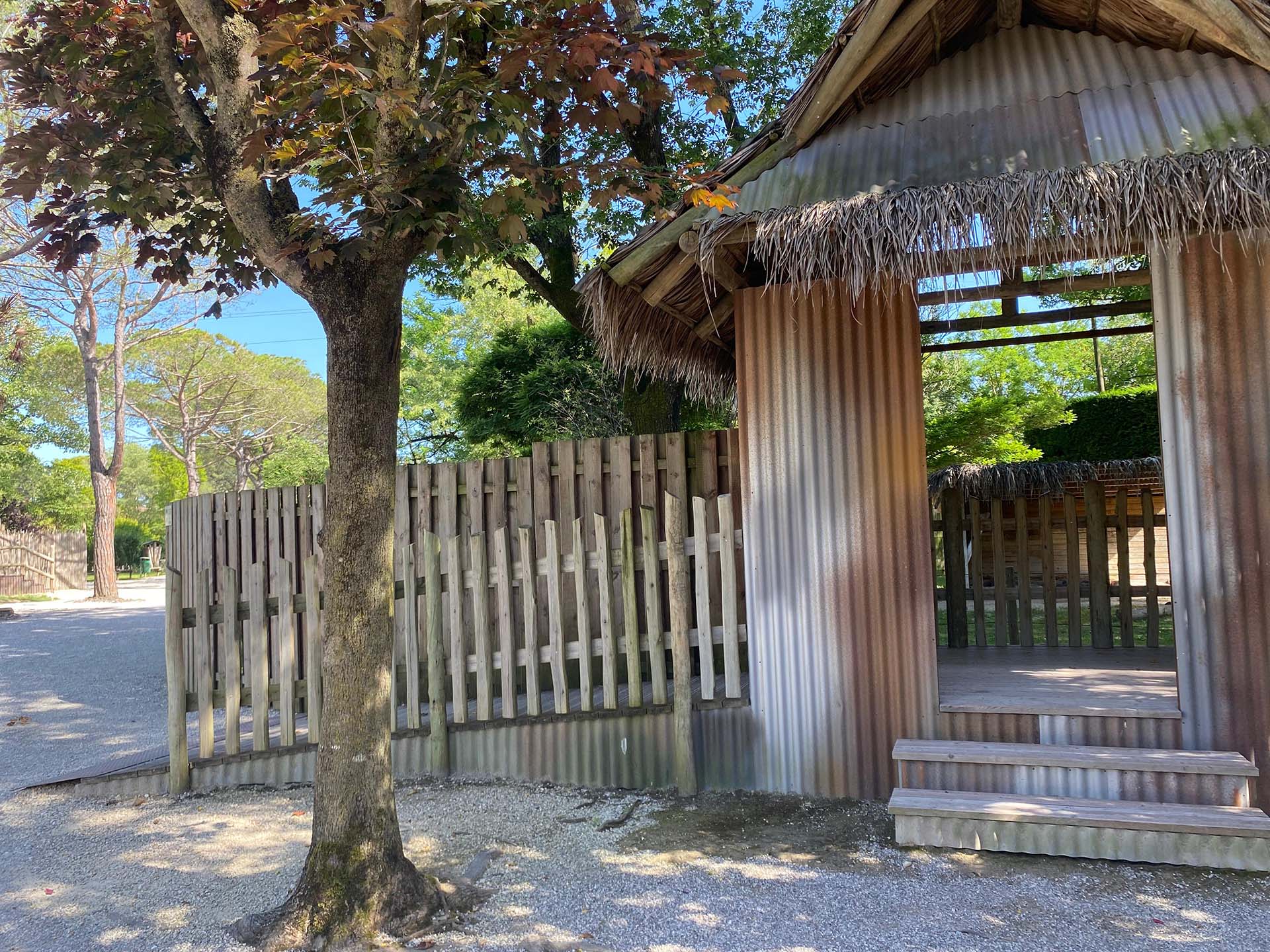
Photo 69 - Ramp for tapir enclosure
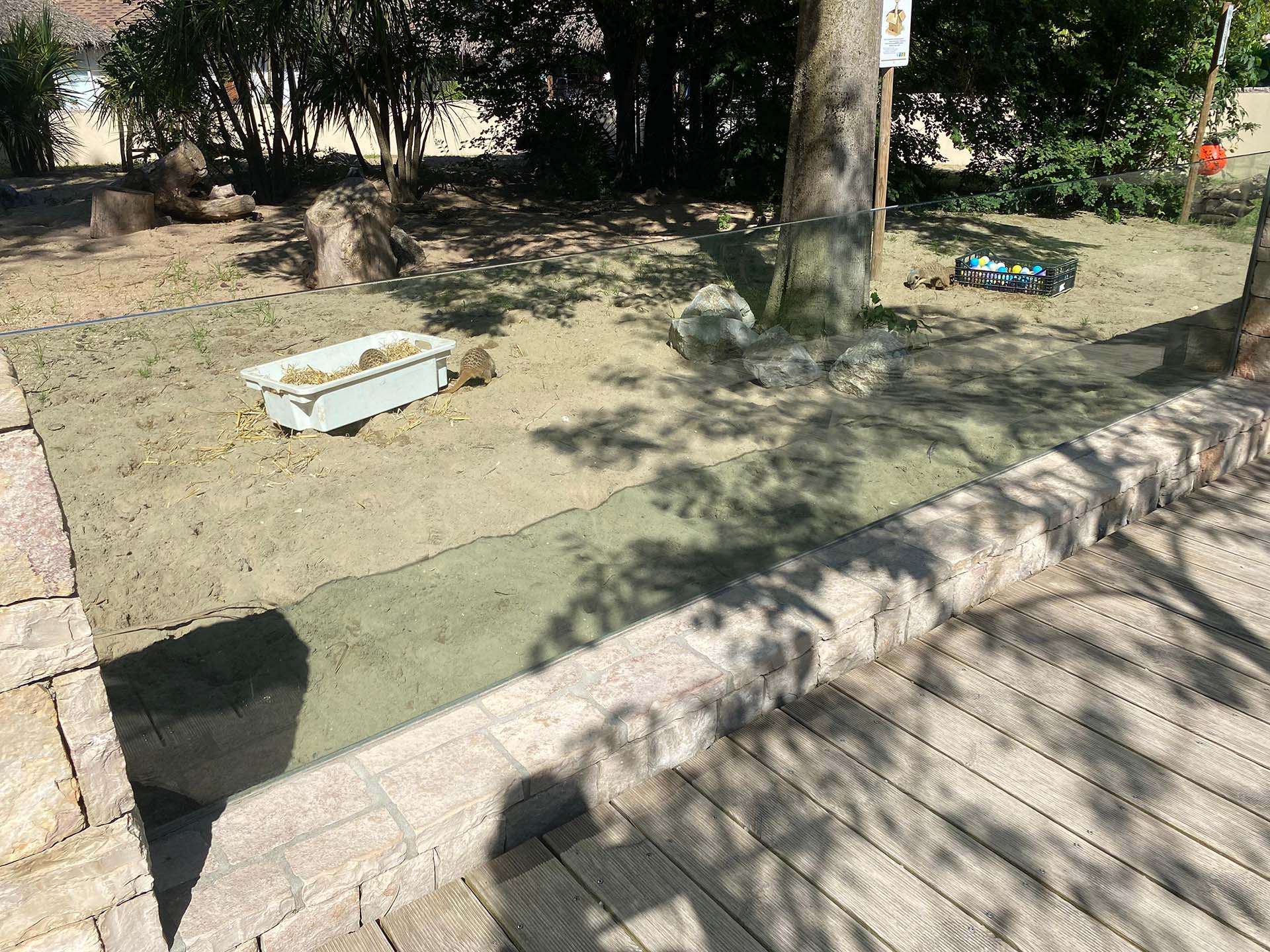
Photo 70 - Meerkat enclosure
2.7
/3
2.8
/3
2.0
/3
2.8
/3