 MAP
Gorizia - Tour itinerary

Hill
GENERAL INFORMATION
LAST INSPECTION DATE
17/11/2022
PLANNED ITINERARY
Gorizia - Tour itinerary
LENGTH
2000 meters
DEPARTURE
Corso Italia
GUIDED TOUR
Raffaella Grasselli
The tour can take place at any time of the year.
The tour starts from the FVG Tourist Information Point located in Corso Italia at street number 9 (Photograph 1).
The nearest parking space reserved for people with disability is located at the beginning of Via Diaz (at street number 1), a few metres from the Infopoint.
The itinerary to reach the Infopoint (from the parking space reserved for people with disability) continues by turning right along Corso Italia and crossing the Corso, on porphyry cubes and contrasting in colour to represent the pedestrian crossings, connected to the pavement and without thresholds (Photograph 2).
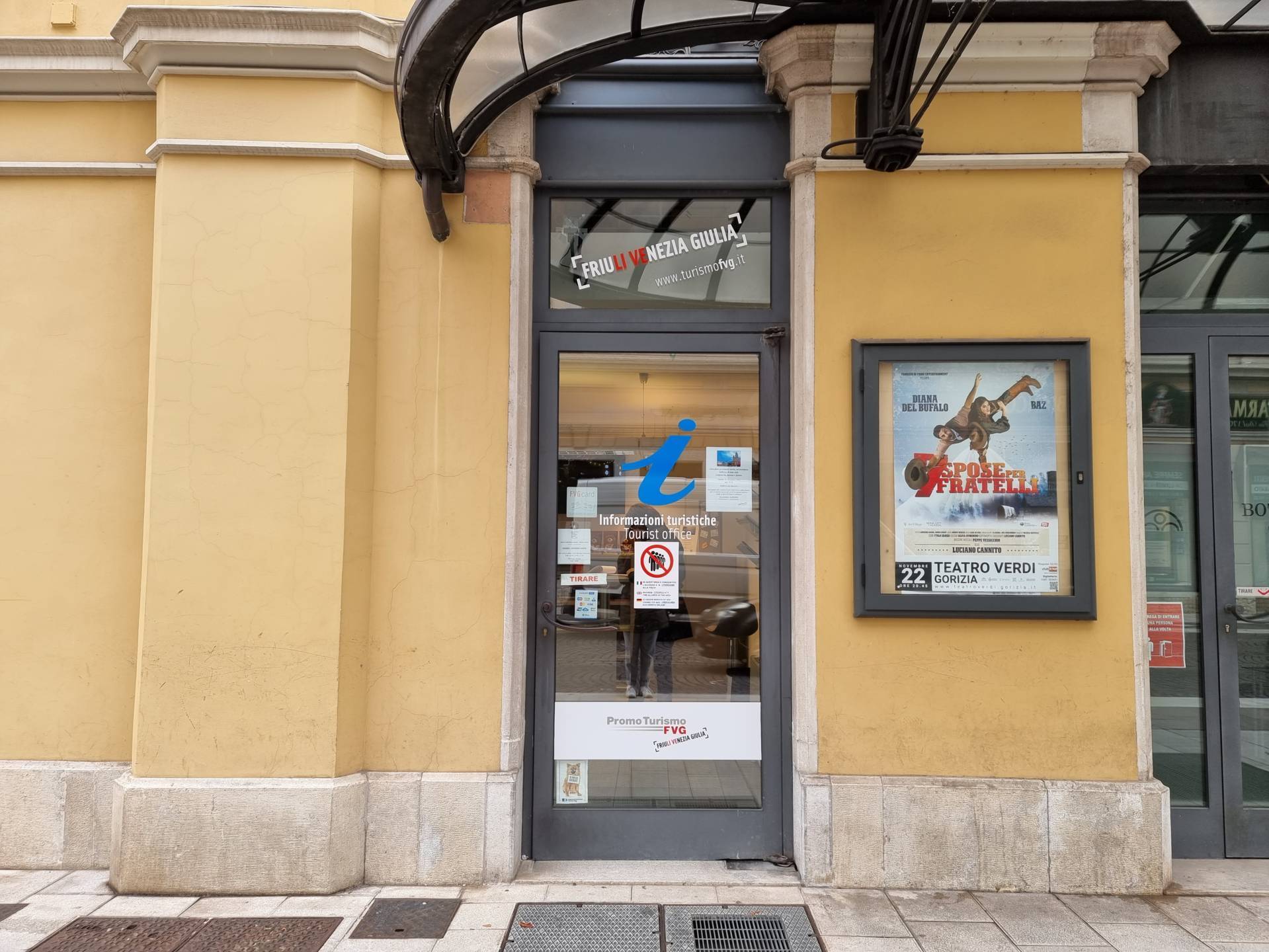
Photo 1 - Infopont on Corso Italia
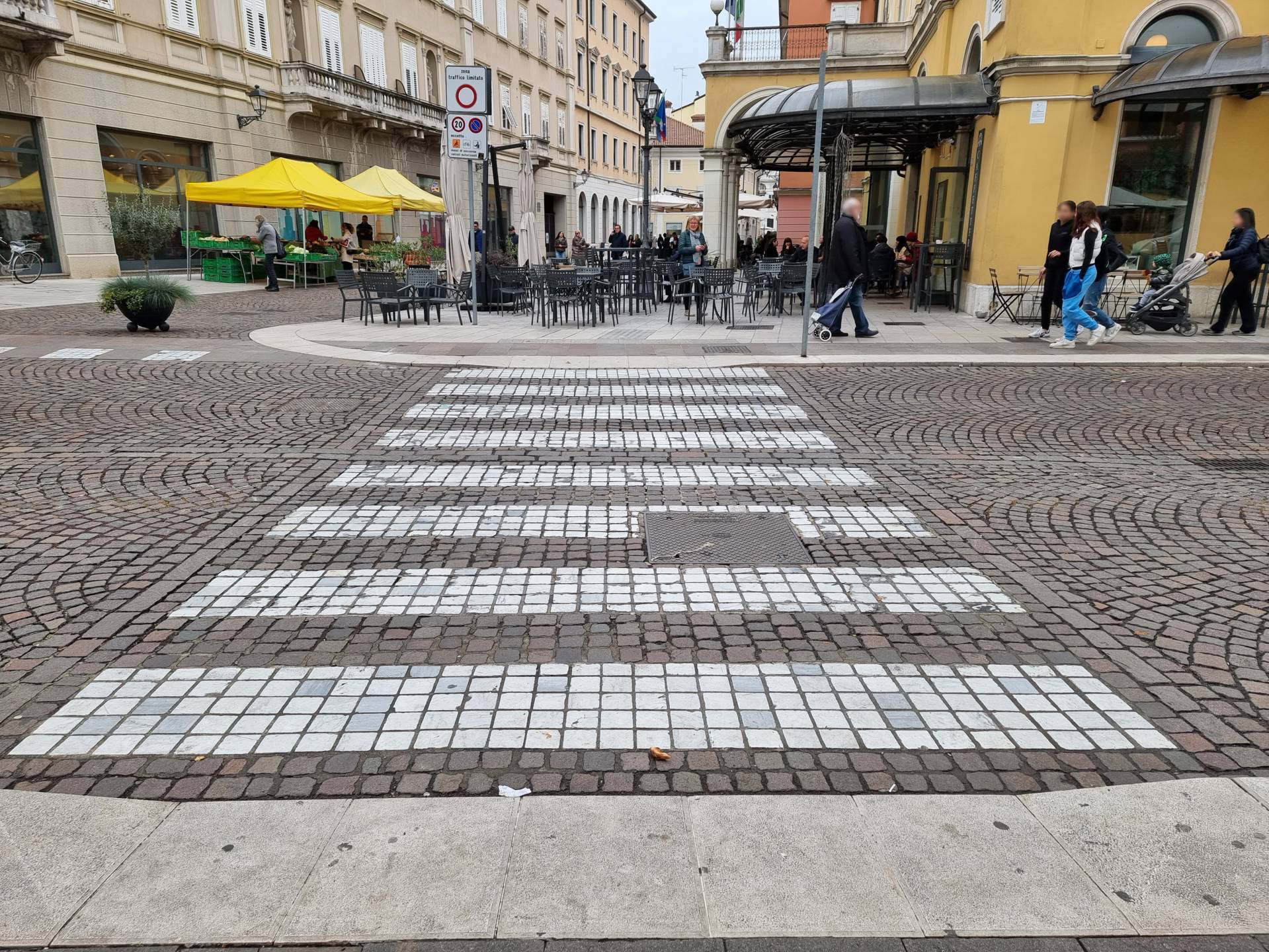
Photo 2 - Pedestrian crossing on Corso Italia
From the Infopoint, continue back towards the north-west, on the opposite side of Via Diaz, along Via Garibaldi, in front of the Teatro Green, with a very wide stone pavement on both sides, with even paving.
Via Garibaldi presents some obstacles due to the presence of the outdoor furnishings of the various premises facing onto it, forcing pedestrians to step off the pavement and continue along the roadway (access to which is in any case restricted to authorised vehicles only) made of porphyry cubes (Photograph 3).
Also on the pavement of Via Garibaldi are the benches in front of the Teatro Green (Photo 4).
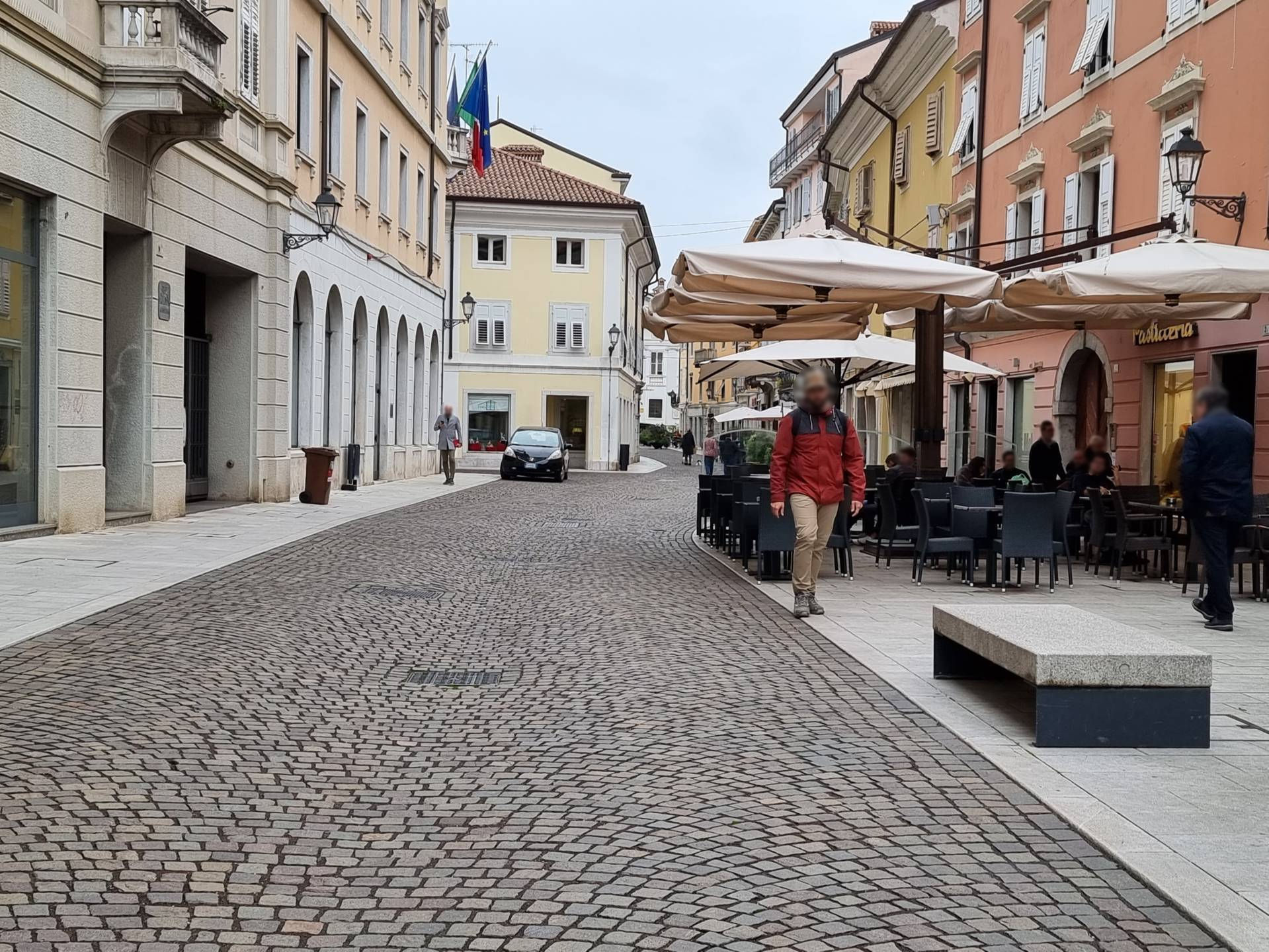
Photo 3 - Via Garibaldi
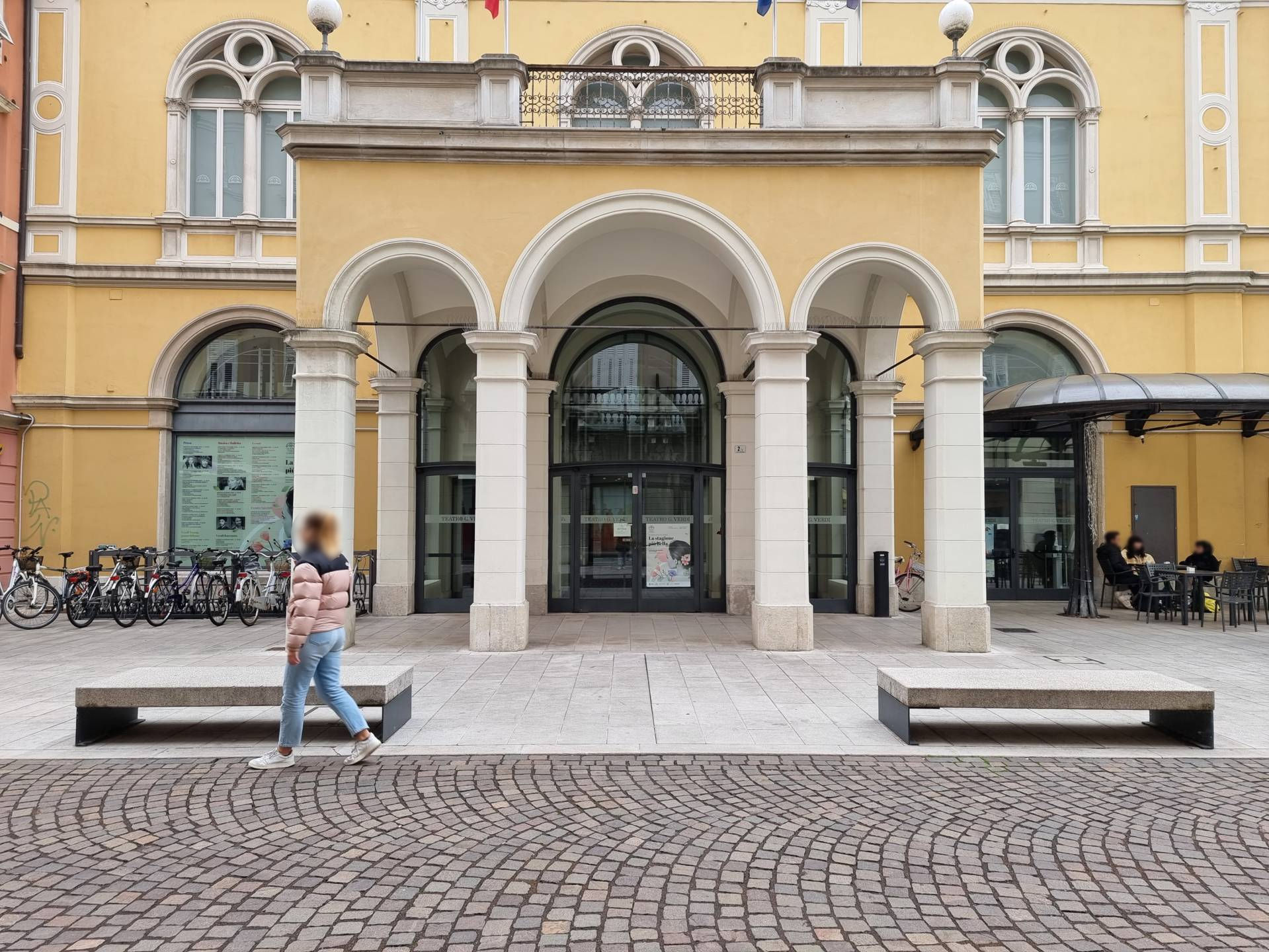
Photo 4 - Benches in front of the theater
Via Atcide De Gasperi is located at the end of Via Garibaldi. The crossing of Via de Gasperi, near the Town Hall, takes place on a roadway made of porphyry cubes, in different colours to highlight the chromatic contrast of the stripes. The crossing is connected to the pavement on both sides, in stone blocks and without thresholds (Photograph 5). There are no tactile foot warning markers. Pavements are wide, made of stone, and paved evenly and smoothly.
The itinerary then continues to the north-east, along Via Mazzini, with its wide pavements, in even and uniform stone and level with the driveway area (restricted to traffic), which is paved with porphyry cubes. The street contains planters and other elements of street furniture that may create obstacles (Photograph 6).
At the end of Via Mazzini, a left turn leads to Via Crispi, with an interruption of the pedestrian path to allow vehicles to enter and exit the petrol station. The stone pavement (wide with uniform and smooth paving) is interrupted and there is an asphalt paving with a certain degree of unevenness. However, the route continues on the level, with the presence of a planter in the centre of the footpath (Photograph 7).
There is a parking space for people with disability on the right-hand pavement, at the height of street number 15 in Via Crispi.
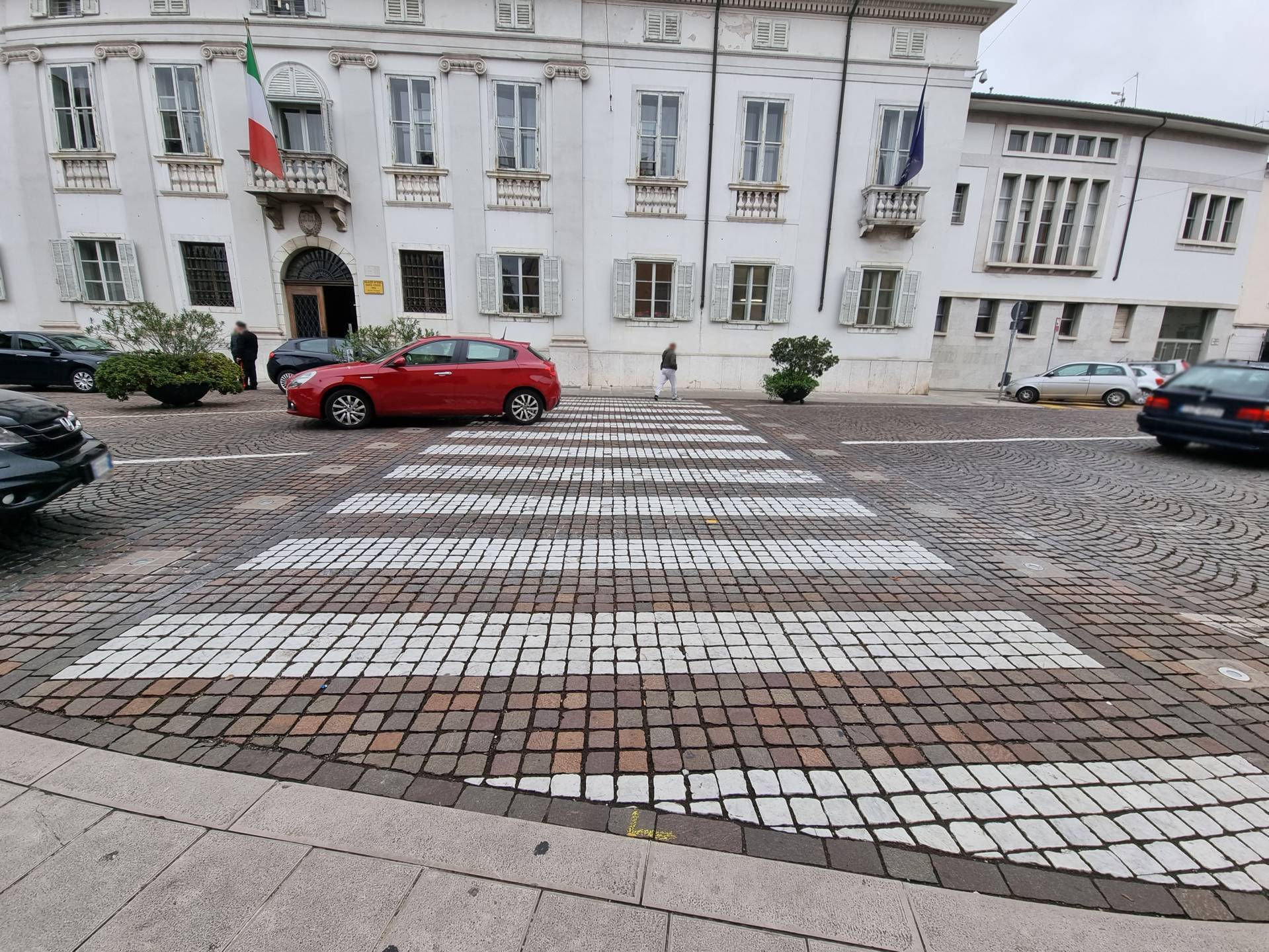
Photo 5 - Crossing on Alcide De Gasperi Street.
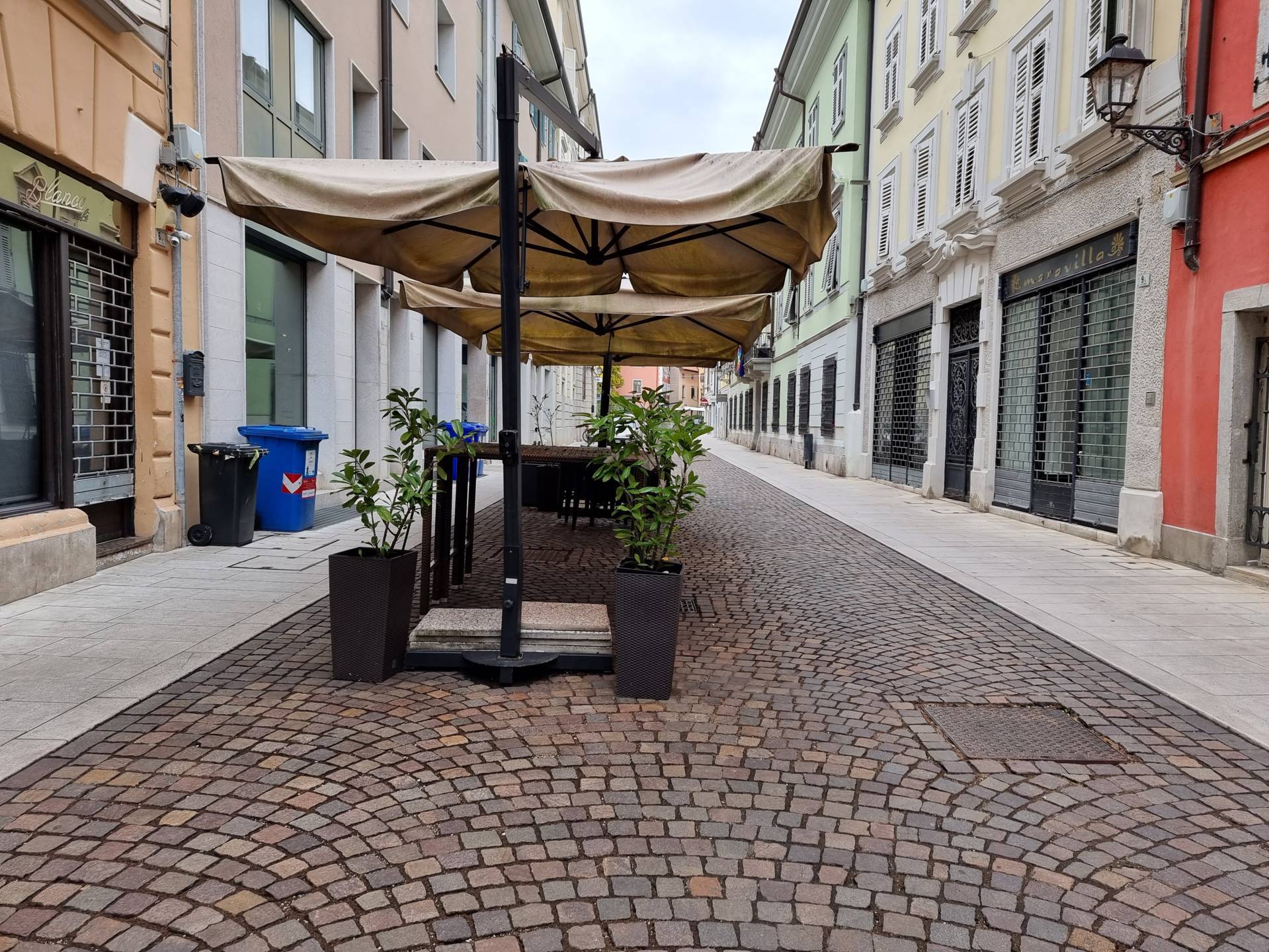
Photo 6 - Itinerary alongvia Mazzini
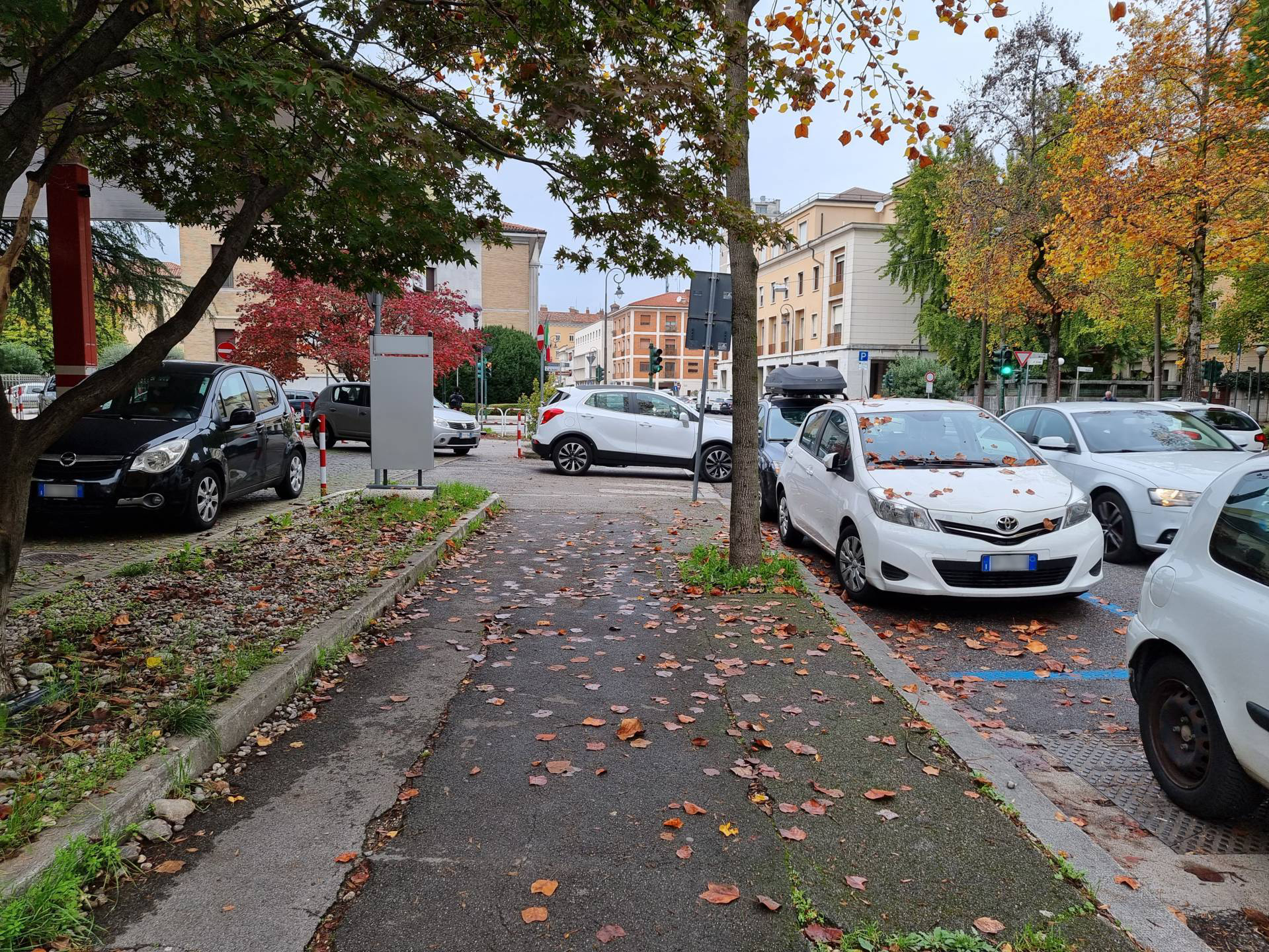
Photo 7 - Asphalt route on via Crispi
Moving forward, traffic light pedestrian crossings are located at the intersections of Via Crispi and Via Roma/Via de Gasperi with no junction and steps on all sides (Photographs 8-9).
At the pedestrian crossing on Via De Gasperi, there is a dedicated space for people with disability.
Via Roma has extensive paved footpaths on both sides, which are not always uniform and regular due to the presence of tree roots or ground settlements (Photographs 10-11). The route continues in a north-easterly direction until it reaches the junction with Via Rotta. The crossing onto Via Rotta is paved, with faded stripes, with a connection to the pavement level using a curvilinear ramp (Photograph 12). Changes in the slope of the ramp, not being signposted, can be dangerous and a source of tripping, as well as being difficult for wheelchair users to negotiate.
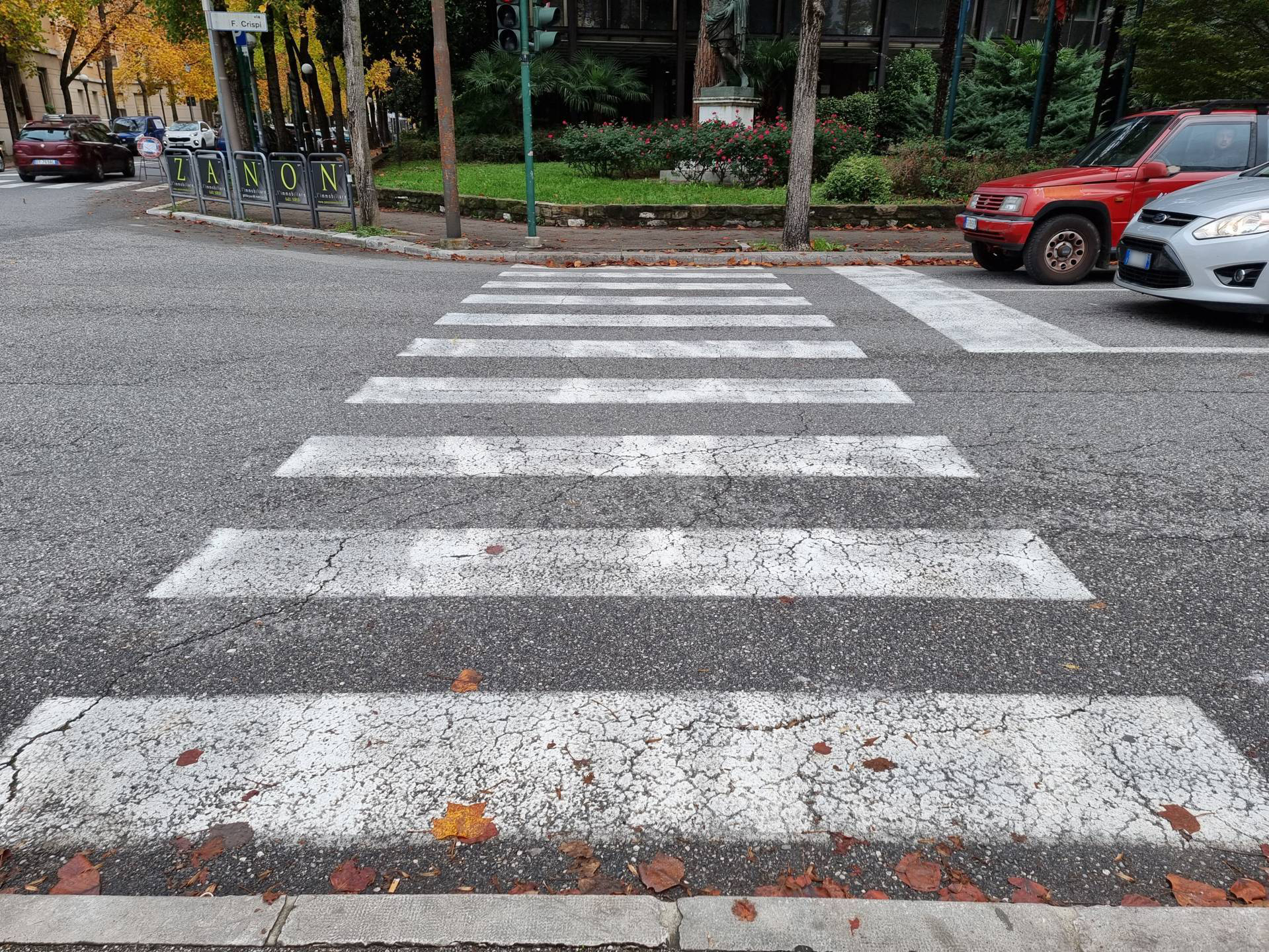
Photo 8 - Pedestrian crossing on via Crispi
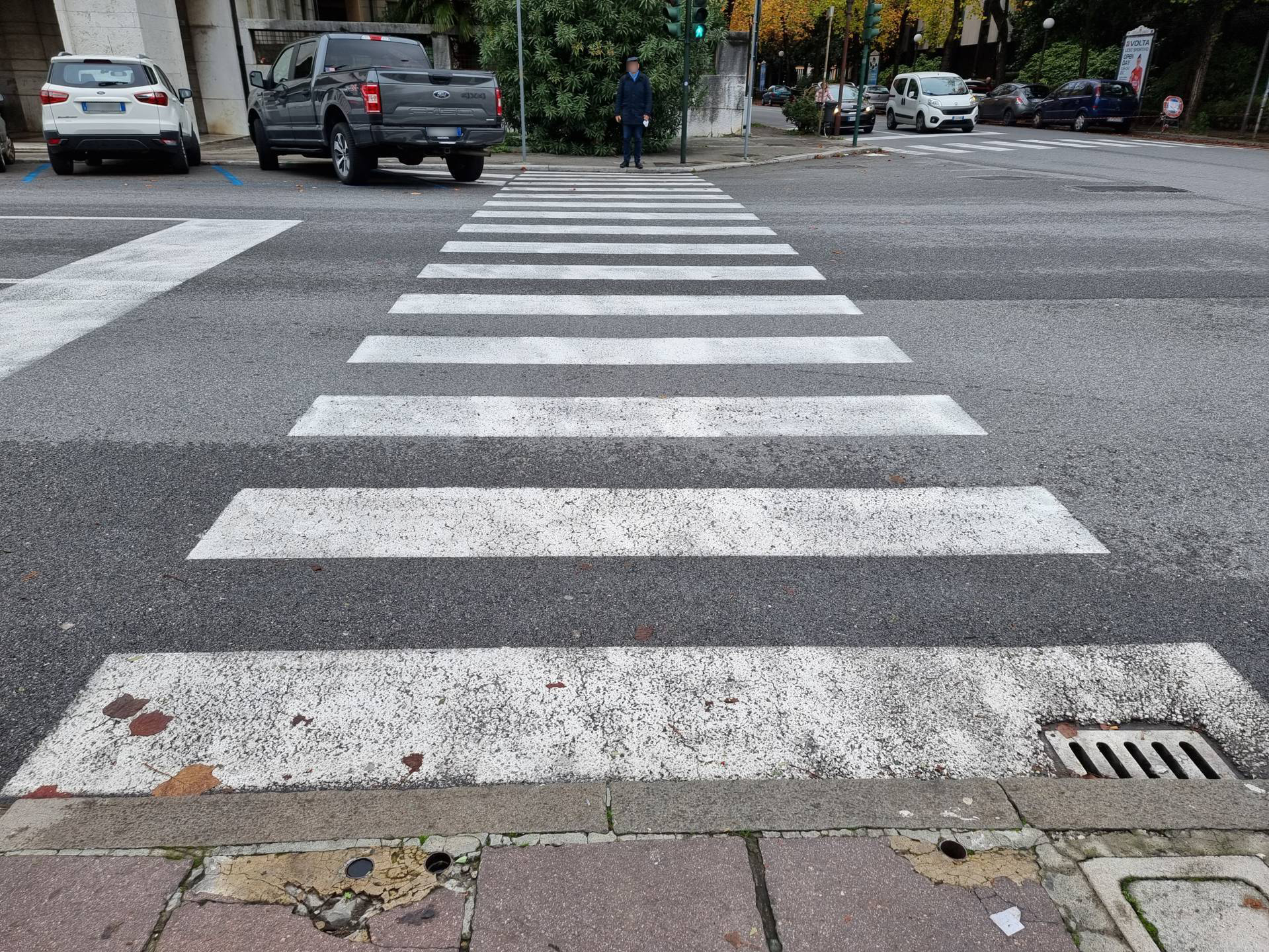
Photo 9 - Pedestrian crossing on via Crispi
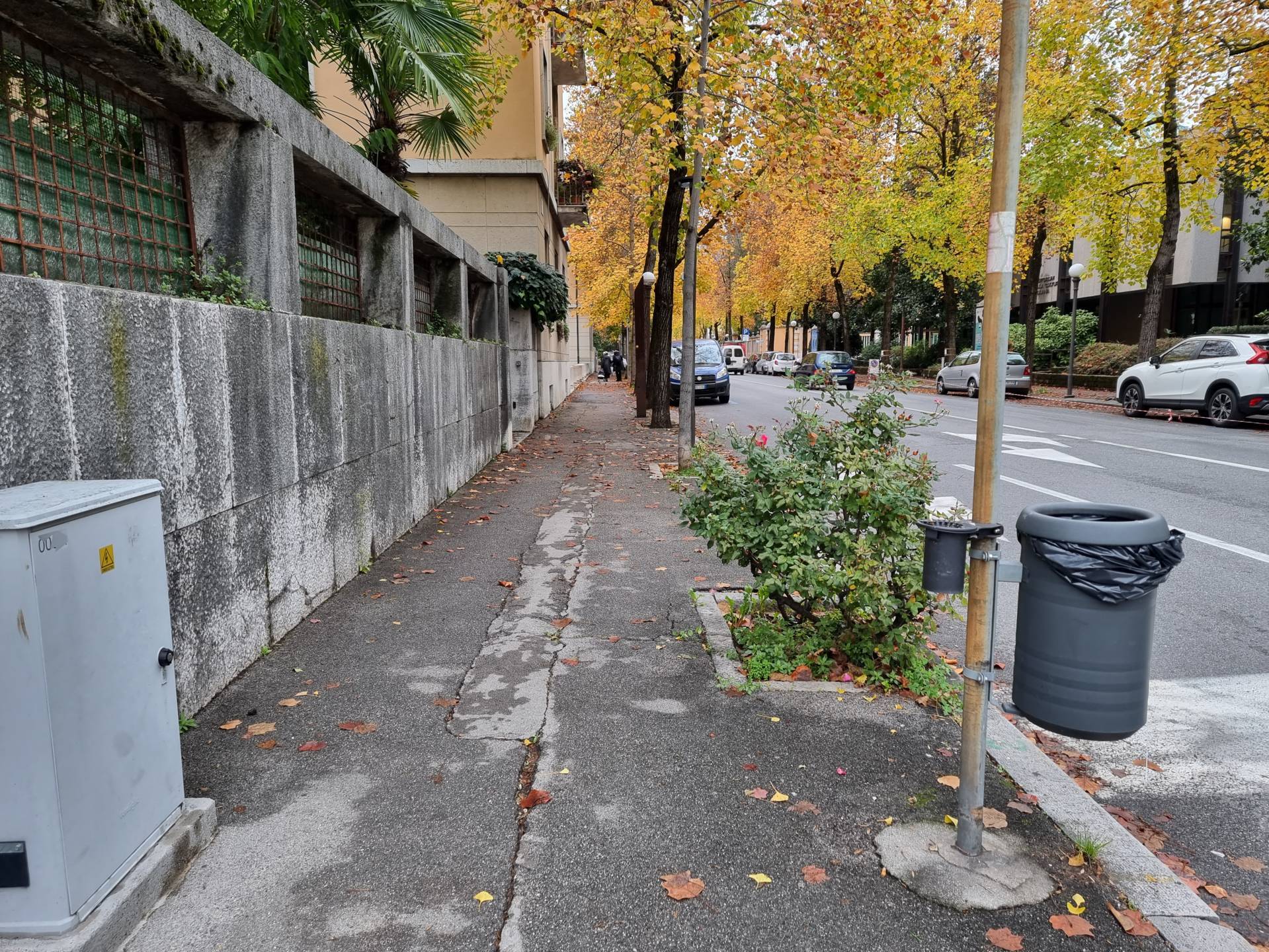
Photo 10 - Left sidewalk on via Roma
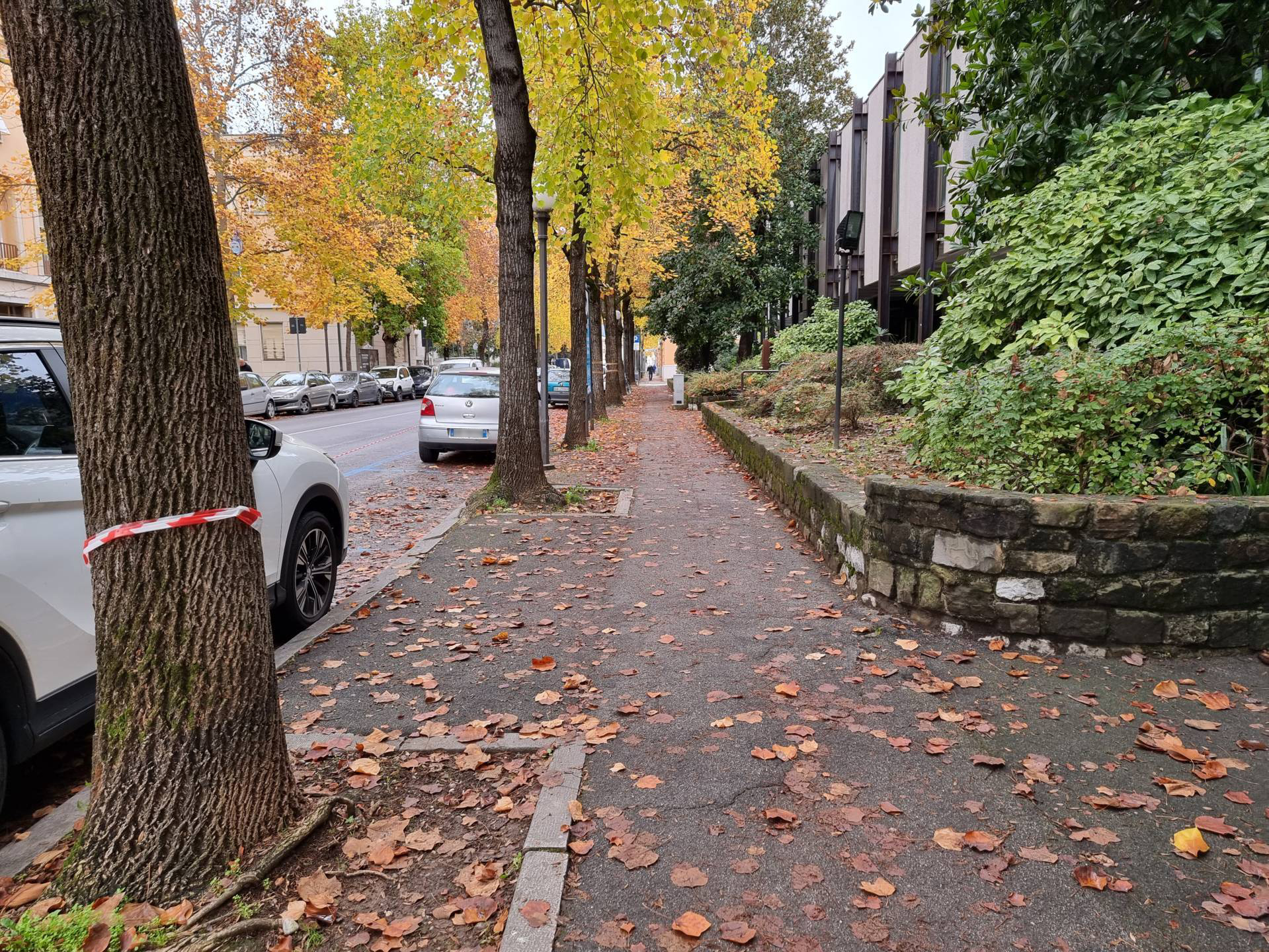
Photo 11 - Right sidewalk via Roma
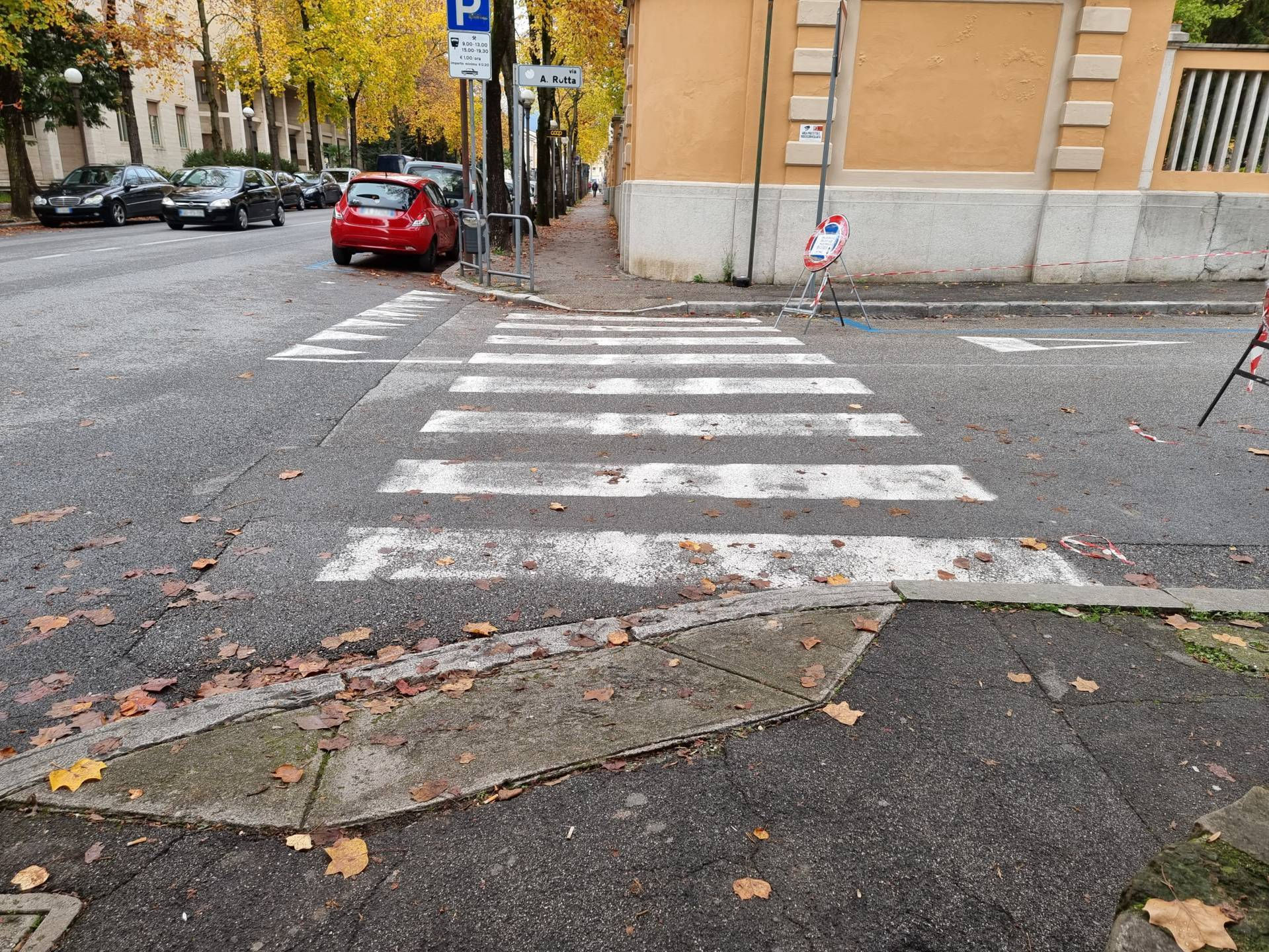
Photo 12 - Crossing on via Rotta
Continue along Via Roma and eventually Piazza della Vittoria is located at the end of the street. The asphalt pavement is interrupted and becomes stone, with smooth, even and unobstructed paving (Photographs 13-14).
At the end of Via Roma, before reaching the square, there is a dedicated space for people with disability at street number 2.
Standing in front of the Church dedicated to Saint Ignatius, it is necessary to cross the road, on a crossing made of colourfully contrasting porphyry cubes, to reach the building. The connection between the roadway and pavement is provided by short stone ramps on both sides, with contrasting colours and a steep slope (17%) (Photographs 15-16).
The Church is accessible from a main entrance with steps, or from a side access accessible to people with mobility disabilities, located on the left facade of the Church using a ramp, easily visible, paved with porphyry cubes and with a slope of approximately 7%. The ramp is flanked by a double-height galvanised steel handrail (Photograph 17).
Continuing north, there is a crossing on Via Mameli made of porphyry cubes, contrasting in colour, and connected to the roadway by stone ramps with a 5% slope (Photograph 18). Turning back to the south, the pedestrian crossing of Via Oberdan is reached, made of colour-contrasting porphyry cubes, connected with sloping stone ramps and without tactile foot markers (Photograph 19).

Photo 13 - change of pavement from asphalt to stone
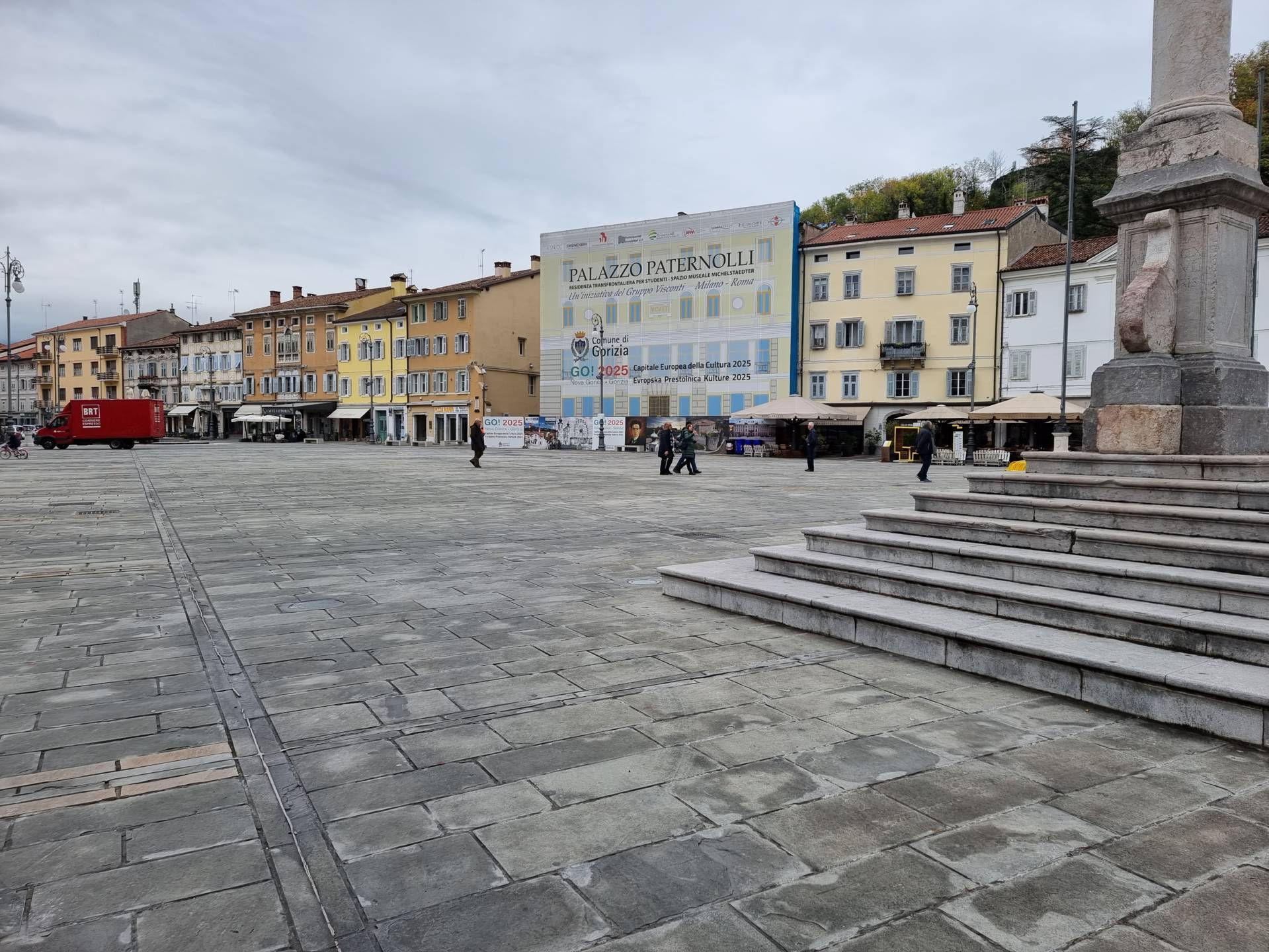
Photo 14 - View of Piazza Vittoria
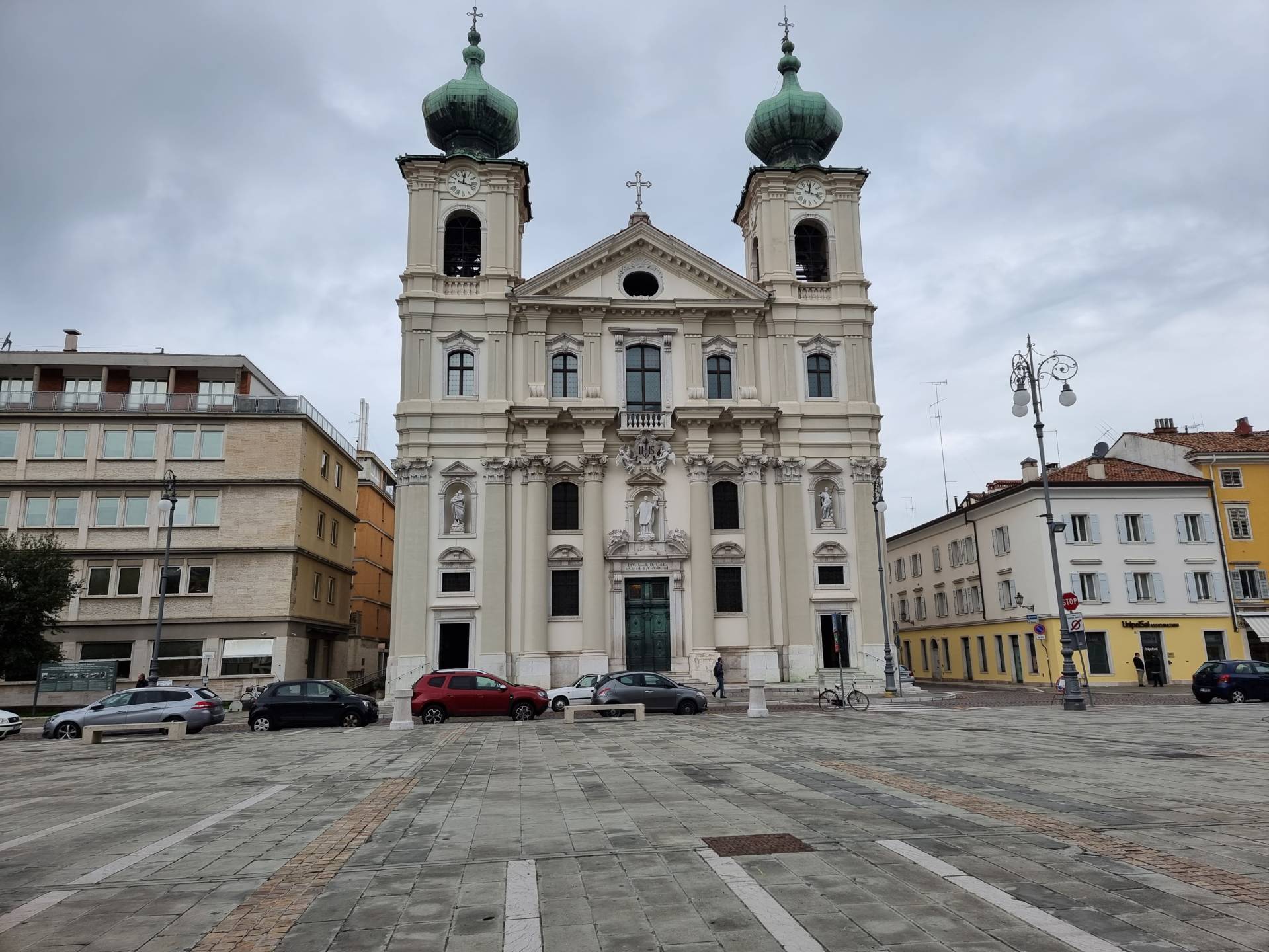
Photo 15 - Church of Saint Ignatius

Photo 16 - Pedestrian crossing in front of the Church of St. Ignatius

Photo 17 - Side access ramp

Photo 18 - Pedestrian crossing on Mameli

Photo 19 - Pedestrian crossing on via Obedan
At the crossroads with Via Oberdan and continuing towards the south-east, we continue along Via Rastello, where there are pots and other elements of street furniture present (Photograph 20). The itinerary, on a regular porphyry surface, is located on an uphill slope due to the natural terrain (Photograph 21). Part of the itinerary takes place indoors, under the porticoes.
At the crossroads with Cocevia on the left, the porphyry pavement changes to a “Masegni” style stone pavement with thick and irregular joints that are difficult to traverse (Photograph 22). At street number 50 of Via Rastello, the pavement once again consists of porphyry with pavements in stone, which are even and smooth on the sides (Photograph 23).
At the end of Via Rastello is the crossing of Viale D'Annunzio. The crossing, which is well signposted, has porphyry cube paving and a threshold for access to the pavement of approximately 2-3 centimetres in height (Photograph 24).
Located next to the crossing is Piazza Cavour, with benches and tourist-friendly seating, as well as the Police Headquarters (Photograph 24).
The itinerary continues in the direction of Piazza Sant'Antonio, along wide stone pavements on both sides. The crossing of Piazza Cavour in the direction of Piazza Sant'Antonio takes place with a sloping ramp connected to the pavement, and a similar solution at the junction between Piazza Sant'Antonio and Via dei Rabatta, where the sloping part of the pavement is made in a contrasting colour to be easily perceived even by visually impaired people (Photograph 26).
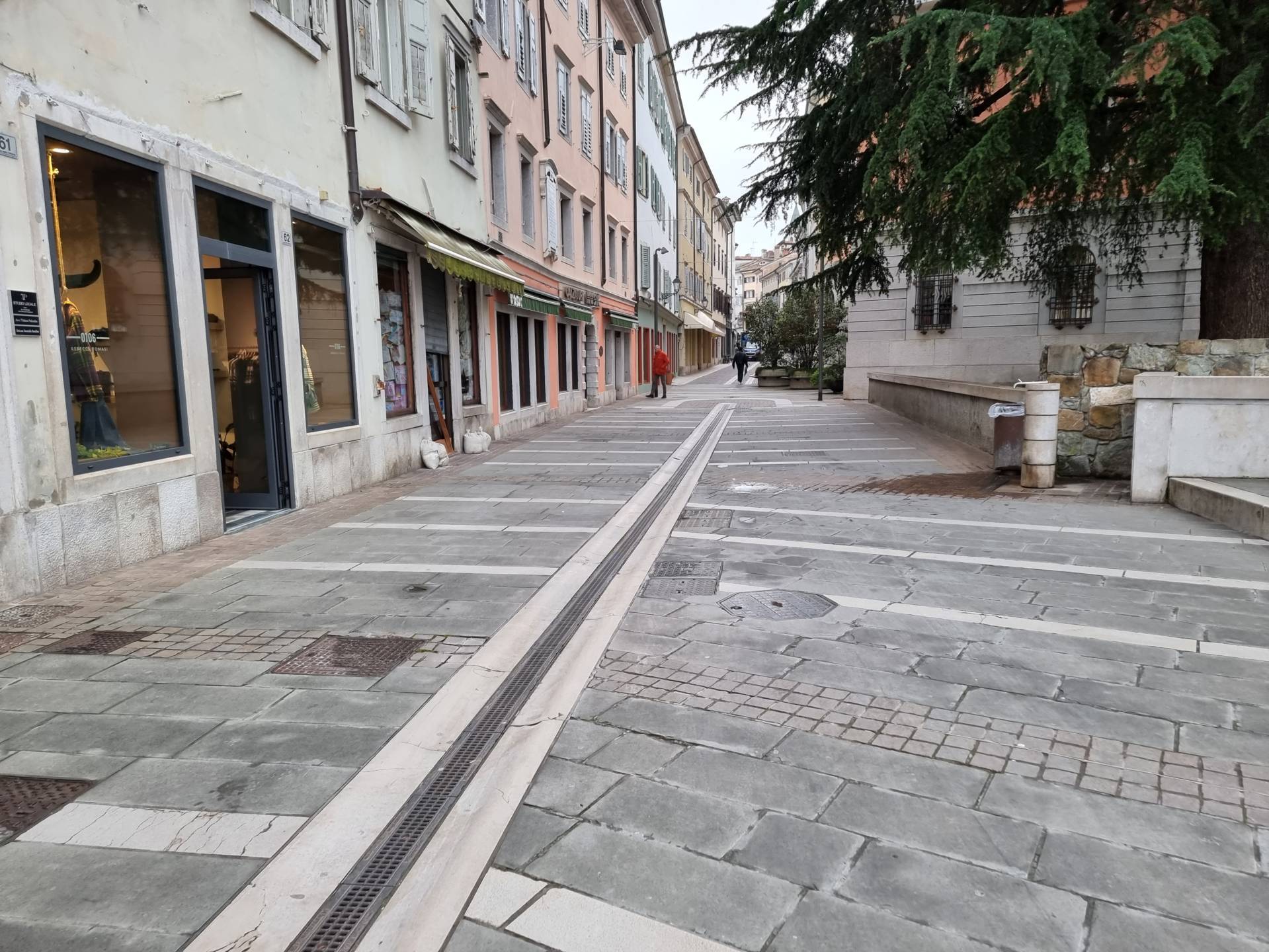
Photo 20 - Route to via Rastello

Photo 21 - Porphyry path on via Rastello

Photo 22 - paving in stone masks
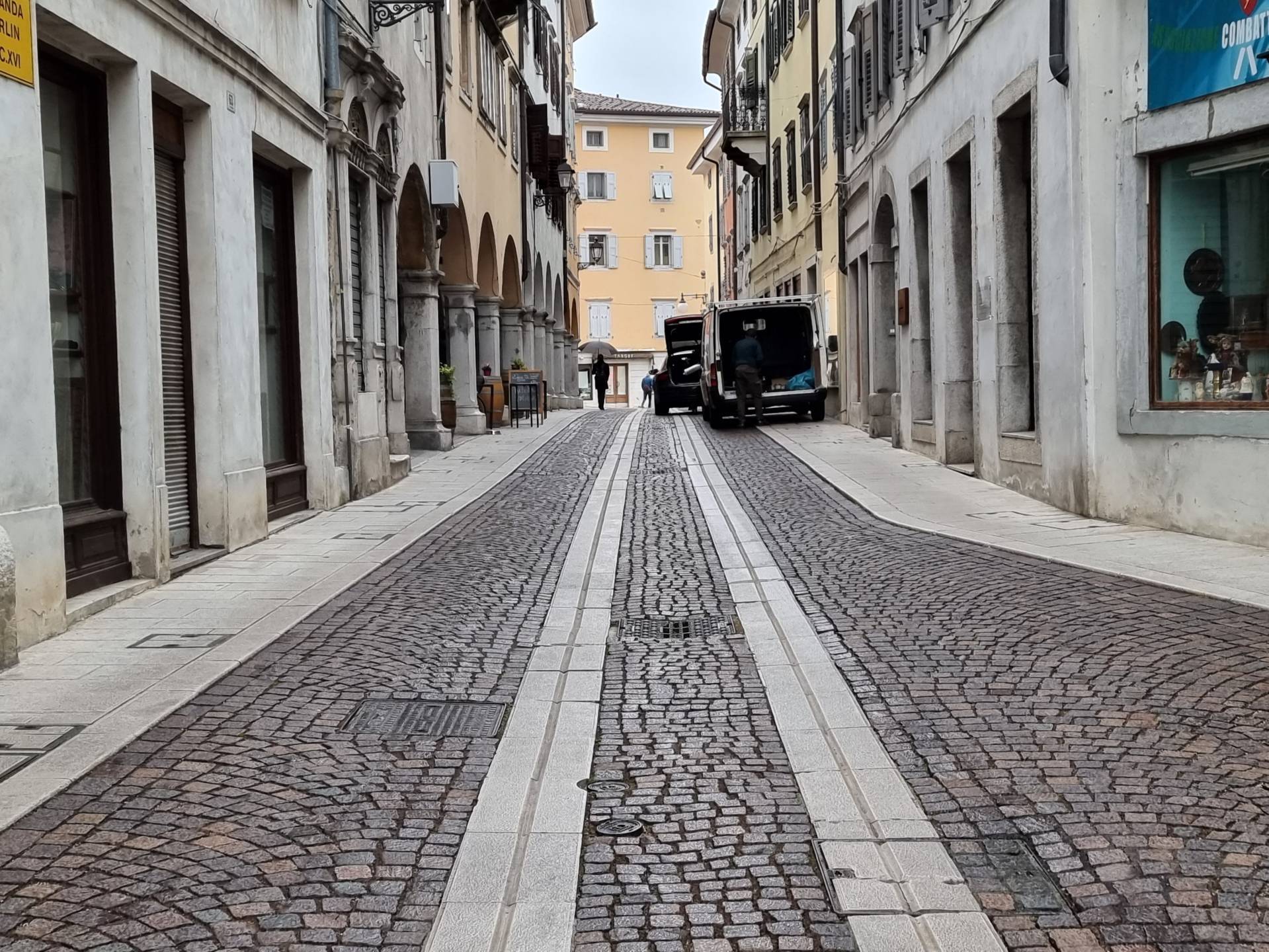
Photo 23 - Porphyry path on Via Rastello
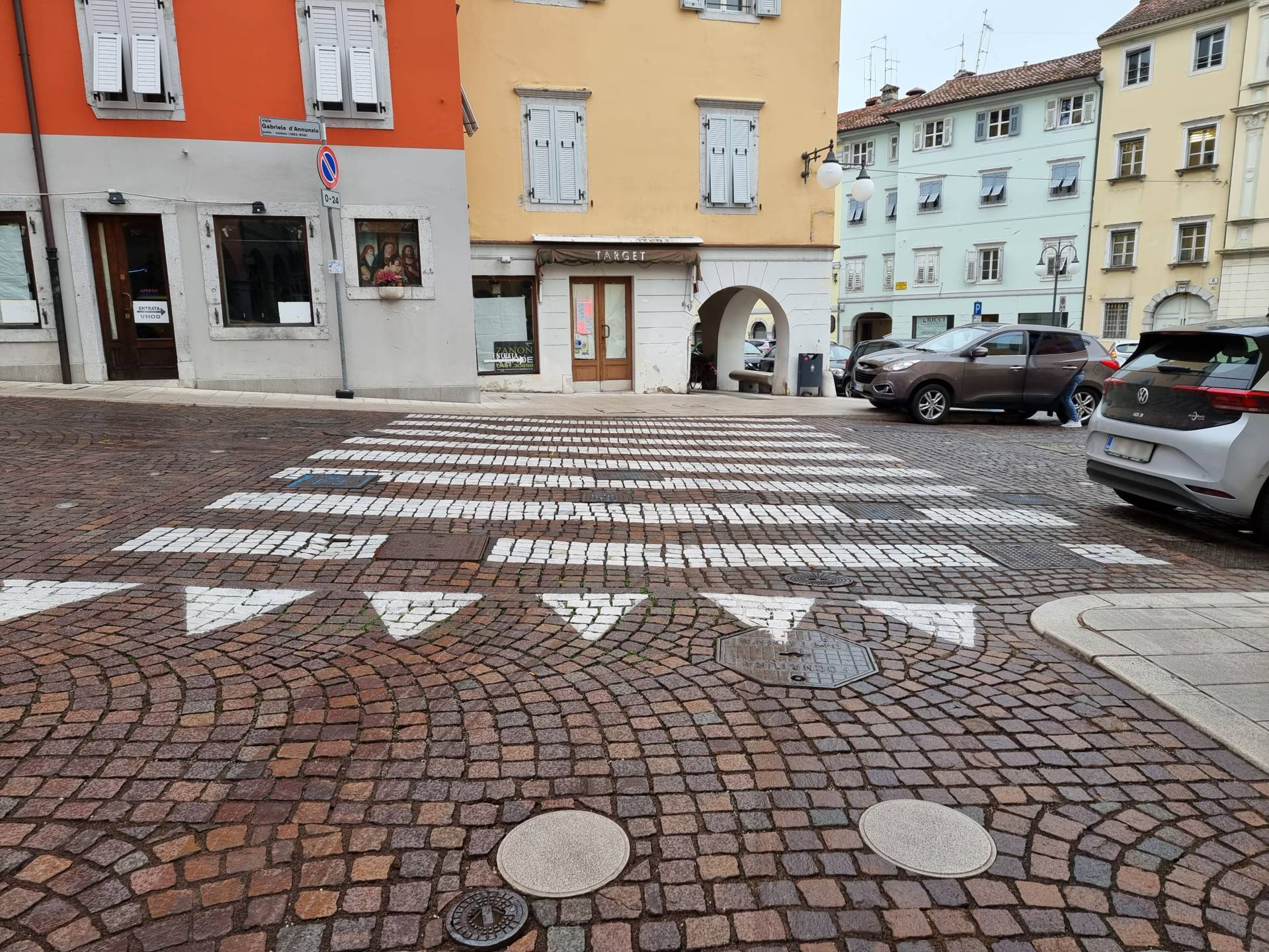
Photo 24 - Crossing on Viale D'annunzio

Photo 25 - Piazza Cavour

Photo 26 - Pedestrian crossings in the direction of Piazza Sant'antonio
On Via dei Rabatta the stone pavement on both sides is raised above the road surface and of very limited width, therefore insufficient to allow wheelchair users to pass; it is therefore necessary to continue along the roadway in reduced safety conditions (Photograph 27).
Eventually, you reach Via Colobini, whose asphalt pavement is lined with posts and other obstacles, which are nevertheless positioned to guarantee the minimum width for wheelchair access (Photograph 28). At the end of Via Colobini, near the Duomo, there is a pedestrian crossing on porphyry cubes with a sloped ramp (Photograph 29).
The main access to the Duomo is via a flight of 5 steps (Photographs 30-31-32).
From Via Colobini, turn right towards Via Marconi, and continue along Via Marconi to the junction with Viale D'Annunzio.
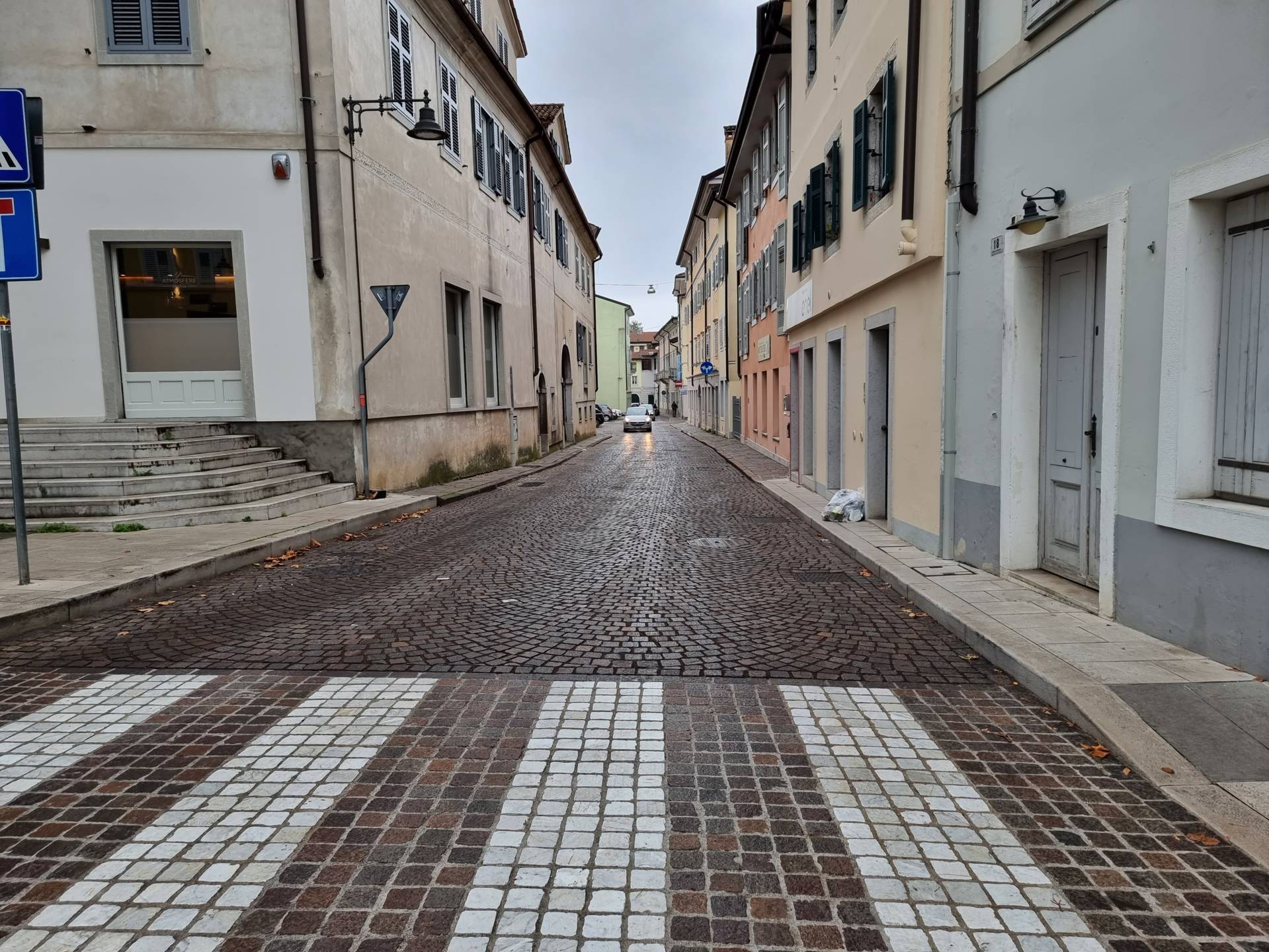
Photo 27 - Via Rabatta
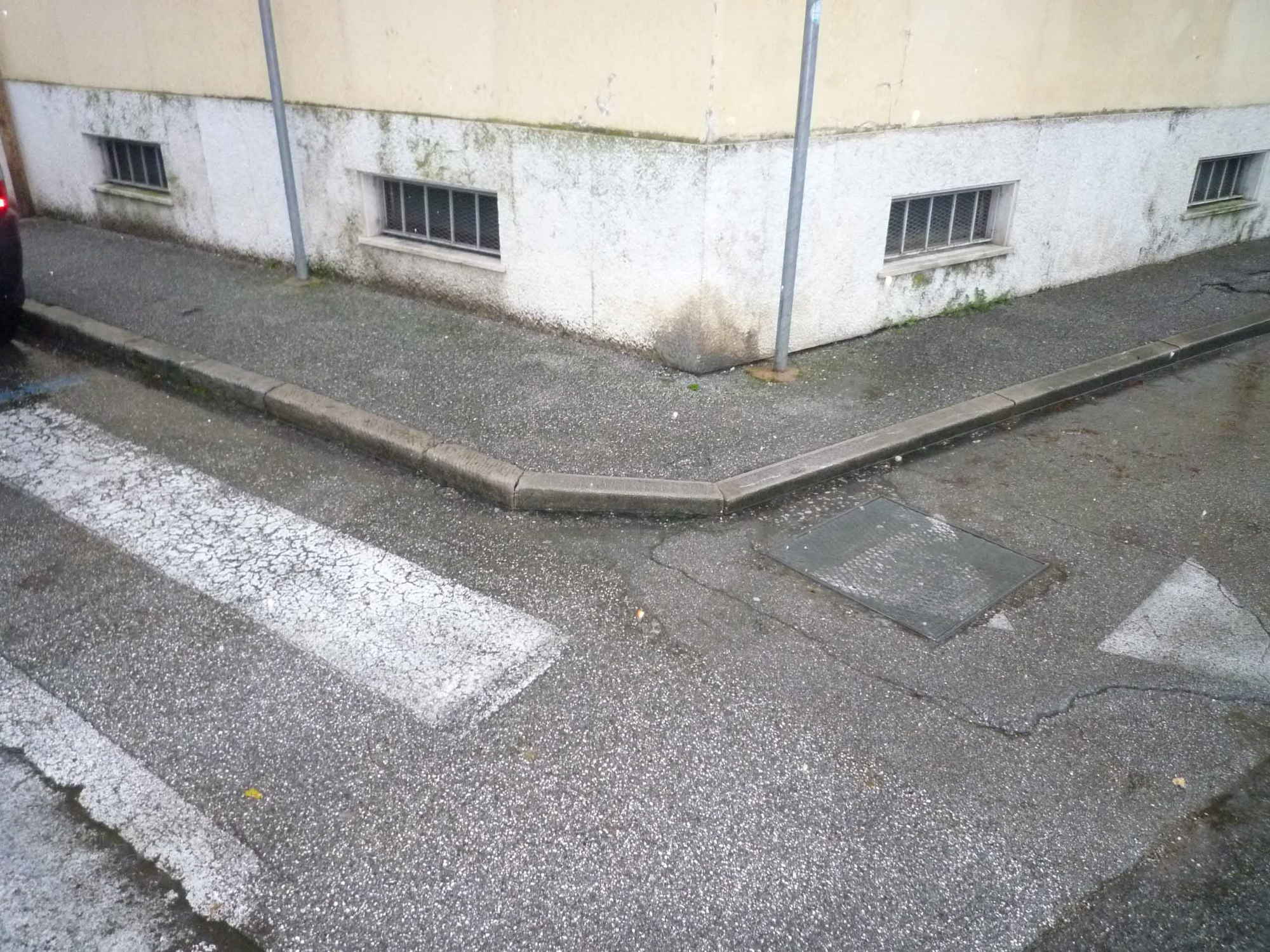
Photo 28 - Via Colobini
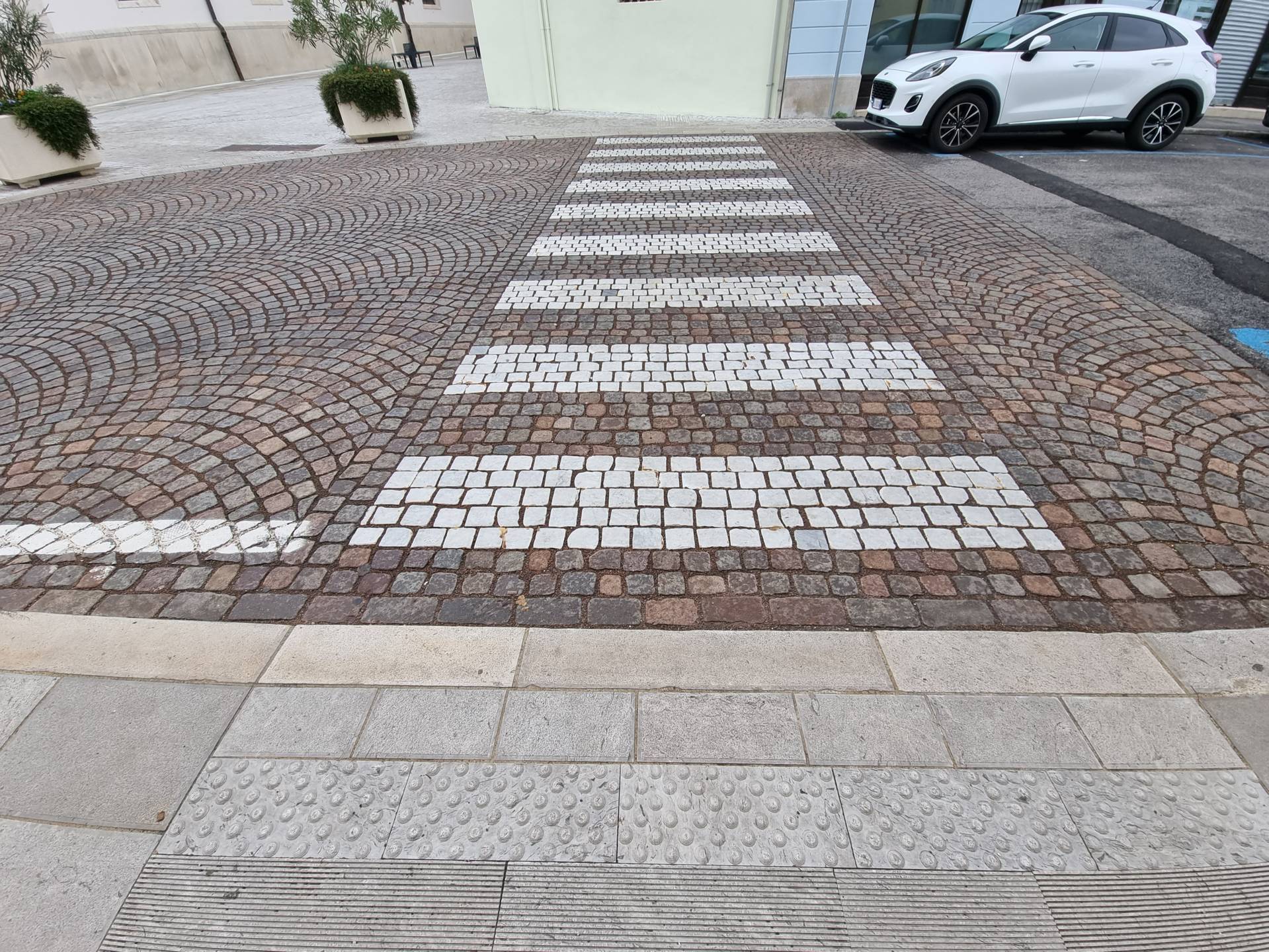
Photo 29 - Crossing in the vicinity of the Duomo
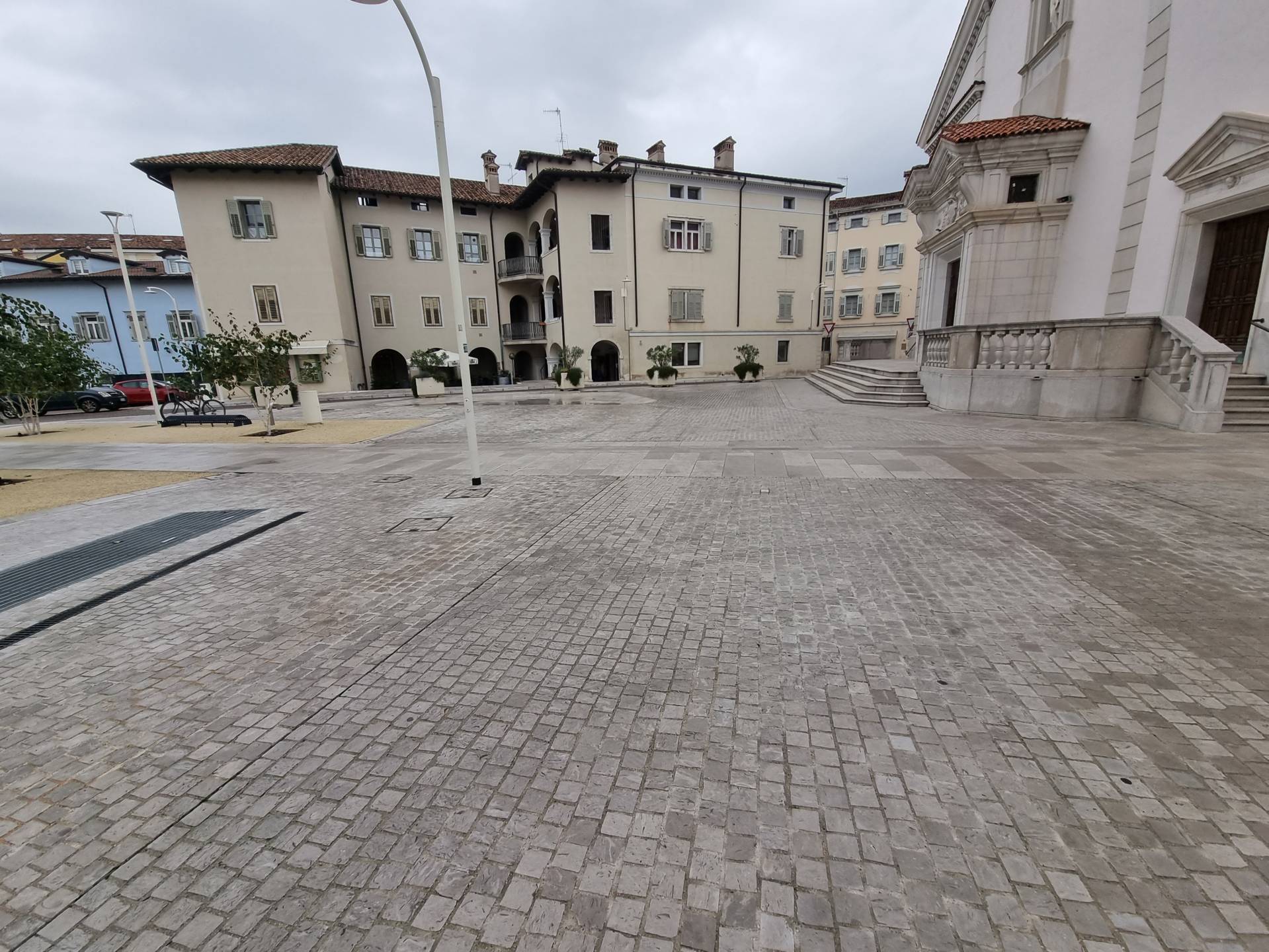
Photo 30 - Route in the vicinity of the Duomo

Photo 31 - Staircase access to the Duomo
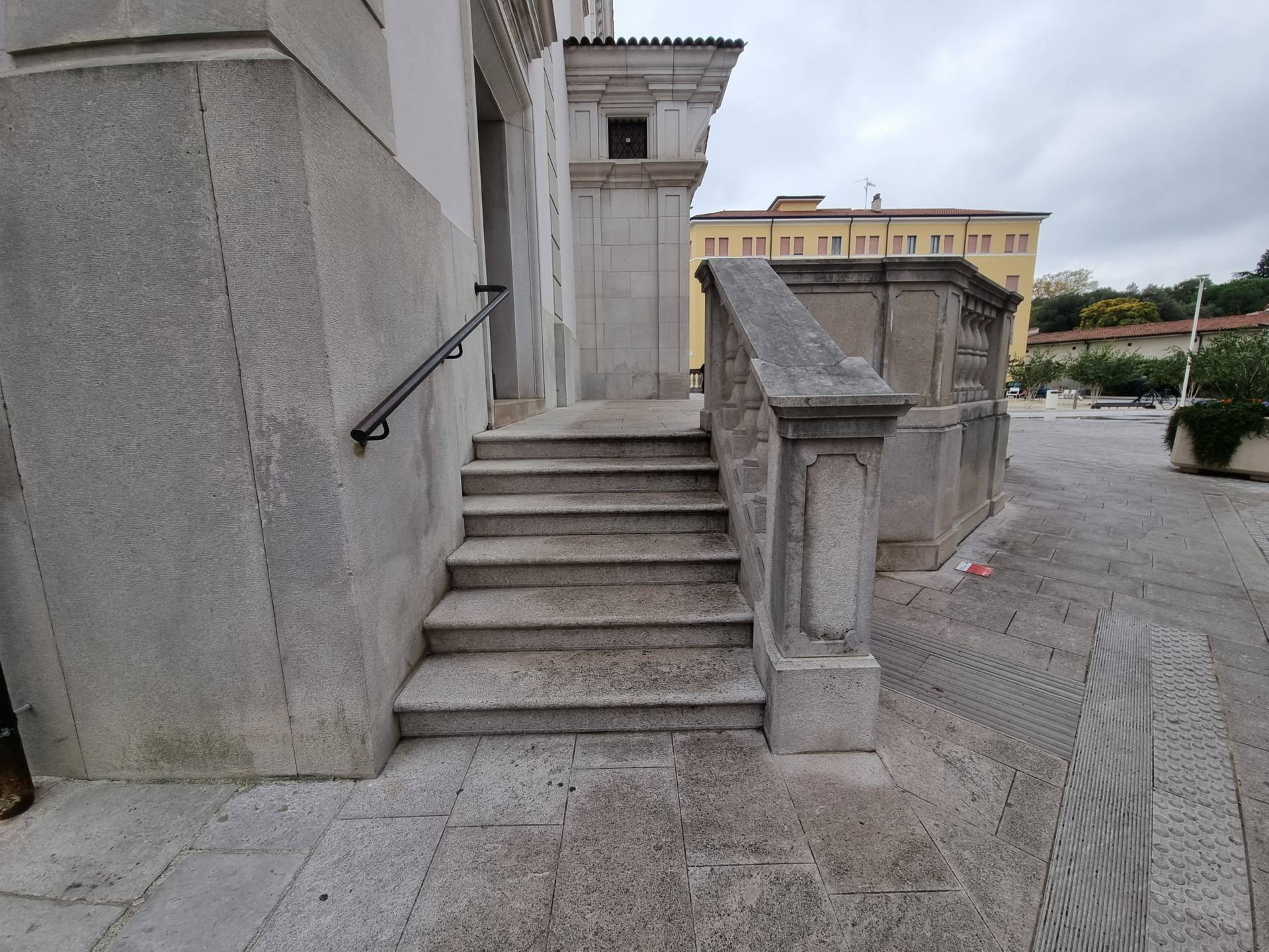
Photo 32 - Side staircase of the Duomo
The itinerary along Viale D'Annunzio leads to the Borgo Castello climb (Photograph 33), which on the left side has a continuous pavement of limited dimensions, with a high slope, in porphyry. On the right-hand side, the itinerary has steps (Photographs 34-35). There is the presence of tactile foot markers in the first section of the pedestrian itinerary.
The first access to Borgo Castello is marked with tactile paving that ends in front of the staircase, equipped with side handrails on both sides, leading to the village above (Photograph 36). The tactile foot itinerary is interrupted in the vicinity of the car park, where there is no natural guide, making it very difficult for a visually impaired person to follow the itinerary independently.
In the car park in front of the Leopoldina gate, there is a parking space for people with disability. After the Porta Leopoldina, access to Borgo Castello, the pavement is difficult to access as it is cobbled and has a 12% slope (Photograph 37).
In order to continue the itinerary, it is necessary to proceed on the porphyry roadbed, in the absence of safety, to reach the stone pavement on the left side (Photograph 38). Atong the itinerary, there is a parking space for people with disability.
From the car park, at the top of the Hamlet, access is only possible to part of the viewpoint on the Slovenian side, and to the museums there because of steps and an excessive slope. The castle ramparts can only be reached using the staircase itinerary (Photograph 39).
To return to the starting point, it is necessary to retrace the itinerary along Viale D'Annunzio, proceeding in the reverse direction.
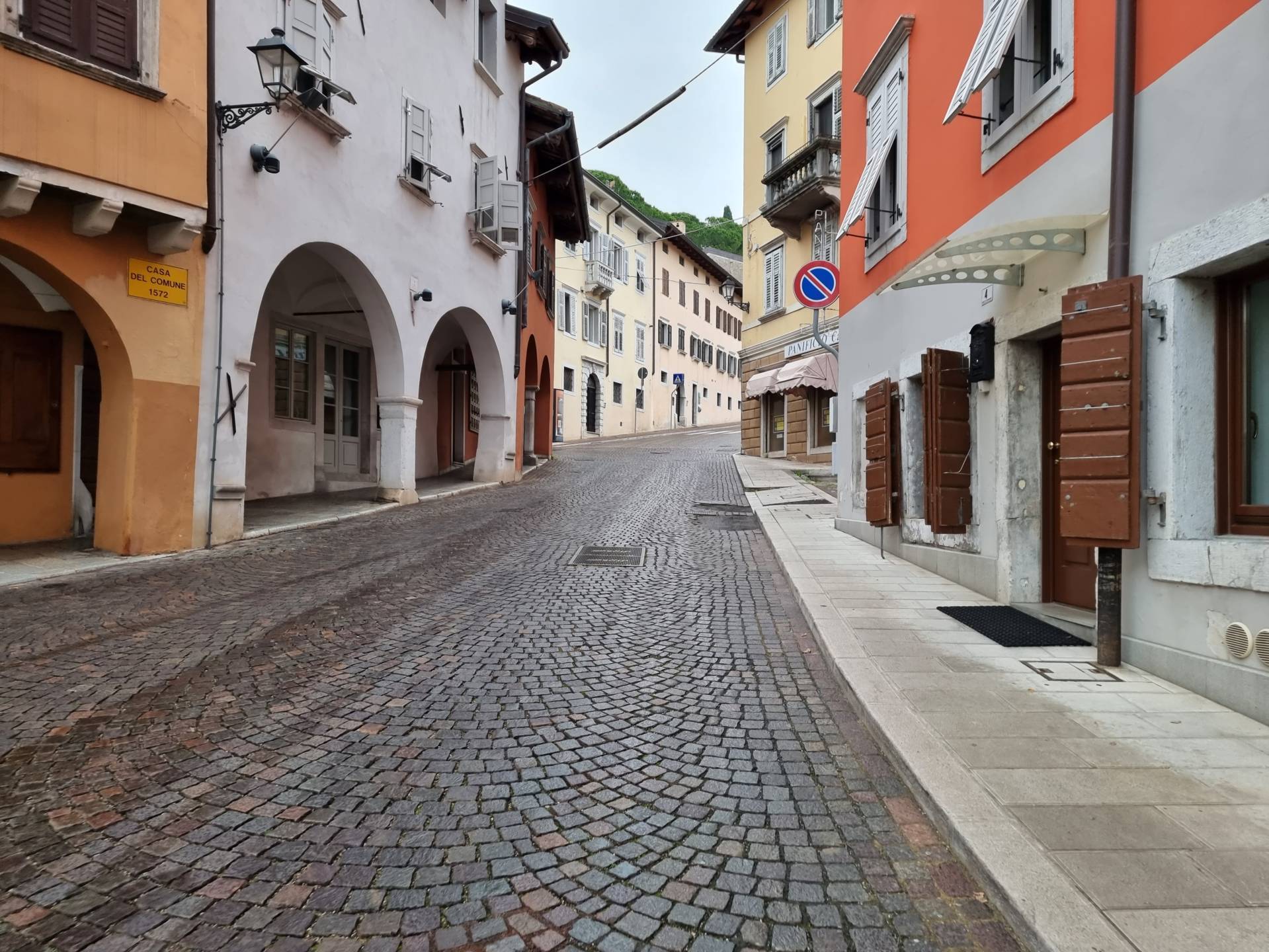
Photo 33 - ascent towards the castle
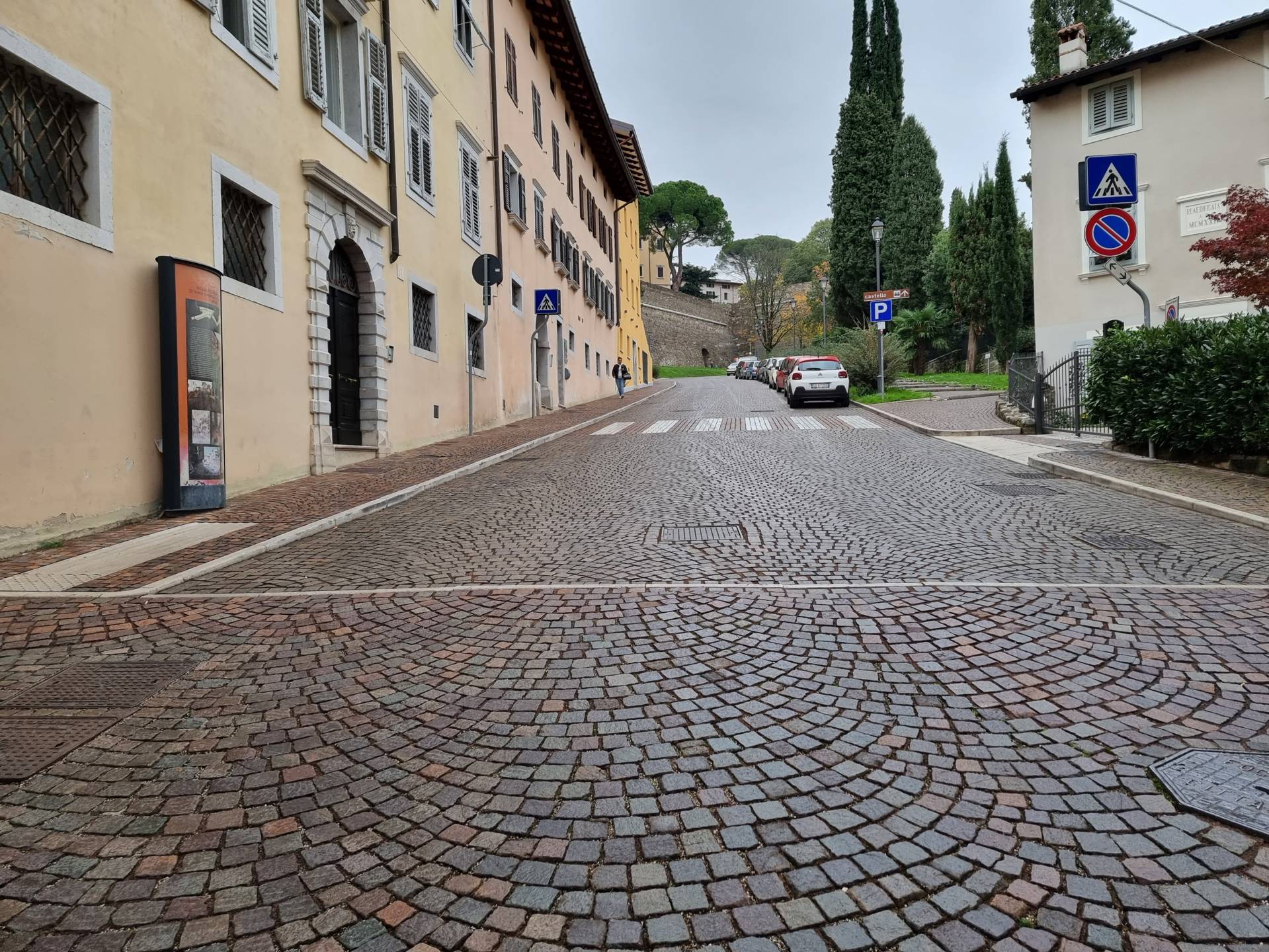
Photo 34 - pavement on the left
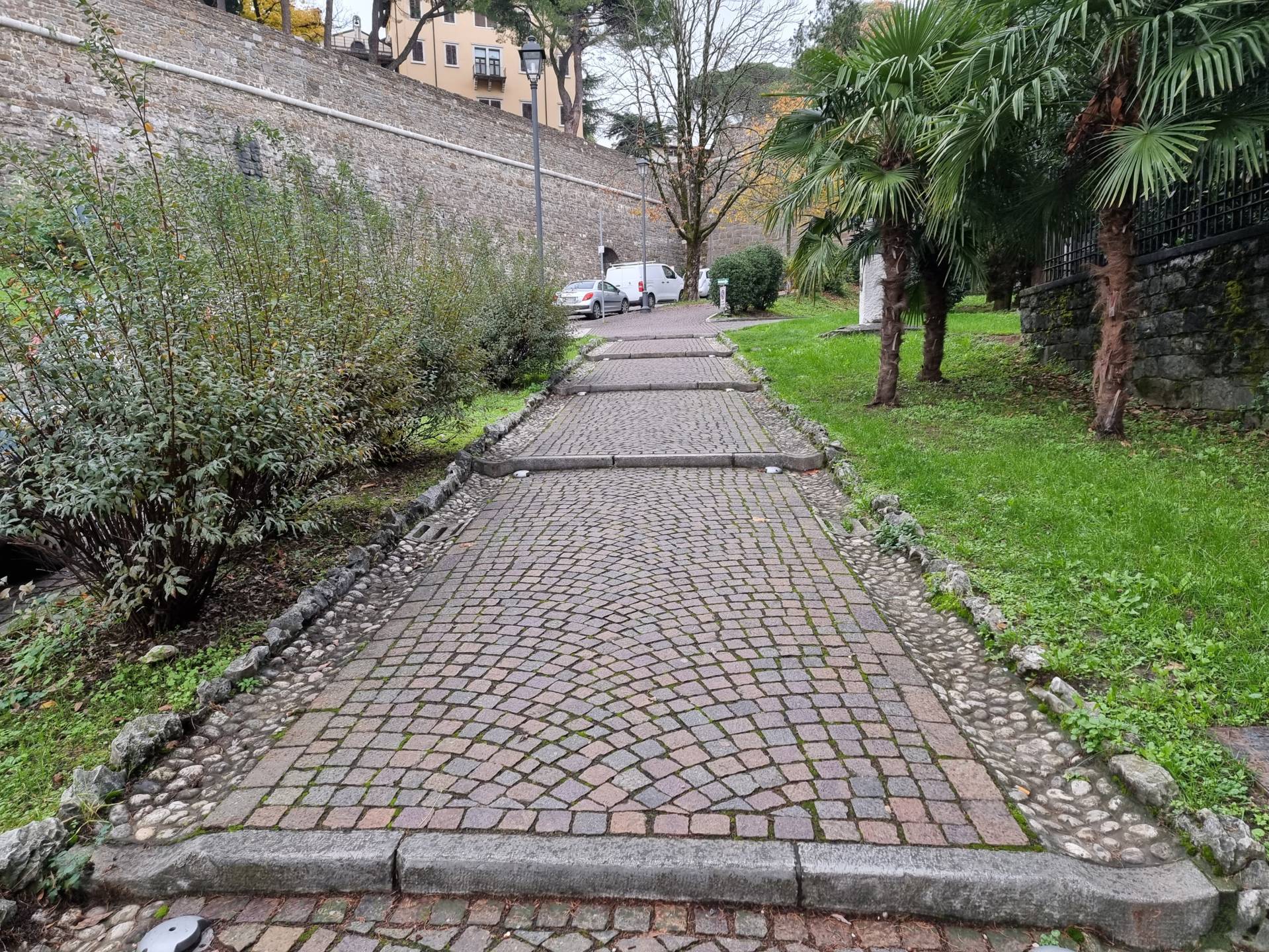
Photo 35 - pavement to the right
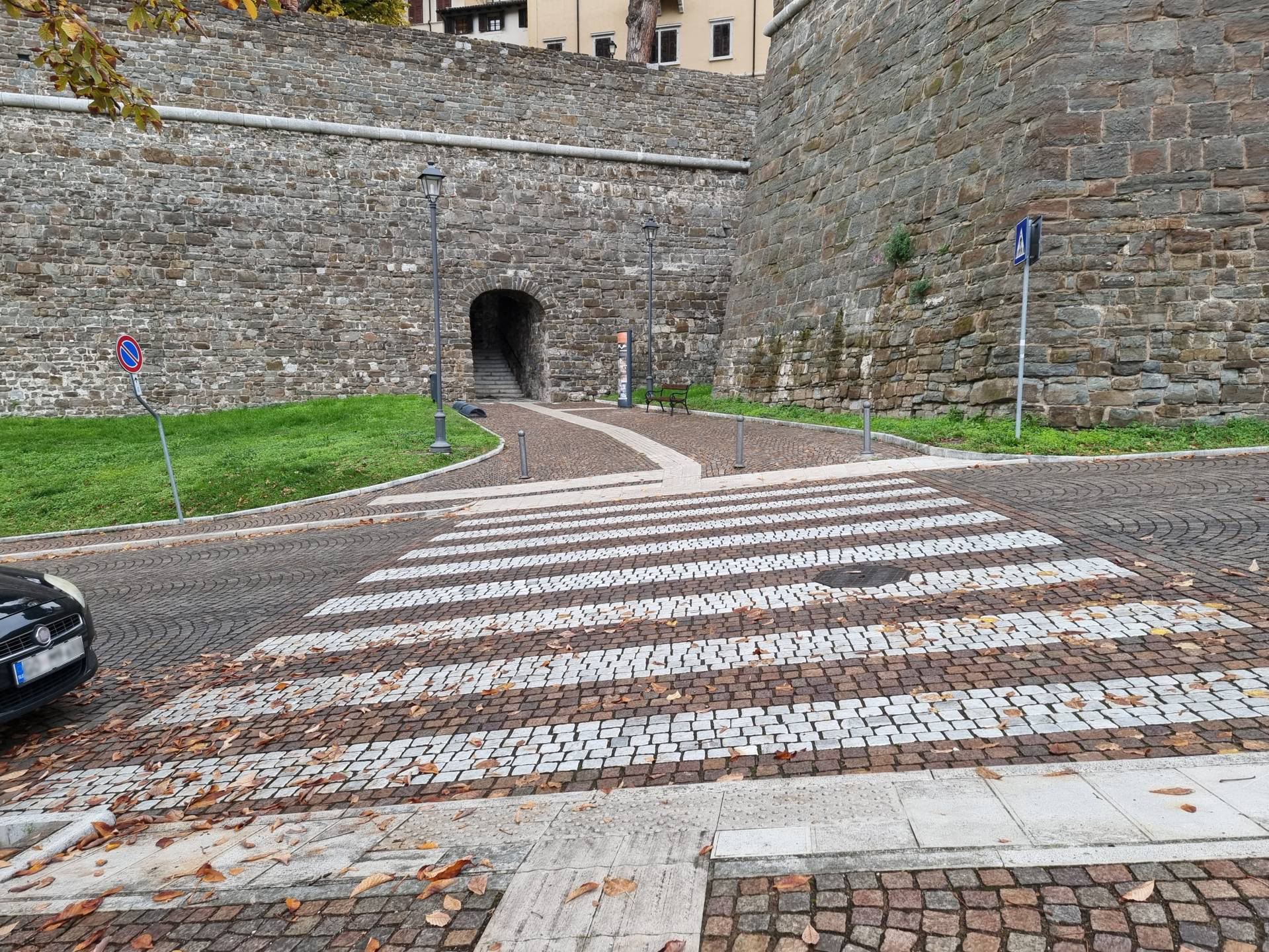
Photo 36 - Accesso to Borgo Castello
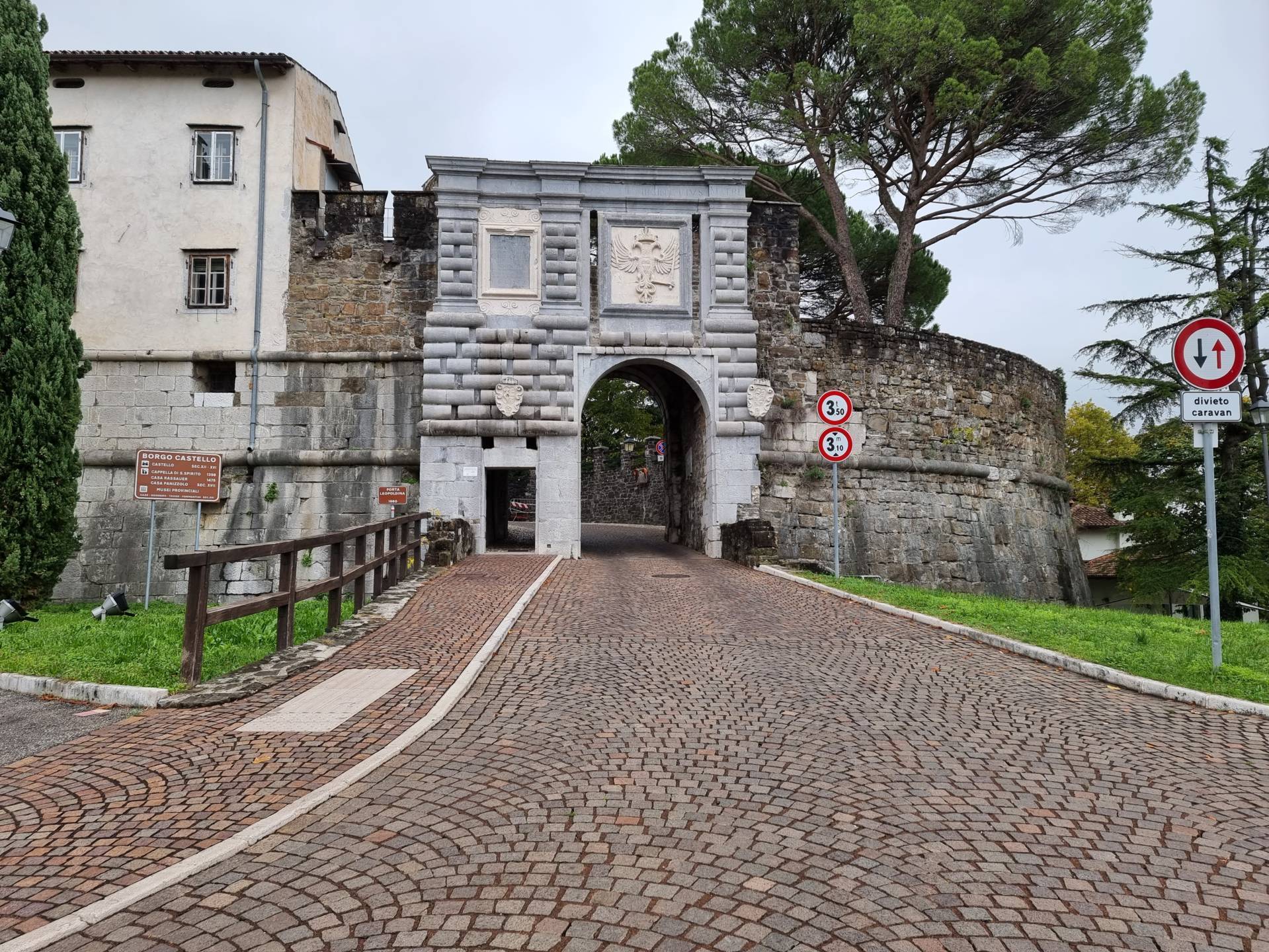
Photo 37 - Porta Leopoldina

Photo 38 - itinerary on left pavement

Photo 39 - Parking at the top of the Borgo
1.9
/3
2.5
/3
2.1
/3
2.4
/3
2.4
/3
2.1
/3
2.8
/3
2.8
/3
2.3
/3
2.9
/3
1.2
/3
2.8
/3
2.5
/3
1.9
/3
2.8
/3
2.6
/3
2.0
/3
2.5
/3
2.0
/3
3
/3
1.5
/3
1.2
/3
1.5
/3
1.5
/3
1.5
/3
3
/3
2.2
/3
2.5
/3
1.9
/3
1.7
/3
1.0
/3
1.5
/3
2.4
/3
1.2
/3